





How to Fix a Homemade Eel Sauce Recipe That Is Too Thin
Your sauce looks dark and promising in the pan, but it runs off the back of the eel like soy sauce. This is the moment many home cooks worry they ruined the batch. Usually, they have not. A thin homemade eel sauce recipe can often be corrected before dinner, but the right fix depends on why it is watery in the first place.
Unagi sauce should cling lightly to grilled eel, brush smoothly over rice, and leave a glossy trail instead of forming a puddle at the bottom of the plate. It is not meant to be as thick as syrup while hot. Heat makes sauce look looser than it will be after cooling.

Check the Sauce Before You Add Anything
Start with diagnosis, not a quick handful of sugar. A homemade eel sauce recipe may appear too thin because it is still hot, because there is too much liquid, or because the sweet and salty ingredients were not balanced at the start. Each cause needs a different response.
The main property you are judging is viscosity: how easily the sauce flows. Hot sauce always flows more freely than cooled sauce. That simple fact prevents a common mistake—reducing a sauce until it seems perfect in the pan, then finding it overly sticky and sweet on cooled eel.
Use This Diagnosis Order
- Check the temperature first. Spoon a small amount onto a cool plate and let it sit until it is no longer steaming. If it thickens and coats the spoon, the batch may already be ready.
- Check how it coats food. Brush the cooled sample on a piece of cooked eel, a spoon, or plain rice. A good glaze leaves a thin, even film rather than sliding straight off.
- Check the flavor next. If the sauce tastes balanced but runs like liquid, reduction is usually the better fix. If it tastes weak as well as thin, the sugar-to-liquid balance may need correction.
- Check the pan behavior. Large, fast bubbles can indicate that the liquid is reducing quickly. Small, steady bubbles are easier to control and less likely to create bitterness or scorching.
| What You See or Taste | Most Likely Cause | Best First Action | When That Action Does Not Fit |
|---|---|---|---|
| Thin while hot, but lightly coating after cooling | Normal heat-related looseness | Stop cooking and test again on food | Do not stop if the cooled sample still runs off without leaving a film |
| Balanced flavor, watery texture | Too much water or other liquid remains | Continue a gentle uncovered simmer | Do not reduce aggressively if the sauce is already salty or very sweet |
| Weak flavor and watery texture | Liquid proportion is too high | Correct the sugar-to-liquid balance in small additions | Do not add only sugar if saltiness is also missing |
| Thin but very sweet | Sweetness is not the issue; liquid or ingredient structure is | Reduce carefully without adding more sugar | Do not keep reducing if the sauce begins to taste harsh or overly salty |
This is the first useful rule for a homemade eel sauce recipe: do not judge thickness from the hot pan alone. Judge the cooled sample and the way it sits on the food you plan to serve.
Know When Simmering Works and When the Ratio Must Change
The boundary is simple. Further simmering improves a thin homemade eel sauce recipe when its flavor already tastes right but it contains excess water. Correcting the sugar-to-liquid ratio is better when the sauce tastes diluted as well as watery. Cooling then changes the final result, because the sauce becomes thicker after heat leaves it.
Think of reduction as removing water, not creating flavor from nothing. If the base tastes like the unagi sauce you want—sweet, savory, and full enough—removing liquid concentrates that existing taste. If the base tastes flat, reducing it can eventually make the soy element too dominant before the sweetness catches up. In that situation, adjust the balance first.
| Decision Point | Choose Further Simmering | Choose Ratio Correction | Cooling Check |
|---|---|---|---|
| Flavor before cooking more | Sweetness and saltiness are already in balance | The sauce tastes diluted, weak, or noticeably less sweet than intended | Cool a spoonful before making the final decision |
| Texture in the pan | Loose, but beginning to leave a trail when stirred | Very watery with no body and a weak taste | Expect a cooled homemade eel sauce recipe to feel thicker than the hot sample |
| Risk of continuing | Flavor will become more concentrated, which is acceptable | Reduction would make it too salty or too intense before it reaches the desired body | Stop before the cooled sample becomes sticky or candy-like |
Cold-kitchen fact: a sauce can look almost disappointingly loose when hot and still become a proper glaze after cooling. This matters most when the sauce contains sugar. The sugar becomes more noticeable as the sauce cools, so an over-reduced batch can turn from glossy to tacky surprisingly fast.
For a homemade eel sauce recipe intended for sushi or a rice bowl, aim for a coating that stays on the eel without masking its flavor. For grilled vegetables or richer meats, a slightly thicker coating can work well. The limit is the same: the glaze should brush on, not pull into long sticky strings.
Follow a Controlled Method to Thicken a Watery Batch
A controlled process gives you a better result than turning up the heat and hoping. Use a wide pan when possible, because a broader surface lets excess liquid evaporate more evenly. Keep the sauce uncovered and use a low, steady simmer. A rolling boil can make sugar catch at the edges of the pan and can push a balanced sauce too far.
- Move the sauce to a wide, clean pan. This fits a batch that tastes good but needs less liquid. It is not necessary if a cooled sample already coats well.
- Simmer uncovered at low heat. Stir regularly, scraping the bottom and sides. This helps prevent concentrated sugar from sticking.
- Pause for repeated spoon tests. Lift the spoon and watch the sauce fall back into the pan. If it immediately behaves like broth, it needs more reduction. If it leaves a light coat, cool a sample before proceeding.
- Cool a small sample on a plate. This is the real texture test for a homemade eel sauce recipe. Do not make a final call from the hot pan.
- Adjust the formula only if the flavor is diluted. Add the original sweetening component gradually, stir until dissolved, then test again. This fits weak, thin sauce. It does not fit sauce that is already sweet.
- Stop while the sauce is slightly looser than your final target. Residual heat and cooling will continue to build body.
If the sauce becomes too thick after cooling, do not panic. Return it to low heat and add a small amount of the same liquid used in the original formula, then stir until smooth. This is safer than adding plain water without checking flavor, because plain water can weaken a carefully balanced homemade eel sauce recipe.
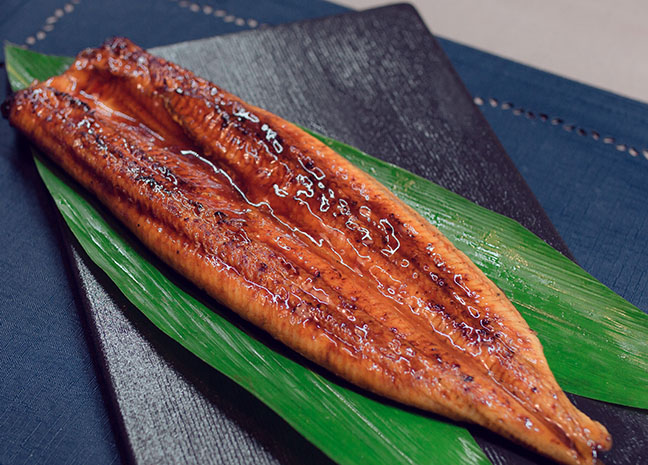
For serving inspiration, pair the finished glaze with unagi kabayaki, then brush a thin layer on after reheating rather than drowning the fish in sauce. The eel should still taste like eel.
Avoid the Fixes That Make Thin Sauce Worse
Most failed batches are not caused by one wrong ingredient. They are caused by rushing the correction. Use this list as a quick safeguard whenever a homemade eel sauce recipe seems watery.
- Do not add sugar before tasting. Sugar can make a thin sauce thicker after cooling, but it also changes sweetness. Use it only when the sauce tastes diluted, not merely loose.
- Do not boil hard to save time. Fast boiling raises the chance of scorching and can leave a bitter edge. A gentle simmer is slower but easier to judge.
- Do not add starch as the first fix. A starch-thickened sauce may look glossy, but it can feel different from a reduced unagi glaze and may become cloudy. Use reduction first when the flavor is already correct.
- Do not test only with a spoon. A spoon test is helpful, but brush the cooled sauce on eel or rice too. A homemade eel sauce recipe can cling to metal yet still disappear into hot rice.
- Do not over-reduce before serving sushi. Sushi rice and warm eel need a brushable glaze. A sticky sauce can overpower the rice and make each bite feel heavy.
If the batch tastes salty after reduction, the problem is no longer thickness alone. Dilute carefully with the original liquid component, then rebuild sweetness in small stages. This takes more patience, but it is better than covering the problem with extra sugar.
Match the Finished Sauce to the Dish You Are Serving
The best endpoint for a homemade eel sauce recipe changes with the dish. For sushi rolls, use a lighter glaze that can be drizzled in narrow lines. For rice bowls, use a sauce that coats the eel and reaches a little of the rice below. For grilled eel, apply several thin brushes during finishing instead of one heavy layer.
Try the finished sauce with an eel sushi roll recipe when you want a lighter application, or use it alongside eel rice bowl toppings for a warmer, more generous bowl. In both dishes, the correct texture is glossy and controlled—not thick for its own sake.
Home cooks who want a reliable shortcut can also compare their batch with prepared eel sauce. A ready-made tare offers a useful flavor reference when you are learning how sweet, salty, and brushable your own sauce should be. For a deeper look at flavor correction, see Kabayaki Sauce Recipe Fix Flavor Mistakes.
Store the Sauce Only After Its Texture Has Settled
Let a homemade eel sauce recipe cool fully before deciding whether it needs another adjustment. This gives the sugar and reduced liquid time to show the sauce’s real body. Transfer it to a clean container only after that final check.
If you plan to use the sauce on frozen eel, warm the eel first and apply the glaze near the end so it stays shiny. Eelpro supplies frozen roasted eel and deep-processed aquatic products through two production lines with an annual finished-goods capacity of 4,000 tons. Its frozen unagi kabayaki is supported by ISO 22000:2018, HACCP, HALAL certification, export food producer registration, and full-chain traceability from customs-registered farming bases to shipment.
For foodservice buyers, standardized eel sauce and ready-to-heat unagi can reduce back-of-house sauce preparation while keeping the final brush consistent across portions. Eelpro also maintains a 1,000-ton cold storage facility and an in-house laboratory with metal detectors at critical control points. These details matter when a menu needs dependable flavor and cold-chain handling, not just a quick home fix.
If you need a sauce specification, product sample discussion, or sourcing advice for unagi kabayaki and eel sauce, contact Eelpro Co., LTD for a quote.

 WhatsApp
 sales@chinaeels.com
 +8619937922411