





Choosing Between Dashi and the Classic 3-Ingredient Homemade Eel Sauce Recipe
Should your homemade eel sauce recipe start with a pot of dashi, or just three pantry staples? That's the fork in the road that trips up most home cooks on their first batch of unagi tare. Get the ratio wrong and the sauce turns out watery and flat, or so thick it scorches on the grill before the eel even browns. This guide breaks down both versions — what each ingredient actually does, where each one shines, and how to pick the right one for tonight's dinner or a weekend batch you freeze for later.
What Each Ingredient in Eel Sauce Actually Controls
Before picking a recipe, it helps to know what each component is doing on a molecular level — because if you swap one out carelessly, the whole sauce fails differently than you'd expect.
- Soy sauce supplies salt and the dark color. Too much, and the sauce tastes harsh and one-dimensional once it hits the heat of a grill. Too little, and the glaze looks pale and won't read as "unagi sauce" at all.
- Mirin brings sweetness plus a slight alcohol content that cooks off during simmering, leaving behind shine and a soft edge that balances the soy's saltiness. Skip the simmer step and the raw alcohol taste lingers — a common reason homemade sauce tastes "off" compared to restaurant versions.
- Sugar (usually white or brown) drives the thickening. Sugar caramelizes around 110-112°C (230-235°F), which is exactly the range you're chasing when the sauce starts to "coat the back of a spoon." Push past that window and it turns bitter fast.
- Dashi, when used, adds a savory backbone built from umami compounds in kombu and bonito. It doesn't sweeten or salt the sauce — it deepens it, giving a rounder finish that plain soy-mirin-sugar sauce can't fully replicate.
Comparison: Dashi-Based Tare vs Classic Soy Sauce, Mirin, and Sugar Version
This is the real decision point for anyone building a homemade eel sauce recipe from scratch. Both versions reduce to a similar glossy texture, but they behave differently on the stove and taste different once they hit grilled eel.
| Aspect | Dashi-Based Tare | Classic 3-Ingredient Version |
|---|---|---|
| Flavor depth | Rounder, savory, slightly complex — closer to what many Japanese restaurants serve | Sweeter and more direct; sharper soy-forward taste |
| Reduction behavior | Needs a longer simmer (dashi adds liquid volume, so it takes roughly 20-25 minutes to thicken) | Thickens faster, typically in 15-20 minutes at a gentle simmer |
| Prep time | Requires making dashi first (10-15 minutes extra) | Ready to simmer immediately with no separate stock step |
| Best pairings | Grilled eel over plain rice, eel donburi, dishes where you want the fish flavor to stay forward | Sushi rolls, drizzled over noodles, or anywhere a bolder sweet-salty glaze is wanted |
| Shelf stability | Slightly shorter fridge life due to added stock proteins | Holds a bit longer thanks to higher sugar content acting as a preservative |
If you're building a rice bowl and want the eel itself to be the star, dashi-based tare pairs beautifully — check the flavor combinations in our eel recipes for menus guide. If you're finishing a sushi roll where a bold glaze matters more than subtlety, the classic version wins almost every time.
Buyer's Decision Checklist
- Cooking for a weeknight dinner in under 30 minutes? Choose the 3-ingredient version.
- Serving unagi over plain steamed rice and want restaurant-level depth? Go with dashi-based tare.
- Prepping a big batch to store for weeks? The classic version's higher sugar content keeps better.
- Pairing with sushi rolls or tempura? Stick with the classic — dashi's savory notes can clash with vinegared rice.
Step-by-Step: Building the Classic 3-Ingredient Version
This is the base recipe most home cooks reach for first, and it's forgiving enough to adjust by taste.
- Combine equal parts soy sauce, mirin, and sugar in a small saucepan — a 1:1:1 ratio is the standard starting point.
- Bring to a gentle simmer over medium-low heat. Never let it hit a rolling boil — that scorches the sugar unevenly.
- Simmer uncovered for 15-20 minutes, stirring occasionally, until the sauce reduces by roughly a third and coats a spoon without running off immediately.
- Remove from heat and let it cool. It will thicken further as it sits — this is the step most beginners skip, then panic that the sauce is "too thin."
- Strain if any sugar has crystallized at the edges, then store in a sealed jar.
For a version built around dashi instead, start by making a light stock, then substitute it for part of the liquid volume before reducing using the same method — see our dedicated eel sauce recipe and storage guide for exact swap ratios and make-ahead timing.
Common Mistakes That Ruin a Homemade Eel Sauce Recipe
- Boiling instead of simmering — high heat breaks the sugar down unevenly and leaves a burnt aftertaste.
- Using dark soy sauce instead of regular — dark soy is thicker and saltier, throwing off the whole ratio.
- Adding dashi cold, straight from the fridge — this extends simmer time unpredictably and dilutes the reduction.
- Skipping the cooling rest — sauce looks thin hot, but sets up properly only after it cools for 10-15 minutes.
- Storing in a warm spot — even a well-reduced sauce spoils faster above room temperature; refrigerate within an hour of cooling.
If your batch already went sideways, our kabayaki sauce recipe fix guide walks through rescuing an over-salted or over-sweet batch without starting over.
When Store-Bought Tare Makes More Sense
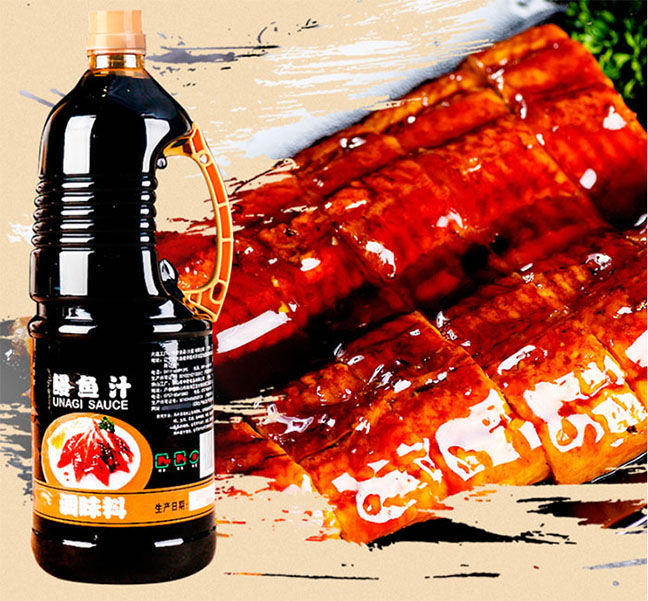
Homemade sauce works well for a single dinner or a small weekend batch. But for anyone running a foodservice kitchen, or importing eel products at scale, consistency matters more than a stovetop can reliably deliver. Eelpro's eel sauce (unagi tare) is produced under ISO 22000:2018 and HACCP systems, with batch consistency that a home stove simply can't match across hundreds of liters.
The same applies to the eel itself. Our unagi kabayaki is roasted using a patented four-layer soy-sauce coating process, developed to hit the same "kabayaki color" standard every single batch — something almost impossible to reproduce consistently at home with a broiler. Traceability also matters for buyers sourcing at volume: our eel farming bases are customs-registered, and every batch passes through our in-house lab before shipment.
For readers who want to understand what separates a thin, one-note sauce from one with real depth, our article on why kabayaki sauce matters covers the flavor science in more detail — worth a read before your next batch.
A Quick Cold-Storage Note Most Recipes Skip
One detail that rarely makes it into recipe blogs: sauce made with dashi has a shorter safe fridge window — roughly 5-7 days — because stock proteins support bacterial growth faster than a pure sugar-soy-mirin mix, which can hold closer to 2-3 weeks refrigerated. If you're batch-cooking for meal prep, this difference actually decides which version makes sense; see our eel recipes for meal prep guide for freezing timelines too.
Whichever version you land on, the goal is the same glossy, spoon-coating glaze that clings to grilled eel without pooling on the plate. If you'd rather skip the stovetop guesswork entirely, reach out for a sample of our unagi tare or ask our team for a spec sheet on kabayaki cutting formats — we're happy to walk through which option fits your kitchen or menu best.
 WhatsApp
 sales@chinaeels.com
 +8619937922411