


Homemade Eel Sauce Recipe Fixes for Thin Sauce
Your sauce is bubbling, the kitchen smells sweet and savory, but the liquid still runs off the spoon like broth. A homemade eel sauce recipe should cling to grilled eel and rice, not pool at the bottom of the plate. The fix is usually simple, but only after you identify whether the problem is reduction, heat, or balance.
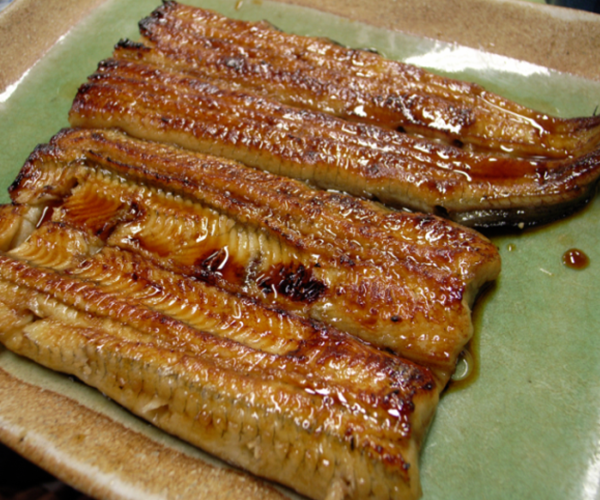
Thin unagi tare is frustrating because it can look almost finished right until the moment you brush it onto eel. Instead of forming a glossy coat, it slides away. Before adding extra sugar or turning the heat high, stop and check the sauce in the right order. That protects the savory soy character and helps prevent a sticky, overly sweet glaze.
This guide is for cooks actively troubleshooting a homemade eel sauce recipe at the stove. It also helps home cooks decide when a ready-made option makes more sense for repeatable results. For a prepared product made for eel dishes, see our eel sauce selection.
Test the sauce before trying to thicken it
The best first move is not to add an ingredient. It is to test the sauce after it cools briefly on a spoon. A hot sauce always appears thinner than it will be on food. A sauce that lightly coats the back of a spoon and leaves a clear track when you draw a finger through it is generally ready for brushing.
Use this diagnosis order. It prevents the common mistake of adding more sweet ingredients before the sauce has had enough time to reduce.
- Check the spoon while the sauce is off the heat. Lift a clean metal spoon, wait for the steam to settle, then look at how the sauce falls. A steady watery stream means it needs more reduction.
- Look for surface behavior. Large, loose bubbles usually mean there is still plenty of water in the pan. Smaller, slower bubbles and a shinier surface suggest the sauce is concentrating.
- Brush a small amount on warm food. If it immediately disappears into the rice or drips off the eel, it is too thin. If it sits in a shiny layer without running, it is close.
- Taste only after checking texture. If the flavor already tastes very sweet, do not solve thickness by adding more sugar. Reduce carefully or correct the savory side instead.
The conclusion is straightforward: if flavor is balanced but texture is thin, reduce it gently. If flavor is already too sweet, do not add sweetener. If the sauce is thick but sharp or salty, concentration is no longer the answer; the ingredient balance needs adjustment.
A useful homemade eel sauce recipe depends on this distinction. Thickness and sweetness often rise together during reduction, yet they are not the same problem.
Find whether reduction time heat level or proportions caused the thin sauce
A thin sauce normally comes from one of three causes: it has not reduced enough, the heat is too low to remove moisture efficiently, or the starting mixture contains too much thin liquid relative to the ingredients that provide body. Check them in that order. It is the fastest route to a glaze that tastes rounded rather than candy-like.
| What you see | Most likely cause | Best correction | When this does not apply |
|---|---|---|---|
| Sauce tastes balanced but pours like soy sauce | Insufficient reduction time | Continue at a steady gentle simmer in a wide pan so more surface is exposed. | Do not keep reducing if the sauce already tastes too salty or too sweet. |
| Liquid barely bubbles and volume seems unchanged | Heat level is too low | Increase to a controlled simmer, watching closely and stirring around the pan edges. | Do not use aggressive heat if sugar is catching on the pan or the sauce smells scorched. |
| Sauce remains watery even after long simmering and tastes weak | Starting mixture has too much thin liquid | Reduce in a wider pan, then correct flavor with a small savory addition if needed. | Do not add extra sweetener simply to create body. |
| Sauce becomes thick but tastes like syrup | Too much sweet ingredient or excessive reduction | Remove from heat and rebalance gradually with a savory element from the original formula. | Do not dilute heavily at once, or the sauce can become thin again. |
| Sauce is sticky at the edges and darkens too fast | Heat is too high | Move the pan off direct heat briefly, stir, then return to a lower controlled simmer. | Do not scrape burnt material into the finished sauce. |
The boundary matters here. Reduction time removes water and builds concentration. Heat level determines how quickly that water leaves, but excessive heat can burn sweet ingredients before the center of the sauce reduces. Ingredient proportions set the starting point: a mixture with a larger share of watery ingredients will take longer to reach a spoon-coating finish.
For a homemade eel sauce recipe, the safest way to avoid an overly sweet glaze is to fix texture with evaporation first, not extra sugar. If you need to adjust flavor after reducing, make tiny changes, stir fully, and test on a bite of rice or eel rather than tasting the sauce alone. Rice softens the impression of salt and sweetness, while fatty eel makes sugar seem stronger.
Use pan width as a practical correction
If the sauce is thin but tastes right, a wider pan is often a better answer than hotter heat. More exposed liquid surface allows moisture to leave more evenly. This method fits a sauce that needs body without a dramatic flavor change. It does not fit a sauce that is already becoming bitter, smoky, or excessively salty. In that case, stop reducing and correct the batch carefully.
Do not walk away. The change from loose sauce to thick glaze can happen quickly near the end, especially when sweet ingredients are present. Stir along the bottom and sides where concentrated residue tends to collect.
Fix a thin batch with a controlled stove-top procedure
When a homemade eel sauce recipe will not thicken, use a methodical procedure rather than guessing. This is especially helpful when you are cooking eel at the same time and need a glaze that brushes on cleanly.
- Move the sauce into the widest suitable pan. Choose a pan that gives the liquid room to spread. This supports even reduction without forcing the heat too high.
- Bring it to a gentle, active simmer. You want visible bubbling across the surface, not violent boiling that throws sauce onto the sides.
- Stir the edges and bottom regularly. The goal is to prevent sweet residue from sticking and darkening before the rest of the sauce reaches the right texture.
- Pause and spoon-test frequently as the bubbles slow down. Remove the pan from heat for the test. Hot sauce can fool the eye.
- Brush a small amount onto warm eel or rice. A finished glaze should make the surface shine and remain visible rather than vanish into the food.
- Rest the sauce briefly before the final brush. Resting lets the texture settle. If it turns too thick after resting, loosen it with a very small amount of the liquid used in your original formula.
This procedure suits sauces that are flavorful but loose. It is not the right rescue for sauce that has a burnt smell or contains black bitter flecks. Burnt sugar notes do not disappear with dilution. Starting again is usually the cleaner choice.
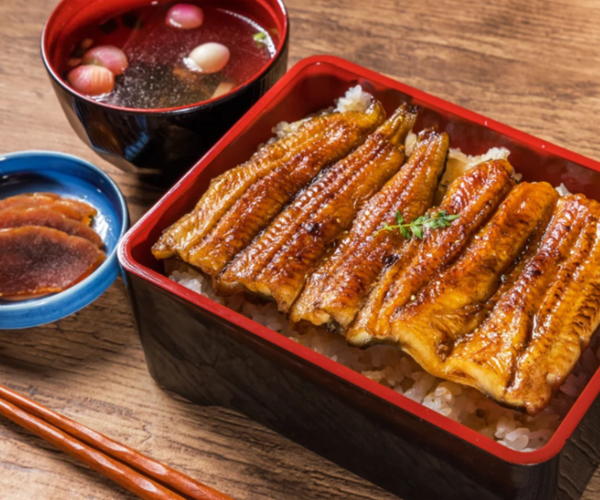
Once your glaze is ready, it pairs naturally with unagi kabayaki. Brush lightly during reheating, then add a final thin layer just before serving. Heavy sauce applied too early can hide the roasted aroma and make the surface wet rather than glossy.
Avoid common fixes that make eel sauce worse
Many thin-sauce fixes work for a moment but create a new flavor problem. These are the traps worth avoiding when making a homemade eel sauce recipe.
- Adding sugar first: This may make the sauce seem heavier, but it often creates a dessert-like glaze. Use reduction first when the existing flavor is balanced.
- Using very high heat: Fast boiling can scorch the sweet components at the edge of the pan. Use a controlled simmer instead.
- Judging thickness while the sauce is boiling: Steam and rapid movement make sauce look thinner than it will be. Always test off the heat.
- Adding starch without changing the cooking plan: A starch-thickened sauce can feel different from a reduced tare and may look cloudy. It can be useful for an emergency glaze, but it is not the best choice when you want a clear, lacquered eel finish.
- Reducing after the sauce already tastes intense: More evaporation will also intensify salt and sweetness. At that stage, adjust balance instead of continuing to cook.
- Applying too much sauce at once: Even a correctly thickened glaze can run if it is poured heavily onto hot eel. Use light layers.
Here is a useful food fact: a sauce can appear thin in the pan and still become a good glaze on warm grilled eel because cooling changes how it clings. That is why the spoon test and brush test are more reliable than judging by bubbles alone. The same principle helps when preparing sauces for sushi rolls, rice bowls, or noodles.
For more flavor troubleshooting, see kabayaki sauce recipe: fix flavor mistakes. If your finished glaze is ready but your eel needs preparation guidance, our how to cook eel: easy methods and tips article covers practical cooking options.
Choose between homemade sauce and a prepared unagi tare
A homemade eel sauce recipe is a good choice when you want to adjust sweetness, saltiness, and brush thickness for one meal. A prepared sauce is often the better choice for repeat cooking, catering, or foodservice because the flavor and viscosity are easier to repeat from plate to plate.
| Choice | Best use | Main advantage | Limit to consider |
|---|---|---|---|
| Homemade sauce | Home meals and recipe testing | You can tailor the balance to a specific eel dish. | Results vary with pan size, heat control, and reduction. |
| Prepared unagi tare | Repeat service, retail use, and consistent plating | More predictable flavor and handling. | Less room for custom adjustment during cooking. |
| Prepared eel with sauce application | Fast meals with grilled presentation | Reduces preparation steps at home. | Final brushing still needs a light hand to avoid over-glazing. |
Eelpro Co., LTD supplies frozen roasted eel and deep-processed aquatic products through two modern production lines with an annual finished-goods capacity of 4,000 tons. Our products are supported by ISO 22000:2018, HACCP, HALAL certification, export food producer registration, and an SC food production license. For buyers who need traceability, our supply chain includes around 20 customs-registered eel farming bases covering more than 2,150 mu, with controls from farming registration through shipment.
For restaurant operators and import buyers, consistency matters as much as flavor. Eelpro has supplied kabayaki eel to Japanese restaurant chains and exports unagi kabayaki and eel sauce to United States food importers. Products are also supplied to food importers and distributors in Germany, Poland, Australia, Indonesia, and other Southeast Asian foodservice channels. These are supply references, not a promise that one sauce profile fits every market or menu.
When a homemade eel sauce recipe still feels unpredictable after several attempts, use a prepared sauce as your baseline. You can then make small finishing adjustments for a rice bowl, sushi roll, or grilled eel plate without rebuilding the glaze from scratch. For pairing ideas, explore our eel rice bowl toppings guide.
If you need frozen unagi kabayaki or unagi tare for retail, foodservice, or import supply, request a product specification or sample guidance from Eelpro.