





How to Fix a Soggy Unagi Don Recipe and Keep the Eel Crisp
You pull the lid off, steam rolls out, and the eel skin that should crackle just bends. Rice underneath looks glassy, almost translucent, like it sat in a puddle for an hour. If your unagi don recipe keeps turning soggy by the time it reaches the table, you're probably not doing anything wrong with the eel itself. You're losing the fight somewhere between plating and serving. This happens in home kitchens and small restaurant lines alike, and fixing it is more about diagnosis than technique.
Where the Sogginess Actually Starts: A Diagnosis Order
Before changing anything, look at where the moisture is sitting. That single check tells you which of four common causes you're dealing with. Working with HACCP-audited processing lines for over a decade, I've seen the same four failure points repeat across home and commercial kitchens — they just show up differently.
Check in this order: first the sauce amount, then the rice moisture, then the reheating method, then the packaging drainage. Each stage rules out the next.
| Symptom | Likely Cause | Fix |
|---|---|---|
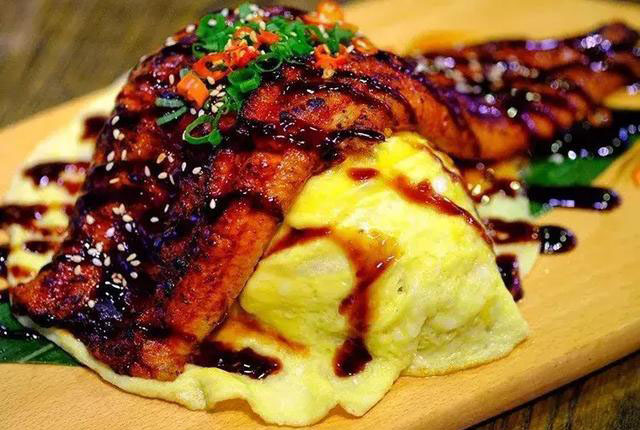
| Dark liquid pooled under the rice, eel limp across its whole surface | Excess tare — too much sauce brushed on, or poured directly over the rice | Brush one thin layer of eel sauce onto the eel only; serve extra sauce tableside in a small dish instead of pouring it over the bowl |
| Rice grains sticking together and glossy even before the eel goes on | Wet rice — insufficient rest time or too much water in the ratio | Rest steamed rice with the lid ajar for 10-12 minutes before plating; target roughly 65-68% moisture for donburi-style rice |
| Eel skin turns soft with visible condensation dripping onto the rice | Covered reheating — foil or a tight lid trapping steam against the skin | Reheat uncovered, skin-side up, under a broiler or in an air fryer at 200°C (390°F) for 4-5 minutes |
| Liquid sitting in the vacuum bag before the eel is even removed | Incorrectly drained eel packs — thaw liquid not removed before cooking | Thaw in the refrigerator overnight, then pat dry and drain the pack for 60 seconds before searing or reheating |
If the wetness is localized under the eel only, suspect tare or a poorly drained pack. If the whole bowl feels damp, including the rice edges, the rice cook or the reheating method is the more likely culprit.
Step-by-Step: Building an Unagi Don Recipe That Stays Crisp
- Thaw in the refrigerator for 12-24 hours. Never thaw at room temperature — beyond food safety concerns, quick thawing releases excess surface moisture that later turns to steam during reheating.
- Drain and pat the eel dry with a paper towel before it touches any heat. This removes the surface glaze left from freezing, which is one of the most overlooked steps in a home easy methods and tips approach.
- Reheat uncovered. Broil at 200°C for 4-5 minutes, or pan-sear skin-side down for 2 minutes before flipping. Covering the pan traps steam and softens the coating built during the multi-layer soy-sauce roasting process.
- Cook rice slightly firmer than usual, then rest it 10 minutes before assembling. Rice that goes straight from the steamer into the bowl is still releasing moisture.
- Assemble last. Rice first, eel on top, one thin brush of sauce. Keep extra sauce on the side rather than pouring it over everything.
- Serve within 5 minutes of assembly. If you're holding bowls for delivery or a dining room queue, keep rice and eel in separate containers until the last possible moment.
This sequence matters most when there's a hold time between plating and eating — a restaurant pass, a delivery order, a buffet line. If you're eating the moment it's assembled, you have more room for error on steps 4 and 6.
Choosing the Right Frozen Kabayaki and Sauce to Prevent Sogginess at the Source
Some sogginess problems start before the eel ever reaches your kitchen. Fat content, sauce viscosity, and how well a pack is sealed all affect how much moisture ends up on your rice.
| Factor | What to Look For | Why It Matters |
|---|---|---|
| Packaging | Vacuum-sealed, minimal free liquid inside the bag | Loose liquid in the pack means more moisture transfers to the rice during reheating |
| Sauce viscosity | Thick enough to coat, not pool | Thin, watery tare spreads across the rice instead of clinging to the eel |
| Fat content | Lower-fat roasted eel, evenly rendered skin | Excess fat combines with steam and softens the coating faster during reheating |
| Cut format | Cut pieces for portion control vs. whole fillets for presentation | Smaller cuts reheat faster and more evenly, reducing uneven steam pockets |
Eelpro's frozen unagi kabayaki is roasted through a four-layer soy-sauce coating process with temperature-controlled steps, which is designed specifically to hold its texture through freezing, cold storage, and a home reheat. The company's patented low-fat roasting and deodorizing technology also reduces the amount of rendered fat that contributes to sogginess after reheating. Products move through a 1,000-ton cold storage facility before shipping, which keeps texture consistent from factory to kitchen.
Buyer's Checklist Before You Order
- Ask for the sauce coating specification — confirm it follows a multi-layer process, not a single dip
- Request packaging photos showing minimal free liquid inside the bag
- Check whether the supplier documents cold-chain handling from processing to delivery
- Confirm whether cut format (whole, sliced, or diced) matches your kitchen's reheating setup
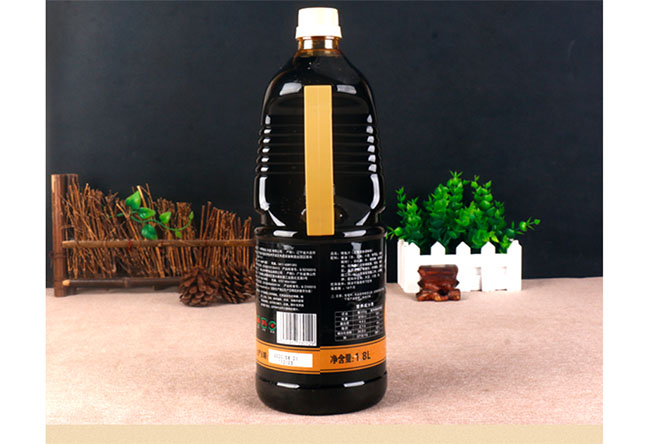
For the sauce itself, our eel sauce line is formulated with a viscosity that clings to the eel rather than running off onto the rice — a small detail with a big effect on the final bowl.
Common Mistakes That Ruin an Otherwise Good Unagi Don Recipe
- Microwaving eel with sauce already applied. The sauce boils before the skin crisps, softening the whole surface.
- Over-brushing tare "for flavor." One thin coat is enough; extra sauce belongs in a side dish, not on the eel.
- Using rice straight off the steamer. Hot, undrained rice keeps releasing steam under the eel for several minutes after plating.
- Stacking eel pieces on top of each other. This traps steam between layers even when the top piece looks perfectly crisp.
- Skipping the drain step on frozen packs. Liquid left in the bag transfers directly onto the eel during reheating.
A Cold-Knowledge Note on Why Eel Skin Behaves Differently Than Other Fish
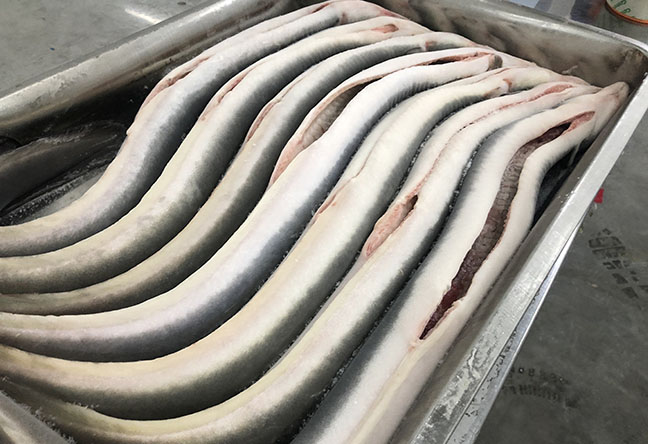
Eel skin holds more collagen than most fish skins, which is why it can crisp beautifully when roasted correctly, but also why it turns soft so fast once steam gets trapped against it. Collagen converts to gelatin under heat and moisture, and gelatin holds onto water. That's the mechanism behind almost every soggy bowl — not bad eel, but moisture meeting collagen at the wrong moment.
This is also why traceability and process control matter more for eel than for many other seafood products. Eelpro sources from roughly 20 customs-registered farming bases covering over 2,150 mu, with full-chain tracking from farm registration through process verification and sampling. You can see how that farm-to-process chain works on the eel farm page, and how quality checks are run at the eel lab, including metal detection at critical control points.
If you want to build out a full unadon menu rather than a single bowl, our guide on donburi ideas covers topping combinations that hold texture well for foodservice plating. And if flavor balance is your bigger issue rather than texture, the piece on fix flavor mistakes walks through sauce troubleshooting separately from the moisture issues covered here.
When These Fixes Don't Apply
None of this applies if you're deliberately making a soupy or ochazuke-style eel rice dish, where broth over rice is the point. It also matters less if you're eating immediately after cooking with no hold time — a fresh-off-the-pan bowl has more forgiveness than one sitting under a heat lamp for ten minutes. The fixes above are aimed specifically at the standard dry-style unagi don, where crisp skin and separate rice grains are the goal.
If you're sourcing frozen eel for a restaurant menu or a retail line and want to check packaging, cut specifications, or sauce viscosity before ordering, reach out for a sample pack or a spec sheet — it's the fastest way to confirm a product will hold up through your own reheating process.
 WhatsApp
 sales@chinaeels.com
 +8619937922411