





How to Make Glossy Eel Sauce Unagi Style Using Tamari Instead of Soy Sauce
Ever poured a full cup of soy sauce into your unagi tare, then remembered your dinner guest can't eat gluten? That mistake ruins a sushi night fast. Swapping soy sauce for tamari solves the gluten problem — but it also changes how salty, how sweet, and how glossy your eel sauce unagi turns out. Get the ratio wrong and you end up with a thin, overly salty puddle instead of the dark, sticky glaze unagi actually needs.
This guide walks through why the swap matters, what exactly shifts in flavor and texture, and the exact adjustments to make so your reduction still lands glossy and balanced.
Why Regular Eel Sauce Unagi Isn't Gluten-Free
Traditional unagi tare is built on soy sauce, mirin, and sugar reduced together until thick. The problem is soy sauce itself. Most commercial soy sauce is brewed with wheat as part of the fermentation base, which means it contains gluten. For a home cook without dietary restrictions, that's a non-issue. But if you're cooking for a guest with celiac disease or serving a foodservice menu that promises gluten-free options, that wheat content disqualifies the sauce entirely — no matter how small the amount seems.
Tamari is a Japanese sauce made primarily from soybeans, often with little or no wheat, originally the liquid byproduct of miso production. Most tamari on the market today is labeled wheat-free, but not all of it is certified gluten-free — trace cross-contamination during bottling is a real risk. If you're cooking for someone with celiac disease, always check for a certified gluten-free label, not just "wheat-free" on the front.
What Changes When You Swap Soy Sauce for Tamari
Tamari isn't a one-to-one drop-in replacement. It's thicker, rounder in umami, and often slightly less sharp in salt bite than regular soy sauce, even though sodium levels can be similar on paper. That difference shows up fast once you start reducing it into a glaze, because reduction concentrates everything — sugar, salt, and viscosity all climb together.
| Factor | Regular Soy Sauce Base | Tamari Base |
|---|---|---|
| Salt perception | Sharp, upfront saltiness | Rounder, less biting, but concentrates fast on reduction |
| Body/viscosity | Thinner, needs longer simmer to thicken | Naturally thicker, thickens faster |
| Umami depth | Moderate | Deeper, slightly fermented note |
| Gluten content | Contains wheat (gluten) | Wheat-free to gluten-free, depending on brand certification |
Because tamari thickens sooner, a straight substitution at the same ratio and same simmer time will over-reduce and taste over-salted. The fix is simple: cut the tamari quantity by roughly 10–15% compared to your original soy sauce measurement, and replace that gap with water or a light dashi. This keeps the umami depth without pushing the final glaze past the salt level you're aiming for. Then shorten your simmer time slightly, since tamari's higher body means it reaches glaze consistency sooner — usually a few minutes earlier than a soy-sauce version at the same heat.
Step-by-Step: Building a Glossy Gluten-Free Reduction
- Start ratio: 1 cup tamari (reduced by 10–15%, so roughly 7/8 cup), 1 cup mirin, 1/2 cup sugar. Add 2–3 tablespoons water to offset the cut tamari volume.
- Combine cold. Mix all ingredients in the pan before turning on heat — this avoids scorched sugar on the pan bottom, a common cause of bitterness.
- Simmer at medium-low, never a hard boil. A rolling boil breaks down mirin's aroma and can burn the sugar before the sauce thickens evenly.
- Watch the clock, not just the color. Because tamari thickens faster, start checking consistency around the 8-minute mark instead of waiting for a full 12–15 minutes typical with soy sauce versions.
- Run the spoon test. Dip a spoon and drag it across the surface — if the sauce leaves a clear trail that slowly closes, it's ready. If it runs back immediately, keep reducing in 1-minute increments.
- Cool before judging thickness. Sugar-based reductions always thicken further as they cool, so pull the pan slightly before it looks "finished" on the stove.
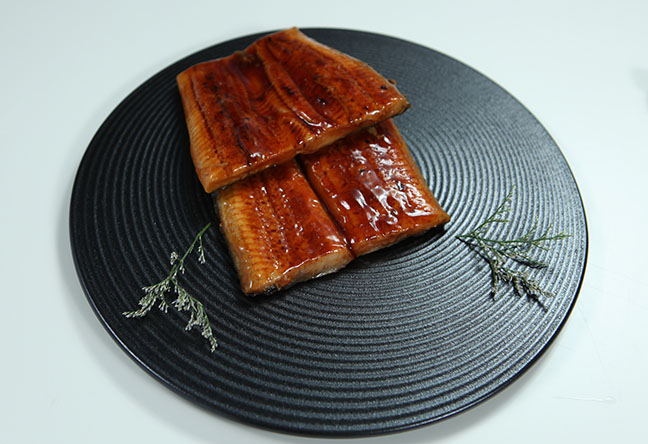
If you're building this sauce for a grilled protein rather than eel specifically, the same reduction logic applies — it's the base a lot of cooks also use when working through fixing common kabayaki sauce mistakes at home.
Common Mistakes When Substituting Tamari
- Using the same volume as soy sauce. This is the single biggest error — it leads to an over-salted, over-thick glaze because tamari's body concentrates faster under heat.
- Skipping the water/dashi adjustment. Without diluting slightly, the umami becomes flat and one-note instead of layered.
- Assuming "wheat-free" equals "gluten-free." These are not the same claim. Always check the label if you're cooking for someone with celiac disease.
- Boiling hard to save time. High heat scorches the sugar in the mirin before the tamari has a chance to round out, leaving a bitter aftertaste.
- Not tasting before the final reduction stage. Salt and sweetness both intensify as liquid evaporates — taste at the halfway point, not just at the end.
Decision Checklist Before You Batch This Sauce
Homemade tamari-based eel sauce works well for small kitchens and personal cooking, but it's not always the right call for every setting. Use this checklist:
- Serving celiac guests regularly? Source certified gluten-free tamari, not just wheat-free — labeling gaps are common.
- Cooking a single dinner service? Homemade reduction is fine; shelf life refrigerated is roughly 1–2 weeks in a sealed jar.
- Running a restaurant menu that needs consistency across shifts? Batch variation in homemade reductions can be a problem — a pre-made, standardized sauce may serve foodservice operations better than rebatching daily.
- Pairing with grilled or roasted eel? Check whether your frozen frozen unagi kabayaki supplier's coating process uses standard soy sauce — most kabayaki roasting, including multi-layer soy-sauce coating methods, is not automatically gluten-free unless specified.
- Need the sauce shelf-stable for retail or export use? That calls for controlled production rather than a stovetop batch — worth checking a supplier's spec sheet before assuming compatibility with a gluten-free menu claim.

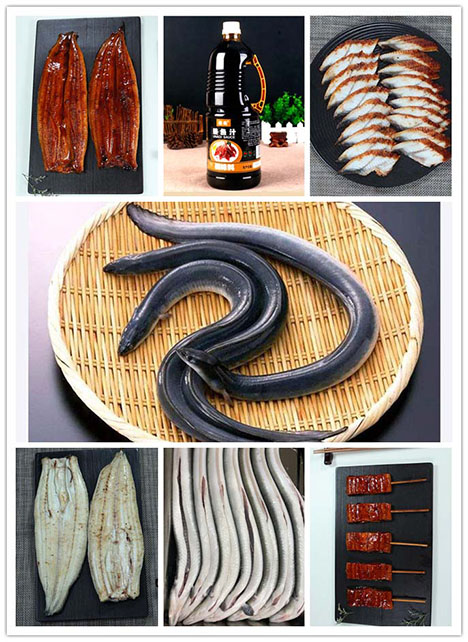
For anyone scaling this beyond a home kitchen — into a restaurant, catering line, or import order — sourcing a consistent base sauce removes the guesswork of daily reductions. Our eel sauce unagi line and frozen kabayaki are produced under ISO 22000:2018 and HACCP-controlled conditions, which matters if you need repeatable specs across every shipment rather than stovetop batches that vary day to day. If you're testing a gluten-free menu concept, it's worth pairing this homemade method with a sample of our standard sauce side by side before deciding which route fits your kitchen better. You can also check the make-ahead and storage tips for extending shelf life once your batch is done.
Want a sample of our eel sauce or a spec sheet for your kitchen trial? Reach out with your target volume and we'll confirm packaging and lead time for you.
 WhatsApp
 sales@chinaeels.com
 +8619937922411