





Why does restaurant unagi come out with that lightly crackled skin, while the same frozen kabayaki reheated at home turns soggy, rubbery, or dried out? The answer isn't the fish — it's the grilling technique. If you're learning unagi how to cook at home, the single biggest variable is which side hits the heat first, and for how long. Get that wrong, and even premium eel tastes flat.
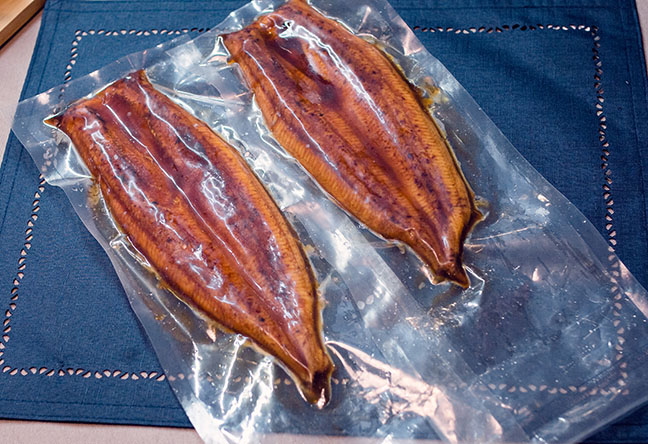
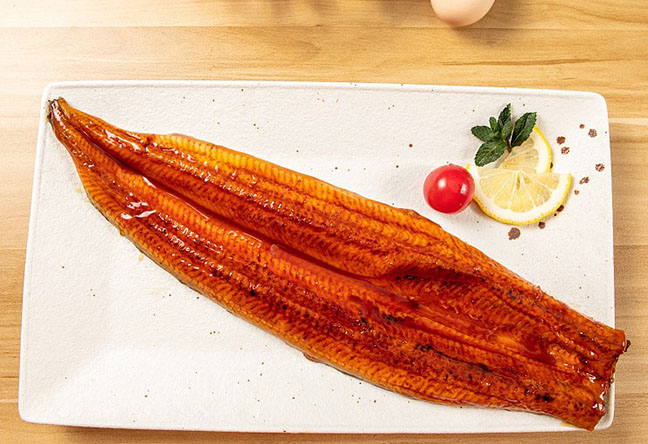
Most kabayaki sold to home cooks and restaurants is already grilled and glazed before freezing. That means you're not cooking raw eel — you're reheating a fully cooked, sauce-coated product. This changes the rules completely.
Raw eel needs enough heat to cook the flesh through without burning the skin. Pre-cooked unagi kabayaki only needs enough heat to re-crisp the skin, warm the flesh, and caramelize the sauce again — without pushing moisture out. Treat it like raw fish and you'll overcook it every time. Treat it like a finished dish that just needs a "second grilling," and you'll get much closer to izakaya quality.
The skin and the flesh of unagi respond to heat very differently. Skin is thin, low in moisture, and full of collagen — it crisps up fast under direct, steady heat. The flesh underneath is fatty, delicate, and loses texture quickly if it's exposed to that same direct heat.
Placing the skin side down first solves both problems at once: the skin gets direct contact with the hot surface (where it can blister and tighten), while the flesh sits one layer removed from the heat, cooking gently through conduction. This is the same principle behind the Maillard reaction that browns the skin without scorching the meat.
| Grilling Orientation | Skin Result | Flesh Result | Best For |
|---|---|---|---|
| Skin-side down first | Lightly crisp, blistered | Tender, evenly warmed | Frozen kabayaki, sushi-style servings |
| Flesh-side down first | Soft, often soggy | Can dry out or overcook | Not recommended for reheating |
| Skin never touches heat directly | Rubbery, chewy | Fine but bland | Steaming or boiling methods only |
The takeaway: if crisp skin with tender flesh is the goal, skin-side down is non-negotiable, whether you're using a pan, a grill, or an oven broiler.
Total active grilling time is usually under 5 minutes — this is reheating, not cooking from raw, so patience with high heat backfires more often than it helps.
Technique only gets you halfway. Starting with consistent raw material matters just as much. When comparing suppliers or products, check these points before ordering:
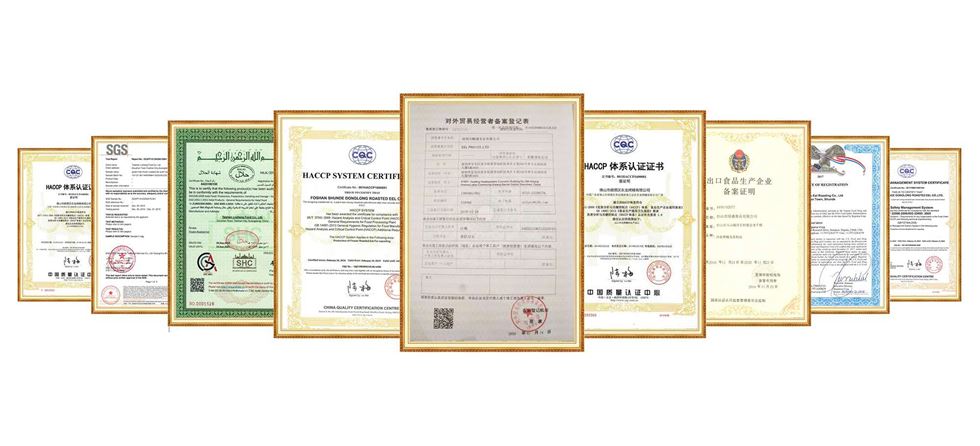
Products built for export markets, produced under in-house lab testing and traceable farming base sourcing, tend to hold texture better through freezing, thawing, and reheating than inconsistent, unbranded stock. That consistency is what makes the skin-side-down method repeatable batch after batch, instead of a lucky result once in a while.
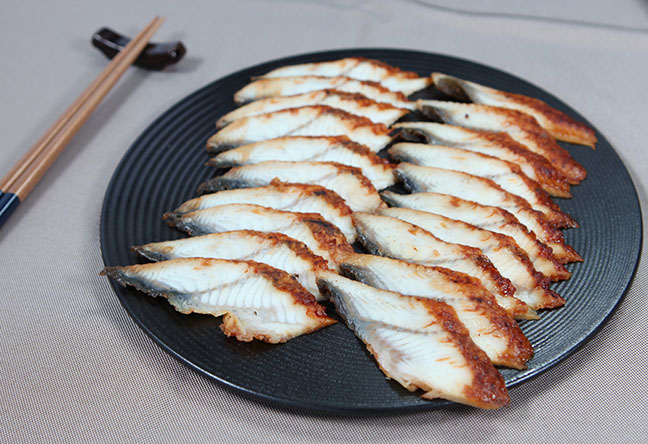
Once you've nailed the grilling step, the rest is assembly. Sliced over rice for a classic donburi, layered into a roll, or tossed into a noodle soup — the crisp-skin technique is the same regardless of the final dish. For readers looking to build out a full menu, our guide on eel noodle soup and the eel teriyaki glaze method both build directly on this base skill.
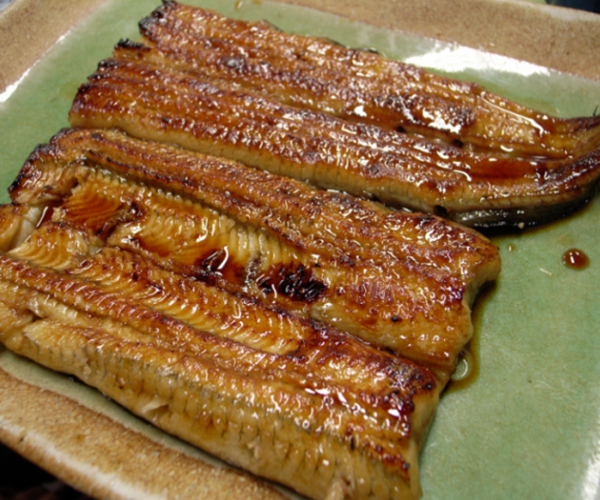
If you're prepping ahead, grill in batches and store unglazed portions separately from the sauce — adding sauce only at the final reheat keeps the skin from going soft in storage. A 1,000-ton-scale cold storage standard used by commercial suppliers is a good benchmark: keep kabayaki at a stable freezer temperature and avoid repeated thaw-refreeze cycles, which is the fastest way to lose the crisp-skin result entirely.
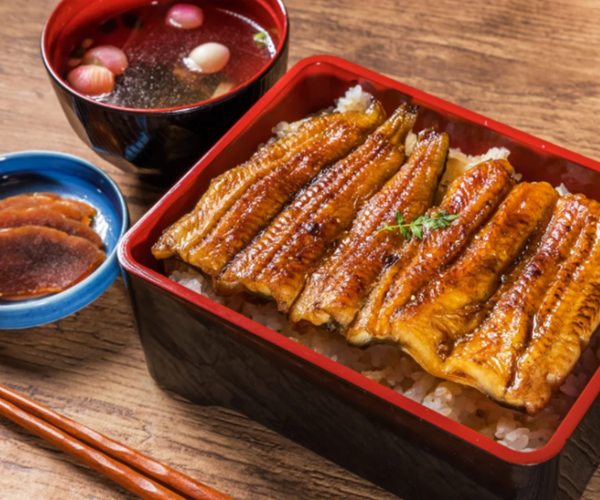
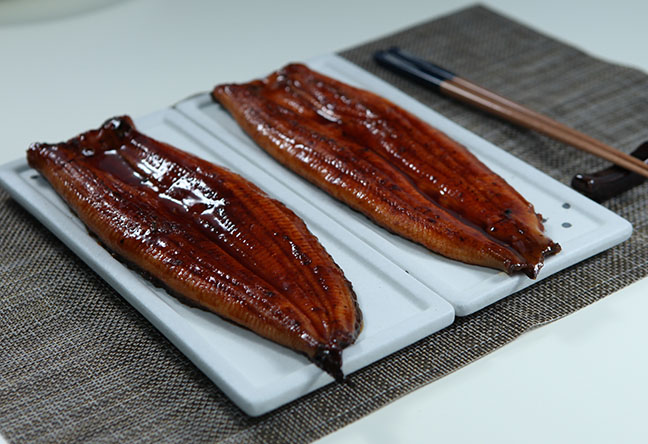
This same logic applies whether you're working with skewers, kabayaki fillets, or cut pieces — the skin-first sequence is what separates a soggy reheat from a restaurant-style finish. For more on flavor building, see our breakdown of the kabayaki sauce process, or browse frozen unagi supply options if you're sourcing for a restaurant or retail program.
Want to test this method on a real batch before committing to a full order? Reach out for a sample pack or spec sheet, and we'll help match the right cut and sauce format to your kitchen's setup.

 WhatsApp
 sales@chinaeels.com
 +8619937922411