





Your eel looked glossy when it entered the pan, then turned firm, stringy, and dry a few minutes later. That frustrating change usually comes from one of three things: heat that is too aggressive, glaze applied at the wrong moment, or a fillet that is thinner than the cooking method can tolerate.
A good unagi kabayaki recipe should leave the eel soft enough to separate with chopsticks, lightly caramelized on the surface, and rich rather than greasy. When it becomes dry, do not immediately add more sauce. First identify what removed the moisture. Sauce can hide a problem for one bite, but it cannot restore an overcooked fillet.
This guide is for home cooks working with prepared frozen kabayaki, roasted eel fillets, or eel portions. It explains how to diagnose a failed unagi kabayaki recipe, what to change on the next attempt, and when the issue may actually begin before the eel reaches the grill.
The fastest way to improve an unagi kabayaki recipe is to inspect the eel before adding extra tare. Different symptoms point to different errors. A dry edge and a dry center are not the same problem.
| What You See | Likely Cause | What to Do Next Time | When This Diagnosis Does Not Apply |
|---|---|---|---|
| Dry edges but a soft middle | The outer edge sat over the strongest heat too long. | Use gentler heat and move the fillet away from the hottest zone once the surface begins to color. | If the edge was dry before reheating, freezer handling or prior cooking may be the cause. |
| Firm, dry flesh across the whole fillet | The eel received too much total heat exposure. | Reheat only until the center is hot and the surface is lightly glazed. | If the fillet has an unusually lean appearance, the raw-material fat level may also affect eating texture. |
| Dark, sticky surface with dry flesh underneath | Glaze was applied too early and cooked for too long. | Warm the eel first, then brush sauce near the end for a short finishing stage. | If the sauce itself is very thick, it may darken quickly even with correct timing. |
| Dry patches on thin tail sections | Fillet thickness was uneven, so thin areas cooked faster. | Protect thin sections from direct heat or remove them from the strongest heat first. | Uniform sushi slices or small cut pieces may require a different reheating approach. |
| Surface looks dull instead of glossy | Too little finishing glaze, or glaze added after the eel had already dried. | Apply a light final coating while the fish is still moist and hot. | A glossy surface alone does not prove that the interior is properly heated. |
For a unagi kabayaki recipe, start with the center texture. Press gently with a chopstick or the back of a spoon. If the flesh flakes apart easily but the edge is dry, reduce direct heat exposure. If the whole piece resists pressure and feels tight, shorten the reheating stage rather than increasing the sauce.
Common mistake: treating every dry result as a sauce problem. Eel sauce provides sweetness, saltiness, and shine. It does not replace moisture lost through overcooking. If the flesh is already tough, a heavier coating may make the top sweeter while the center remains dry.
This is the boundary that matters most when troubleshooting grilled eel: heat intensity, glaze timing, and fillet thickness interact. A thick center can survive brief stronger heat better than a thin tail. A thin piece can stay tender when reheated gently, yet dry out quickly if sauce is brushed on too soon and the surface continues cooking.
Use this order when an unagi kabayaki recipe comes out tough. Check one factor at a time. Changing all three at once makes the real cause harder to find.
The practical conclusion is simple: for an unagi kabayaki recipe, heat should warm the eel, while the final glaze should provide color and shine. When heat is used to force color after the eel has already warmed through, dryness becomes likely.
If you cook eel often, test two similar portions on different occasions. Reheat one portion gently before glazing. On the other, apply sauce from the start. Compare the center texture, surface color, and edge firmness. This small test helps separate a glaze-timing issue from a product or thickness issue.
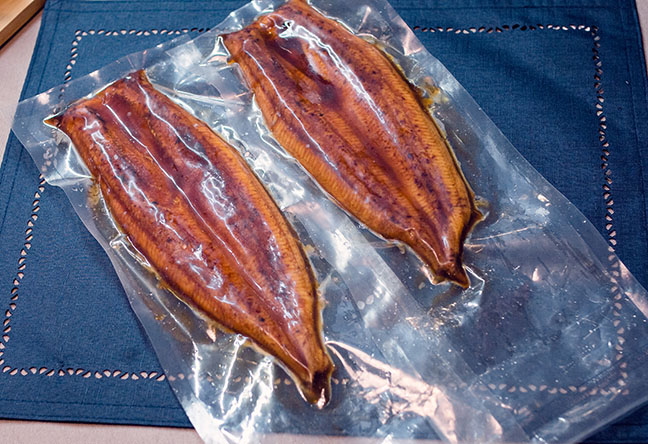
Prepared eel should not be handled like raw fish. A frozen roasted fillet has already passed through roasting and seasoning steps. The purpose of your home cooking stage is controlled reheating and finishing, not a second full cook.
Use this procedure for a prepared unagi kabayaki recipe when dryness has been a recurring problem:
This approach suits frozen roasted kabayaki and other ready-to-heat eel products. It does not replace safe handling instructions on the pack. Follow the supplier’s storage and preparation directions, especially when using a product that is not fully cooked.
For more detail on product formats, visit our unagi kabayaki product page. Fillet size, cut style, and packaging format can affect the best reheating method.
In a classic unagi kabayaki recipe, tare is more than a finishing condiment. It helps create the familiar dark sheen and sweet-savory aroma. But it must be treated as a finishing tool when reheating prepared eel.
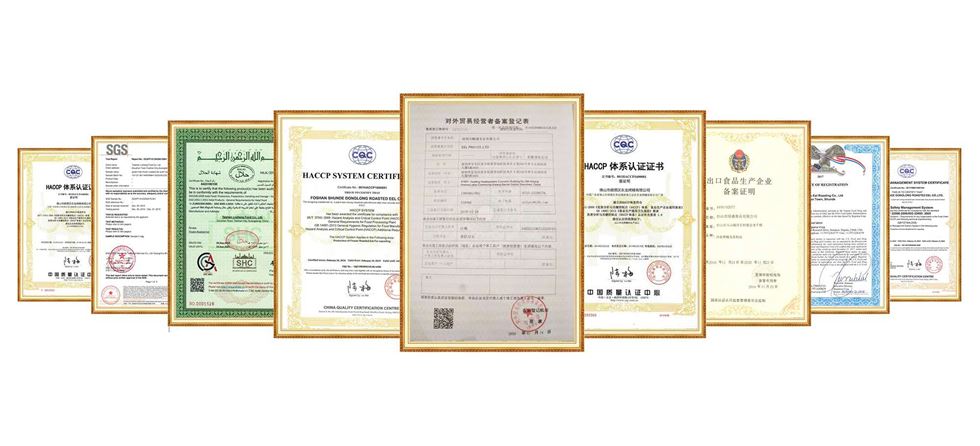
HACCP food safety systems focus on controlling hazards during food production, while home cooking calls for careful temperature control and clean handling. At Eelpro, our production systems are certified to ISO 22000:2018 and HACCP requirements, and our export-grade roasting process uses four controlled soy-sauce coating stages. That factory process is carefully managed. A home grill, pan, or oven can behave very differently, especially when its hottest zone is concentrated in one small area.
The best choice is usually to keep the first reheating stage light, then use sauce for the finish. This works when the eel is already seasoned and roasted. It is less suitable if you are making a sauce from scratch and need to reduce it separately first. In that case, reduce the sauce away from the fish, then brush it onto the hot eel at the end.
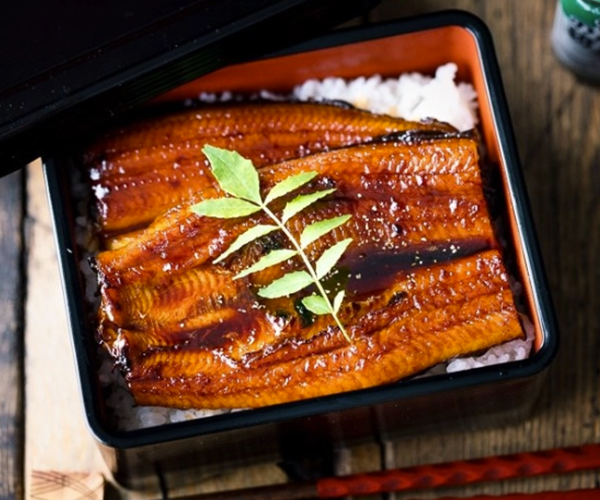
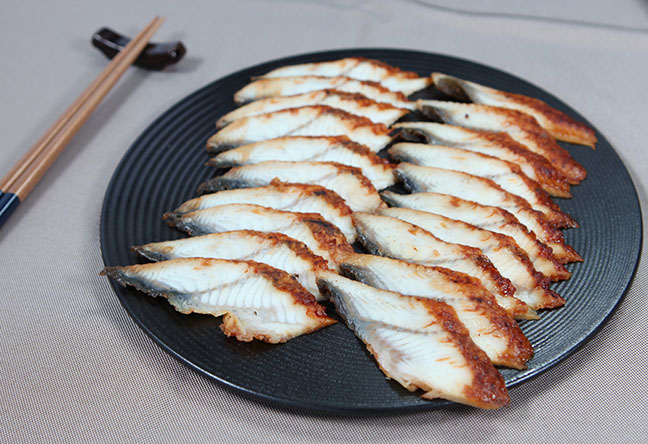
Cold fact: a darker surface does not automatically mean better kabayaki. It may mean the sugars in the glaze cooked longer. A properly finished unagi kabayaki recipe should look glossy, but the more useful quality check is beneath the glaze: the flesh should remain soft, moist, and easy to separate.
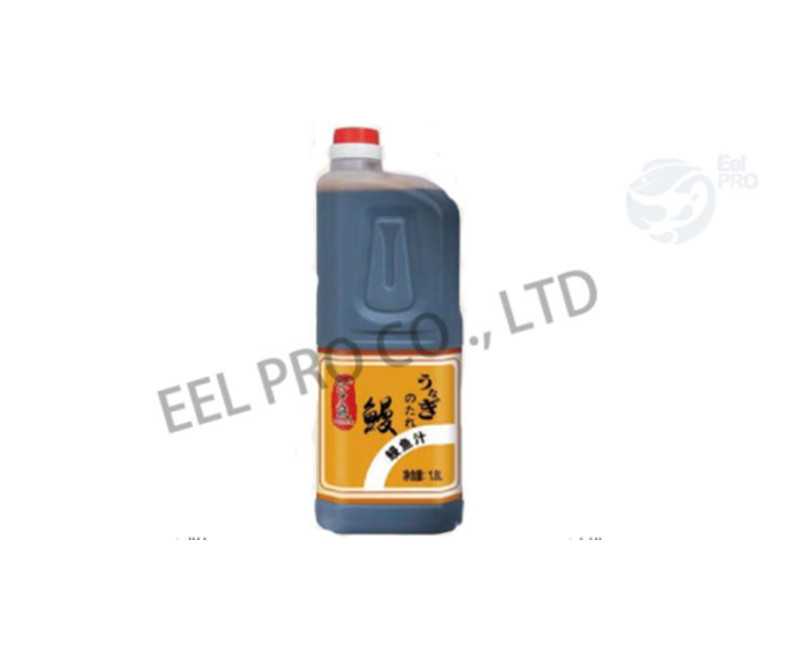
If your sauce tastes flat rather than burnt, do not solve that by leaving the eel on the grill longer. Adjust the sauce itself. Our eel sauce product page and this article on kabayaki sauce explain how sauce supports the finished dish without replacing correct cooking control.
Some dry results begin with an unsuitable portion. A thin, irregular piece may be excellent in a bowl, noodle dish, or sushi roll, but less forgiving under direct grilling than a more even fillet.
| Eel Format | Best Use | Why It Helps | Watch Out For |
|---|---|---|---|
| Whole or broad fillet | Rice bowls and plated kabayaki | More even thickness makes reheating easier to control. | Thin edges still need protection from direct heat. |
| Cut pieces | Rice bowls, lunch boxes, and mixed dishes | Portioning can speed up reheating. | Small pieces can dry quickly if left under heat after glazing. |
| Sushi slices | Sushi and cold or lightly warmed preparations | Uniform cuts support neat assembly. | They are not ideal for long grilling. |
| Shredded or strip-cut eel | Noodles, egg dishes, and toppings | Works well when folded into a moist dish. | Direct dry heat can toughen small strands fast. |
For a dependable unagi kabayaki recipe, select a portion based on the final serving method. If you want a dramatic grilled fillet over rice, choose an even piece. If you are making noodle soup, smaller cuts may be more practical because the broth supplies moisture and the eel does not need prolonged direct heat. Try this unagi ramen: japanese eel noodle soup guide for another way to use eel without over-grilling it.
A successful unagi kabayaki recipe is not about pushing the eel until it looks darker. It is about stopping when the flesh is warm and tender, then letting a final brush of sauce bring the familiar kabayaki shine. If you are sourcing prepared eel for home cooking, foodservice, or retail, Eelpro supplies frozen unagi kabayaki produced with controlled roasting, standardized cuts, and full-chain traceability from registered farming bases to shipment.
Explore our unagi kabayaki manufacturer page or request product and cut-selection advice for your next menu or retail range.
 WhatsApp
 sales@chinaeels.com
 +8619937922411