





Why Eel Unagi Sauce Thickens As It Cools And How To Get The Brushing Consistency Right
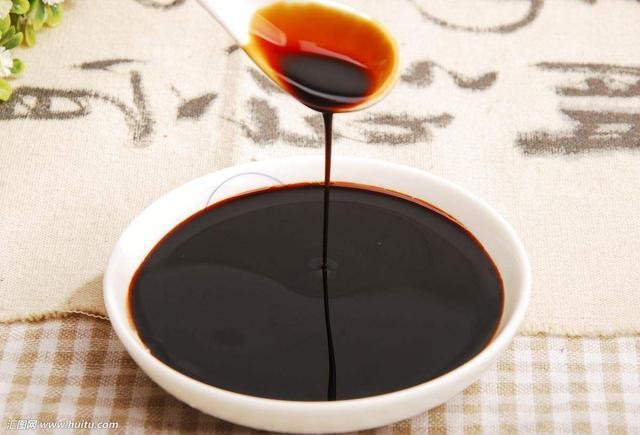
You pull the pan off the stove, the eel unagi sauce looks perfectly pourable — then five minutes later it's gone syrupy, almost gluey, clinging to the spoon like caramel. Did you overcook it? Undercook it? Neither, actually. This is normal chemistry, and once you understand what's driving it, you can control the texture on purpose instead of guessing every time you make a batch.
This happens with any reduced glaze — teriyaki, hoisin-based marinades, and classic Japanese unagi tare all behave the same way. But because unagi sauce is brushed onto hot, oily grilled eel in thin layers, small viscosity differences show up fast: either it slides right off the fillet, or it sits so thick it burns before the fish finishes cooking.
The Science Behind Thickening: Sugar, Temperature, and Cooling Speed
Three variables decide how your sauce behaves once it hits room temperature or the fridge. Get any one of them wrong and the whole batch texture shifts.
| Parameter | What It Actually Controls | If Too Low | If Too High | Practical Target |
|---|---|---|---|---|
| Sugar concentration | Water-binding capacity — sugar is hygroscopic, meaning it traps moisture and thickens as the mix cools | Thin, watery glaze that won't cling to the skewer | Stiff, near-solid on cooling; can crystallize at the edges | Roughly 55–60% sugar solids for a glaze-style tare |
| Reduction temperature | Rate of moisture loss and how much Maillard reaction browning develops | Pale, thin sauce that still tastes raw and overly salty | Scorched, bitter sauce that seizes and won't smooth back out | Gentle simmer, never a rolling boil |
| Cooling rate | How fast the sugar-water network sets into its final texture and brushability | Sauce judged "done" while still hot stays runny once served | Cooling too fast in a cold bowl sets it unevenly, leaving lumps | Rest at room temperature 15–20 minutes before final check |
Here's the part most home cooks miss: sauce always looks thinner while hot. Sugar syrup viscosity is temperature-dependent — it can drop by half for every 10°C rise. So judging thickness straight off the stove is the single biggest reason people either overcook or undercook a batch.
Common Mistakes That Ruin Sauce Texture
- Boiling instead of simmering — a rolling boil scorches sugar fast and turns the sauce bitter before it thickens properly.
- Judging thickness while the sauce is still hot — always cool a test spoonful first.
- Adding cornstarch to "fix" a thin batch — this makes the glaze cloudy and gummy instead of glossy; unagi tare is meant to thicken from sugar reduction, not starch.
- Storing hot sauce directly in a sealed jar — trapped steam condenses back into the sauce and thins it out over time.
- Changing the soy-to-sugar ratio between batches — inconsistent ratios are why the same "recipe" turns out different every time.
Step-by-Step: Reducing Unagi Sauce to the Right Brushability
- Combine soy sauce, mirin, sake, and sugar in a saucepan over medium-low heat.
- Bring to a gentle simmer — small bubbles at the edges, not a boil.
- Reduce until the volume drops by roughly one-third, stirring occasionally to prevent scorching at the bottom.
- Test by dipping a spoon and drawing a line through the coating on the back — it should hold a clear path for a second or two.
- Remove from heat and let it rest at room temperature for 15–20 minutes.
- Re-check the consistency once cool. Only bottle or store after this rest.
If you're building flavor layers rather than a single reduction, the same principle applies at each pass — this is close to how commercial kabayaki sauce is built through repeated coating and controlled temperature steps, rather than one long boil.
Fixing a Batch That's Too Thick or Too Thin
Scenario 1 — Sauce turned into jelly overnight in the fridge. This is a sugar-concentration problem, not spoilage. Warm it gently in a double boiler with a tablespoon of water, whisking until it loosens back into a glaze. Avoid the microwave on high — uneven heating can scorch pockets of sugar before the rest even melts.
Scenario 2 — Sauce is still runny after the 20-minute rest. Return it to low heat and simmer another 3–5 minutes, then cool and test again. Resist the urge to crank the heat to speed things up — that's how you end up with the bitter, scorched version instead.
Cold Knowledge: What Actually Thickens Unagi Tare
Most people assume a thickened glaze needs flour or cornstarch. Traditional eel unagi sauce doesn't. The thickening comes almost entirely from sugar's ability to bind water as the mixture cools — the same mechanism behind candy syrup stages. That's also why sauce made with less sugar, even if reduced longer, will always stay thinner than a higher-sugar batch reduced for less time.
Buyer's Checklist: Choosing a Store-Bought Eel Unagi Sauce
For home cooks who'd rather skip the stovetop guesswork, or for foodservice buyers sourcing at volume, consistency between jars or drums matters more than any single recipe. Before ordering, check:
- Batch-to-batch viscosity consistency — ask the supplier how their reduction and coating steps are temperature-controlled.
- Ingredient transparency — a clean label without starch fillers used as a shortcut fix.
- Cold-chain handling — sauce and kabayaki shipped and held under proper refrigeration, not just at ambient temperature during transit.
- Food safety system backing — certifications like ISO 22000 and HACCP indicate the process is documented and audited, not just eyeballed.
- Lab or QC visibility — for commercial orders, ask whether the producer can show traceability or lab testing records.
Eelpro's roasting line applies a 4-layer soy-sauce coating process with temperature-controlled steps precisely to keep viscosity and color consistent from batch to batch — a similar logic to what's outlined above, just scaled up for production. The company's in-house lab and 1,000-ton cold storage facility exist to hold that consistency through shipping, which matters if you're buying eel sauce or frozen unagi kabayaki in bulk rather than making a single batch at home.
If you're troubleshooting a specific batch that tastes off rather than just texturally wrong, this flavor mistakes guide covers the seasoning side, and this make-ahead and storage guide covers how long a batch actually keeps once it's cooled and jarred.
About the author: Nancy Chen is a Senior Food Safety & Quality Specialist with 12+ years in seafood export quality assurance, an ISO 22000 & HACCP certified auditor, and oversees quality control systems for eel and seafood exports to Japan, US, and EU markets.

Got a batch that won't cooperate, or curious how the sauce compares to store-bought tare? Drop your question in the comments — or check the unagi ramen guide for another way to put a thinner test batch to good use.
 WhatsApp
 sales@chinaeels.com
 +8619937922411