





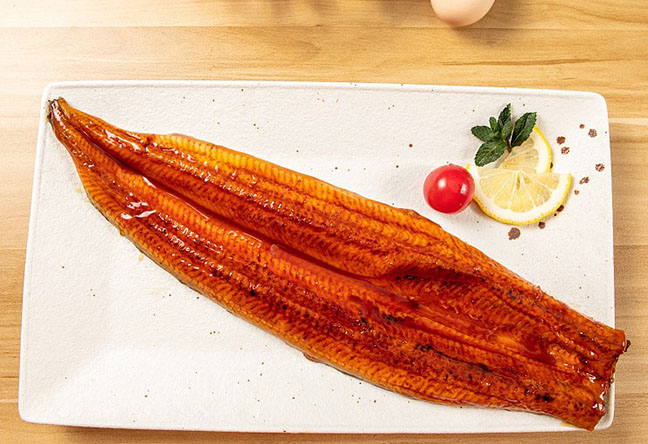
Take a bite of glazed unagi kabayaki. The flesh is soft, almost melting. You think: wait, does this thing even have bones? You’re not alone. Plenty of people assume eels are invertebrate wrigglers—like worms. That’s a huge mistake. And once you understand what’s really under that slippery skin, you’ll look at your next eel fillet with a new kind of respect.
Do eels have backbones? Absolutely. They are vertebrate fish, complete with a well-developed internal skeleton. If you think about it, an eel is not some primitive blob. It’s a true fish with gills, fins, and a spine that runs from head to tail. The confusion starts because the skeleton is slender, radically flexible, and almost invisible in a cooked fillet. But it’s there.
I’ve seen plenty of first-time buyers at Eelpro Co., LTD freeze when they unpack a whole frozen eel. They expect a boneless strip of meat. In reality, the central spine is a defining feature of eel anatomy. And for chefs, that spine is what makes dishes like hitsumabushi a textural masterpiece.
Eel skeleton structure is pure engineering. Long, lean, built for tight spaces. Unlike the rigid framework of a tuna, an eel’s bones are designed to bend sideways in a snakelike wave. Let’s break it down.
The eel spine isn’t just a single rod. It’s a chain of over 100 vertebrae. Some species push past 150. To give you perspective, adult humans have 33. The sheer number of segments is what grants that serpentine motion. Each vertebra connects to thin, needle-like ribs. These ribs are so fine you barely notice them in a cooked unagi fillet—unless you’re actively looking.
Cold fact: The eel’s backbone is so flexible it can tie itself in a knot. Literally. Juvenile eels sometimes do this to escape predators. Try picturing a salmon doing that.
This varies. A typical Japanese freshwater eel (Anguilla japonica)—the superstar behind our frozen unagi kabayaki—carries between 100 and 119 vertebrae. The European eel often hits 110-120. What’s wild: an eel keeps adding vertebrae as it grows, even in adulthood. Most fish stop at some point. Not these. The backbone is a lifelong construction project.
If you’re reading this, you care about what lands on the plate. Eel anatomy directly impacts texture, preparation, and that golden moment when sauce hits the grill.
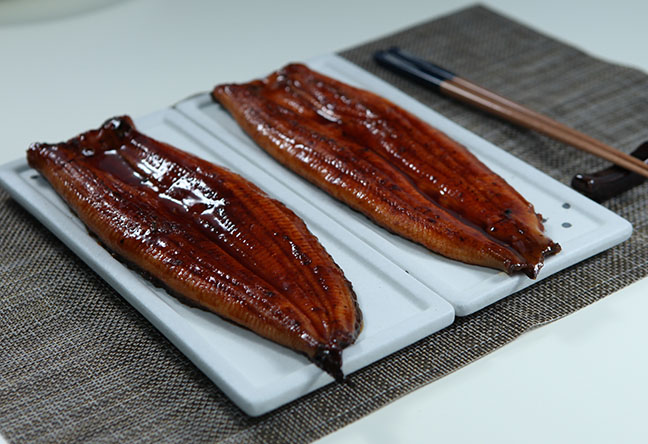
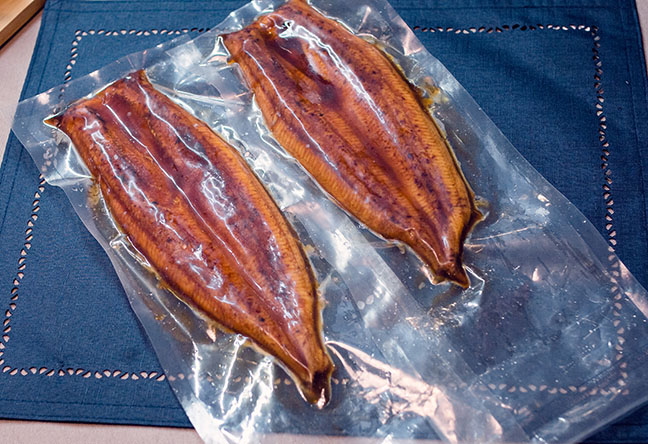
Supermarket eel fillets can trick you. Some are processed to remove the spine completely for nervous eaters. But high-end unagi kabayaki—the kind we export from Eelpro—often keeps the central backbone in place. Why? Because during the traditional steaming and grilling process, the bones soften enough to eat. You get a gentle, almost cartilaginous crunch. That’s authentic. When you buy our frozen unagi kabayaki, you’re not getting mushy protein paste. You’re getting a true vertebrate fillet with its skeleton intact. It cooks better. It holds our eel sauce differently.
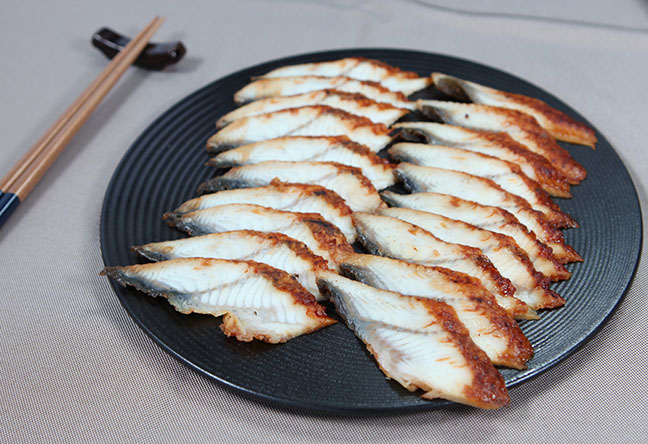
Simple trick: flip your cooked eel piece over. Look for a pale, translucent line running down the center. That’s the eel spine. If you gently pinch the flesh from the sides, you’ll feel the knob of each vertebra. A fake or overly processed product will lack this—just homogenous flesh. Next time you whip up eel noodle soup, check your slices. The backbone should be visible yet tender enough to break with chopsticks.
Misinformation runs deep in the seafood world. I’ve heard things like “eels are just sea snakes, so they’re boneless.” Let’s clean that up.
Snakes do have bones. Hundreds of them. So the comparison itself is flawed. But the myth persists because cooked eel flesh separates so easily from the bone. Someone eats unagi, doesn’t notice the spine, and assumes it’s an invertebrate. Nope.
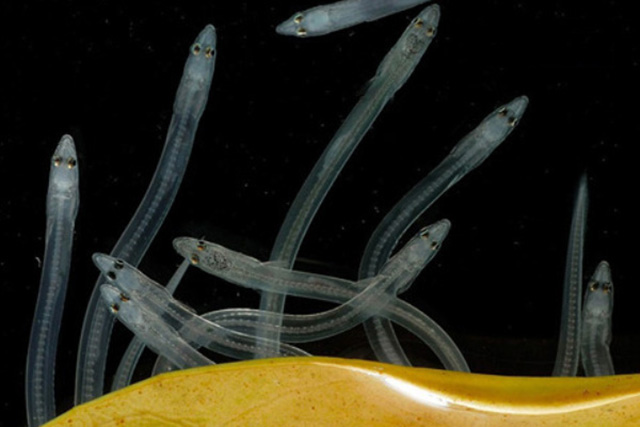
This is one of the top questions: are eels vertebrates or invertebrates? They are vertebrates, period. Phylum Chordata, subphylum Vertebrata. An eel has a cranium, a segmented vertebral column, and a complex nervous system protected by that column. If it swims with a backbone, it’s a vertebrate fish. No debate. Even larval eels (leptocephali) start transparent but already possess a rudimentary notochord that becomes the backbone.
Eels have a bony skeleton, just like salmon or cod. The eel skeleton is composed of a skull, a long vertebral column with many vertebrae, and fine ribs. It’s not cartilaginous like sharks. The bones are thin and highly articulated, which is why the body bends so smoothly. This is exactly what kind of skeleton do eels have experts refer to when they classify them as teleost fish.
The backbone operates as a series of flexible joints. Each vertebra connects via small ligaments and muscles, allowing lateral undulation. In simple terms: the eel contracts muscles on one side, and the spine translates that pull into a wave. This is how an eel spine powers both slow creeping along the riverbed and explosive bursts to snatch prey. Remarkably, the backbone can withstand extreme bending without dislocating—a feature that fascinates bioengineers.
As explained above, eels are vertebrate fish. The question “are eels vertebrates or invertebrates” pops up constantly because their shape is deceptive. But an eel’s backbone is as real as yours. Next time someone asks, you can point to the central bone in a well-prepared unagi fillet. Better yet, reference the kabayaki sauce secrets that cling to those bone-rich cuts.
Do eels have backbones? Yes, and that backbone is the architectural marvel that allows eels to navigate rivers, oceans, and even slither across damp grass. It’s why their meat has structure, why eel anatomy matters in a kitchen, and why a quality frozen unagi fillet from Eelpro Co., LTD delivers an eating experience that boneless imitations can’t touch.
When you hold a piece of our unagi kabayaki, you’re holding a vertebrate masterpiece. The spine isn’t a fault; it’s a feature. It tells you the eel lived, swam, and grew naturally. And when you brush on our house-made tare, that sauce seeps into the tiny gaps around the vertebrae, amplifying flavor in a way that only an intact skeleton can.
Curious about how to make the most of that backbone-rich texture? Try the eel noodle soup recipe—the hot broth tenderizes the bones perfectly. Or explore our full range of unagi kabayaki and eel sauce to elevate your next Japanese feast.
What’s your experience with eel bones—love the crunch or prefer them out? Share your take below.




 WhatsApp
 sales@chinaeels.com
 +8619937922411