





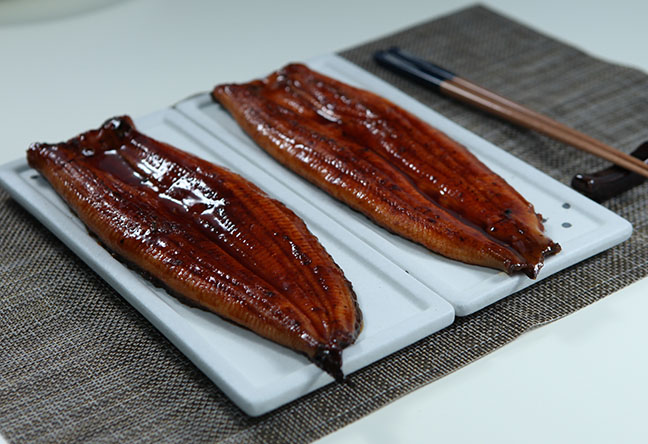
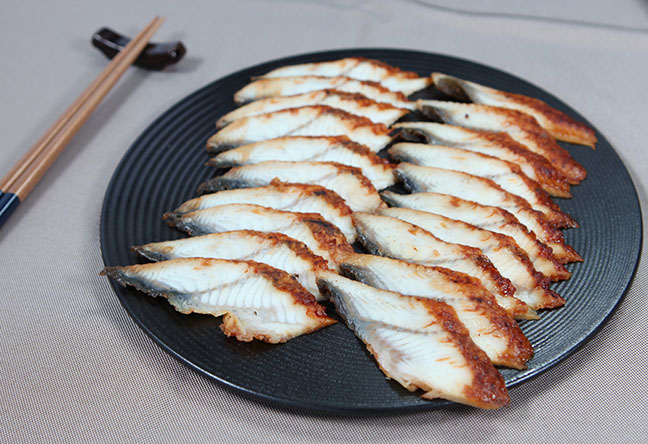
You lift a slice of glistening unagi, the grilled eel dripping with dark, glossy tare sauce. As it melts on your tongue, a sudden thought freezes your chopsticks: wait — does eel have bones? And if it does, am I about to swallow something sharp? Don’t panic. That moment of hesitation is more common than you think, and the answer is both a yes and a no — and it’s exactly what makes the difference between a cheap eel fillet and a truly premium unagi experience.

First, some eel honesty. Eels are fish, and like nearly every fish, they have a spine, ribs, and — here’s the surprise — loads of ultra-fine "pin bones." But eel bone structure isn't like a stiff, thorny salmon skeleton. Freshwater eels (unagi) have a central backbone, plus between 100 and 150 hair-thin intermuscular bones running horizontally through the flesh. These aren’t the thick, needle-like bones you find in carp. The eel’s pin bones are soft, flexible, and almost invisible when raw. In traditional grilled eel shops, chefs know that slow-grilling and steaming can soften these bones enough to make them unnoticeable. Still, if you’re serving a global audience or a family with kids, “soft” isn’t good enough — you want them gone. That’s where industrial deboning changes everything.
An eel’s primary skeleton consists of a skull, a spinal column, and fine ribs that branch outward. These are easy to see and can be removed with a single filleting motion. Any skilled processor can do it in seconds. The real challenge lies deeper.
Those 100-plus intermuscular bones, sometimes called Y-bones or floating bones, are embedded in the muscle fibers, especially in the upper back half of the eel, near the tail section. If you’ve ever tried cutting a raw eel yourself, you know exactly what I mean — your knife almost glides through, but the tiny white bumps tell you the job’s not finished. These are the eel bones that worry people. Eating them raw is nearly impossible; cooked lightly, they feel like fine grit. But with the right technique, a fillet can be turned into a completely boneless eel.
Here’s the part most consumers never see. Large-scale processors, like those behind frozen unagi kabayaki, treat deboning as a non-negotiable science. The process typically goes like this:
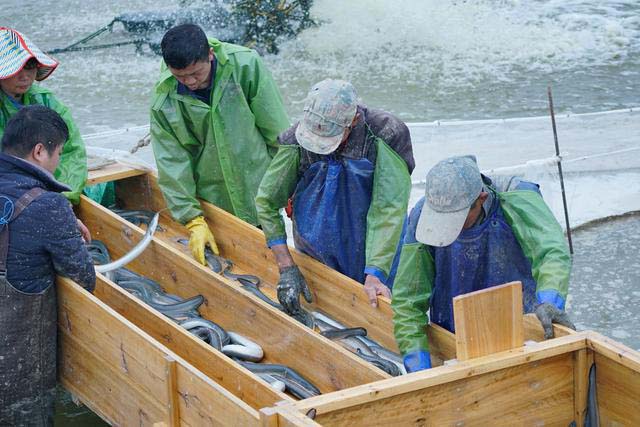
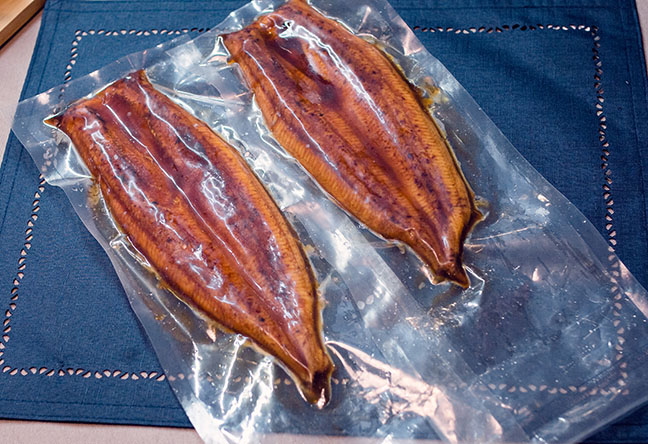
First, the live eel is stunned, gutted, and the head removed. Then the backbone and obvious ribs are lifted out in one strip. After that, the fillet is scanned — either by experienced eyes and tweezers, or by automated pin-bone pullers that grip hundreds of tiny bones at once. In premium production lines, mechanical deboning removes over 99% of eel bones, leaving a fillet that's smooth from tip to tail. The fillet is then washed, trimmed, skewered, broiled, and steamed before being flash-frozen. This isn’t just cleaning — it’s an engineered promise. When you unbox a vacuum-sealed pack of unagi, you’re looking at what we call a true boneless eel product.

The short answer: high-quality prepared unagi is always deboned. Lower-grade fillets? Sometimes not. If you’re buying a whole fresh eel from a local market, you’ll need to handle the eel bones yourself — and trust me, that’s a two-hour job with a fishbone tweezer and a lot of patience. But for importers, restaurants, or home cooks reaching for a frozen eel product, the standard has shifted. Most commercial packs, especially those destined for export from reliable suppliers, are already deboned eel. Look for labels that explicitly state “boneless” or “pin-bone removed.” Still, there’s a catch: “boneless” can sometimes mean the main skeleton is out, but a few tiny soft pins remain in the tail.
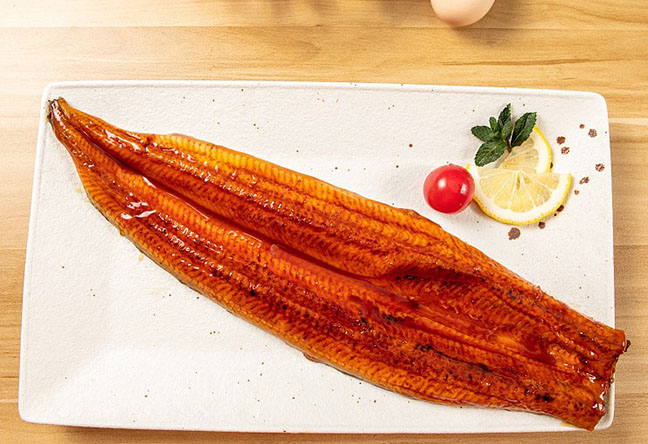
That’s where knowing your supplier pays off. A processor that controls the entire chain — from live eel handling to final freezing — can guarantee a 100% clean fillet. If you’re ever unsure, run a thumb lightly over the raw or thawed fillet. You’ll feel any hard spots instantly. A perfectly finished fillet is uniformly smooth, ready for the grill or oven, and pairs beautifully with a vibrant eel sauce without any fear of an unpleasant crunch.
Let’s address the worry directly. In almost all cases, the fine eel bones are not dangerous — they’re more of a textural nuisance. The intermuscular bones are made of soft collagen and calcium that break down when exposed to high heat twice (broiling and steaming, as in the kabayaki method). Chew well and they dissolve. However, the larger spinal bones or rib remnants can be sharp if swallowed whole. For small children or elderly diners, even soft pin bones can be a choking worry. That’s why fully deboned eel is non-negotiable for foodservice and family meals. The good news: when you source from a brand that takes eel bones seriously, the chance of finding a sharp bone is close to zero.
One more tip from the kitchen: never try to crunch through a noticeably hard bone found in a grilled fillet. Instead, slide your chopsticks sideways and lift it out — much like you would with a fish. But honestly, with a quality frozen unagi, you’ll rarely need to do that. We’ve seen feedback from chefs across three continents: once they switch to a truly boneless frozen product, not a single customer has asked "does this have bones?"
A: Generally, no. The tiny pin bones are soft and break down during cooking. However, larger spinal bones can be sharp and should be removed. Because of this, manufacturers target a boneless eel standard to eliminate any risk. Always check packaging for “boneless” if you’re serving kids.
A: After the backbone is pulled out, specialized machines — or skilled hand-workers — use fine-tipped tweezers or pressurized water to dislodge the hundreds of intermuscular bones. The process is fast but meticulous, leaving behind a clean fillet. You can trace this entire quality chain in products like our unagi kabayaki, where deboning is a core step before steaming and freezing.
A: Almost all export-grade frozen unagi is fully deboned. If you’re buying from a reputable frozen seafood supplier, you can trust it’s been done. For whole fresh eels from a fishmonger, assume bones are present. In that case, marinate, grill, and carefully pick out any large bones. But for convenience and safety, a pre-grilled, deboned frozen fillet is the way to go.
Oddly enough, a rich tare sauce doesn’t just bring flavor — it also helps you sense any missed bones. The sticky texture of a good sauce coats the fillet and transmits the slightest irregularity to your chopstick tips. If you’re perfecting your own unagi bowl, using a balanced eel sauce product page as your base lets you focus on the fish itself. And if you want to know why the sauce matters as much as the fillet, our deep dive into kabayaki sauce secrets explains how sweetness, soy, and mirin create that lacquered finish — no bones left to hide.
So, back to that first question: does eel have bones? In nature, absolutely. On your plate, it shouldn’t. A well-processed unagi fillet is as boneless as a chicken breast — and that’s the standard you deserve. Whether you’re topping sushi rice, tossing eel into a noodle bowl, or just craving that umami-rich bite, always start with a product that’s been fully deboned. It saves time, eliminates worry, and lets the lush, buttery texture of eel shine through.
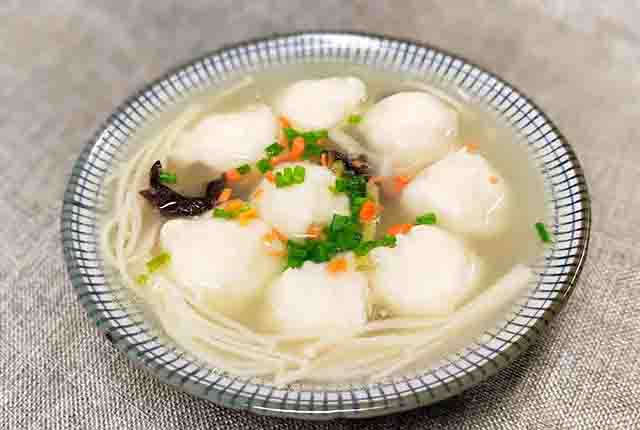
Ready to enjoy a zero-fear eel experience? Explore our frozen unagi range, paired with classic homemade eel sauce, and bring restaurant-quality donburi home. For recipe inspiration, don’t miss our step-by-step eel noodle soup recipe — it’s the perfect weekend project, no bone-twisting required.


 WhatsApp
 sales@chinaeels.com
 +8619937922411