





The bowl arrives with glossy eel, steaming rice, and a sweet-smoky aroma that fills the room. Then comes the question: should you mix it, lift the bowl, or eat the eel first? This guide explains unagi donburi etiquette, so your next Japanese eel meal feels natural, respectful, and delicious.
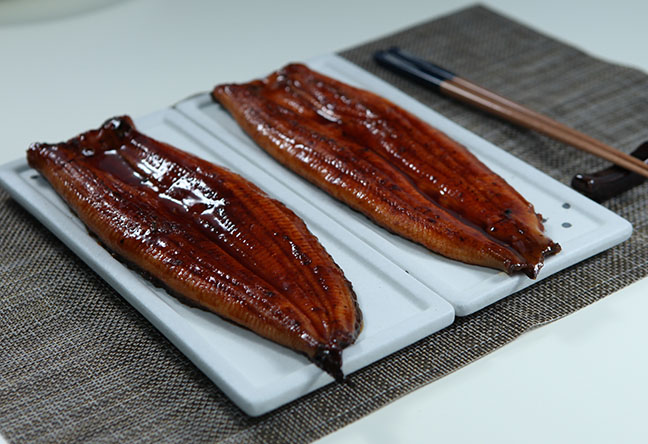
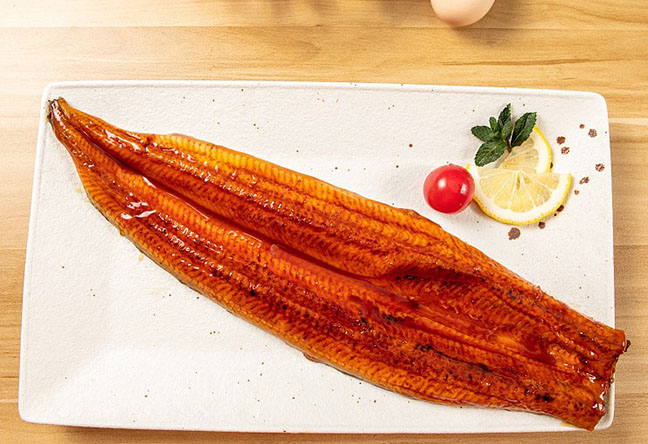
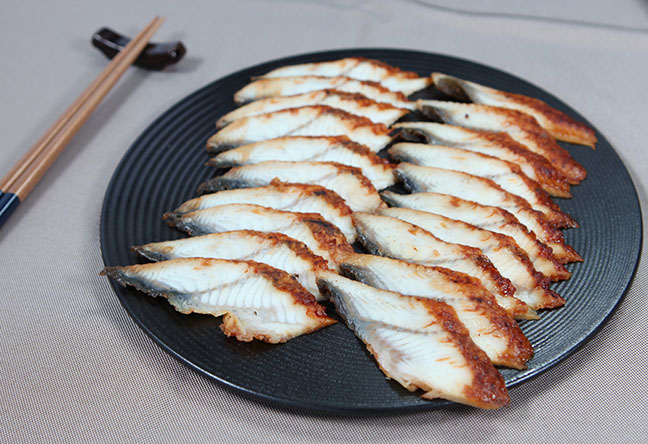
Unagi donburi is a Japanese rice bowl topped with grilled freshwater eel. The eel is usually prepared in the kabayaki style: filleted, grilled, brushed with a sweet soy-based sauce, then grilled again until the surface is glossy and lightly caramelized.
The dish may also be called unadon, a shortened name formed from unagi, meaning eel, and don, meaning rice bowl. Some restaurants serve eel in a lidded lacquer box rather than a round bowl. In that case, it is often called unaju. The presentation changes, but the meal remains much the same: steamed rice, glazed eel, and a few thoughtfully selected side dishes.
A Japanese eel bowl is not usually treated like a casual pile of toppings. The rice supports the eel, catches the sauce, and balances the fish’s richness. Every element has a purpose.
When the dish arrives, pause for a moment before picking up your chopsticks. If it has a lid, lift it and take in the color and aroma of the eel. Well-grilled kabayaki has a deep brown glaze, faintly charred edges, and a tender, moist surface. The rice should be hot and fluffy, never wet or mushy.
This is not a formal ritual. It is simply a pleasant part of the meal. Japanese cuisine often invites diners to appreciate a dish’s appearance before the first bite, especially when it has been carefully arranged.
Use your chopsticks to separate a manageable piece of eel, then take it with some rice rather than finishing the eel first. That combination is the heart of the dish: rich fish, warm rice, smoky char, and sweet soy sauce in a single bite.
There is no need to stir the bowl. Unlike mixed rice dishes, unagi donburi is generally served in visible layers meant to stay intact. If extra sauce is provided, add a little at a time. Too much can overwhelm the eel and leave the rice soggy.
Common accompaniments include sansho pepper, shredded nori, green onion, pickles, and a small amount of Japanese pepper. Sansho has a fresh, citrus-like aroma and a gentle tingling sensation. Try a light sprinkle on one or two bites before adding more.
Some restaurants serve broth or dashi so the final portion can be enjoyed as ochazuke-style eel rice. When that option is available, diners often divide the bowl into portions and change the flavor near the end with broth, tea, or condiments. If a separate ochazuke set is provided, follow the restaurant’s suggested method.
A classic set may include the eel bowl, clear soup or miso soup, Japanese pickles, and a small side dish. There is no strict ceremonial order, but this sequence feels comfortable and natural:
Soup may be eaten with a spoon or sipped directly from the bowl, depending on the restaurant and the soup itself. With miso soup, it is perfectly acceptable in Japan to lift the bowl with one hand and drink the broth. Use chopsticks for the solid ingredients.
For the main rice bowl, a small bowl may be lifted closer to the mouth, but do so carefully. A large restaurant bowl or lacquer box is usually left on the table while you eat with chopsticks. If you are unsure, keep the bowl down and take smaller bites.
Good donburi dining etiquette is mostly about keeping the meal tidy and being considerate of those around you. Rest chopsticks on the provided holder when they are not in use. Do not wave them while speaking, point with them, or use them to spear pieces of eel.
Avoid passing food from one pair of chopsticks to another. That gesture is associated with a Buddhist funeral custom and is inappropriate at the dining table. It is also best not to stick chopsticks upright in a bowl of rice.
Do not rub disposable chopsticks together in front of your dining companions. If there are rough edges, deal with them quietly. When using a shared sauce container, return it to its original place rather than leaving it beside your own setting.
Slurping soup or noodles can be acceptable in Japan, but there is no need to make noise while eating rice and eel. Take your time. Unagi is soft, and its glaze may be quite hot when freshly served.
At a counter-style eel restaurant, take cues from the staff. The chef may place the bowl, sauce, pepper, and pickles in a particular arrangement. Keep the counter clear, and avoid rearranging dishes unless you need room.
Unagi meal customs are closely associated with summer in Japan. The best-known tradition is eating eel around Doyo no Ushi no Hi, often translated as the Day of the Ox during the summer period. The date changes each year under the traditional calendar, though it usually falls in July or early August.
Why eel? During hot weather, people have long turned to filling, protein-rich foods for energy. A popular saying encouraged eating foods that begin with the Japanese sound “u” during summer, including unagi. The custom became especially well known through restaurant promotion in the Edo period and remains a popular seasonal occasion today.
That does not mean eel is eaten only in summer. Restaurants serve it year-round. Winter eel can also be excellent, depending on its source, fat content, and handling. For foodservice buyers, the more useful question is not simply “Is it summer?” but whether the product delivers consistent size, texture, glaze, and supply.
At home, unagi may appear on a weekend evening, at a celebration, or whenever someone wants a quick but satisfying meal. A ready-to-heat frozen unagi kabayaki portion can be served over freshly steamed rice in minutes, with cucumber salad and miso soup alongside.
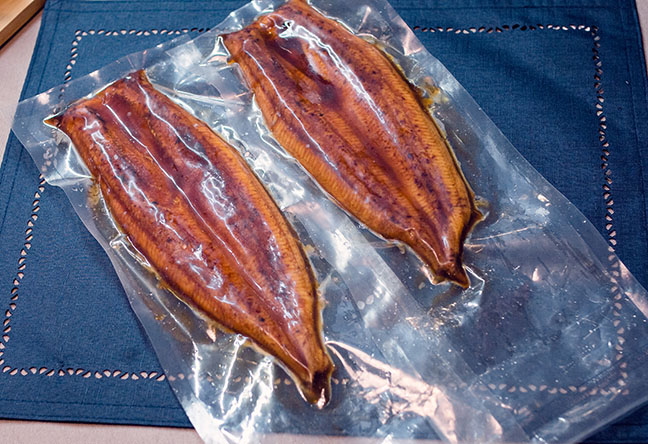
When buying eel for a restaurant, catering operation, or home kitchen, check the fillet size, cut style, cooking method, glaze, packaging, and storage instructions. Foodservice buyers should also confirm carton details, net weight, glazing percentage where applicable, and the required frozen storage temperature.
For frozen kabayaki, the surface should be protected from excessive frost. Heavy ice crystals can indicate temperature fluctuations or inadequate packaging. The package should be intact, with readable production details and lot information.
Eel texture matters. A well-cooked fillet should be tender enough to separate with chopsticks while remaining firm enough to sit attractively on the rice. The skin side should offer a pleasant grilled character, never a burnt or bitter flavor.
Have the rice ready before heating the eel. Short-grain Japanese rice works particularly well because it holds together while keeping a soft, satisfying bite. Serve it hot, but do not fill the bowl to the rim. Leave room for the eel and sauce.
For packaged kabayaki, follow the supplier’s heating directions. Depending on the format, the fillet may be reheated by steaming, oven heating, pan heating, or microwave use. A practical home method is to warm a sealed portion in hot water only when the packaging is designed for that purpose. Never place packaging in boiling water unless the product instructions specifically allow it.
Once heated, cut the eel into two or three pieces rather than shredding it. Lay the pieces across the rice, add a small amount of sauce, and finish with sansho pepper if desired.
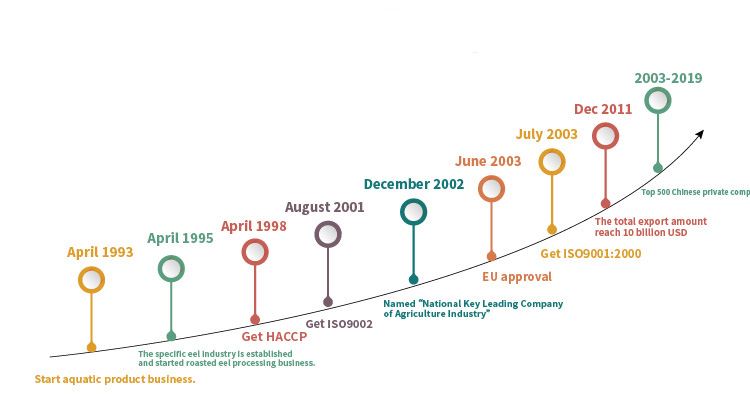
Eelpro Co., LTD supplies frozen unagi kabayaki for overseas foodservice and distribution needs. Buyers looking for a matching glaze can also review the company’s eel sauce range for serving and menu development.

Unagi is freshwater eel. Anago is conger eel, a saltwater fish. They are not the same, and their flavor and texture are noticeably different. Unagi is usually richer and fattier, while anago tends to be lighter and softer.
Extra sauce can make a bowl look generous, but too much quickly overwhelms the fish. For a balanced serving, begin with the glaze already on the eel. Add only a small drizzle if the rice needs more flavor.
Another common mistake is reheating the eel until it dries out. The goal is hot and tender, not hard around the edges. Keep the heating time under control. In many home kitchens, **2 to 4 minutes** of gentle reheating is enough for a single portion, but package instructions should always take priority.
The answer is simple: eat neatly, use chopsticks with care, and respect the way the dish has been served. Do not dismantle the bowl before tasting it. Keep condiments modest. If you are dining with a group, wait until everyone has received their meal before beginning, unless the host invites you to start.
It is polite to say itadakimasu before eating and gochisousama deshita after finishing, particularly in a traditional setting. Visitors do not need perfect pronunciation. A sincere attempt is appreciated, and a friendly “thank you” is always appropriate.
Try to finish what you take, especially in a small restaurant. If you cannot finish because of dietary needs or portion size, it is better to leave food quietly than force yourself to eat beyond your comfort.
When is unagi donburi served in Japan? It is served at lunch and dinner in casual eel shops, department-store restaurants, family homes, and specialty dining rooms. Demand is especially strong in summer around Doyo no Ushi no Hi, but the dish is not limited to one season.
At lunch, restaurants may offer a smaller bowl or set menu with soup and pickles. Dinner portions can include a larger fillet, extra side dishes, or a more formal presentation in a lacquer box. Prices vary according to eel size, sourcing, restaurant reputation, and whether the meal includes a full fillet or a smaller cut.
Some restaurants serve eel in three stages with condiments and broth. Others keep the meal straightforward: eel, rice, soup, and pickles. Both approaches are traditional. Let the menu and the restaurant’s serving instructions guide you.
For overseas buyers, the dish offers more than a traditional Japanese story. It is also a practical menu item. A portioned fillet supports consistent serving sizes, quick preparation, and simple plating. The bowl can be presented in a classic Japanese style or adapted for hotel breakfast, bento, catering, and casual dining.
A standard serving might use **150 to 200 grams of cooked rice** with one eel portion, depending on the target menu price and fillet size. Side options include steamed vegetables, pickled cucumber, Japanese omelet, miso soup, or a small seasonal salad.
Keep sauce controlled during plating. A clean bowl with visible rice and neatly placed eel often looks more appealing than one covered in dark glaze. If your operation serves children or first-time eel diners, offer sansho separately so guests can choose how much heat and fragrance they prefer.
For recipe ideas beyond rice bowls, explore these eel recipes. Buyers interested in sauce balance may also find this guide to kabayaki sauce useful when developing a menu.
It is traditionally eaten by taking small pieces of grilled eel with hot rice. Diners may add sansho pepper, pickles, or other condiments gradually. Some restaurants offer broth or tea for turning the last portion into an ochazuke-style serving. The bowl is generally kept tidy rather than mixed from the start.
Use chopsticks carefully, avoid pointing with them, and do not stick them upright in the rice. Taste the eel before adding extra sauce or pepper. Wait for companions when appropriate, return shared condiments to their place, and say itadakimasu before eating if the setting feels traditional.
It is served throughout the year at lunch and dinner. It is particularly associated with summer and Doyo no Ushi no Hi, usually in July or early August. Restaurants may offer smaller lunch sets, larger dinner portions, or seasonal menus centered on eel.
Yes. Frozen kabayaki is widely used for convenient preparation when it has been properly cooked, frozen, stored, and reheated. Choose a product with clear specifications, controlled packaging, and a texture that remains tender after heating. Serve it over hot rice with measured sauce and traditional side dishes.
Unagi donburi rewards a calm approach. Notice the grill marks. Taste the eel with rice before reaching for the pepper. Let the pickles refresh your palate between bites. These small habits make the meal feel more connected to Japanese dining culture, whether you are sitting at an eel counter in Tokyo or serving a carefully prepared bowl at home.
Eelpro Co., LTD supports overseas buyers with frozen unagi kabayaki, eel sauce, frozen seafood, and freshwater eel products. Contact Eelpro to discuss product specifications, portion sizes, packaging, and foodservice supply. If you have a favorite way to serve an unagi don, share it with us or explore our related eel guides for more cooking and selection ideas.



 WhatsApp
 sales@chinaeels.com
 +8619937922411