





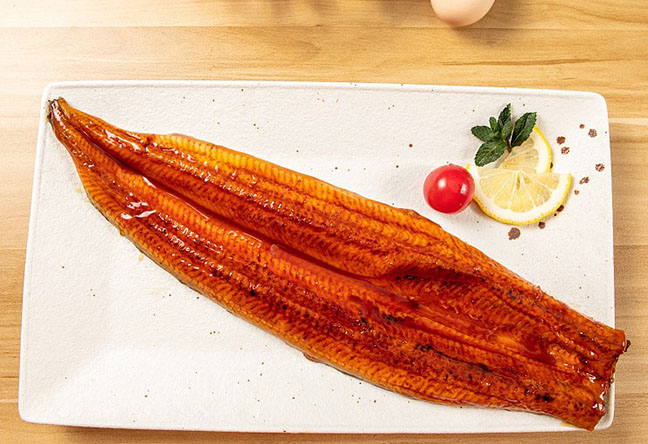
A glossy eel fillet lands on a bowl of rice, carrying the sweet, savory, lightly smoky aroma of its glaze. Then a diner asks, “Does it contain wheat or fish?” For restaurants and foodservice buyers, eel sauce ingredients are far more than a minor detail. They influence allergen declarations, menu claims, import paperwork, and whether a customer can safely order the dish.
Unagi sauce, also called unagi tare or kabayaki sauce, may seem straightforward, but formulas vary by supplier. One product may contain soy sauce, sugar, mirin, and starch. Another may include wheat-containing soy sauce, caramel color, alcohol, preservatives, or a thickener. The label, not the appearance of the sauce, tells the real story.
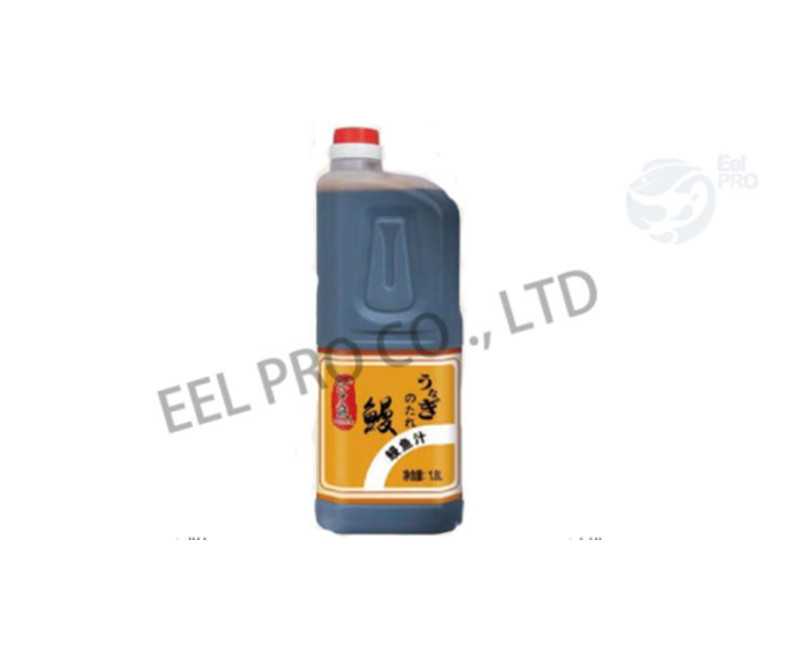
Traditional Japanese-style eel sauce is a dark, sweet-savory glaze used for unagi kabayaki, rice bowls, sushi, grilled seafood, and noodle dishes. Its flavor often comes from a short list of core ingredients, though commercial products may also include processing aids or adjustments for texture, color, and shelf life.
Soy sauce: Provides salt, umami, color, and fermented depth. Standard soy sauce usually contains soybeans and wheat.
Sugar: Adds sweetness and helps create the glossy glaze when heated.
Mirin or cooking wine: Contributes sweetness and aroma. Some products use alcohol-free mirin-style seasoning instead.
Water: Adjusts concentration and viscosity.
Starch or thickener: May be added to create a clingy texture suited to restaurant service.
Coloring or flavor ingredients: Caramel color, yeast extract, or other permitted ingredients may appear in certain formulas.
Not every sauce includes all of these ingredients. Some manufacturers use a short formula built around soy sauce, sugar, and cooking wine. Others develop a thicker, sweeter product for squeeze bottles, portion sachets, or ready-to-use foodservice packs.
In practice, a restaurant may brush sauce over grilled eel during the final 30 to 60 seconds of cooking. If the sauce is too thin, it runs off the fillet. If it is too thick, it can burn quickly under a salamander or broiler. Ingredient selection affects both flavor and performance on the line.
The most common allergen concern in unagi sauce is soy. Wheat is another frequent issue because conventional soy sauce is often brewed with wheat. Still, the exact allergen declaration depends on the formula, supplier, production site, and rules in the destination market.
When soy sauce is used, the product will generally require a soy declaration. If that soy sauce contains wheat, wheat may also need to be declared as a cereal containing gluten, depending on local law and label requirements.
A restaurant should not describe a sauce as “gluten-free” simply because it is dark, thick, or served with Japanese food. Request the complete ingredient list and the supplier’s allergen statement. A gluten-free claim usually requires more than verbal assurance. It may depend on a controlled formula, approved raw materials, production controls, test records, or certification.
Eel sauce is not automatically an eel allergen issue. Many commercial sauces are designed for unagi yet contain no eel extract. Others may be made or packed in a facility that also handles fish, shellfish, or other seafood. The sauce may also be supplied together with cooked eel in a combined pack, so the final product label needs careful review.
Fish and shellfish labeling rules vary by country. A sauce used on an eel dish may be prepared alongside shrimp, crab, or other seafood in the same kitchen. Cross-contact information is especially important for institutional catering, airlines, schools, and hospitals.
Some formulas may include sesame, wheat-based flavorings, or other ingredients added for taste and texture. These ingredients are not present in every product, which is why assumptions can cause problems. For export purchasing, request:
A current ingredient statement.
An allergen declaration showing intentional ingredients.
A cross-contact or shared-facility statement, where available.
A specification sheet with product name, pack size, shelf life, and storage conditions.
Batch or lot traceability information.
Keep these records in the product file. Front-of-house staff may need a simple allergen chart, while importers and distributors may require formal documents for customs, relabeling, or customer audits.
Dietary suitability cannot be judged by terms such as “Japanese sauce” or “traditional tare.” Both the formula and the production process matter. Eel sauce dietary information should be reviewed before the product appears on a menu or is sold with a dietary claim.
Many eel sauces contain no meat, but that does not automatically make them vegan. Check for fish stock, bonito extract, animal-derived flavoring, or ingredients used in compound seasonings. Some sauces are suitable for vegan menus; others are developed specifically for eel and may follow a different formula.
Menu wording matters, too. A vegan sauce brushed over eel is still part of a non-vegan dish. Restaurants should identify the sauce and the finished dish separately. A plant-based bowl with grilled vegetables may use the same tare, but the kitchen must prevent contact with fish if it makes a cross-contact-free claim.
Mirin and cooking sake can contain alcohol. Heating may reduce some alcohol, but it does not prove that a finished product meets halal requirements. Buyers serving Muslim customers should request halal certification or a written formulation statement from the manufacturer.
Some suppliers use alcohol-free seasoning. That may help, but buyers still need to review the full formula, processing aids, and facility controls. The terms “alcohol-free” and “halal-certified” are not interchangeable.
A gluten-free version may use tamari or another wheat-free seasoning, but the product should be supported by supplier documentation and any required testing. A low-sodium claim must also meet the requirements of the destination market. A sweet taste does not mean low salt; soy sauce can account for a substantial share of the finished product’s sodium.
For customers monitoring sugar or carbohydrates, request a nutrition panel per 100 grams and per serving. A thick glaze may be used sparingly on a fillet, but a generous pour over rice changes the meal’s total intake.
Commercial sauces may contain additives for consistency, color, shelf life, or easier filling. Their presence does not automatically mean the sauce is poor quality. The key question is whether the additive is permitted in the destination country and clearly declared on the label.
Possible examples include:
Modified starch: Helps maintain thickness after heating and cooling.
Caramel color: Creates a deeper brown appearance when the desired shade cannot be achieved through cooking alone.
Preservatives: May support shelf stability in certain ready-to-use sauces.
Acidity regulators: Help control pH and balance flavor.
Flavor enhancers: May strengthen savory notes.
Review these ingredients against the food-additive rules of the import market. An additive accepted in one country may require a different name, code, or usage limit elsewhere. Buyers should not rely on a translated label alone. Request the original specification and an export-market label draft.
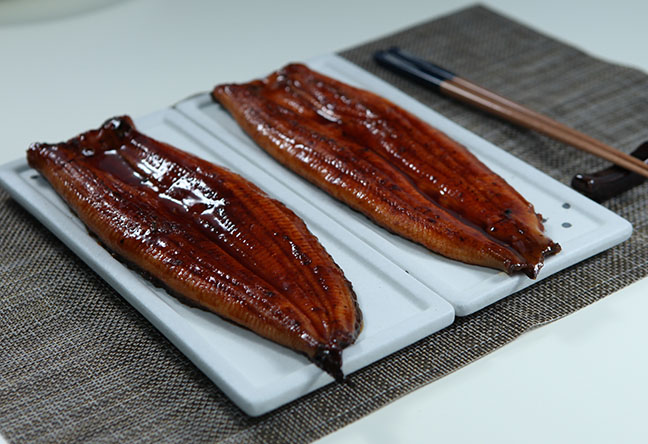
One practical detail: the shine on kabayaki does not always come from sugar alone. A starch-based thickener can create a smooth coating that remains visible after freezing, thawing, and reheating. This matters when sauce is packed with frozen eel rather than brushed on in the restaurant.
Flavor is only one part of the buying decision. Foodservice customers also need predictable handling from the first carton to the last bottle.
A useful eel sauce specifications document commonly includes:
Product name and intended use.
Ingredient list in descending order by weight.
Allergen information.
Net weight and packaging format.
Color, aroma, taste, and viscosity description.
pH, Brix, salt level, or other agreed quality measures.
Microbiological standards.
Shelf life and storage temperature.
Lot coding and traceability method.
Country of origin and export documents.
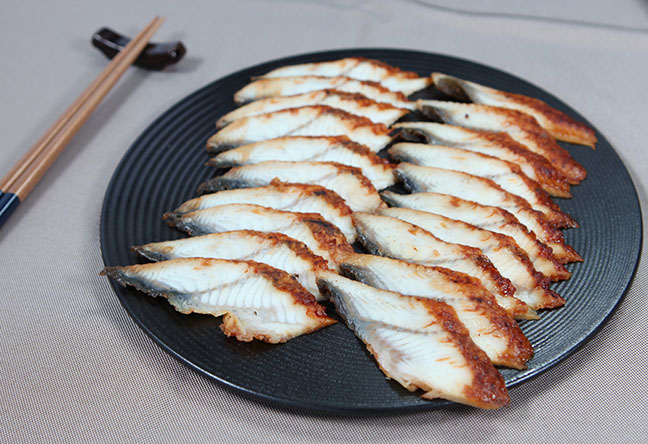
For a bottle used at the sushi counter, ask how long the sauce remains stable after opening and whether refrigeration is required. For single-use sachets, confirm seal integrity, filling weight, and carton count. For sauce supplied with frozen unagi, confirm whether it is packed separately or included in the retail or foodservice package.
At Eelpro Co., LTD, buyers can review eel sauce products alongside frozen seafood and eel items. Matching the sauce format to the menu avoids a common issue: purchasing a retail-style bottle when the kitchen actually needs bulk packs or portion sachets.
Two sauces may share the same general style yet perform differently in a working kitchen. Sugar level affects browning. Starch affects cling. Salt concentration changes how much sauce the chef can use. Alcohol-containing seasonings may affect menu declarations and certification reviews.
For kabayaki, warm the eel according to the product instructions, then apply the sauce near the end of cooking. A hot surface can darken a sugary glaze in seconds. During testing, record the heating method and time, such as 180°C for 8 to 10 minutes, because a sauce that performs well in a combi oven may behave differently on a charcoal grill.
For rice bowls, test the sauce after it sits on hot rice for 5 minutes. Some thin formulas spread quickly, while others remain concentrated in one area. For noodle dishes, a sweeter sauce may need dilution with stock or cooking water. See these eel recipes for serving ideas, then check the finished dish against your allergen matrix.
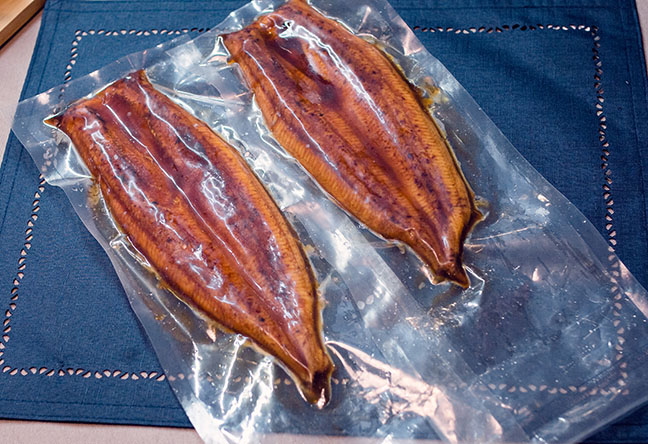
If you are buying frozen eel with sauce, compare the product label with the separate sauce specification. The sauce may carry a different allergen declaration from the eel itself. A combined package requires a combined review.
For product inspiration, explore Eelpro’s frozen unagi kabayaki. A consistent eel portion and a documented tare formula can simplify training for kitchens serving hundreds of bowls each week.
Start with the menu claim, then work backward to the product file. If the menu promises gluten-free, halal, vegan, or allergen-aware service, identify the exact evidence required before placing a large order.
Define the use: Brush-on glaze, dipping sauce, rice-bowl topping, sushi condiment, or frozen meal component.
Request current documents: Ingredient list, allergen statement, specification sheet, nutrition information, and applicable certificates.
Check the destination market: Review allergen naming, additive permissions, language, net-content rules, and date-marking requirements.
Test in the actual kitchen: Heat the sauce with the intended eel, rice, grill, oven, or noodle dish.
Confirm pack and storage: Check carton size, unopened shelf life, opened storage requirements, and delivery temperature.
Keep a change-control agreement: Ask the supplier to notify you before changing ingredients, processing, or packaging.
Avoid one common trap: accepting an old PDF because the product name appears unchanged. Manufacturers may update soy sauce, starch, flavoring, or packaging without dramatically changing the front label. The ingredient statement and allergen file should always match the current batch and market.
You can also read this kabayaki sauce guide to compare how sauce flavor and application shape the finished eel dish. For distributors, that information helps sales teams explain the product without making unsupported dietary claims.
Soy and wheat are common concerns because many eel sauces use conventional soy sauce. Other possible allergens include sesame, fish, shellfish, or ingredients associated with shared production equipment. The answer depends on the supplier’s exact formula and facility controls. Always request a current allergen statement rather than relying on the product name.
It may suit some vegetarian or vegan diets if it contains no fish-derived ingredients and is handled according to the restaurant’s cross-contact policy. Gluten-free, halal, kosher, low-sodium, and alcohol-free suitability each require separate verification. A sauce can meet one dietary requirement while failing another because of wheat, alcohol-containing seasonings, sodium, or certification status.
Review the ingredient list, allergen declaration, nutrition panel, additive details, specification sheet, certificates, shelf-life information, and export label. Then conduct a kitchen trial using the intended cooking method. Ask the supplier to confirm how ingredient or process changes will be communicated. This approach protects menu accuracy and keeps purchasing records ready for customer or regulatory questions.
No. Many unagi sauces are formulated as a glaze for eel but do not contain eel itself. However, some products may be packed with eel or produced in a seafood-handling facility. Read the label for the individual sauce and the finished product.
No. Soy sauce may contain wheat even when no flour is visible in the sauce. A gluten-free claim should be supported by a suitable formula, supplier documentation, production controls, and any testing or certification required in the selling market.
The best eel sauce is not simply the darkest or sweetest option. It is the sauce whose flavor, texture, ingredients, allergen statement, pack format, and export documents match the buyer’s actual needs.
Before listing a new sauce, verify the formula and test it with the finished dish. Eelpro Co., LTD supplies eel sauce, frozen unagi kabayaki, freshwater eels, and frozen seafood for overseas buyers. Contact the team to discuss product specifications, packaging, and export documentation. If you have a favorite kabayaki flavor or a difficult dietary requirement, share it with us or in the comments—those details often lead to better menu solutions.


 WhatsApp
 sales@chinaeels.com
 +8619937922411