





You’re scanning the sushi menu and that eel roll stops you cold. Rich, sweet, smoky unagi wrapped in rice and nori — but what’s the calorie damage? For restaurant buyers and menu planners, answering that question accurately can make or break a healthy menu positioning. Let’s break down eel roll calories, piece by piece, so you can put numbers on the plate that your guests can trust.
Walk into two different sushi spots and order an unagi maki. One roll lands at 250 calories. Another hits 390. Why the spread? Three things shift the sushi eel calories dramatically: the rice, the sauce, and the eel itself.
Sushi rice isn’t innocent. A tightly packed hand roll can hold 150g of seasoned rice — that’s roughly 200 calories from the rice alone. A smaller, loosely rolled maki might use just 90g. Plus, the sushi vinegar mix adds sugar. We’ve seen kitchens where the rice seasoning tacks on an extra 20–30 calories per roll, and nobody accounts for it. If you're building a nutrition panel, always ask: how many grams of finished rice go into one cut roll?
That glossy, lacquered finish on unagi is mostly eel sauce (unagi tare). It’s a reduction of soy sauce, mirin, sugar, and sometimes sake. A standard drizzle — about 20 grams — can add 40 to 55 calories, almost all from sugar. Many chefs brush extra sauce on top for that “money shot” look. Suddenly, eel roll calories jump by 60 without changing the protein or rice. We’ve tested our own kabayaki sauce and found that a thicker, sweeter glaze tends to cling more, raising the coating weight by up to 30%. That’s a big deal for calorie-sensitive menu lines.
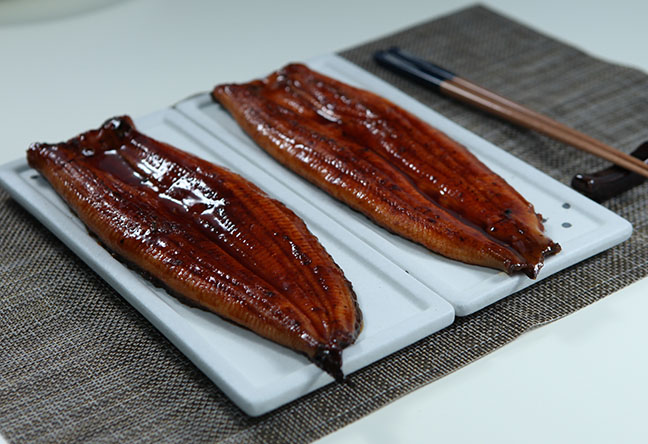
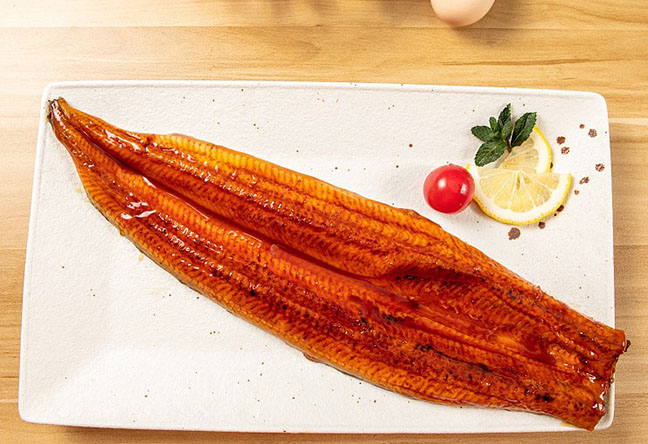
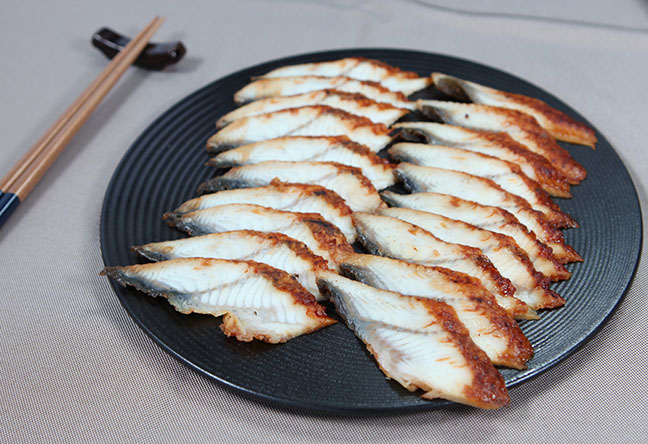
Not all unagi pieces are equal. A standard sushi eel fillet for a roll is often 30–40g. But some restaurants use a generous 50g slab, others a stingy 25g. And prep method matters. If the eel is pre-grilled with tare already baked on, like a true frozen unagi kabayaki portion, you’re getting a consistent protein hit with calorie values locked in. If they’re grilling and saucing in-house, portion control can drift. One fillet of unagi (around 35g) without sauce is roughly 80–90 calories, mostly from protein and some fat.
Here’s where menu math gets practical. An accurate unagi roll calorie estimate comes from treating the roll as three separate layers: protein, rice, and toppings. Let’s stack them up.
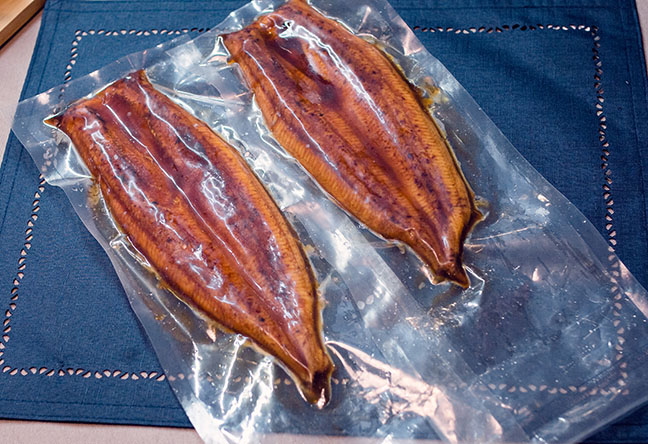
A typical unagi maki uses 35g of grilled eel. That’s about 85 calories for the fish alone. If you’re serving a double-unagi roll or an eel-heavy dragon roll, bump it to 50g and 120 calories. Using a pre-portioned frozen unagi kabayaki takes the guesswork out. Every fillet arrives with a set weight and a known nutritional profile — something we’ve heard buyers appreciate when building grab-and-go sushi bowls.
Weigh the rice. Seriously. One standard maki roll might contain 130g of cooked sushi rice, delivering about 170 calories. If you’re using brown rice or multigrain, the calorie count barely budges but the fibre story improves, which can shift the perception of “healthy” for diners. For a rough unagi roll calorie estimate, lock in 1.3 calories per gram of seasoned rice.
Here’s where it gets sneaky. A brush of eel sauce: 40 calories. A squirt of spicy mayo: 60 calories. A sprinkle of tempura crunch: 35 calories. Add all three and you’ve just poured an extra 135 calories onto the plate. We’ve watched chefs drizzle a zigzag of unagi tare over the whole cut roll — they’re effectively adding a sauce shot that diners don’t even see. If transparency matters, standardise your sauce application. Use squeeze bottles with measured nozzles. It sounds obsessive, but your calorie-conscious customers notice the difference.
Let’s put the pieces together for an 8-piece unagi maki roll, the kind you’d find on a typical izakaya menu:
Unagi kabayaki (35g): 85 kcal
Sushi rice (130g): 170 kcal
Eel sauce glaze (15g): 35 kcal
Nori, sesame seeds, negligible pickled ginger: 10 kcal
Total eel maki nutrition for that standard roll: around 300 calories. If it’s an inside-out roll with avocado or cream cheese, add 45–80 calories on top. That’s why the same “eel roll” on one menu might be 290 while another is 410. It comes down to extras and portion scale.
No need for complex software. Keep this simple eel roll calorie calculator in your pocket:
Protein (unagi): 2.5 kcal per gram of cooked eel
Rice: 1.3 kcal per gram of seasoned sushi rice
Sauce (unagi tare): 2.3 kcal per gram of glaze
Add-ons: Check labels for mayo, avocado (1.6 kcal/g), cream cheese (3.4 kcal/g), tempura bits (4.5 kcal/g)
So a 300g bowl with 50g eel, 180g rice, 20g sauce, and 30g avocado would ring up around (50×2.5) + (180×1.3) + (20×2.3) + (30×1.6) = 125 + 234 + 46 + 48 = 453 calories. Quick, consistent, and easy to print on a menu spec sheet.
Even careful diners trip here. If you’re building a menu that shouts “health,” avoid these pitfalls:
“Light sauce” that isn’t light. The brush still holds 10–15g — that’s 25 calories just for looking wet.
Sweetened rice vinegar overkill. Some recipes dump more sugar in the seasoning, adding 10–15 hidden calories per roll.
Double-unagi specials. They boast extra eel but rarely adjust the calorie count. A 70g protein portion alone is ~170 calories, not 85.
Tempura-fried rolls with eel. A crispy spider-eel hybrid can cross 500 calories without blinking. The batter soaks up oil, and suddenly sushi eel calories aren’t the main event anymore.
A standard 8-piece unagi maki with 35g eel, 130g rice, and light eel sauce lands around 290–310 calories. If the roll includes avocado or extra glaze, expect 350–400.
Look for clues: “glazed,” “drizzled,” “spicy” usually mean extra sauce calories. Ask the server for the rice weight or whether the eel is pre-marinated. If you’re a menu planner, calculate using grams, not “pieces,” and apply the 2.5/1.3/2.3 per‑gram formula. That transforms a vague unagi roll calorie estimate into a solid number.
Rice volume is the biggest silent contributor. Then comes sauce — especially multiple sauces. Finally, add-ins like cream cheese, tempura crunch, and double portions of eel. Even a drizzle of spicy mayo can overtake the eel’s own calorie count.
At Eelpro, we help chefs and buyers nail that balance between flavour and accuracy. Our frozen unagi kabayaki pre-grilled with tare gives you stable calorie data from batch to batch. Our unagi tare comes in consistent brix, so every brush adds a predictable number. Whether you’re revamping a sushi bar menu or launching a retail eel bowl line, small details — gram-level rice, measured sauce — turn eel roll calories from guesswork into a selling point.
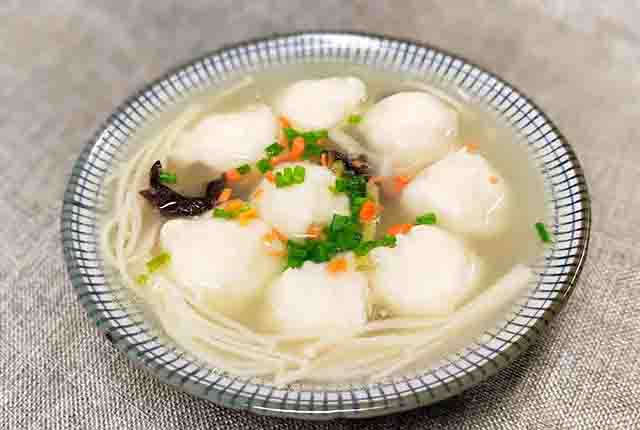
If you’re looking to lock in quality and consistency, explore our frozen unagi kabayaki and eel sauce selections. Already love cooking with eel? Try this easy eel noodle soup recipe — a comforting dish where the calorie math is just as kind. Have you discovered a clever way to keep sushi eel calories in check? Share your menu hack in the comments.



 WhatsApp
 sales@chinaeels.com
 +8619937922411