





Eel collagen is drawing attention from buyers, chefs, and consumers who associate traditional unagi dishes with skin and joint nutrition. Eel skin and flesh contain collagen, particularly type I collagen, a structural protein found throughout the body in skin, bones, tendons, and connective tissue.
That does not mean eating unagi creates an instant cosmetic result. Collagen from food is digested into amino acids and small peptides, which the body uses where needed. Even so, eel can contribute valuable protein and nutrients to a balanced diet. For restaurants and food importers, it also brings a well-known Japanese ingredient with a distinct culinary identity.
This article explains what collagen in eel is, how it compares with other fish collagen sources, and how unagi may fit into everyday nutrition for skin, joints, and bones.
Collagen is the body’s main structural protein. It helps give connective tissues their strength and form, including the skin, cartilage, ligaments, tendons, and bones. Type I collagen is especially abundant in skin and bone tissue.
Eel collagen comes from the connective tissues of freshwater eel, including the skin and parts of the flesh. Like collagen from other fish, it can break down during cooking, digestion, or processing. Some manufacturers also make collagen peptides or gelatin from fish by-products, although a cooked eel dish is not the same as a measured collagen supplement.
For consumers, that distinction is important. A serving of unagi contains collagen as part of a whole food, alongside protein, fat, vitamins, and minerals. A supplement, in contrast, usually supplies a specified amount of hydrolyzed collagen peptides. The two should not be treated as if they provide identical amounts or identical effects.
Yes. Eel contains collagen in its skin and connective tissues, and type I collagen is the main type linked with many fish-skin collagen sources. The amount in any serving can vary based on eel species, cut, skin-to-flesh ratio, processing method, and serving size.
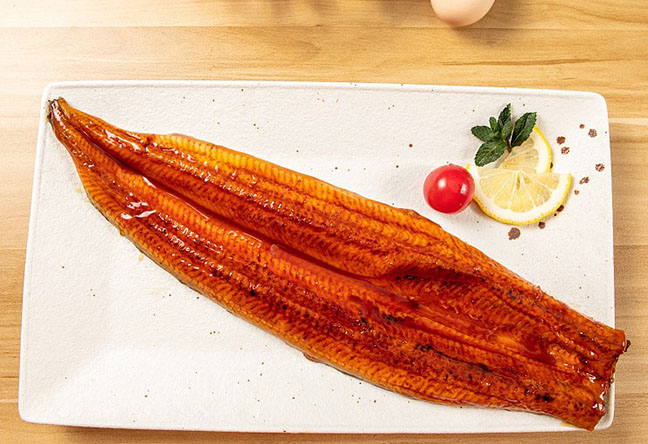
Unagi is commonly prepared with the skin left on. In Japanese cooking, eel is often split, grilled, brushed with a sweet-savory sauce, and served over rice as unadon or unaju. As a result, the skin remains part of the finished dish rather than being removed before serving.
Heat softens connective tissue and transforms collagen into gelatin-like forms. The finished texture depends on cooking temperature, time, moisture, and whether the eel is grilled, steamed, simmered, or fried. Tender flesh and soft skin can make unagi especially enjoyable to eat, but texture alone does not reveal the exact collagen content.
Eel skin collagen is often mentioned in discussions of skin appearance because type I collagen is a major component of human dermal tissue. The body needs amino acids to produce its own proteins, and collagen-rich foods can supply some of those building blocks.
Other nutrients matter as well. Vitamin C is required for normal collagen formation, according to nutrition guidance from public health authorities such as the U.S. National Institutes of Health. Unagi is not generally considered a major source of vitamin C, so pairing it with vegetables, fruit, or another vitamin C-rich food can create a more balanced meal. Bell peppers, citrus fruit, broccoli, and leafy greens are practical choices.
It is also important to separate skin nutrition from cosmetic promises. Eating eel may support general protein intake, but it has not been proven to erase wrinkles, replace topical skincare, or create a direct lifting effect. Skin condition is shaped by age, sun exposure, sleep, smoking, hydration, hormones, and overall diet.
Marine collagen is a broad term for collagen sourced from sea or freshwater animals, often fish skin, scales, or bones. Eel is a freshwater fish, so collagen from eel is more accurately described as fish collagen or freshwater fish collagen rather than presented as a separate miracle ingredient.
Unagi collagen and collagen from other fish may share a high proportion of type I collagen. Their amino acid profiles and functional properties can still differ based on species, tissue source, extraction conditions, and processing. Products sold as collagen peptides are usually hydrolyzed, making the peptides easier to dissolve in foods or beverages.
For buyers sourcing eel products, the practical point is straightforward: frozen unagi kabayaki is a ready-to-cook food product, not necessarily a standardized collagen supplement. Product specifications should clearly list the product form, net weight, cooking condition, glaze, storage temperature, and packaging details.
Collagen is found in cartilage, tendons, ligaments, and bone. Eel provides collagen-containing tissue, but it also supplies ordinary dietary protein. Protein supports the maintenance of muscle and other body tissues, while bone health depends on a broader range of factors, including calcium, vitamin D, phosphorus, resistance exercise, and age-related changes.
Some studies of hydrolyzed collagen peptides have reported possible improvements in joint comfort or skin measures among selected groups. Results vary, and research on supplements should not be presented as direct proof that a serving of kabayaki will produce the same outcome. Dose, peptide preparation, study duration, and participant health all influence the findings.
For a restaurant menu, measured wording is better than a medical promise. You can describe unagi as a protein-rich fish dish that contains collagen in its skin and connective tissue. Avoid claims that it treats arthritis, prevents osteoporosis, heals injuries, or reverses aging.
Unagi is valued for more than collagen. It is a rich, oily fish with substantial protein and fat. Exact nutrition varies by species, farmed or wild origin, portion size, and sauce. Fatty fish can contribute long-chain omega-3 fatty acids, while eel is also known for its vitamin A and vitamin B12 content.
Because kabayaki sauce often contains sugar and soy sauce, the finished meal may have more sodium and carbohydrate than plain grilled eel. Portion size matters here. A practical serving can be paired with rice, pickled vegetables, grilled mushrooms, or a fresh salad.
For foodservice customers, Eelpro supplies frozen unagi kabayaki for convenient preparation in restaurants and commercial kitchens. The product can be reheated and served over rice, inside sushi rolls, with soba, or in a bento box.
The beauty benefits of eel are often discussed through the traditional idea that nourishing foods support appearance and vitality. In Japan, unagi is closely associated with seasonal eating and stamina, especially during the summer period known as Doyo no Ushi no Hi. In Korean cuisine, grilled eel is also enjoyed as a substantial dish, commonly served with vegetables and dipping sauces.
These traditions show how food, energy, and appearance can be connected in everyday culture. They do not replace clinical evidence. Traditional use can help explain why an ingredient remains popular, but it does not prove that eel collagen works as a cosmetic treatment.
There is also a practical culinary reason to keep the skin on. Eel skin can become tender and lightly crisp during grilling, adding another layer of texture. When the fillet is glazed with tare, the skin helps carry the rich flavor while the flesh stays moist.
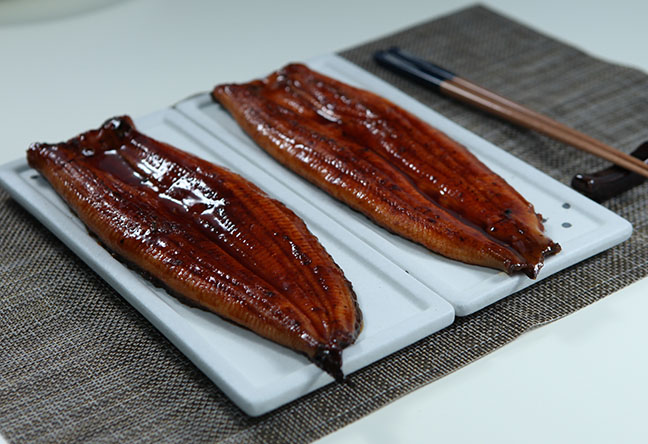
Searching for unagi for skin health should lead to balanced meal planning rather than a single-ingredient promise. A useful plate can combine unagi with vegetables, whole grains, and a source of vitamin C. For example, grilled kabayaki over a moderate portion of rice can be served with steamed broccoli, shredded cabbage, bell pepper, or a citrus-dressed salad.
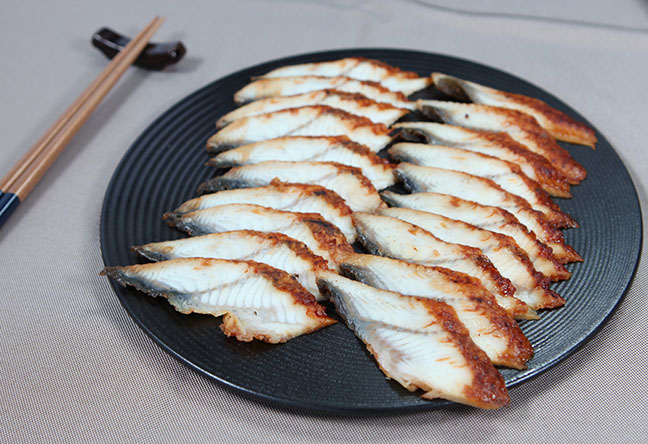
Restaurants can also serve smaller portions as part of a set meal. This allows customers to enjoy the flavor and texture of unagi without relying on a large amount of sauce or rice. The eel may be sliced over donburi, folded into an omelet, placed on sushi rice, or added to a warm noodle dish.
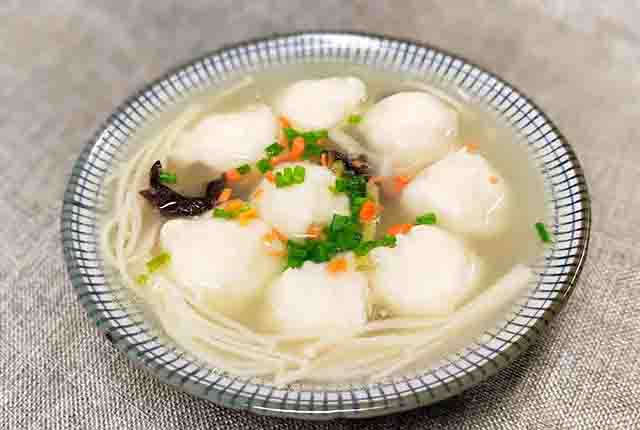
For a different menu format, our guide to eel recipes can help foodservice teams develop a warm noodle soup using eel as the main protein. Kabayaki also pairs well with a house-made garnish, sesame, scallion, ginger, or lightly dressed greens.
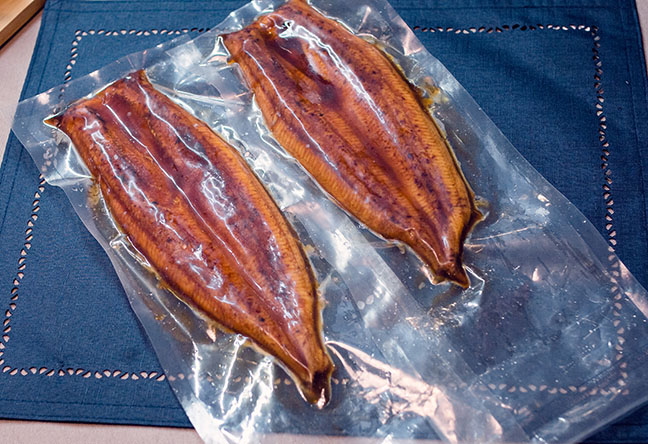
Unagi is commonly sold as prepared kabayaki because the fillet has already been cut, cooked, and glazed. It can be reheated on a grill, in an oven, in a pan, or in a microwave, depending on the packaging instructions. Gentle reheating helps keep the flesh from drying out.
Sauce changes both the final flavor and nutrition. A sweet soy-based tare gives unagi its familiar glossy finish, but kitchens may adjust the amount for different menu applications. A sushi restaurant may use a light brush of sauce, while a rice bowl concept may prefer a more generous glaze.
Eelpro offers eel sauce, also called unagi tare, for foodservice and distribution applications. Buyers can also read our article on kabayaki sauce for more information about how sauce supports the flavor of grilled eel.
Collagen content is only one part of a responsible purchasing decision. Importers and distributors should review the species, country of origin, farming or supply information, processing method, glazing percentage, packaging format, shelf life, storage requirements, and export documentation.
For frozen products, maintaining a continuous cold chain is essential. Confirm the required storage temperature and transport conditions with the supplier. Buyers should also check allergens and sauce ingredients, particularly soy, wheat, sugar, and food additives. Label requirements vary by destination market.
If you plan to sell an eel product with a beauty or wellness message, make sure the wording follows local advertising and food-label rules. “Contains collagen” is a composition statement that may require substantiation. “Reduces wrinkles” or “repairs joints” is a health or cosmetic claim and may be regulated.
Yes. Eel skin and connective tissues contain collagen, including type I collagen. The amount in a cooked serving varies with species, preparation, skin-to-flesh ratio, and portion size. A whole-food eel dish should not be treated as the same product as a measured collagen peptide supplement.
Potential benefits are mainly nutritional: eel provides protein and contains collagen-containing tissues that supply amino acids after digestion. Collagen is part of human skin, bones, tendons, and connective tissue. Research on collagen supplements suggests possible benefits for selected skin and joint measures, but this evidence does not prove that ordinary unagi servings prevent wrinkles or treat joint disease.
Eel collagen is a type of fish collagen from a freshwater species. Marine collagen usually refers to collagen sourced from marine animals, often fish. Both may contain mainly type I collagen, but the final properties depend on the species, tissue, extraction process, and whether the collagen has been hydrolyzed into peptides.
Yes, unagi can be included in a balanced eating pattern that supports general nutrition. Pair it with vegetables and vitamin C-rich foods, and consider the amount of sauce, rice, sodium, and total calories. Food cannot replace sunscreen, medical care, sleep, or a varied diet.
No. Frozen unagi kabayaki is a cooked eel food product. It contains protein and collagen in its skin and connective tissue, but it does not normally provide a standardized collagen dose. If a buyer needs a collagen supplement, the product should be tested and labeled for its peptide content separately.
Eel offers a compelling combination of culinary appeal and useful nutrition. Its skin and flesh contain type I collagen, while the finished dish provides protein and the rich flavor associated with Japanese kabayaki. The responsible message is simple: unagi can be part of a balanced diet, but it is not a medical treatment or a guaranteed beauty solution.
Eelpro Co., LTD supplies frozen unagi kabayaki, eel sauce, frozen seafood, and freshwater eels for overseas restaurants, importers, and distributors. Contact us to discuss product formats, packaging, and supply options for your market.



 WhatsApp
 sales@chinaeels.com
 +8619937922411