





Eel season is often associated with late spring and summer, particularly in Japan, when unagi features prominently on restaurant menus and family tables. However, the buying season for eel is not limited to a few weeks in summer. Natural migration patterns, aquaculture schedules, processing capacity, and cold-chain logistics all influence when freshwater eel can be sourced.
For restaurants, importers, and distributors, that difference is important. Summer demand may climb quickly, while commercial supply can remain available year-round. At Eelpro Co., LTD, we supply products including frozen unagi kabayaki, eel sauce, freshwater eels, and other frozen seafood, helping overseas buyers plan for more than one seasonal promotion.
“Eel season” can refer to two different things:
These periods may overlap, but they are not the same. Freshwater eels spend much of their lives in rivers, lakes, estuaries, or aquaculture ponds. Mature eels eventually migrate toward the sea to spawn. Their life cycle is long and complex, while commercial farming helps keep eel products available when wild supply may be limited.
In Japan, unagi is closely tied to summer. The tradition of eating eel on Doyo no Ushi no Hi, or the Day of the Ox during the summer doyo period, is especially well known. The date changes each year under the traditional calendar and usually falls in late July. In some years, there is a second Day of the Ox in early August.
This cultural event often drives a noticeable seasonal rise in demand. It does not mean eel is unavailable in autumn, winter, or spring.
The traditional unagi season runs from late spring through summer, with demand often peaking around Doyo no Ushi no Hi. During this period, restaurants commonly promote grilled unagi over rice, unagi sushi, eel donburi, and kabayaki set meals.
The summer connection is both cultural and practical. In hot weather, people have historically chosen rich, satisfying foods such as eel to help maintain energy. The custom became associated with promotional writing and food culture during the Edo period, and it remains part of modern Japanese dining.
Wild freshwater eels do not follow the same straightforward pattern as seasonal fish sold immediately after landing. Their migration cycle is complex. Juvenile eels, often called glass eels when they enter coastal and freshwater areas, move into rivers and estuaries at different times depending on the species and region.
Adult eels later migrate to ocean spawning areas. Since timing differs by location and species, “summer eel” is best understood as a culinary and market tradition rather than a universal biological rule.
For buyers, the more useful question is rarely whether eel exists in the wild during a certain month. It is whether the required size, cut, processing style, origin, documentation, and delivery schedule can be supplied.
If you are asking what months is eel in season, the short answer is May through August for the traditional Japanese eating season, with the strongest attention usually falling in July. This describes culinary demand, not a strict limit on commercial supply.
Availability can continue throughout the year because farmed eel is harvested in planned batches and processed for chilled or frozen distribution. A restaurant in Europe, North America, Southeast Asia, or the Middle East can order frozen unagi kabayaki in January and still serve a product strongly associated with the summer unagi tradition.
Several factors influence monthly supply:
For this reason, importers should request a current availability schedule instead of relying on a general calendar. A useful inquiry includes species, origin, size range, cut, glaze or sauce requirements, packing format, and target delivery month.
Most commercial eel production relies on collecting young eels from natural waters and raising them in controlled aquaculture systems. Scientists have made meaningful progress in studying eel reproduction, but commercial eel farming still depends largely on wild-caught glass eels for stocking. The full life cycle remains difficult to reproduce at large commercial scale.
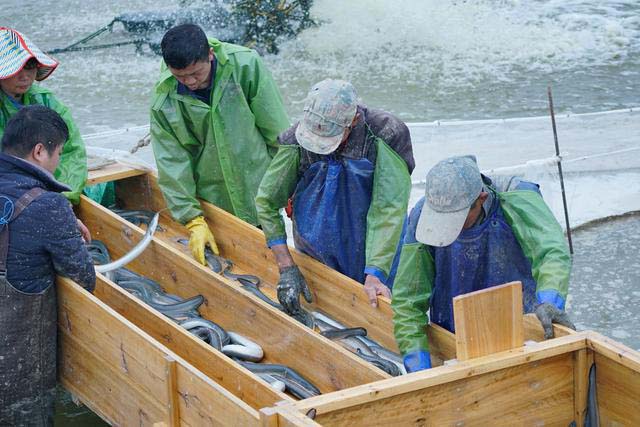
Farmed eels are raised in ponds or tanks where water quality, temperature, feed, and stocking conditions are managed carefully. Growth takes time, and the exact period depends on species, starting size, water temperature, feed, and the market size requested by the buyer.
This production model creates a buffer between natural recruitment and customer demand. Eels can be harvested, processed, and frozen at different times of the year. As a result, distributors do not have to depend solely on fresh harvests during the traditional summer period.
For foodservice buyers, this provides a clear practical benefit. You can plan a year-round menu while still using summer promotions when demand is strongest. Frozen products can also reduce preparation time compared with receiving live eel that must be prepared in the kitchen.
Fresh live eel has an important place in specialist restaurants. It allows chefs to control filleting, cooking, and sauce application from start to finish. However, live eel requires suitable handling facilities, trained staff, and close coordination between delivery and service.
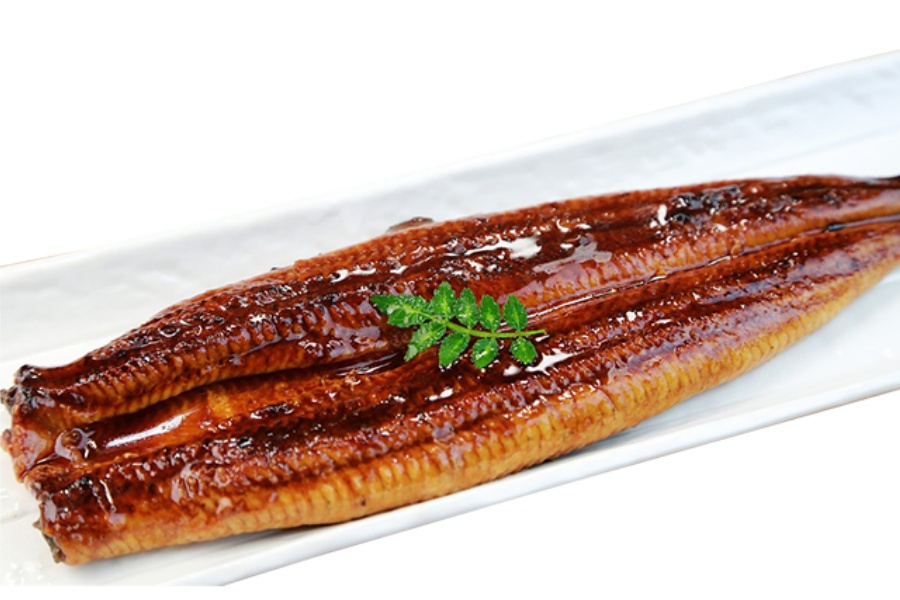
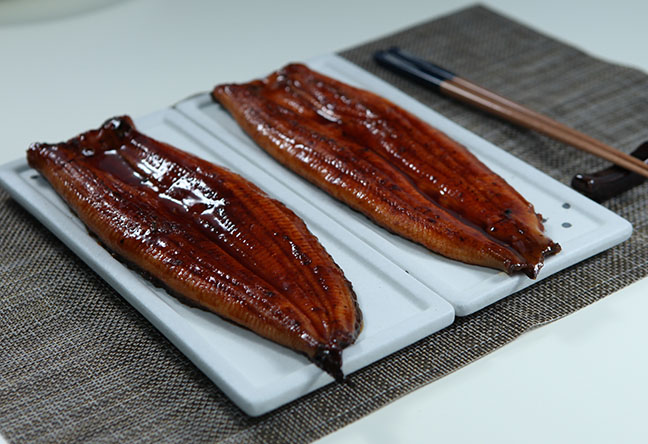
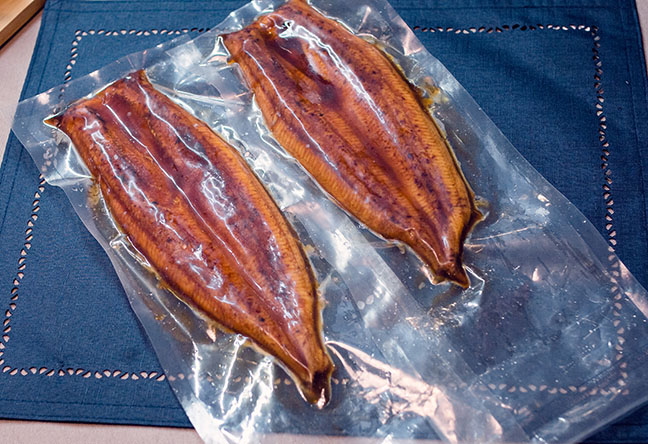
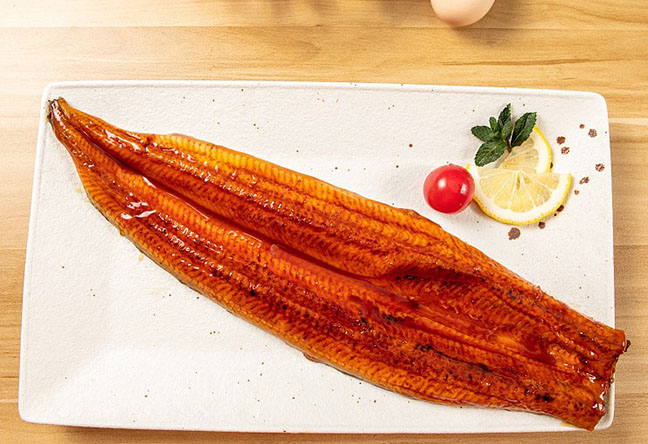
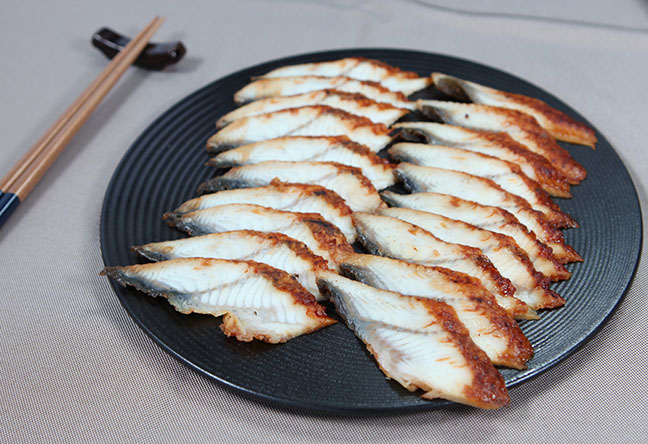
Frozen unagi kabayaki is already filleted, grilled, and usually coated with a sweet-savory sauce. Depending on the specification, it can be reheated on a grill, in an oven, in a pan, or by microwave before serving. This format is widely used for:
Freezing does not automatically make a product better or worse. Quality depends on raw material condition, cooking control, freezing speed, packaging, storage temperature, and handling after delivery. The product should remain frozen during transport and storage according to the supplier’s instructions.
When reviewing a frozen eel specification, check net weight, piece weight, sauce ratio, glaze percentage, cooking yield, packing style, shelf life, and carton dimensions. These details directly affect menu costing and portion control.
Our frozen unagi kabayaki product information can help you review the format before discussing an order with our export team.
When buying live or chilled eel, freshness starts with its condition on arrival. The eel should be active, free from strong off-odors, and handled under appropriate temperature and hygiene controls. The skin should be intact, while the flesh should not feel excessively soft or damaged after processing.
For frozen eel, freshness is assessed differently. Look at the complete supply chain rather than the date alone.
Do not refreeze thawed eel unless the product specification and food-safety procedure specifically allow it. In restaurant kitchens, thaw only the quantity needed for the planned service period and follow the supplier’s preparation instructions.
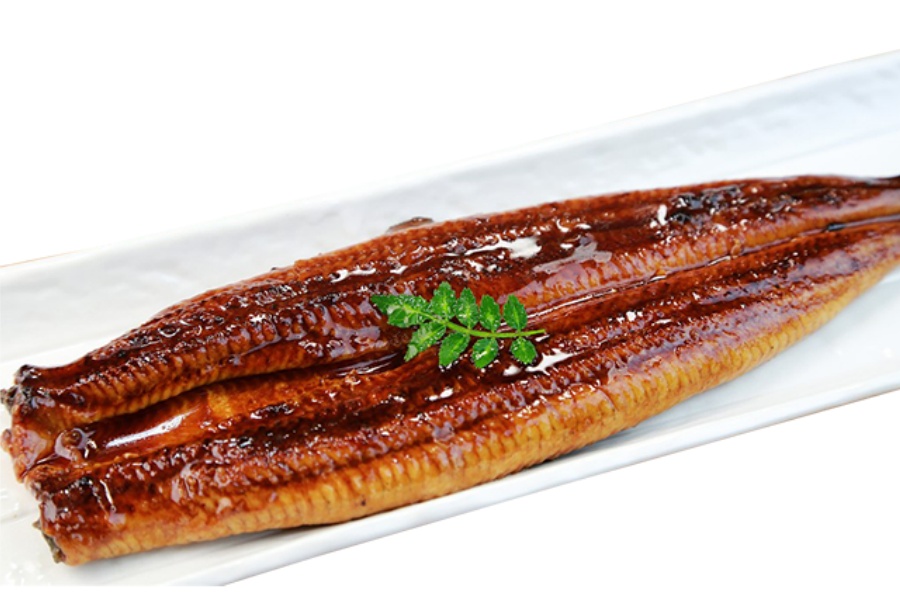
When to eat eel depends on your menu, local demand, and product format. Summer is the obvious time for a Japanese-themed promotion, particularly from late June through early August. A restaurant might offer an unagi rice bowl, a set meal with soup and pickles, or a limited-time kabayaki special around Doyo no Ushi no Hi.
There is no need to remove eel from the menu during the rest of the year. Its rich flavor suits warming rice bowls in colder months, and prepared eel can support fast service when kitchen labor is limited.
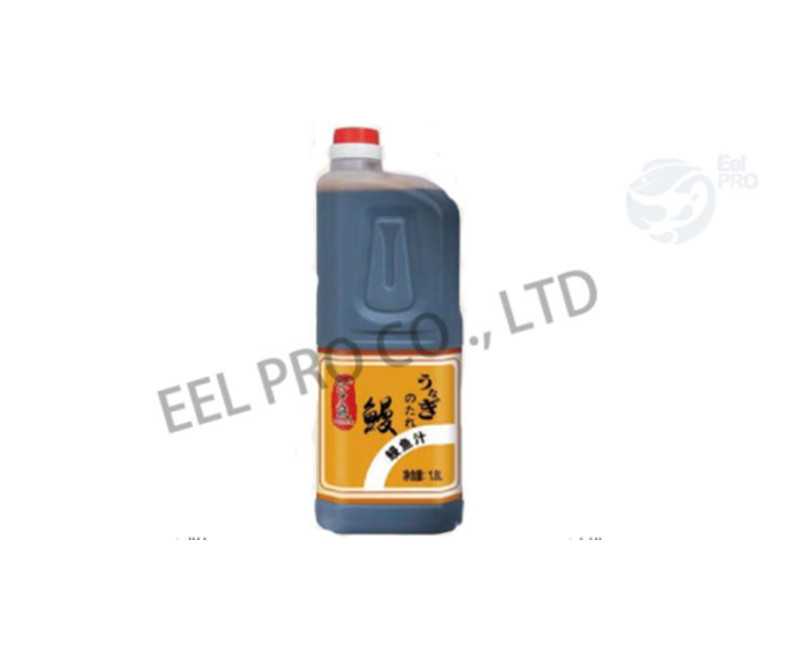
Consider the sauce profile that best fits your menu. Some buyers prefer fully sauced kabayaki, while others want lightly sauced eel so the chef can add a house tare. Our eel sauce product is relevant for buyers who need separate unagi tare for brushing, dipping, or finishing.
For menu development, sauce balance matters. Kabayaki sauce is typically sweet and savory, often based on soy sauce, sugar, and mirin or a similar seasoning profile. It should complement the rich eel without masking its flavor. We also explain sauce use in our guide to kabayaki sauce.
Start planning summer promotions several months before the expected peak. Confirm your forecast, target arrival date, available storage space, and estimated weekly usage. Waiting until the week before a major food event may limit your options for size and packing format.
A practical purchasing checklist includes:
Buyers serving more than one market should also account for regional preferences. Some customers prefer smaller portions for sushi, while others want larger fillets for rice bowls or retail packs. The same general product category may require very different specifications from one customer to another.
When is unagi season? In the Japanese culinary calendar, unagi season is mainly late spring through summer, with demand often peaking around Doyo no Ushi no Hi in late July or early August. Commercial unagi products can be available year-round through aquaculture, processing, and frozen storage.
What months is eel in season? May, June, July, and August are the months most commonly associated with seasonal eel eating in Japan. July is especially important for traditional promotions. This does not mean fresh or frozen eel cannot be sourced in other months.
What is the best time to eat eel? The best time depends on your purpose. For a traditional Japanese summer promotion, plan around July and the date of Doyo no Ushi no Hi. For consistent restaurant operations, frozen kabayaki can be served throughout the year when stored and prepared correctly.
There is a natural freshwater eel season connected with migration and recruitment, but farm production follows a longer schedule. Harvest timing depends on growth, water conditions, market size, and processor planning. Ask your supplier about current stock and production availability.
Frozen eel is not a seasonal product in the same way as live eel. Its quality depends on raw material, processing, freezing, packaging, storage, and thawing. A properly handled frozen product can give restaurants more predictable supply and portion control throughout the year.
The traditional eel season creates strong summer demand, but reliable commercial supply depends on more than the calendar. Farm cycles, processing schedules, cold-chain management, and buyer specifications all shape eel availability.
Whether you need frozen unagi kabayaki for restaurant service, eel sauce for menu preparation, freshwater eels, or other frozen seafood, Eelpro Co., LTD can discuss product specifications and export requirements with you. Contact us with your target market, preferred size, packing format, and expected order volume so we can help you plan supply for seasonal promotions and year-round menus. For recipe ideas, see our guide to eel recipes.

 WhatsApp
 sales@chinaeels.com
 +8619937922411