





One bowl arrives with glossy grilled eel over warm rice. The other may resemble a colorful sushi platter layered with seafood, egg, and vegetables. Both feature Japanese eel, yet they offer two distinctly different meals. Here is how unagi don and unagi chirashi compare.

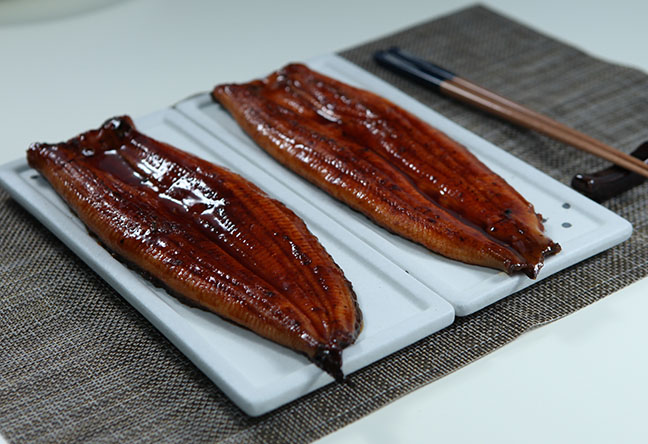
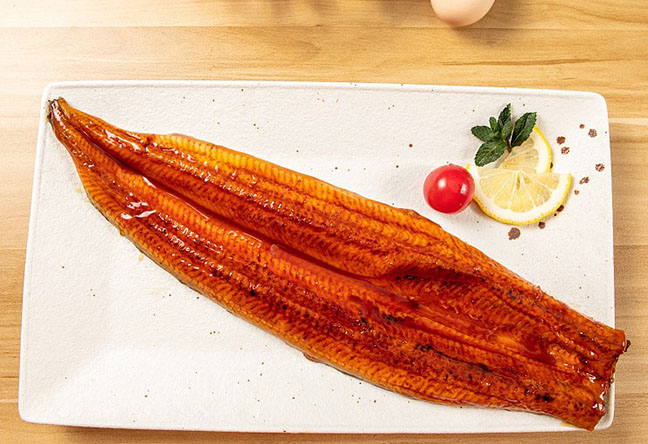
Unagi don, short for unagi donburi, is a Japanese rice bowl topped with grilled freshwater eel. The eel is commonly prepared as kabayaki: fillets are grilled, brushed with a sweet-savory sauce, then grilled again until the surface is lightly caramelized and glossy.
The format is simple, but it is deeply satisfying. Steamed white rice fills the bowl, with one or more pieces of glazed eel placed on top. Restaurants may brush extra sauce over the fish or add a small amount to the rice. A pinch of sansho pepper adds a fresh, citrus-like aroma that cuts through the eel’s richness.
The appeal lies in the contrast of textures and flavors. The rice is soft and warm, while the eel is tender, rich, and gently smoky. Sweetness from the tare balances soy-like savoriness and the char from grilling. Unlike a mixed bowl with many toppings, unagi don keeps the focus firmly on the eel.
Restaurants may also use terms such as unadon or unaju. “Unadon” generally means eel served in a bowl, while “unaju” is more often associated with eel served in a lidded lacquered box. Usage varies by restaurant and region, so menu descriptions should clearly state the serving format.
Unagi chirashi features eel in a chirashi-style sushi presentation. The word “chirashi” means “scattered,” and the dish usually combines sushi rice with toppings arranged across the surface or mixed throughout. Rather than making eel the only major ingredient, unagi chirashi often includes a wider selection of toppings.
Depending on the restaurant, the bowl may include chopped or sliced grilled eel, tamagoyaki, shiitake mushrooms, cucumber, salmon, shrimp, ikura, shredded nori, and other sushi ingredients. The rice is seasoned with sushi vinegar, giving it a brighter and more tangy flavor than the plain rice typically served with an eel bowl.
There is no single fixed recipe. Some restaurants create a neat, carefully layered arrangement over sushi rice. Others scatter the ingredients more freely for a relaxed, colorful presentation. Either way, the dish feels closer to sushi than to a traditional grilled-eel rice bowl.
This distinction matters when customers order. Someone choosing an eel rice bowl may expect a generous portion of warm, glazed eel. Someone ordering chirashi may be looking for variety, color, and the clean acidity of seasoned sushi rice.
| Feature | Unagi Don | Unagi Chirashi |
|---|---|---|
| Rice | Plain steamed rice | Vinegared sushi rice |
| Eel position | Usually the central and dominant topping | One topping among several, or a featured sushi ingredient |
| Sauce | Usually more visible and generous | Often lighter to protect the balance of the sushi toppings |
| Presentation | Simple, warm rice bowl | Scattered or arranged sushi-style bowl or platter |
| Customer expectation | A rich, comforting eel-centered meal | A varied sushi meal with eel included |
The simplest way to remember the difference is this: unagi don is built around grilled eel and warm rice, while unagi chirashi is built around sushi rice and a wider range of toppings.
The dishes can share ingredients, but they are not interchangeable menu names. If a restaurant serves plain rice with a large glazed eel fillet and labels it “chirashi,” customers may find the description misleading. Clear menu wording sets the right expectation before the first bite.
Plain steamed rice provides a soft, neutral base for the eel’s sauce. It absorbs the tare while allowing the grilled fish to remain the main flavor. That is one reason an eel rice bowl works so well for a quick lunch, takeaway meal, or fixed restaurant set.
Sushi rice brings acidity to the dish. Its vinegar seasoning cuts through the richness of eel and leaves room for ingredients such as salmon, shrimp, egg, and vegetables. It also affects texture. Properly prepared sushi rice should hold together while remaining distinct, never wet or mushy.
A generous brush of eel sauce suits an eel-centered bowl. Apply it to the fillet during reheating, then use a small amount over the rice before serving. The aim is a glossy finish and enough flavor to season the rice, not a puddle of sauce at the bottom of the bowl.
For chirashi, a lighter hand works better. The eel may already be glazed, and the rice has its own seasoning. Often, a small finishing drizzle is all that is needed. Buyers choosing a tare for foodservice should consider sweetness, saltiness, viscosity, and how the sauce performs after heating.
We explain more about the role of the glaze in our article on kabayaki sauce. It is useful reading when comparing sauce options for restaurant production or retail meal kits.
A straightforward eel bowl can be positioned as a focused specialty. Add tamagoyaki, pickles, and miso soup, and it becomes a complete set meal without losing its identity.
Chirashi leaves more room for seasonal ingredients and premium combinations. A restaurant might offer eel with cucumber and egg for an accessible lunch, then create a higher-priced version with ikura, tuna, shrimp, and seasonal vegetables. Costs and visual impact can change quickly once additional toppings are introduced.
Japanese eel dishes use a common ingredient, but the preparation and serving style can vary widely. Knowing the names helps importers, menu developers, and home cooks select the right product.
One important distinction: unagi usually refers to freshwater eel, while anago generally refers to conger eel, a saltwater eel. They can appear similar on a menu, but their flavor, fat content, texture, and traditional cooking methods differ. When sourcing for a restaurant, confirm the species and product description rather than relying on the word “eel” alone.
Start with the intended menu item. For an eel bowl, choose fillets with consistent sizing and enough surface area for an even glaze. Portion control matters, especially during a busy service when every bowl needs to look consistent.
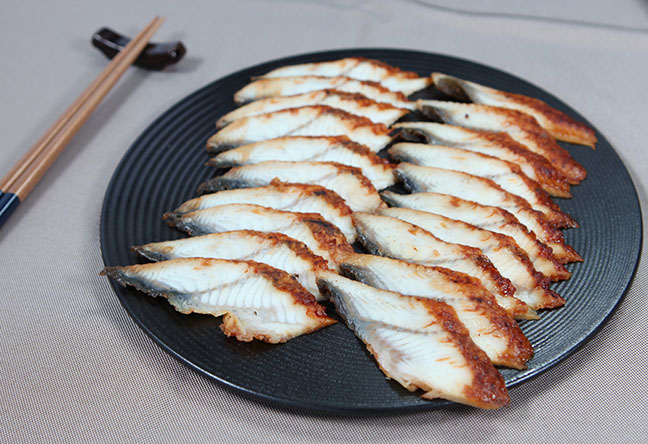
For chirashi, smaller cuts or sliced kabayaki can work well because the eel is paired with other toppings. The pieces should remain tender after reheating while being firm enough to arrange without falling apart.
Check the following before placing an order:
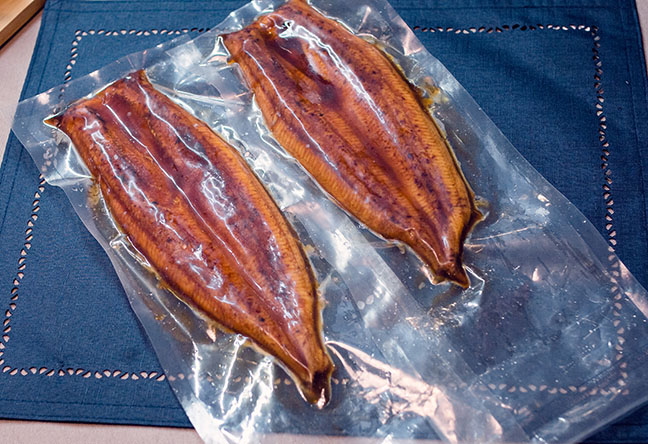
Eelpro Co., LTD supplies frozen unagi kabayaki for foodservice and distribution. Buyers can use whole portions for rice bowls or cut the fillets for sushi-style dishes, depending on the menu plan.
Frozen cooked kabayaki is convenient because the grilling and glazing have already been completed. Thaw it according to the package directions. When time allows, thawing a fillet in the refrigerator overnight usually produces more even reheating than placing it frozen directly into a hot pan.
For a common home method, warm the fillet in a covered pan with a small splash of water for **5–7 minutes over low to medium heat**, or use an oven at approximately **180°C for 8–10 minutes**, adjusting for thickness and the supplier’s instructions. A microwave is convenient as well, but cover the eel and heat it in short intervals to prevent the edges from drying out.
For food safety, follow the product label and local regulations. When reheating a chilled or frozen prepared product for service, the center should be fully hot; many foodservice operations use **74°C** as a reheating reference for cooked foods, subject to local requirements.
Avoid boiling the eel. Boiling can wash away the glaze and make the surface overly soft. A covered pan, steamer, oven, or grill gives you better control.
Do not prepare sushi rice and then add the same amount of sauce you would use for a plain rice bowl. Vinegar, sugar, salt, eel, and tare all contribute flavor. Start with less sauce, then taste the complete bite before adding more.
Another common mistake is cutting the eel while it is still cold. Reheat the fillet first, then slice it with a sharp knife. The pieces will hold their shape better, which is especially important when arranging chirashi or topping a takeaway bowl.

A casual Japanese restaurant, food court, or takeaway counter may find an eel bowl easier to explain and produce. The format has fewer components, quicker assembly, and a clear visual identity. A standard portion of eel, rice, sauce, and garnish can be repeated consistently across service periods.
Chirashi may be a better fit for a sushi restaurant, premium lunch menu, bento program, or seasonal promotion. It offers room for multiple price points. You can keep eel as the main feature or pair a smaller portion with other seafood and vegetables.
For retail, the best option depends on how customers will use the product. A family pack of kabayaki can serve rice bowls, noodles, bento boxes, and sushi-inspired salads. A single-portion pack may be more suitable for a quick meal solution.
Our eel recipes also show how prepared eel can move beyond rice bowls. The same product can work in noodle soup, a bento, or a warm salad when the portion size and sauce are adjusted.
Unagi don is a bowl of plain steamed rice topped mainly with grilled freshwater eel and eel sauce. Unagi chirashi is a sushi-style dish made with vinegared rice and scattered or arranged toppings, which may include eel, egg, vegetables, and other seafood. The rice seasoning, topping variety, and presentation are the clearest differences.
It is commonly served hot, with grilled kabayaki eel placed over steamed rice. Sansho pepper, nori, pickles, miso soup, and small side dishes may accompany it. Some restaurants serve similar eel and rice in a lidded box under the name unaju. Menu terminology can vary, so the description should state whether the dish comes in a bowl or box.
Choose an eel bowl when you want simple assembly, clear customer expectations, and eel as the main selling point. Choose chirashi when your restaurant already works with sushi rice and varied toppings, or when you want a colorful premium bowl. Hitsumabushi is another option if you want a more interactive dining format with condiments and broth.
Yes. A suitable frozen unagi kabayaki fillet can be served whole over steamed rice or sliced into a chirashi preparation. The main adjustments are portion size, sauce quantity, rice seasoning, and the choice of additional toppings.
The difference between these dishes goes beyond the name. Rice, sauce, toppings, temperature, and presentation all shape the meal the customer receives. Unagi don is warm, focused, and eel-forward. Unagi chirashi is brighter, more varied, and closer to a sushi bowl.
When planning a menu or sourcing for retail, decide first which eating experience you want to offer. Then match the eel portion, sauce, and packaging to that format. Eelpro Co., LTD can support buyers looking for frozen unagi kabayaki, eel sauce, freshwater eels, and other frozen seafood products.
Which style would you order first: a sauce-glossed bowl of eel over hot rice, or a colorful chirashi bowl with several toppings? Share your preference in the comments, and explore our product pages for more ideas on selecting and preparing eel.



 WhatsApp
 sales@chinaeels.com
 +8619937922411