





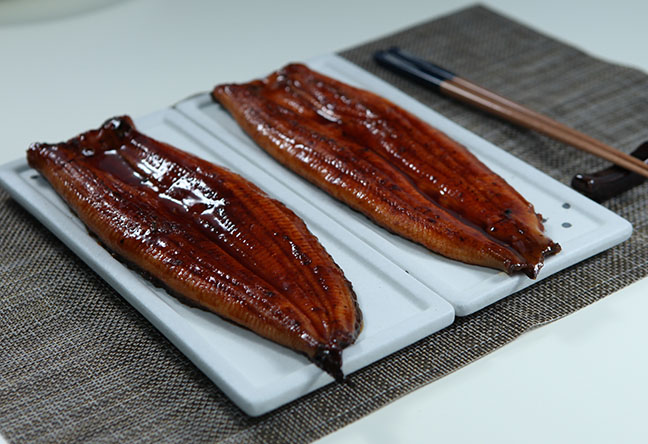
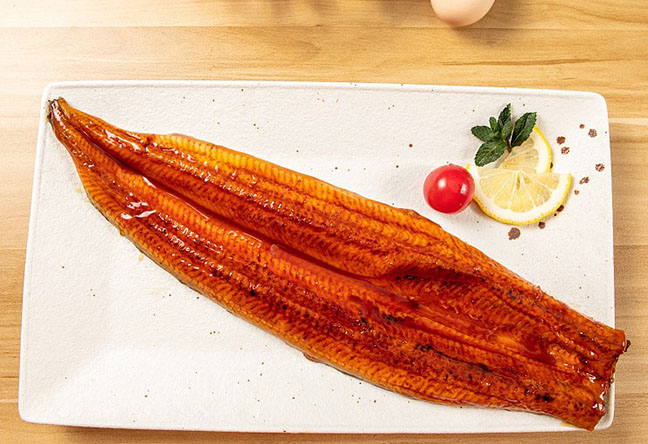
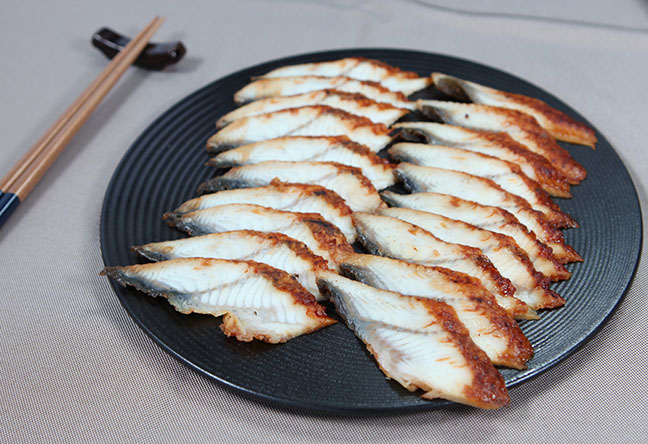
The eel is hot, glossy, and starting to caramelize at the edges. Then comes the key decision: which sauce belongs on top? Kabayaki sauce and teriyaki may look alike, but they taste different and perform differently on the plate.
Both sauces bring soy sauce, sweetness, and a rich brown shine to a dish. Still, one was developed around grilled eel, while the other is used across a much broader range of meat, fish, vegetables, and rice dishes. That distinction matters for home cooks and foodservice buyers alike. The wrong sauce can cover the flavor of premium eel or leave a rice bowl tasting one-dimensional.
In this guide, we compare their ingredients, texture, flavor, cooking uses, and purchasing considerations. We will also look at how our eel sauce products can support menus built around unagi, sushi, donburi, and frozen seafood.

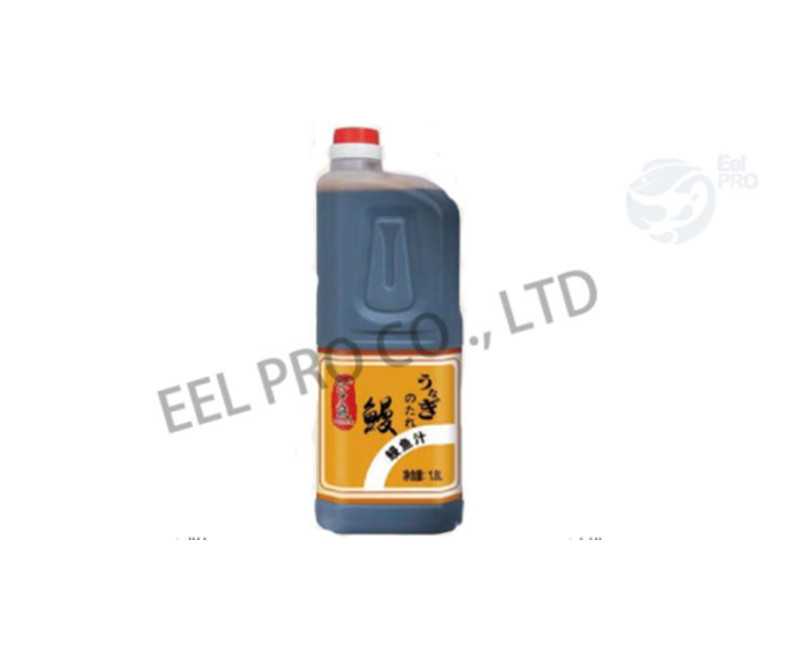
Kabayaki sauce is the sweet-salty finishing sauce traditionally paired with unagi kabayaki: eel that has been filleted, grilled, basted, and grilled again. In Japan, it is often called tare. On export labels, it may also appear as “unagi sauce,” “eel sauce,” or “kabayaki tare.”
The base commonly includes soy sauce, sugar, and mirin. Some recipes also contain sake, while commercial formulas may use water, starch, seasonings, or other approved ingredients to achieve a stable texture. Recipes vary by producer and destination market, so buyers should review the ingredient declaration and specification sheet rather than assume every bottle will taste the same.
Its role is more precise than adding sweetness. The sauce needs to cling to grilled eel, create an appetizing gloss, and balance the fish’s rich, fatty character. When heated, the sugar forms a lightly caramelized coating. A well-made batch should taste savory at first, with sweetness following behind and enough depth to complement the eel.
Teriyaki is both a Japanese cooking method and a sauce style. The word combines teri, referring to shine or luster, and yaki, meaning grilling or broiling. In a teriyaki-style preparation, a sweet soy-based sauce is brushed onto food or simmered with it during cooking.
Traditional Japanese teriyaki may use soy sauce, mirin, sake, and sugar. Outside Japan, however, the term covers a broad family of products. Some are thick, sweet finishing sauces, while others are thinner marinades. Garlic, ginger, sesame oil, honey, fruit juice, or corn syrup may appear in modern formulas.
That flexibility is useful in restaurants. Teriyaki can work with chicken, beef, salmon, shrimp, tofu, mushrooms, and vegetables. However, a sauce formulated for chicken wings or stir-fried beef may be too sweet, too thick, or too strongly seasoned for a delicate eel portion.
The clearest difference is the food each sauce was designed to accompany.
This does not mean each sauce can be used with only one ingredient. Teriyaki can be brushed onto eel, and kabayaki sauce can season other foods. The difference comes down to balance. Kabayaki sauce is tuned to eel’s richness and slightly smoky grilled flavor. Teriyaki is made for broader menu flexibility.
Kabayaki sauce usually delivers a clean combination of soy savoriness, sugar sweetness, and mild fermented depth from mirin or sake. It is rich, but it should not taste like candy. The sauce should balance a bite of oily fish without overwhelming it.
Teriyaki often has a more pronounced sweet note, especially in export-market versions. Garlic, ginger, sesame, honey, or fruit-based ingredients can make the flavor more aromatic. Those notes can be excellent on grilled chicken or salmon, but they may hide the subtle character of freshwater eel.
For an unagi donburi, the sauce should support the rice and eel rather than compete with them. For a mixed-grill menu, a bolder teriyaki may be the more practical choice.
A classic Japanese eel glaze is usually glossy and moderately thick. It should brush onto the eel in a thin layer and stay on the surface after reheating. If the sauce is too watery, it may run into the rice before the customer takes the first bite. If it is too thick, it can feel sticky and overpowering.
Teriyaki texture depends heavily on the product. Some varieties are thin enough to use as marinades. Others are reduced with sugar or thickened with starch to create a heavier coating. Foodservice buyers should ask about viscosity, packaging, storage, and the recommended application method.
For plated eel, a useful starting point is one light brush before heating and another small brush after heating. Follow the product instructions, but avoid flooding the portion. The surface should shine, not swim.
Kabayaki seasoning generally stays close to a soy-sugar-mirin profile. Teriyaki products can contain a wider selection of flavorings, from garlic and ginger to sesame, chili, honey, and fruit.
This difference affects allergen review, menu labeling, and flavor consistency. Soy is common to both styles, but the full formula should be checked for wheat, alcohol-derived ingredients, sweeteners, preservatives, and other declared components. For international buyers, request the specification, certificate documents, and storage requirements before placing a large order.
The classic use is straightforward: place grilled eel over steamed rice, brush with sauce, and serve with a small amount of sansho pepper if desired. The pepper’s citrus-like aroma cuts through the richness without masking the fish.
There are plenty of other practical kabayaki sauce uses:
Start with a small amount. You can always add more at the table, but excess sauce is difficult to remove. If the sauce is concentrated, dilute it only according to the supplier’s guidance. Adding water can weaken the flavor and shorten refrigerated shelf life after opening.
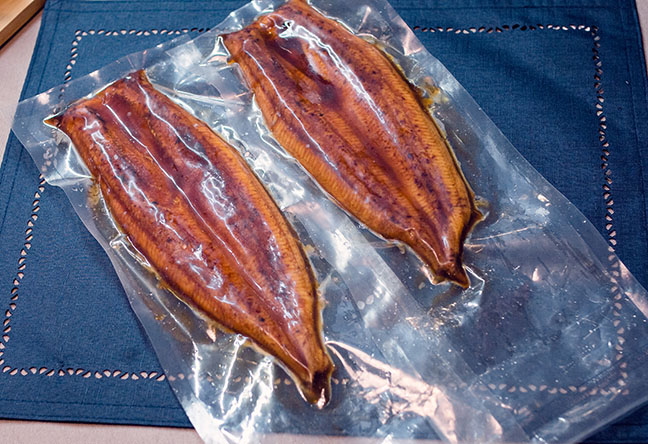
For frozen eel, thawing and reheating affect the final taste as much as the sauce itself. Keep the product frozen until needed, thaw it under controlled refrigeration, and follow the package instructions. A typical reheating approach may use an oven or grill at about 180°C for 8–10 minutes, but the correct time depends on portion size, equipment, and whether the eel is already cooked. Always follow the product specification.
With our frozen unagi kabayaki, operators can serve a cooked, seasoned eel portion after reheating. Brush the surface with a modest amount of sauce near the end of heating, then add a final light finish before plating. This helps prevent the glaze from burning while keeping the surface bright.
Teriyaki can be used in much the same way, but choose a lighter formula for eel. If the product contains strong garlic, ginger, or smoke flavor, test it on a small batch first. A sauce that works beautifully on chicken may overwhelm unagi.
For restaurants, the question is not just flavor. Portion control, speed, storage, and menu consistency matter too.
Many kitchens use a squeeze bottle, brush, or measured ladle. A fixed portion helps control food cost and keeps every rice bowl consistent. The sauce may be applied during grilling, after reheating, or at the pass. The best approach depends on viscosity and whether the eel arrives already seasoned.
When buying in bulk, ask suppliers these practical questions:
For sushi chains and Japanese restaurants, a dedicated eel sauce often simplifies menu development. For a broad pan-Asian menu, one teriyaki sauce may cover more dishes. The right choice depends on the menu, not on which label is more familiar.
In traditional eel shops, the sauce is often treated as an important house element. Some shops keep adding fresh sauce to an existing batch over time, although modern food safety controls and local regulations must guide any commercial practice. This helps explain why two eel restaurants can use similar ingredients yet produce noticeably different flavors.
More glaze does not always mean better eel. A heavy layer can make the rice wet, hide the grilled aroma, and leave a sugary aftertaste. For a standard portion, apply a thin coat first, taste, and adjust. You should still be able to recognize the eel.
Another common mistake is confusing a dipping sauce with a finishing glaze. A thin sauce may be perfect for dipping sushi, while a thicker product may hold better on grilled eel. Read the label and test the product in the actual serving format.

Choose a dedicated kabayaki-style product when eel is the center of the dish. It is also a strong option for unagi don, sushi rolls, eel boxes, and Japanese rice bowls where a clean soy-sweet flavor is expected.
Choose teriyaki when you need one sauce for several menu categories, such as chicken, beef, salmon, shrimp, tofu, and vegetables. It can still work with eel, but select a product with moderate sweetness and restrained aromatics.
For buyers comparing samples, prepare the same eel portion with each sauce. Use the same reheating temperature, brushing amount, and holding time. Then assess four points: aroma, sweetness, cling, and aftertaste. A proper kitchen test reveals far more than comparing bottles at room temperature.
Kabayaki sauce is a soy-based sweet glaze associated mainly with grilled eel. Teriyaki is a broader cooking style and sauce category used for chicken, beef, seafood, tofu, and vegetables. Both may contain soy sauce, sugar, mirin, and sake, but teriyaki products often include stronger aromatics or a thicker texture. Kabayaki sauce is usually chosen when the flavor of eel needs to remain clear.
Foodservice kitchens use it as a brush-on glaze for reheated eel, a finishing sauce for unagi don, a drizzle for sushi rolls, or a seasoning for rice bowls and noodles. Operators should confirm the product’s viscosity, application method, storage instructions, allergen statement, and pack size. A measured brush or squeeze bottle helps control portions and maintain consistent taste.
A dedicated unagi sauce or kabayaki sauce is usually the best starting point for eel dishes because its sweet-salty balance is designed for grilled eel. A mild teriyaki can also work, especially when the dish includes vegetables or other proteins. Test both sauces with the exact eel product and serving style before making a menu decision.
Yes, in a practical sense, but the result may be sweeter or more strongly seasoned. Start with a lighter amount of teriyaki. If it contains garlic, ginger, honey, or smoke flavor, expect a different menu profile from a traditional eel bowl.
They are often used to describe similar soy-based sauces served with grilled eel and sushi. However, names vary by supplier and market. Check the ingredients, viscosity, intended applications, and product specification rather than relying on the name alone.
Kabayaki sauce and teriyaki share a glossy soy-sweet foundation, but they serve different purposes. Kabayaki sauce keeps the focus on grilled eel, rice, and Japanese-style presentation. Teriyaki offers broader menu coverage and works well when stronger seasoning is welcome.
Eelpro Co., LTD supplies frozen unagi kabayaki, eel sauce, freshwater eels, and frozen seafood for overseas buyers. Contact us to discuss product formats, sauce options, and samples for your market. If you have a favorite eel glaze or a creative rice-bowl combination, share it with us or explore our article on why kabayaki sauce matters in eel dishes.


 WhatsApp
 sales@chinaeels.com
 +8619937922411