





Japanese Eel vs Anago: Key Differences Explained
You order unagi kabayaki, but the product label says anago. Are they the same fish? Not exactly. For importers, distributors, chefs, and home cooks, the distinction affects texture, flavor, yield, and menu positioning. This guide explains how to tell Japanese eel and anago apart before you buy or cook them.

What Do “Unagi” and “Anago” Actually Mean?
In Japanese food culture, unagi usually refers to freshwater eel. The species most closely associated with Japanese unagi is Anguilla japonica, commonly called Japanese eel. It grows in rivers, lakes, ponds, and coastal waters, then returns to the ocean to reproduce.
Anago generally refers to saltwater conger eel. In Japanese cuisine, it often means the whitespotted conger, Conger myriaster, although commercial naming can vary by market. Anago belongs to a different genus than Japanese eel. That scientific difference matters when you are reviewing an import specification or comparing supplier quotations.
One point can confuse buyers: “unagi” is sometimes used as a menu term or product style rather than a precise species name. Farmed eels from other Anguilla species may be sold as freshwater eel or unagi-style products in different markets. Rather than relying on the English common name alone, ask for the scientific name, origin, farming details, and a product photograph.
Japanese Eel vs Anago: The Main Biological Difference
Japanese eel is a catadromous freshwater eel
Japanese eel spends much of its growth stage in freshwater or brackish environments, but it does not remain in rivers throughout its life. It is a catadromous fish: it grows inland or near the coast, then migrates to the sea to spawn. Young eels, known as glass eels when they reach coastal waters, gradually develop pigmentation as they move into their growing habitats.
That life cycle helps explain why freshwater eel products can have a rich, oily flavor. The fish stores fat as it grows, contributing to the soft mouthfeel associated with grilled unagi.
Anago is a marine conger eel
Anago remains in the sea. It is a saltwater fish that lives on or near the seabed, often in coastal waters. Unlike Anguilla japonica, it does not migrate from a freshwater growing habitat in the same way.
The term “conger eel” covers several marine eel species, so buyers should still confirm the Latin name. If a specification only says “anago,” request the exact species. This is particularly useful when comparing Japanese conger, European conger, and other marine eel products with different sizes, flavor profiles, and market values.
Freshwater Eel vs Saltwater Eel: Habitat and Product Effects
The freshwater eel vs saltwater eel comparison is not simply about where the fish lives. Habitat can influence body composition, muscle structure, and cooking performance. It is not an absolute rule for every individual fish, but it gives buyers a practical starting point.
| Feature | Japanese eel or unagi | Anago or marine conger eel |
|---|---|---|
| Typical scientific name | Anguilla japonica | Often Conger myriaster |
| Habitat | Freshwater, brackish water, and coastal waters during different life stages | Marine and coastal saltwater environments |
| Common Japanese name | Unagi | Anago |
| Typical texture | Soft, rich, and moist when properly cooked | Lighter, finer, and often more delicate |
| Common menu uses | Kabayaki, unadon, unaju, sushi, rice bowls | Sushi, tempura, simmered dishes, anago-don |
The table reflects common culinary patterns, not a replacement for a product sample. Size, season, fat content, processing method, freezing history, and cooking time can all affect the final result.
Flavor and Texture: Why Chefs Treat Them Differently
Well-prepared unagi is known for its full, fatty flavor. The flesh is tender and moist, and it carries a sweet-savory tare without being overwhelmed by the sauce. That makes it a strong choice for rice bowls, where the fish needs to remain the central flavor.
Anago is often leaner and more delicate. Its flesh can feel lighter and flakier, with a cleaner marine note. It works well with sushi rice, a light glaze, tempura batter, or a simmered preparation. A chef expecting the richness of unagi may find anago too mild, while a chef building a lighter sushi course may prefer it.
Processing also changes the comparison. A frozen, pre-grilled fillet with sauce will not taste like a raw whole fish. Sauce coverage, grilling temperature, portion thickness, and thawing method all make a difference. For foodservice trials, cook both products using the same method and compare yield, tenderness, sauce absorption, and holding quality.
Appearance and Eel Species Identification
Visual checks can be useful, but they are not enough for a formal purchasing decision. Eels are slippery, elongated fish, and frozen fillets may be trimmed, cut, or covered with sauce. Use appearance as an initial screen, then confirm the species through documentation.
What Japanese eel usually looks like
- The back is generally dark gray, olive-brown, or nearly black.
- The belly is paler, often cream or light gray.
- The body is round and cylindrical, with a relatively small head for its length.
- The skin is smooth and does not usually show the distinct line of white spots associated with anago.
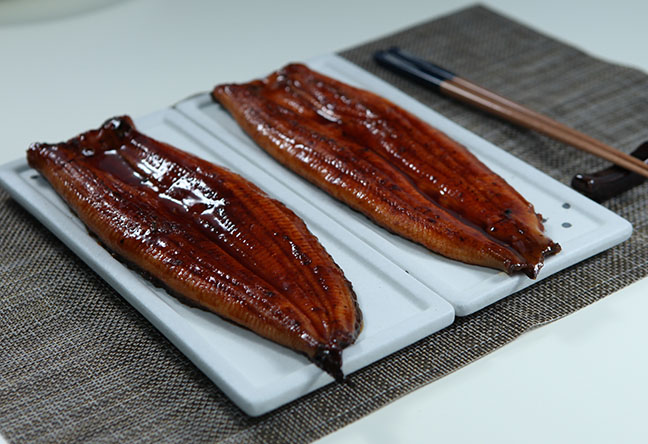
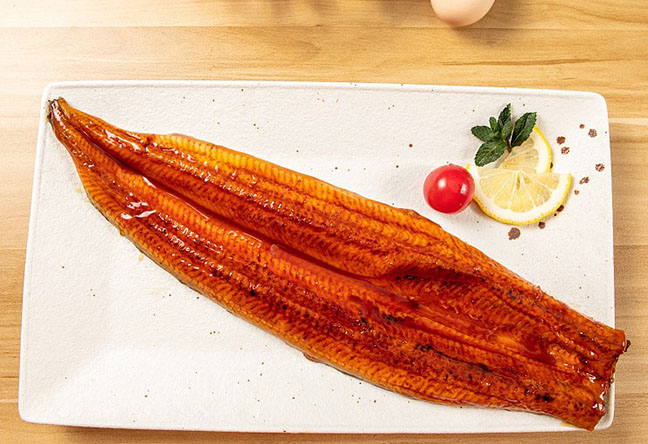
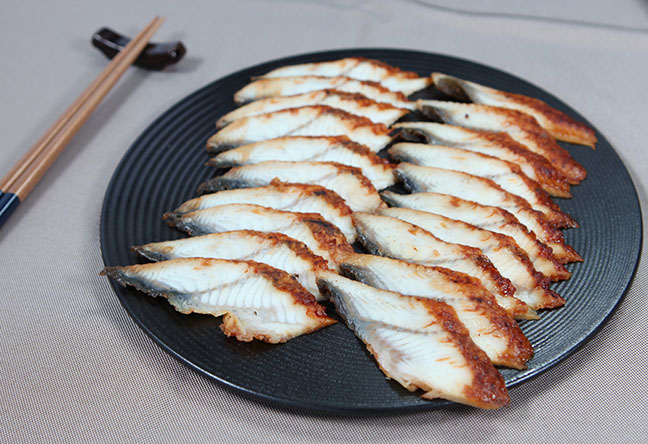
- Prepared kabayaki is commonly sold as long, boneless fillets with a dark grilled surface and brown sauce.
What anago usually looks like
- The body may appear light brown, gray-brown, or tan.
- Many whitespotted conger specimens show small pale spots or markings along the lateral line.
- The head can appear broader, and the body may look flatter than that of a typical freshwater eel.
- The flesh is often pale and fine-grained after cooking.
- Retail products may be sold as skin-on fillets, sushi portions, simmered pieces, or tempura-ready cuts.
For serious eel species identification, request the scientific name, harvest or farming country, product form, size range, skin-on or skinless status, and a clear image of the raw fish. A certificate of analysis, catch documentation, or traceability record may also be appropriate for your market. The exact documents depend on the destination country and product category.
How Can Buyers Distinguish Unagi from Anago?
When buying whole fish or raw fillets, start with the label. Look for Anguilla japonica or another declared Anguilla species for freshwater eel. For anago, look for Conger myriaster or the exact marine species named by the supplier.
Next, inspect the product form. A dark, glossy, sauce-coated fillet may suggest kabayaki, but it does not prove the species. Sauce can conceal the skin and its markings. Ask whether the fillet is pre-grilled, whether bones have been removed, and whether the stated weight includes sauce or glaze.
Then compare the commercial specification:
- Species: Request the Latin name, not only “eel.”
- Origin: Confirm the farming area or catch area and processing location.
- Size: Check whole-fish count per kilogram or fillet weight per piece.
- Yield: Ask for boneless yield and trimming standards if the product is intended for foodservice.
- Processing: Confirm kabayaki grilling, sauce application, glazing, and freezing method.
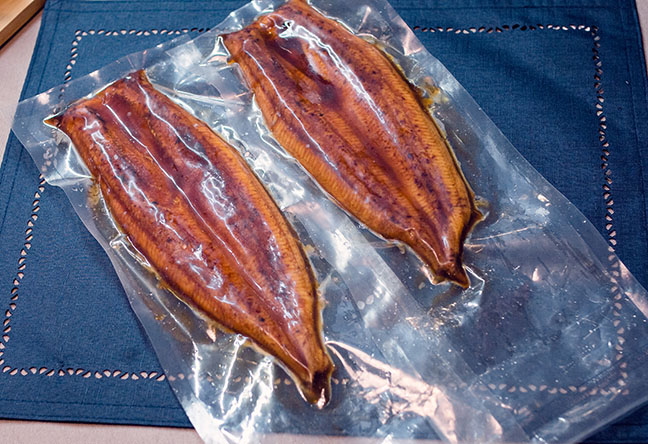
- Cold chain: Keep frozen products at **-18°C or below**, unless the product specification states a stricter requirement.
For a restaurant or distributor, a small sample order is often more useful than a long product description. Thaw the product according to the supplier’s instructions, warm it, and test it in the dish you plan to sell. A fillet that performs well in a rice bowl may not be the best choice for sushi or a retail tray.
Cooking Applications: Unagi Kabayaki and Anago Dishes
Unagi is closely associated with kabayaki. The fish is filleted, skewered, grilled, coated with tare, then grilled again. Repeated glazing creates the familiar lacquered surface and smoky-sweet flavor. For quick foodservice preparation, frozen pre-grilled unagi kabayaki can be portioned over steamed rice, served in an unadon bowl, or added to sushi and bento menus.
The heating method matters. Avoid boiling a sauced fillet, which can wash away flavor and make the surface overly soft. For a thawed pre-cooked product, warm it gently in an oven, grill, pan, or microwave according to the supplier’s instructions. A practical starting point is **180°C for 5–8 minutes in an oven**, though thickness and starting temperature will change the result. Always follow the product specification and heat until the center is hot.
Anago is common in sushi restaurants, where it may be simmered until tender and brushed with a light sauce. It also appears in tempura, grilled dishes, and rice bowls. Its softer flavor suits preparations where the fish shares the plate with sushi rice, seaweed, vegetables, or a mild dashi-based sauce.
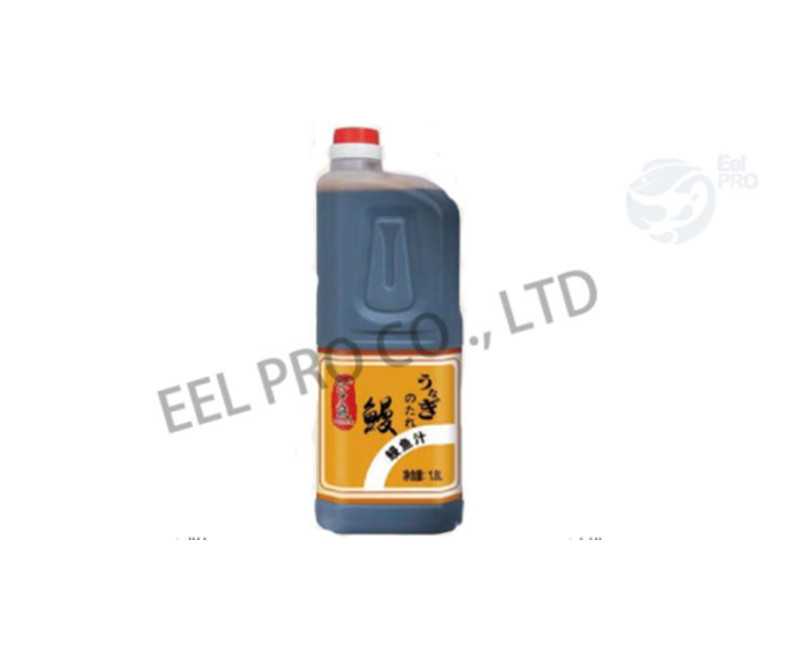
The sauce changes the customer’s perception, too. A thick, sweet tare makes a dish taste more like classic unagi. A lighter soy, mirin, or dashi glaze allows anago’s delicate flavor to come through. If you want to compare sauces, our eel sauce range can help you test different menu directions. You may also find useful pairing ideas in our article about kabayaki sauce.
Buyer’s Checklist for Importers and Distributors
A clear specification protects both sides of a transaction. Before placing a larger order, confirm the following points in writing:
- Scientific species and common market name.
- Freshwater eel or marine conger classification.
- Whole fish, fillet, portion, or pre-cooked kabayaki format.
- Skin-on or skinless processing.
- Bone-removal standard and trimming tolerance.
- Piece weight, carton weight, and acceptable size range.
- Sauce type, sauce-to-fish ratio, and whether the quoted weight includes sauce.
- Packaging, glazing, storage temperature, and shelf-life conditions.
- Required export and food-safety documents for the destination market.
One common purchasing mistake is comparing a raw anago fillet with a cooked, sauced unagi fillet by carton price alone. The products may have different yields, preparation costs, and serving sizes. Compare cost per finished portion instead.
Another avoidable mistake is using “Japanese eel” as a loose label when the species has not been confirmed. A buyer may intend to purchase Anguilla japonica but receive another freshwater eel species or a marine conger product. Good documentation prevents that problem before it reaches the menu.
Cold fact and buying tip
Japanese eel does not remain in freshwater throughout its life. It grows in freshwater or coastal habitats and migrates to the ocean to spawn. Anago, by contrast, is a marine conger eel. When a label makes the two fish sound interchangeable, check the scientific name first.
Frequently Asked Questions
What is the difference between Japanese eel and anago?
Japanese eel usually refers to a freshwater eel in the genus Anguilla, especially Anguilla japonica. Anago usually refers to a marine conger eel, often Conger myriaster. Japanese eel tends to be richer and softer, while anago is often lighter and more delicate. Species, size, processing, and cooking method can all change the final result.
How can buyers distinguish unagi from anago?
Check the scientific name and product documents first. Unagi should be identified as an Anguilla species, while anago should state the relevant conger species. Visual clues include a darker, rounder body for many freshwater eels and pale spots along the lateral line on many whitespotted congers. Sauce and filleting can hide these clues, so appearance alone is not sufficient.
Is Japanese eel freshwater or saltwater?
Japanese eel is a migratory fish that grows mainly in freshwater, brackish water, or coastal habitats and returns to the sea to spawn. In food and trade discussions, it is generally classified as freshwater eel. It is not permanently restricted to freshwater.
Can anago be used for kabayaki?
Yes, anago can be grilled and glazed, but its leaner, lighter profile may produce a different result from classic unagi kabayaki. If your menu is built around a rich, fatty rice bowl, test the product carefully for moisture, sauce absorption, and portion yield before changing the specification.
Is frozen eel suitable for restaurant and retail use?
Yes, when it is properly processed, packed, and kept within the stated cold-chain conditions. For frozen products, confirm storage temperature, shelf life, glaze percentage, thawing instructions, bone-removal standard, and cooking instructions. A sample trial should be part of the approval process.
Choose the Right Eel for the Dish
Japanese eel and anago are not two names for the same fish. One is a freshwater eel associated with unagi and rich kabayaki; the other is a marine conger eel valued for its delicate texture and lighter flavor. The difference starts with biology, then appears in its look, cooking behavior, menu use, and purchasing cost.
At Eelpro Co., LTD, we supply frozen unagi kabayaki, eel sauce, freshwater eels, and other frozen seafood for overseas buyers. Tell us your target market, portion size, cooking method, and packaging needs. We can help you compare suitable product specifications. For another practical recipe idea, see our guide to eel recipes, and share your favorite unagi or anago dish with us.


 WhatsApp
 sales@chinaeels.com
 +8619937922411