





The first bite reveals much of what makes grilled eel memorable: glossy sauce, smoky skin, tender flesh, and a sweet-savory aroma that arrives at the table before the plate does. But what does grilled eel actually taste like, and why does it fit so naturally into such a wide range of dishes?
For chefs, foodservice operators, and curious home cooks, the answer goes beyond simply calling it sweet and rich. Its character shifts with the fat content, skin, sauce, cooking method, and ingredients served alongside it. Knowing how those elements work together makes it easier to create a balanced rice bowl, sushi set, noodle dish, or modern seafood plate.

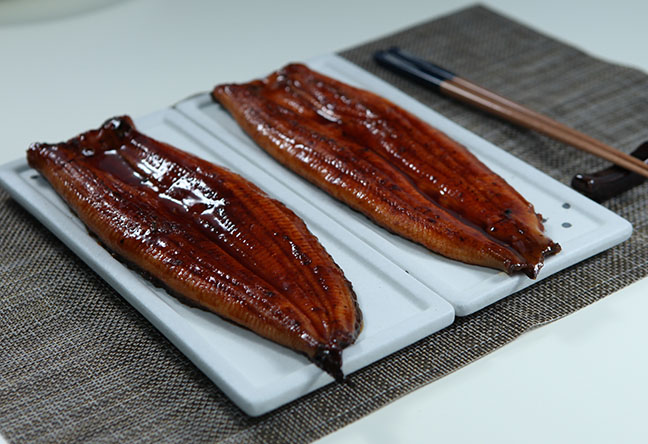
Grilled eel gets its signature taste from several elements working in harmony. Freshwater eel has naturally rich flesh, particularly when compared with lean white fish. Grilling draws out roasted notes from the skin and surface fat, while a sweet soy-based glaze adds salt, caramel-like sweetness, and umami.
That combination makes the dish feel both familiar and distinctive. It has the savory depth of roasted fish, the softness of a rich seafood cut, and the polished finish of a lacquered glaze. It is not simply “fishy.” When prepared well, grilled eel should smell clean, rounded, and gently smoky.
Traditional kabayaki-style seasoning commonly includes soy sauce, sugar or another sweetener, and mirin. Recipes vary, and commercial sauces may use different proportions, but the goal remains the same: the glaze should complement the fish rather than cover it up.
A well-balanced sauce leaves several impressions in sequence:
That balance is why eel sauce can do more than serve as a final drizzle. It can set the flavor direction for a rice bowl, sushi topping, noodle dish, or small plate. For menu development, sauce quantity matters. Too little and the fish can seem plain; too much and the dish becomes sticky, overly sweet, and one-dimensional.
Aroma is a major part of the grilled eel experience. As the glazed surface meets heat, the kitchen fills with notes of toasted sugar, soy, roasted skin, and warm fat. It is the fragrance many diners associate with an unagi restaurant before they have even opened the menu.
The aroma should be appealing rather than sharp. A clean seafood scent is normal, but a strong ammonia-like smell is not desirable. For buyers and cooks alike, aroma can reveal as much as appearance when evaluating a finished portion.
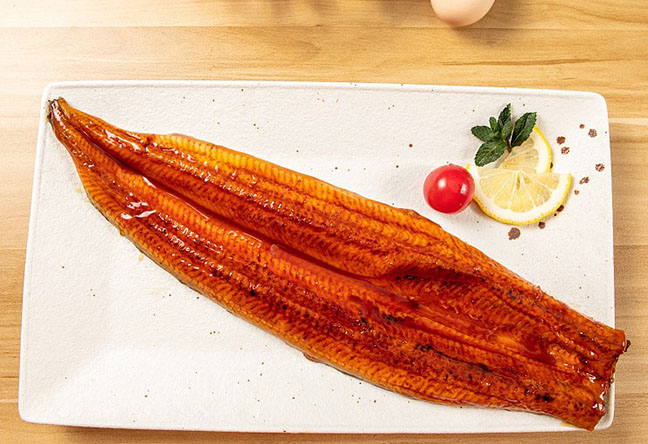
There is a visual connection as well. A dark, glossy surface suggests concentrated sauce and proper roasting, while a pale, wet-looking surface may indicate that the glaze has not developed enough. Appearance alone is never a complete quality test, but it does shape expectations before the first bite.
The skin adds a savory, slightly chewy contrast to the tender flesh. When it is browned properly, it brings a roasted note that prevents the dish from tasting overly sweet. Some diners prefer the skin side with deeper color because it creates a satisfying contrast with the soft interior.
For a foodservice tasting, compare a lightly glazed portion with one finished in a stronger glaze. The difference quickly shows how much of the fish’s natural aroma remains after saucing. It can also help a chef decide whether the finished dish needs citrus, herbs, pickles, or a fresh vegetable component.
The grilled unagi texture is one reason this fish has such a devoted following. Properly prepared eel is tender and moist, with a soft, almost yielding quality. It does not flake in the dry, clean way cod or haddock does. Instead, the flesh feels rich and cohesive, while the skin provides gentle resistance.
That mouthfeel works especially well in composed dishes. A portion can sit over rice without disappearing into it. It can also be folded into a hand roll, laid across noodles, or cut into smaller pieces for an appetizer while still holding its own.
Fat plays a central role in the eating experience. It carries aroma across the palate and gives the flesh its soft texture. This is why the same fish can seem more delicate when warm and more compact when chilled.
Temperature changes perception, too. A warm portion releases more aroma and feels softer, while a chilled portion offers a firmer bite and a quieter fragrance. Neither is automatically better; it depends on the dish. Warm rice bowls highlight richness, while chilled sushi or salad applications can use the fish as a concentrated savory accent.
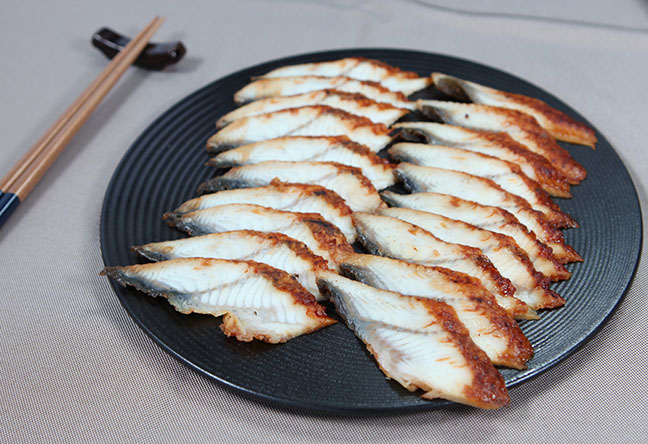
For consistency, foodservice teams should assess the product in the same format customers will receive. A slice intended for sushi has a different role from a larger fillet served over rice. Key points to check include flesh integrity, skin condition, sauce coverage, and whether the portion stays moist after reheating.
The eel taste profile falls between mild white fish and richer seafood. It has more body than tilapia or pollock, yet it is usually less intensely marine than sardine or mackerel. Its richness is closer to that of a fatty fish, although the seasoning and cooking method give it a clearly roasted, sweet-savory identity.
This makes eel highly flexible in menu planning. It can satisfy diners looking for something substantial without requiring the stronger flavor associated with oily pelagic fish. At the same time, its glaze and soft texture can feel approachable to guests who might not order plain fish.
Compared with salmon, grilled eel is often softer and more sauce-led, with less of the clean, flaky separation found in a salmon fillet. Compared with tuna, it is far more tender and fatty in mouthfeel, especially when served warm. Compared with shrimp, it lacks the springy snap and offers a smoother, more yielding bite instead.
Compared with roasted mackerel, eel is generally milder in aroma and sweeter at the finish. Compared with cod, it feels richer and less dry. These distinctions help chefs place it on a menu: it can anchor a bowl, serve as a premium topping, or become a small but memorable part of a multi-component plate.
The best pairings usually do one of three things: balance the richness, echo the glaze, or introduce contrast. Rice is the classic choice because its mild, warm flavor gives the fish room to lead. Still, grilled eel works with many other ingredients and formats.
Steamed white rice remains a dependable choice. Its mild flavor absorbs sauce without competing with the fish. Sushi rice also works well when eel is cut into smaller portions, especially when extra seasoning is used sparingly.
For a more contemporary bowl, try short-grain brown rice, barley, or mixed grains. They bring nuttiness and a firmer bite. The grain portion should not overwhelm the fish, though. A practical menu-development starting point is to keep the eel visually prominent rather than burying it beneath a large mound of toppings.
Noodles offer another strong direction. Soba contributes an earthy buckwheat note, while udon provides a soft, neutral base. Thin wheat noodles can also work with a light broth and shredded vegetables. See these eel recipe ideas for a soup-focused format that treats the fish as a savory centerpiece.
Acidity keeps a rich bite from feeling heavy. Pickled ginger is a familiar partner because its heat and freshness reset the palate. Yuzu, lemon, sudachi, rice vinegar, and mild pickled vegetables can serve the same purpose.
Fresh cucumber brings coolness and crunch. Shiso adds a green, mint-like herbal note. Scallions, mitsuba, and finely sliced radish add freshness without taking over the dish. For Western-style plates, consider a small amount of apple, fennel, or crisp cabbage slaw.
Use acidic ingredients with restraint. A sharp dressing can mask the gentle sweetness of the glaze. The best result is usually a clean lift at the end of the bite, not a sour coating across the palate.
Egg is a natural companion because its soft texture mirrors the fish. Tamagoyaki, soft scrambled egg, or a gently set omelet can create a comforting rice bowl. Avocado also works well, particularly in sushi rolls, because its creamy texture supports the eel’s richness.
These pairings still need contrast. Add cucumber, toasted sesame, scallion, or pickled ginger so the dish does not become too soft. Here, texture matters just as much as flavor.
Moderate spice can give the dish a new identity. Sansho pepper is a classic choice, bringing a citrusy, lightly tingling character. Shichimi togarashi adds heat along with sesame, citrus peel, and spice. A small amount of chili oil can work in a rice or noodle bowl, provided the sauce remains balanced.
Outside Japanese-style menus, grilled eel can fit into a bao, warm salad, grain bowl, or small plate with roasted vegetables. Try pairing it with pumpkin, sweet potato, grilled spring onion, or bitter greens. The common thread is balance: one rich element, one fresh element, and one component that adds texture.
A strong unagi menu pairing begins with the role the fish will play. Is it the main protein, a premium topping, or a flavor accent? That decision shapes portion size, sauce intensity, and the number of supporting ingredients.
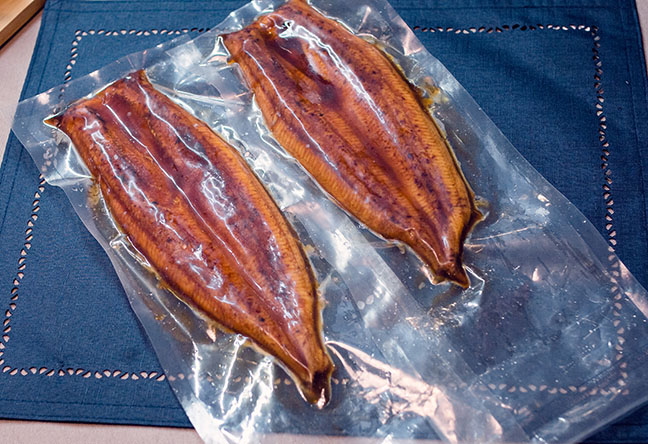
When using prepared portions, consistency is valuable. A product such as frozen unagi kabayaki can help a kitchen manage portion size, sauce coverage, and menu presentation more consistently from one service to the next. The finished dish should still feel fresh and thoughtfully composed.
Before building a dish, check four features:
It is also worth tasting the sauce on its own. If it is already very sweet, pair the eel with plain rice and sharp pickles. If it leans more savory, there may be room for sweeter vegetables or a richer garnish.
“Unagi” is the Japanese term commonly used for freshwater eel. “Anago” generally refers to conger eel, a marine eel used in different dishes and known for a lighter, often softer profile. They are not interchangeable in a menu description. Naming the fish clearly helps customers understand what they are ordering.
Do not stack sweetness on sweetness. A sweet glaze, sweet corn, sweet potato, and sweet mayonnaise can make a plate feel flat, even when each ingredient tastes good on its own. Add bitterness, acidity, spice, or crunch instead. A few shiso leaves or a spoonful of pickled cucumber may do more for the dish than another sauce.
Another common mistake is cutting the fish too small. When the portion is reduced to crumbs, diners lose the contrast between tender flesh and skin. Larger, clean pieces usually communicate quality more clearly.
It tastes rich, savory, mildly sweet, and lightly smoky. The fish itself has a fatty, tender character, while the kabayaki-style glaze brings soy, caramelized sweetness, and umami. A well-prepared portion should not have a harsh fishy aroma. Its flavor is fuller than mild white fish but usually less strongly marine than mackerel.
Warm rice, sushi rice, soba, udon, cucumber, pickled ginger, scallion, shiso, sansho pepper, avocado, egg, and light acidic dressings all pair well. Choose at least one fresh or crisp ingredient to balance the fish’s richness. For a fuller plate, add a neutral grain or vegetable rather than several sweet components.
It is soft, moist, and rich, with tender flesh and slightly more resistant skin. It is less flaky than cod, less springy than shrimp, and softer than many cuts of salmon when served warm. Compared with tuna, it has a more yielding mouthfeel and a stronger connection between the fish, skin, and sauce.
Yes. A sweet, thick glaze emphasizes roasted and caramelized notes, while a lighter sauce allows more of the natural fish aroma to come through. For menu testing, taste the fish plain, with a light coating, and with the finished sauce. This makes it easier to decide whether the dish needs acidity, herbs, or spice.
Grilled eel brings together rich flesh, roasted skin, glossy sauce, and a soft, satisfying mouthfeel. It can anchor a classic rice bowl, add depth to noodles, or become a refined small-plate ingredient when paired with fresh, sharp, and crisp elements.
At Eelpro Co., LTD, we supply frozen unagi kabayaki, eel sauce, freshwater eels, and other frozen seafood for foodservice and overseas buyers. Explore our kabayaki sauce guide for more flavor ideas, then share your favorite unagi menu pairing in the comments or with your kitchen team.



 WhatsApp
 sales@chinaeels.com
 +8619937922411