





A bowl of glistening unagi over rice can turn a casual diner into a loyal regular — and it can make your kitchen’s numbers sing. We’re not talking about a niche, complicated special. Done right, the eel rice bowl is one of the highest-margin, lowest-fuss items on a foodservice menu. Here’s how smart operators are engineering every bowl for profit, from portion to presentation.
A well-engineered eel rice bowl sits in a sweet spot. Guests see a luxurious, sizzling fillet on fluffy rice. In the back of house, you see five ingredients, one pan (or microwave), and a plate that’s out the door in under four minutes. That kind of speed doesn’t just raise table turns; it turns a $4 food-cost plate into a $16 menu item. And the best part? You don’t need a sushi master to do it.
We’ve watched a modest izakaya in Los Angeles do one thing: they swapped fresh whole eel for frozen unagi kabayaki fillets. Immediately, prep dropped from two hours of cleaning, skewering, and basting to literally tearing open a vac-pack. They now sell 70 bowls on a Friday night with one cook on the range. That’s menu engineering that pays the rent.

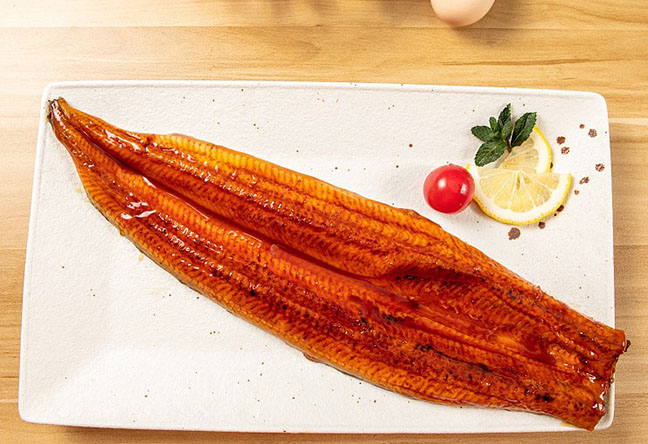
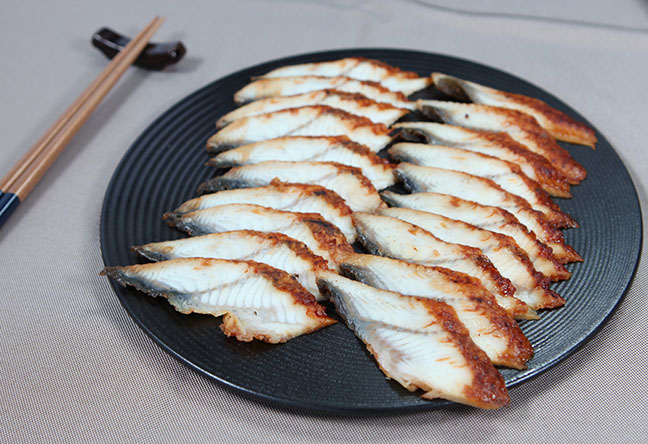
When you buy whole fish, yield is unpredictable. One eel might give you 90 grams after filleting; the next gives 140. That’s a pricing headache. With individually frozen, pre-grilled kabayaki from a consistent supplier, every fillet lands between 100 and 110 grams. Aim for 100 grams of finished eel per bowl. It’s the size that fills a standard donburi bowl without overwhelming the rice — and it keeps your food cost predictable to the penny.
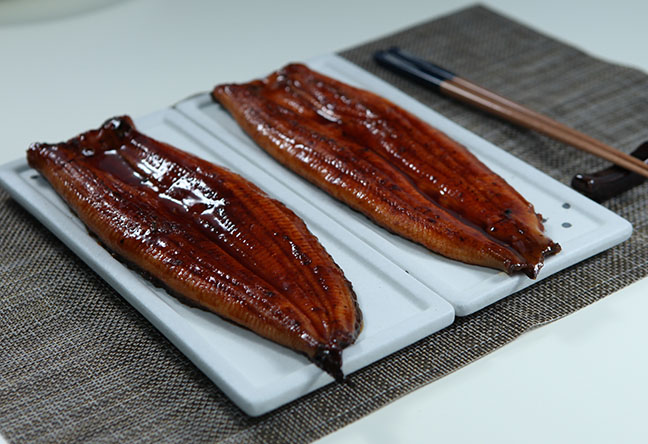
Side note on eel sauce: too many kitchens drown the bowl, thinking more sauce means more value. The opposite is true. A heavy pour masks the natural smoky-sweet of the eel and wastes product. For a 100‑g fillet, 25 ml of tare is the golden mark. That amount seeps into the rice without pooling, and it stretches your sauce inventory by 20% across a hundred bowls. We’ve tested this repeatedly in our own kitchen, and the flavour balance is spot on.
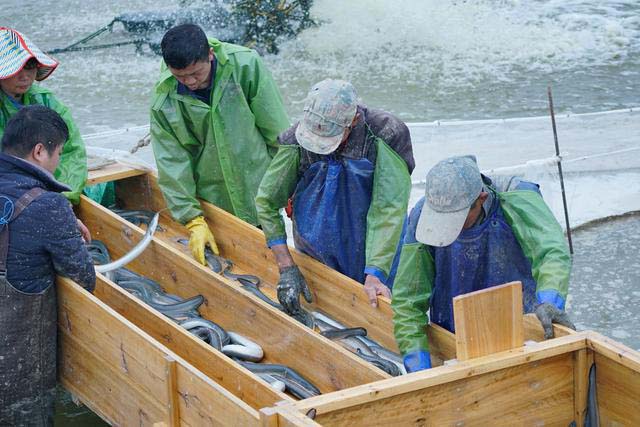
Authentic eel sauce (unagi tare) isn’t a quick whisk of pantry staples. It’s a slowly reduced stock that reuses the rich drippings of grilled eel — a frugal invention that turned a byproduct into liquid gold. The best versions, like the kabayaki sauce we make at Eelpro, simmer for hours to build depth without syrupy cloying. When you use a chef-made tare, you skip the labour of reducing your own and still deliver a house-made taste. If you’re serious about consistency, don’t wing the sauce.
An eel rice bowl lives in the premium-casual bracket. At $14–$18, it’s an affordable indulgence next to a $28 sushi platter. Build your price from a 28–32% food cost. With an all-in cost (frozen fillet + cooked rice + tare + garnish) around $4.60, a $15.90 menu price gives you a 71% gross margin — and the guest still feels they’re getting a deal. That’s the psychology of unagi: people expect it to be pricey, so a cleanly priced bowl reads as value.
If you’re worried about sticker shock, bundle. A “Unagi & Miso Combo” at $18.50 with a small side and soup barely nudges food cost up but raises perceived worth. Engineering the menu this way — placing the bowl next to higher-priced protein sets like grilled mackerel — makes the eel bowl look like the smart choice, not the splurge.
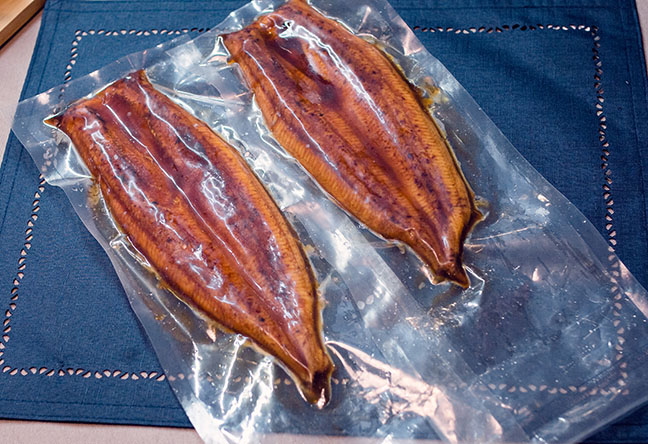
Great foodservice doesn’t need drama. It needs a system. The frozen unagi kabayaki fillets we supply are fully cooked and sauced; all you do is reheat. Boil-in-bag method: 3 minutes. Microwave (with cover): 90 seconds for one fillet. Grill or salamander: 2 minutes skin-side up. That’s a plate-ready fillet before your rice finishes steaming. No raw fish handling, no cross-contamination stress. One cook can fire multiple bowls simultaneously, and your kitchen doesn’t smell like an eel monger at 8 p.m.
We’ve seen a busy food hall stall churn out 40 eel rice bowls in 90 minutes — with a single induction burner and a rice warmer. The speed isn’t magic; it’s the result of building the bowl around a fully finished protein. When you remove the hardest step from service, profitability jumps because labour minutes shrink.
If you plate the eel directly from steam, the fillet weeps a little sauce and moisture into the rice. That’s what you want. But if you let the bowl sit under a heat lamp for more than five minutes, the bottom turns into a gummy mess. Assemble only on order; never batch-build eel bowls ahead. For takeout, pack the rice and eel in separate compartments so the fillet doesn’t steam the grains. Your delivery customer will thank you with a five-star review.

Call it “Unagi Don” and a subset of your customers will nod knowingly. Call it “Crispy Glazed Freshwater Eel over Steamed Rice” and suddenly a wider audience perks up. We suggest using both on the menu — the Japanese name in smaller type beneath the descriptive English title. That way you intrigue new diners while signalling authenticity to regulars who already love the dish.
Place the bowl in the “Grilled Specialties” section, not buried under “Rice Dishes”. Give it a brief, mouth-feel description: “Glazed with a rich soy-mirin tare and flashed under the grill, our eel fillet arrives shiny, tender, and slightly charred.” That’s a 10-word sales pitch that can lift orders by 15%. That’s not a guess — menu psychology research (and our conversations with foodservice operators) consistently shows descriptive labels boost sales of unfamiliar items.
A menu engineered for profit can’t survive on variable product. If your supplier sends fillets of different sizes, or if the sauce changes sweetness from batch to batch, your costs will wobble and your cooks will waste time adjusting. We freeze our kabayaki sauce-glazed eels at the peak of quality — each fillet individually quick-frozen, graded to a tight weight range, and vacuum-sealed so it tastes like it just came off the grill.
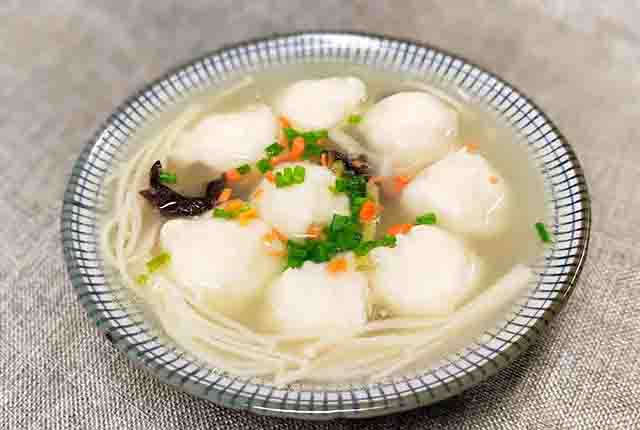
For operators who want to expand beyond the classic bowl, eel is incredibly versatile. Try chopping a warmed fillet and tossing it into hot noodles (our eel recipes page has a quick noodle soup method that works as a lunch special). Or use half a fillet in a pressed sushi roll for a lower-price snack. The same frozen product feeds multiple menu items, keeping inventories simple and turnover fast.
How can restaurants price an eel rice bowl? Start with a target food cost of 28–32%. Based on a frozen 100g kabayaki fillet, rice, tare, and garnish (about $4.60 total), a menu price of $15.90 gives a 71% gross margin. Adjust up or down depending on your local median check size, but keep the bowl above $14 to maintain the dish’s premium perception.
What makes an eel rice bowl profitable? Speed of execution, predictable portion size, and a premium price point. Using a fully cooked, pre-sauced fillet cuts labour to under a minute of active cook time. Consistent 100g portions keep food cost steady. Customers willingly pay café lunch prices for a protein seen as a luxury — that gap is pure profit.
How should foodservice buyers plan eel bowl portions? Order fillets that are individually graded to 100–110g. That per-bowl benchmark simplifies prep and inventory. For a café serving 30 bowls a day, a case of 50 fillets will cover a week with a small buffer. Build a par level that matches your freezer space (kabayaki takes up very little room) and reorder when you drop below 10 fillets. Always keep one extra case for unexpected demand — frozen unagi lasts months without quality loss.
The eel rice bowl doesn’t need a sushi master, a live eel tank, or a line of cooks. It needs a rock-solid frozen kabayaki fillet, a rich unagi tare, and a kitchen that understands just how profitable 100 grams of eel can be. We make that supply chain simple. From our freshwater eel farms to our vacuum-sealed, ready-to-reheat packs, Eelpro gives you the consistency your menu engineering depends on.
Thinking of adding a fire-grilled unagi bowl to your spring menu? Drop us a message for a sample kit or a chat about volume pricing. Once you launch it, we think you’ll wonder why you waited so long.


 WhatsApp
 sales@chinaeels.com
 +8619937922411