





A crisp coating, tender eel, and a menu price that protects your margin: getting all three right is the real challenge. Eel tempura can become a standout small plate or sushi-bar special, yet loose portion control and uneven frying can quickly make it an expensive item to serve.
For restaurant operators, distributors, and foodservice buyers, the question is not simply how to fry eel. It is how to specify the right product, manage yield, create a repeatable service process, and present the dish in a way that makes its value clear to customers.

Eel has a rich, savory character on its own. A light fried coating adds contrast: soft fish inside, crisp batter outside, with a sweet-salty dipping sauce alongside. That combination gives operators several menu directions without adding a long list of ingredients to the kitchen.
Serve it as a Japanese izakaya appetizer, a sushi-bar side dish, a donburi topping, or part of a mixed tempura platter. It can also work as a premium add-on for ramen, udon, or a seafood tasting menu. In practice, the strongest applications are usually the ones with an easy-to-recognize portion and a sauce used sparingly.
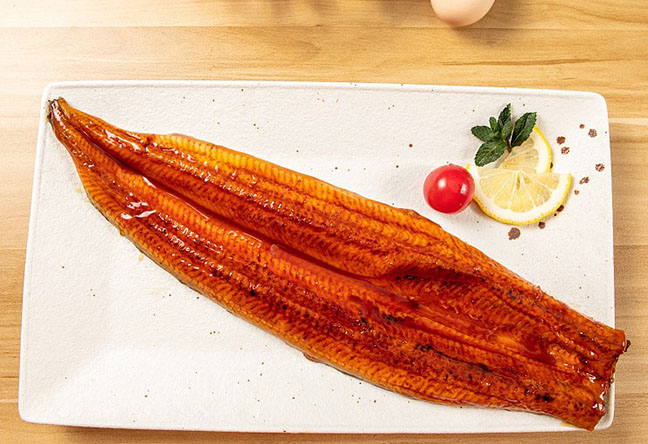
The product format matters from the start. Pre-cooked unagi kabayaki is already seasoned and glazed, while raw freshwater eel requires a different receiving, preparation, and cooking plan. Some buyers are also considering ready-to-fry frozen eel tempura products to reduce labor. These are not interchangeable products, so the purchasing specification should clearly state exactly what your kitchen needs.
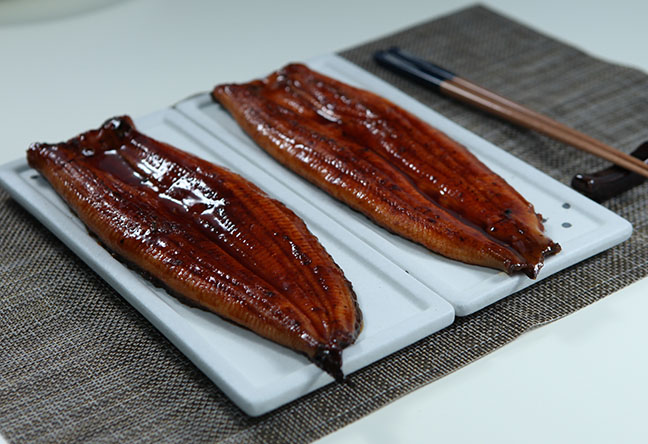
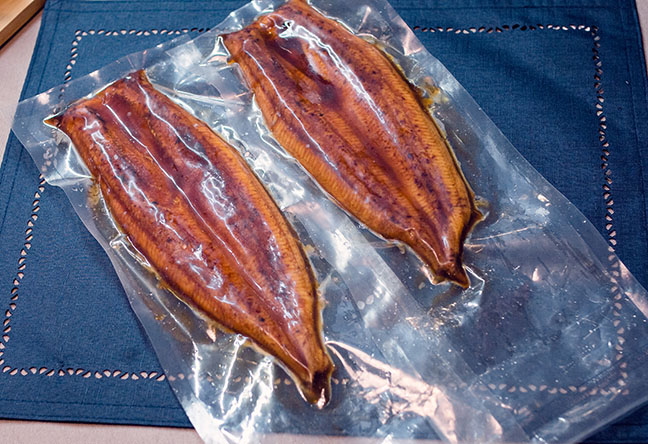
Frozen unagi kabayaki is often supplied as fillets or cut pieces. Because it is cooked, seasoned, and frozen, it can make portion planning more straightforward than starting with raw eel. The kitchen can cut fillets into strips or blocks, apply a light coating, and fry portions to order.
One operational detail deserves attention: kabayaki sauce contains sugar and can darken quickly in hot oil. Frying glazed eel directly may cause the exterior to color before the coating turns properly crisp. Some kitchens wipe away excess glaze, use a thinner batter, or serve the sauce separately. Confirm the supplier’s product specifications before establishing a standard procedure.
Raw eel requires more preparation. Receiving staff and kitchen teams must follow applicable food-safety requirements for chilled or frozen seafood, and the product must be fully cooked before service. Yield may also vary after trimming, skin removal, and cooking.
For many foodservice operations, raw eel is best suited to kitchens with trained staff and an established eel-processing system. It can offer flexibility, but it also adds labor and creates more opportunities for portion sizes to vary.
A supplier may offer battered or breaded frozen eel portions. This format can help high-volume kitchens reduce prep time and keep piece sizes more consistent. Ask whether the product is fully cooked or raw, whether it should remain frozen during frying, and whether the coating contains wheat, egg, milk, or other declared allergens.
Do not assume that “ready to fry” will produce the same result in every fryer. Oil type, basket load, fryer recovery, and piece thickness all affect the finished product. Request samples, then run a short trial during an actual service period rather than only in a quiet test kitchen.
Portion planning begins with the customer’s use occasion. A small appetizer should not be specified in the same way as a main-course topping. Menu wording, plate design, and side dishes all influence how substantial the eel portion feels.
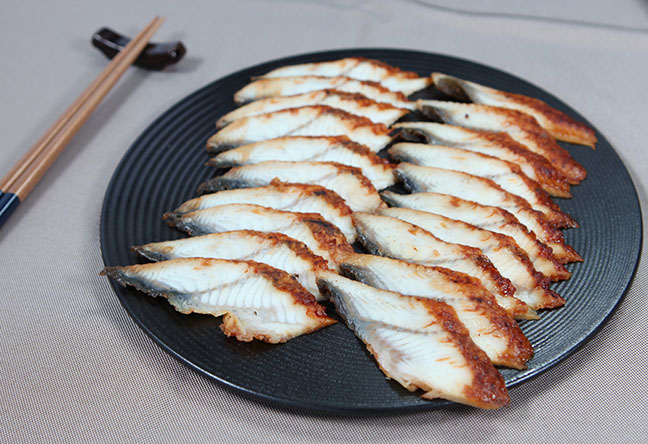
For a premium appetizer, two or three bite-size pieces may be enough when served with grated daikon, lemon, or dipping sauce. A longer strip can look generous without increasing edible weight too much, although it should still be easy for the customer to cut or pick up.
For donburi or noodle service, choose a portion that remains visible after plating. Eel strips can be arranged across rice, while smaller pieces may disappear beneath garnish. When the dish includes egg, vegetables, sauce, and rice, the eel does not need to carry the entire plate. If it is the only protein, the portion will usually need to be larger.
In a mixed platter, one or two pieces of unagi tempura can create a premium point of difference alongside shrimp, vegetables, or white fish. Keep the size close to the other proteins so the fryer can handle each item at a similar pace. A particularly thick eel portion may need a different frying time and can slow down the ticket.
Specify portion weight as well as piece dimensions. “One strip” is not a reliable purchasing standard. A buyer’s specification might include the target net weight per piece, acceptable weight range, length, width, thickness, skin status, glaze level, and acceptable breakage rate. The final target should come from your menu concept and supplier trial, not an arbitrary number.
Ingredient cost is only one part of the plate cost. A practical calculation should include eel, batter, frying oil, sauce, garnish, takeaway packaging, labor, and expected trim or breakage.
Use this basic formula:
Cost per serving = eel cost + coating cost + sauce and garnish + oil allocation + labor + packaging + waste allowance
For example, if a serving uses 90 grams of eel, convert the supplier’s price per kilogram into a per-gram cost. Then multiply it by the actual net portion weight. Do not calculate from the frozen case weight alone if the product includes glaze, ice, or excess trim.
For coated products, separate the edible eel weight from the finished serving weight. A heavier coating may improve visual volume, but it also changes texture, allergen declarations, oil absorption, and customer perception. Record both weights during testing:
Once you know the true serving cost, compare it with your target food-cost percentage and the prices of nearby menu items. A premium dish does not need to be the lowest-priced option. It does need to offer a clear portion, reliable flavor, and a presentation that supports the price.
A foodservice procedure needs to be short enough for staff to follow in the middle of a busy shift. The exact method depends on the product, so begin with the supplier’s cooking instructions. In test kitchens, many tempura systems are assessed around an oil temperature of 170–180°C, but the right setting must be confirmed for your portion thickness and coating.
Record the following during trials:
Do not overload the fryer. A large frozen load can drop the oil temperature and leave the coating greasy. Small, repeatable batches usually produce a better result than trying to fill the basket to capacity every time.
If you are using pre-cooked kabayaki, the goal is to heat the center and crisp the coating, not to cook the eel from raw. If you are using raw eel, follow a validated cooking process and applicable local regulations. These two products require different controls.
For delivery and takeaway, test the dish in the container customers will actually receive. Steam trapped under a closed lid can soften the coating within minutes. Ventilated packaging, sauce served separately, and a slightly longer drain time may preserve eating quality better than simply frying the item longer.

Eel has a naturally rich flavor, so the sauce should support it rather than cover it up. A light tempura dipping sauce, citrus, grated daikon, or a modest amount of sweet soy can each take the dish in a different direction.
For a kabayaki-based item, consider serving eel sauce in a small dish or as a narrow drizzle. This gives customers more control and helps keep the coating crisp through the first bite. A lighter citrus-soy sauce can also distinguish the tempura item from a standard kabayaki bowl.
Menu wording should explain the product without becoming too long. “Crispy eel with citrus dipping sauce” is clear and direct. If customers may not recognize the term, add “Japanese-style freshwater eel” alongside the dish name. Operators with a Japanese-focused menu can use “unagi tempura,” while a broader seafood menu may benefit from a plain-English description.
For sauce development ideas, our article on kabayaki sauce explains how sweetness, soy, and seasoning influence eel dishes. The same principles apply when deciding whether a fried item needs a glaze, a dip, or no additional sauce at all.
A good sample is not enough. Before placing a regular order, ask for details that affect cost, storage, preparation, and menu labeling.
Request a product specification sheet and keep the approved sample as a reference. When the next shipment arrives, compare piece size, color, odor, packaging condition, and net weight against that sample. This gives supplier conversations more precision than simply saying the product “looks different.”
Eelpro Co., LTD supplies frozen unagi kabayaki, eel sauce, frozen seafood, and freshwater eels for overseas buyers. If your menu calls for a different cut or a tempura-ready format, discuss the intended application with the supplier before finalizing the specification. A product designed for rice bowls may not be the best option for frying.
“Eel” can refer to different species, cuts, and preparation states. Unagi usually refers to freshwater eel in Japanese food contexts, while anago generally refers to conger eel, a saltwater eel. Flavor, fat content, texture, and cooking behavior can vary considerably.
That distinction matters in both menu development and procurement. Ask for the scientific name or the product identification used by the supplier, not only a trade name. Also confirm whether the stated weight includes sauce or glaze. This is one of the easiest places for a cost calculation to go wrong.
Start with one clearly defined application rather than launching several versions at once. A two- or three-piece appetizer is often easier to test because it controls the portion and gives the kitchen a simple plating routine. Run the dish through lunch, dinner, takeaway, and peak service if those channels matter to your business.
Choose one sauce, one garnish, and one approved portion. Train staff to describe the dish in a single sentence. After launch, review sales mix, preparation time, waste, customer comments, and repeat orders before expanding the item into bowls or combination platters.
There is no universal portion size. The best choice depends on whether the dish is an appetizer, a topping, or a main protein. For planning purposes, specify both a target net eel weight and a piece count. Two larger pieces may look more generous than four small fragments, even when the total weight is similar.
Use a scale during the trial period, then check random portions during service. If the dish is paired with rice, noodles, or several other tempura items, a smaller eel portion may be sufficient. If it is served alone with only a dip and garnish, customers will expect eel to be the main focus.
The answer depends on purchase price, net eel weight, glaze or coating, labor, oil, garnish, packaging, and waste. Calculate the cost from the usable portion rather than the case price alone. A simple spreadsheet with columns for received weight, net weight, finished weight, and serving count will provide a more dependable result.
Ask your supplier for a quotation based on the exact format you plan to use. Compare case price, piece count, and net weight together. The lowest price per case is not always the lowest cost per plated serving if the pieces are inconsistent or require extra trimming.
Eel tempura can earn a place on a restaurant menu when the product format, portion, fryer process, and price are designed together. Test the item with a real supplier sample, document the yield, and keep the plating simple enough for every trained cook to repeat.
Eelpro Co., LTD can support buyers looking for frozen unagi kabayaki, eel sauce, freshwater eels, and other frozen seafood products. Contact us with your target portion, cooking method, pack size, and destination market. You can also explore our eel recipes for additional menu inspiration, then share your preferred eel pairing or sauce idea with your team and customers.



 WhatsApp
 sales@chinaeels.com
 +8619937922411