





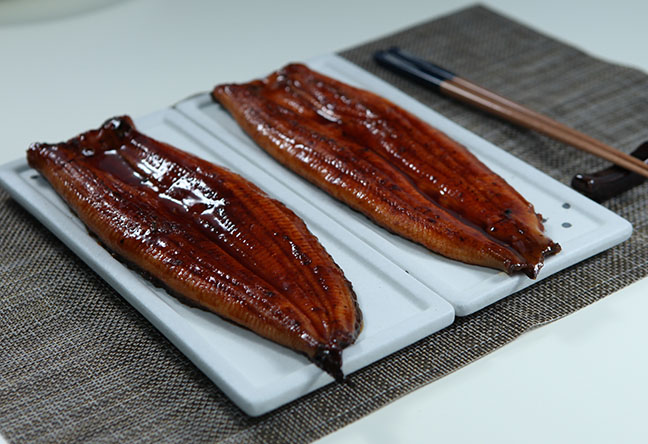
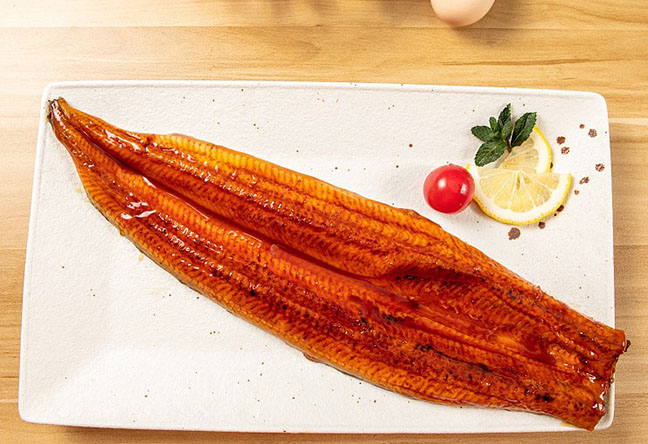
A glossy piece of unagi arrives over hot rice, brushed with sweet-savory tare. It smells smoky, rich, and deeply satisfying. Then comes the question: is eel good for you, or is it simply a delicious treat? The answer depends on the species, portion size, cooking method, and sauce. Eel can absolutely fit into a balanced diet, although its nutrition profile differs from salmon, tuna, and sardines.

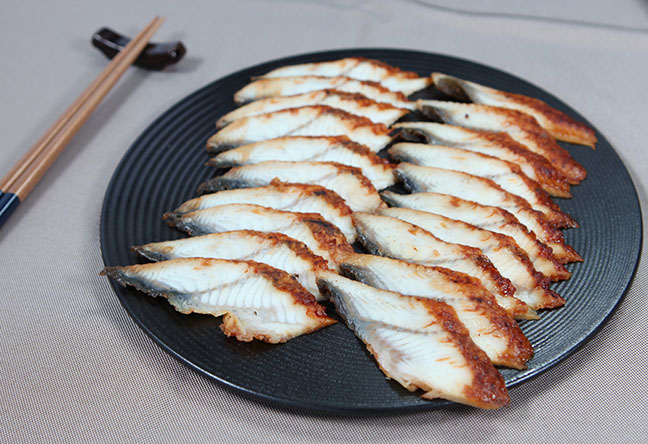
Freshwater eel, the type most often used for Japanese unagi, is naturally oily. Its flesh is soft, rich, and dense rather than lean and flaky. That higher fat content gives eel its satisfying texture and helps it carry the smoky-sweet flavor of grilled kabayaki sauce.
Nutrition values vary by species and preparation. A 100-gram serving of raw freshwater eel contains roughly 184 calories, 18 grams of protein, and 12 grams of fat, based on values reported in the USDA FoodData Central database. Cooked eel can be more calorie-dense because it loses water during heating. A restaurant portion glazed with sauce may also contain more calories and sugar than plain grilled eel.
That does not make eel unhealthy. It simply means the comparison should reflect what is actually on your plate, not an imaginary “average fish.” A 100-gram serving of plain eel is quite different from a large unagi donburi coated in tare and served with a generous mound of rice.
Eel provides complete protein, which means it contains all nine essential amino acids. Protein supports muscle maintenance, tissue repair, and everyday body functions. In practical terms, eel can turn a rice bowl or noodle soup into a filling main meal rather than a simple side dish.
A typical cooked portion of 90–120 grams works well for an adult meal when paired with vegetables, rice, or noodles. Portion size still matters. Eel is richer than tuna or cod, so even a modest serving can feel satisfying.
Eel is a useful source of vitamin B12, which helps maintain normal red blood cells and supports the nervous system. It also provides vitamin D, vitamin A, selenium, phosphorus, and other minerals. Exact amounts depend on the species, whether the skin is included, and how the product is prepared.
Vitamin D deserves special attention because relatively few foods provide much of it. Oily fish can make a meaningful contribution. Salmon and sardines generally contain more vitamin D than eel, but eel can still play a valuable role in a varied seafood diet.
Eel contains fat, including polyunsaturated fat and omega-3 fatty acids. EPA and DHA are associated with normal heart and brain function, and health authorities commonly recommend fish as part of an overall healthy dietary pattern.
Salmon and sardines are usually stronger omega-3 choices by weight. Still, eel does not need to replace every other oily fish to earn a place on the menu. Its appeal lies in its combination of protein, vitamin B12, vitamin D, rich texture, and distinctive culinary character.
The table below offers a practical comparison. Values are approximate and can change by species, brand, canning liquid, and cooking method. For a specific product claim, always check the package nutrition panel.
| Fish | Typical character | Nutrition points | Best practical use |
|---|---|---|---|
| Freshwater eel | Rich, soft, oily | About 184 kcal and 18 g protein per 100 g raw; provides B12, vitamin D, and fat | Unagi bowls, sushi, grilled dishes, noodle soup |
| Salmon | Rich, flaky, buttery | About 208 kcal and 20 g protein per 100 g raw for Atlantic farmed salmon; usually high in EPA and DHA | Roasting, salads, sushi, breakfast dishes |
| Light tuna | Lean, firm, mild | About 116 kcal and 26 g protein per 100 g canned in water; low in fat | Sandwiches, salads, rice bowls |
| Sardines | Oily, savory, strongly flavored | Rich in protein, calcium when bones are included, vitamin D, and omega-3 fats | Toast, pasta, salads, grilled meals |
These numbers show why there is no single winner. Tuna is convenient and protein-dense. Salmon is a familiar source of omega-3 fats. Sardines can supply calcium from their edible bones. Eel brings a more indulgent texture along with useful protein and micronutrients.
When comparing eel with salmon and tuna, begin with your goal. For a lean, high-protein meal, canned light tuna is usually the easiest option. For a meal higher in omega-3 fats, salmon is often a better fit. Eel sits closer to salmon in richness, though its flavor and texture are entirely different.
Salmon is also easy to prepare without a heavy sauce. A roasted salmon fillet needs little more than lemon, pepper, and herbs. Eel, especially in unagi dishes, is often sold cooked or served with a glaze. That sauce is part of what makes kabayaki so enjoyable, but it can also add sodium and sugar.
Compared with tuna, eel contains more fat and fewer grams of protein per calorie. Tuna is ideal for a quick weekday salad. Eel is better suited to a warm rice bowl, a sushi menu, or a special family dinner.
Sardines are small oily fish often praised for their omega-3 content, vitamin D, and calcium. When canned with their soft edible bones, they can provide substantially more calcium than many boneless fish portions.
Eel often wins on texture for people who prefer tender, boneless flesh. Sardines have a stronger maritime flavor and pair especially well with tomato, olive oil, chili, or lemon. Both can be nutritious choices, but they belong on different plates and suit different palates.
Mercury is one of the main reasons people compare fish before buying. In general, larger predatory fish that live longer can accumulate more mercury. Species and size both matter, so a blanket rule for all tuna or all eel would be misleading.
The U.S. Food and Drug Administration and Environmental Protection Agency place freshwater eel, salmon, sardines, and canned light tuna among lower-mercury “Best Choices” in their consumer fish advice. Albacore or white tuna falls into a higher category than canned light tuna, while some large tuna species have higher mercury levels. Check current local guidance if you are pregnant, breastfeeding, feeding young children, or eating fish often.
For most people, variety is a sensible approach. Rotate eel with salmon, sardines, shrimp, pollock, cod, and lower-mercury tuna. The FDA and EPA advise adults to eat 2 to 3 servings of fish per week, with one serving equal to about 4 ounces for adults. Children need smaller portions based on age.
Cold fact: “Tuna” is not one mercury category. Canned light tuna, often made from skipjack, generally contains less mercury than albacore tuna. The species and the can label matter.
Yes, it can be. The key is how you build the meal. Traditional unagi kabayaki is grilled eel brushed with tare and served over rice. It is flavorful and convenient, but the sauce and rice can raise the total sugar, sodium, and calorie content.
Try these simple adjustments:
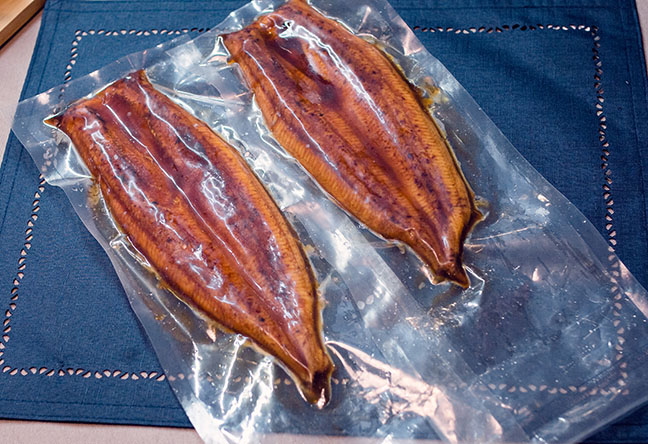
For foodservice buyers and home cooks, product format also shapes the finished dish. Frozen unagi kabayaki is convenient because the eel is already cooked and portioned. Follow the supplier’s heating instructions. As a general food-safety practice, reheat until the center is hot and steaming; a food thermometer reading of 165°F / 74°C is a common target for reheating leftovers and prepared foods.
If you are buying frozen eel, look for even fillets, intact skin, clean trimming, and packaging without excessive frost or torn seals. A strong ammonia smell after thawing is a warning sign. The flesh should smell clean and savory, not sour or chemical.
Frozen unagi kabayaki can simplify rice bowls, sushi toppings, bento meals, and restaurant service. For buyers who prefer more control over sweetness and salt, plain eel paired with a separate eel sauce, or unagi tare, offers greater flexibility.Nutrition is only one part of choosing fish. Cost, availability, preparation time, sustainability policies, cultural preferences, and the rest of the meal matter too.
Consider these everyday examples:
Each meal has a place. Eel does not need to replace salmon or sardines, and salmon does not need to replace eel. A varied seafood menu provides different nutrients while keeping everyday cooking interesting.
For a warm comfort dish, try an eel noodle soup with leafy greens and mushrooms. Our eel noodle soup recipe shows how eel can work beyond sushi and rice bowls. If you enjoy making your own glaze, our guide to kabayaki sauce explains how sweetness, soy, and grilling come together.
That depends on the nutrient you are looking for. Sardines and salmon may provide more EPA and DHA. Sardines with edible bones may offer more calcium. Canned light tuna may deliver more protein for fewer calories. None of those comparisons makes eel a poor choice.
A practical way to think about eel dietary value is to match the fish to the meal. Choose tuna when you want lean protein. Choose sardines when you want a small oily fish with calcium. Choose salmon for a familiar omega-3-rich main course. Choose eel when you want tender, rich flesh that naturally pairs with rice, noodles, sushi, and grilled vegetables.
Eel can be a healthy seafood choice when eaten in sensible portions and prepared as part of a balanced meal. It provides complete protein, vitamin B12, vitamin D, selenium, and fat that includes omega-3 fatty acids. Watch the amount of sweet or salty sauce, especially in restaurant-style rice bowls.
Eel is richer and fattier than tuna, while salmon is usually a stronger source of EPA and DHA by weight. Tuna is leaner and often higher in protein per calorie. Eel offers its own combination of tender texture, protein, vitamin B12, vitamin D, and culinary versatility.
No single fish is more nutritious in every respect. Salmon and sardines may provide more omega-3 fats, sardines can provide more calcium when the bones are eaten, and tuna can be leaner with more protein per calorie. Eel remains a useful option when you want a rich fish with protein and several important micronutrients.
Pregnant people and children can generally eat fish selected from current lower-mercury guidance, but serving limits and local recommendations still apply. The FDA and EPA advise choosing lower-mercury fish and avoiding high-mercury species. Follow guidance from your doctor or local food-safety authority, and check the exact species and source.
Keep frozen eel at 0°F / -18°C or colder until needed, thaw it safely in the refrigerator, and reheat according to the package directions. Do not leave seafood at room temperature for more than 2 hours, or 1 hour when the air temperature is above 90°F / 32°C. For ready-to-eat kabayaki, heat until the center is hot and steaming.
So, is eel good for you? It can be. Eel is richer than tuna, different from salmon, and less calcium-focused than sardines, yet it offers complete protein, vitamin B12, vitamin D, and a memorable texture. Keep portions reasonable, vary your seafood, and balance kabayaki sauce with vegetables and grains.
Eelpro Co., LTD supplies frozen unagi kabayaki, eel sauce, freshwater eels, and other frozen seafood for overseas buyers and foodservice applications. Explore our product pages, then tell us in the comments: do you prefer eel with rice, noodles, sushi, or grilled vegetables?




 WhatsApp
 sales@chinaeels.com
 +8619937922411