





A customer orders unagi, but your kitchen has more than one cut to work with. Do you stick with the familiar fillet, or make room for eel liver on the menu? The right choice comes down to flavor, portion size, preparation time, and the dining experience you want to offer.
In most Japanese restaurants, fillet is the centerpiece. It appears as kabayaki over rice, a sushi topping, or a glazed grilled portion. Eel liver is smaller, richer, and less familiar to many guests. It can bring variety to skewers, tasting menus, soups, and seasonal specials.
For restaurant buyers and distributors, the decision is not based on taste alone. Product format, frozen condition, yield, cooking method, and customer familiarity all influence the final menu choice. Here is a practical comparison of both options.

Eel liver is an internal organ removed during processing and sold separately when the processor offers that format. It is compact, naturally rich, and more intense in flavor than standard eel meat. When cooked well, it has a soft, tender texture.
Unlike a boneless fillet, eel liver is not a large, uniform portion. That distinction matters in foodservice. Depending on the supplier’s specification, a kitchen may receive whole pieces, trimmed pieces, sliced portions, or pre-portioned products. Before placing an order, ask for product photos, pack size, piece count, glazing information, and the expected weight range.
There is also a cultural context to consider. In Japanese cooking, eel liver is used in dishes such as kimo-yaki, where the pieces are grilled on skewers and brushed with sweet soy-based tare. It also appears in soup, including kimo-sui, a clear soup traditionally served alongside unagi meals.
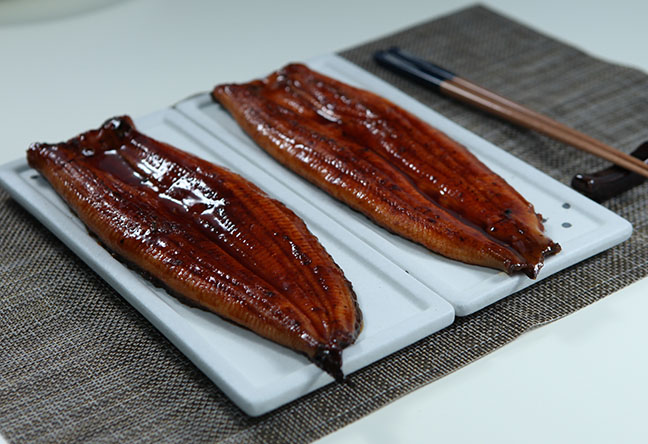
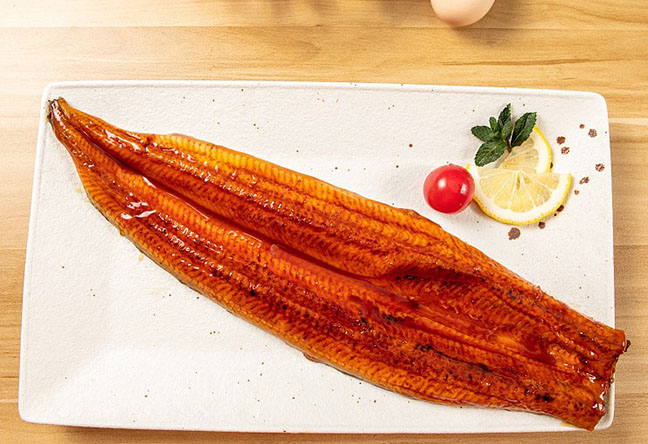
Fillet delivers the familiar unagi profile: fatty, savory, and mild enough to pair easily with rice, noodles, sushi, and vegetables. The eel flavor still comes through, although sauce is often a central part of the finished dish.
Eel liver has a deeper, more mineral-rich taste. Some diners enjoy that concentrated character straight away, while others may prefer to try it in a small portion first. Clean sourcing and careful cooking matter because organ meat can reveal off-flavors more readily than a mild fillet.
For a broad customer base, fillet is usually the easier introduction. For an omakase menu, izakaya, Japanese pub, or chef-led tasting menu, eel liver can provide a memorable point of difference.
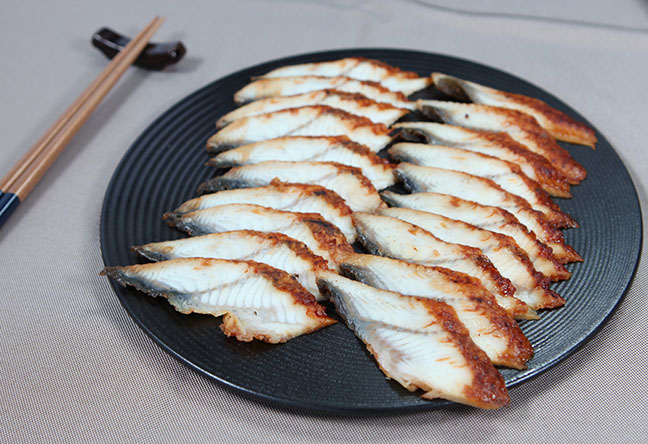
A properly cooked fillet is tender and moist, with a soft bite and visible layers of meat. It holds together well after grilling or reheating, which makes it a practical option for rice bowls and plated entrées.
Eel liver is softer and denser. It can become creamy inside, particularly when grilled or simmered, but overcooking may leave it dry or crumbly. It also benefits from gentle handling during thawing and portioning.
This difference affects kitchen workflow. Fillet can be cut into predictable strips or portions. Liver pieces may vary more in shape, so chefs should build the presentation around a small skewer, soup cup, or garnish rather than expect every piece to look identical.
There are several practical eel liver uses, especially on menus that encourage diners to try less familiar cuts.
Thread trimmed pieces onto skewers, grill until fully cooked, and brush with tare near the end. The glaze should cling to the surface without scorching. Serve one or two skewers as an appetizer with sansho pepper, scallions, or pickled vegetables.
A practical starting point is to grill over medium heat, then apply sauce during the final **30 to 60 seconds**. Exact timing depends on piece size and whether the product is raw, blanched, or pre-cooked. Always follow the supplier’s cooking instructions.
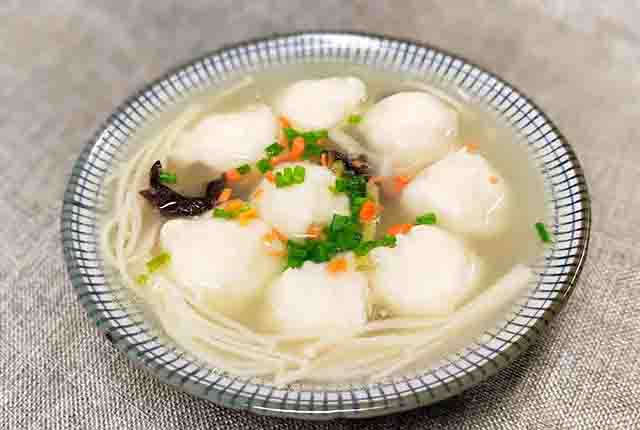
A clear soup lets the ingredient stand out. Use a light dashi with scallion, mitsuba, or citrus peel. Once the broth is hot, simmer the liver briefly rather than boiling it aggressively for an extended period.
For another serving idea, explore our guide to eel recipes. A noodle soup format can introduce the cut to diners who may not order a liver skewer on its own.
Because the pieces are naturally small, the product works well in chef’s tasting menus, izakaya specials, and mixed offal platters. Pair a modest portion with a bolder condiment, such as sansho, grated daikon, or a carefully balanced tare.
Keep the serving size restrained. The aim is to offer a focused bite without overwhelming the rest of the meal.
A seasonal special offers a low-risk way to test demand. Serve grilled liver on weekends, add it to a chef’s selection, or pair it with a fillet dish so guests can compare both cuts at the same table.
Standard eel fillet remains the more versatile option for most foodservice operations. It works across several familiar dishes:
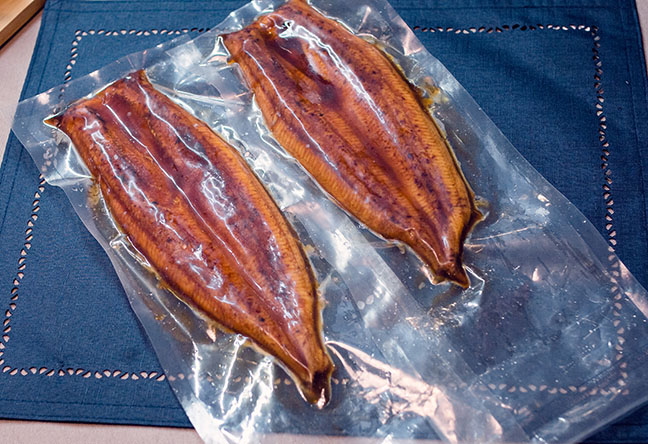
Frozen unagi kabayaki is especially convenient when the product has already been cooked, sauced, and portioned to the buyer’s needs. It can shorten preparation time and support consistent service during busy periods. See our unagi kabayaki product page for a closer look at this format.
Fillet also gives restaurants more control over menu pricing. Portions can be weighed, cut, and plated with a consistent amount of rice or side dishes. That predictability is valuable for distributors supplying multiple restaurants with different kitchen teams.
The phrase “liver product” can cover several specifications. When comparing eel liver products, ask your supplier the following questions:
Eel liver cuts are generally less standardized than fillet cuts. That does not make them unsuitable for restaurants; it simply means the menu should match the actual specification. If your concept depends on identical skewers, request a narrow piece-size range. If you serve a rustic small plate, natural variation may be perfectly acceptable.
For fillets, buyers commonly focus on size, trimming, skin-on or skinless format, boneless status, sauce coverage, and cooking state. These details affect labor, yield, and reheating performance.
Value is not always the same as the lowest purchase price. A cheaper product may require more trimming, more cooking labor, or tighter portion control. A higher-priced product may save time and reduce waste if it arrives ready for service.
| Factor | Eel liver | Eel fillet |
|---|---|---|
| Flavor | Concentrated, rich, and distinctive | Mild, savory, and familiar |
| Texture | Soft and dense when properly cooked | Tender, moist, and layered |
| Portioning | Less uniform unless specified | Easy to weigh and standardize |
| Best menu role | Skewers, soup, tasting menus, specials | Rice bowls, sushi, noodles, entrées |
| Customer familiarity | More niche | Widely recognized as unagi |
If speed, repeatability, and broad appeal are your priorities, fillet is usually the safer foundation. If your restaurant already serves Japanese small plates or wants a more adventurous special, liver can add depth without replacing your core unagi offering.
Sauce also changes the result. A balanced tare can connect the two cuts, but liver may need less sauce so its own flavor remains clear. Read our article on kabayaki sauce for ideas on how sauce affects grilled eel dishes. Eelpro Co., LTD also supplies eel sauce for foodservice applications.
Keep frozen products frozen until scheduled use. Thaw them in a refrigerator at **4°C or below**, ideally in a covered container that prevents drips from contacting other foods. Never thaw seafood on the counter.
If the product is raw, cook it thoroughly. A widely used food-safety reference for fish is an internal temperature of **63°C / 145°F**. Check the product label and local food regulations, especially when the liver is supplied in a pre-cooked or seasoned format.
For pre-cooked kabayaki fillet, reheating may be done on a grill, in an oven, in a pan, or in a microwave, depending on the product specification. Heat until the center is hot, then finish with sauce or a brief grill for added aroma.
For liver, avoid rough stirring and excessive boiling. Use a clean tray, separate utensils for raw and cooked products, and a written procedure covering thawing, cooking, cooling, and holding. These routine steps protect quality and support consistent service.

First decide how the item will be sold. A 100-gram bowl, a two-piece skewer, and a tasting-menu bite each require different specifications. Share the target dish, portion weight, cooking method, and expected monthly volume with the supplier.
Test the product in your own kitchen. Compare thaw loss, cooking loss, texture after holding, sauce adhesion, and guest response. If possible, run the test during a busy service rather than only at a quiet staff meal.
Ask about packaging, carton labeling, storage temperature, shelf-life information, and shipping conditions. A product may taste excellent at the factory yet perform poorly after temperature abuse. Clear export documentation and sensible case packing matter just as much.
Some diners may not know the cut. A short menu description works well: “grilled eel liver skewer with house tare” is direct and specific. Staff should be ready to describe the texture honestly without overselling it.
Cold fact: In traditional Japanese eel meals, liver is not simply treated as a leftover. It has dedicated preparations, including liver soup and grilled skewers. That is why a small liver serving can feel like a distinct dish rather than a substitute for fillet.
Avoid this mistake: Do not promise a fixed piece count or identical appearance unless the supplier has confirmed the size specification. Natural organ cuts vary. Confirm the pack format first, then set the menu portion.
The best cut depends on the role it needs to play on your menu.
Choose fillet when you need a dependable main dish, fast plating, familiar flavor, and consistent portion control. It suits high-volume unagi bowls, sushi counters, and distributors serving restaurants with different levels of kitchen skill.
Choose liver when you want a specialty item, a small plate, or a conversation starter. It works best in restaurants where chefs can manage variable shapes and explain the product to diners. A mixed menu can be even more effective: keep kabayaki fillet as the main seller and use liver for a rotating special.
In practice, the strongest purchasing plan is not always “one cut or the other.” Often, it is a clear division of roles. Fillet supports regular sales. Liver creates discovery.
Eel liver is smaller, richer, and softer than eel fillet. It has a more concentrated flavor and usually works best in small portions, such as skewers, soup, or tasting menus. Fillet is milder, more uniform, and easier to use in rice bowls, sushi, noodles, and plated entrées.
For broad customer appeal and consistent service, eel fillet is generally the better core menu cut. For izakaya dishes, chef’s specials, and tasting menus, eel liver can add variety. Your choice should reflect portion requirements, customer familiarity, kitchen labor, and supplier specifications.
Chefs commonly thaw it under refrigeration, trim it according to the product format, and cook it thoroughly by grilling, simmering, or using it in soup. Small pieces are often skewered and brushed with tare near the end of cooking. The kitchen should follow the supplier’s instructions and verify the required internal temperature under local food-safety rules.
Yes. A combination plate can pair a familiar fillet portion with one small liver skewer or a spoonful of liver soup. This gives diners an easy introduction while keeping the main dish approachable.
Confirm the product state, piece format, size range, net weight, glazing, packaging, storage requirements, shelf life, export documents, and cooking instructions. A sample evaluation is recommended before approving a regular shipment.
Eel fillet is the dependable choice for everyday unagi dishes. Eel liver is the more distinctive option for chefs who want a focused bite with a richer character. Neither cut replaces the other. Used thoughtfully, they can serve different roles on the same menu.
Eelpro Co., LTD supplies frozen unagi kabayaki, eel sauce, frozen seafood, and freshwater eel products for overseas buyers. Contact us with your target dish, portion size, and packaging needs, or share your preferred cut in the comments. Which would you order first: a glazed fillet over rice or a grilled liver skewer?



 WhatsApp
 sales@chinaeels.com
 +8619937922411