





Lifting a unagi don bowl in Ginza, I nearly made a cardinal mistake. The chef's eyes flicked to my fingers, and I understood—there is a rhythm to eating grilled eel over rice that outsiders rarely grasp. This comfort food, deceptively simple, carries centuries of ritual and regional pride. If you sell, buy, or simply adore Japanese eel, the way a bowl is assembled and consumed tells a story you can taste.

The term unagi don is a contraction of unagi no kabayaki donburi—broiled eel served over a deep bowl of white rice. But to stop at translation misses the intent. A proper unagi don is not a fast-food assembly line; it’s a deliberate layering of textures and temperatures, a sequence choreographed by the chef’s brush. The rice should be slightly puck-like, firm enough to hold its shape under the weight of the fillets, steaming at around 65°C when the lid is lifted. Each glazed slab rests skin-side down so the caramelized surface shines under the restaurant’s warm light.
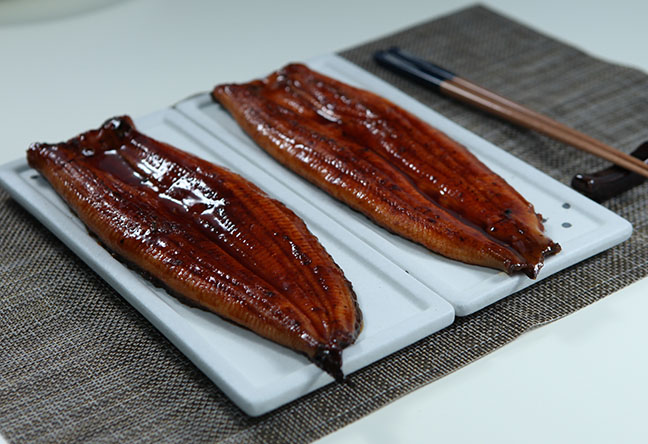
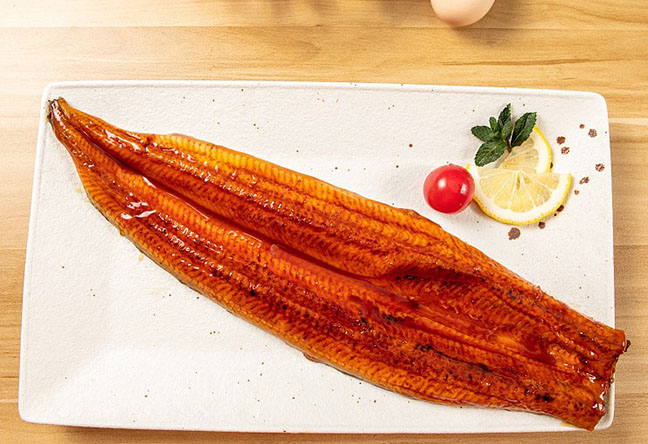
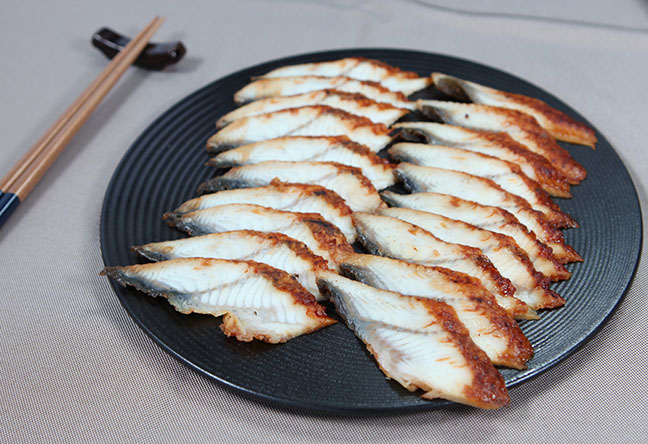
I remember my first midday unadon at a stand in Tsukiji: no garnish, just the fragrance of binchotan-grilled fat dripping onto rice. That single bowl taught me that unagi don’s meaning is inseparable from the craftsmanship behind unagi kabayaki. The eel is butterflied, skewered, steamed, then grilled. The final glaze of eel sauce—a soy-mirin reduction thickened with eel bone stock—seeps into the top grains of rice, creating a savory gradient you’ll chase from first bite to last.
Walk into any specialty unagi shop from Nagoya to Osaka, and you’ll quickly notice that one size doesn’t fit all. The vessel, the cut of eel, even the rice ratio shift according to region and price. Understanding unagi donburi styles is the key to decoding a menu before you even read it.
A standard unadon arrives in a ceramic or melamine bowl, often with a fitted lid that traps the aroma. The fillets are cut into four to five segments and arranged so you can see the cross-section of meat and skin. Portions are graded by the number of eel pieces: tokujō (特上) might give you a whole eel, while jō (上) offers one and a half fillets, and nami (並) serves a single. The weight matters; a generous tokujō bowl can hold 180 to 220 grams of cooked eel.
Nagoya’s hitsumabushi is the celebrity regional variant. The eel is chopped into bite-sized strips over rice, but the real ritual is dividing your portion into four quarters: eat the first as-is, the second with condiments like nori and wasabi, the third with dashi poured tableside, and the last in your favorite style. In Osaka, some shops serve mabushi—eel mixed directly into the rice with thin slices of omelet—blurring the line between donburi and fried rice. And in Kanto (Tokyo area), eel is steamed between grilling, yielding a softer, almost custard-like texture compared to the crisper, fat-forward Kansai style.

Japanese eel bowl etiquette isn’t about rules to trip you up. It’s about honoring the ingredient and the hand that prepared it. From the moment a server places that lidded bowl before you, small actions signal your respect—and elevate your enjoyment.
Slide the lid off carefully—it will be heavy and hot—and place it upside down to the left of your bowl so condensation doesn’t wet the counter. Lift the bowl with your non-dominant hand, cradling the bottom with your palm. In casual settings, this is perfectly acceptable; it shortens the distance from bowl to mouth and prevents drips. Your chopsticks should glide horizontally through the fillet rather than stabbing from above. Eel is tender. A sharp vertical poke will split the flesh and send grains of rice scudding across the table.
Beside your bowl, a tiny wooden pot holds sanshō—Japanese pepper that buzzes gently on the tongue, cutting through fat. Sprinkle a pinch only on the bite you’re about to eat, never across the whole bowl at once. The eel already glistens with tare, and the restaurant’s kabayaki sauce is a signature. In fact, never pour extra soy sauce directly onto the eel; the chef’s tare is the final statement. If the rice at the bottom seems underseasoned, you can use a side dish of pickles or sip the clear soup that accompanies the set.
A proper unagi don set includes kimosui (eel liver clear soup) and oshinko (pickled vegetables). Sip the soup between bites to cleanse your palate, not at the very end. The pickles’ sour crunch resets your tastebuds so each mouthful of fatty eel and sweet tare hits with the same intensity as the first. Finish the bowl clean—a few stray grains are expected, but leaving a substantial amount of rice suggests you didn’t balance the eel-to-rice ratio to your liking.
Even seasoned food professionals can pause at the calligraphic kanji on a specialty unagi shop’s menu. Cracking the code of unagi menu terms starts with one simple idea: the container often determines the term.
Knowing these terms lets you order with confidence. If you’re serving eel in your own kitchen, our unagi kabayaki product works beautifully for both unadon and unajū. The glaze is already calibrated; just gentle reheating and a bowl of proper short-grain rice is all you need.
In a traditional restaurant, you’ll notice the chef placing the steaming rice bowl with a slight counterclockwise twist before adding the eel. It’s not superstition; it’s muscle memory from years of repetition. The bowl lands before you with the lid engaging the rim tightly, trapping steam that carries the smoky-sweet scent. Most establishments serve unagi don within 90 seconds of the final tare brush-over, so the skin retains its slight crispness.
Condiments arrive together: a small mound of grated daikon if the eel is served shirayaki, a delicate porcelain pot of sanshō, and a lacquerware soup bowl containing a plump slice of eel liver floating in clear broth. Presentation matters just as much as taste. The vibrant black-red of the fillet contrasts with the white pickled daikon and the green sansho powder—an edible tricolor.
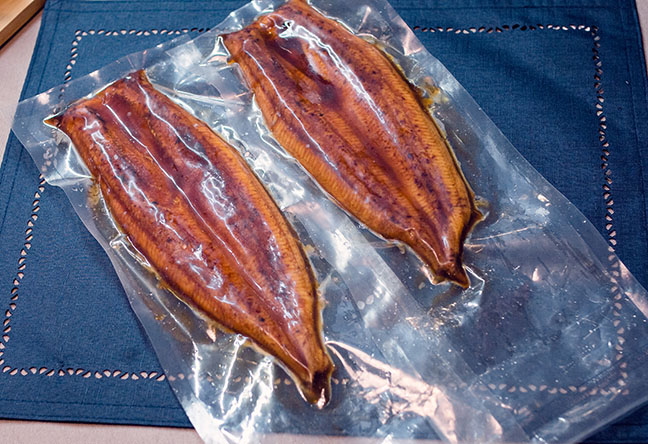
If you’re about to sit down to a steaming bowl at home—maybe using our frozen eel fillets—here’s how to recreate the Tokyo counter experience.
If you’re experimenting with eel recipes beyond the classic, the same etiquette of mindful eating applies. Savor the fat. Respect the sauce.
Lift the bowl with your non-dominant hand, use chopsticks to cut a horizontal bite of eel with rice, and add sansho pepper only to that piece. Alternate sips of kimosui soup and bites of pickled vegetables throughout the meal. Never pour additional soy sauce over the eel—the tare is the chef’s finished glaze.
Unagi don is served in a lidded bowl (donburi) or lacquer box (unajū) with the eel arranged skin-side up over steamed short-grain rice. The set typically includes clear eel liver soup and pickles. Condiments like sansho pepper and sometimes grated daikon arrive on the side. The rice is firm enough to support the glazed fillets, and the bowl is ideally delivered within 90 seconds of the final glaze.
Unadon is the basic eel bowl, unajū is a layered lacquer-box presentation, nagayaki refers to a whole grilled eel plated separately, shirayaki is eel grilled without tare, and hitsumabushi is the Nagoya style that incorporates condiments and dashi at the table. Portion sizes are often indicated by terms like tokujō (premium whole eel), jō (one and a half fillets), and nami (standard single fillet).
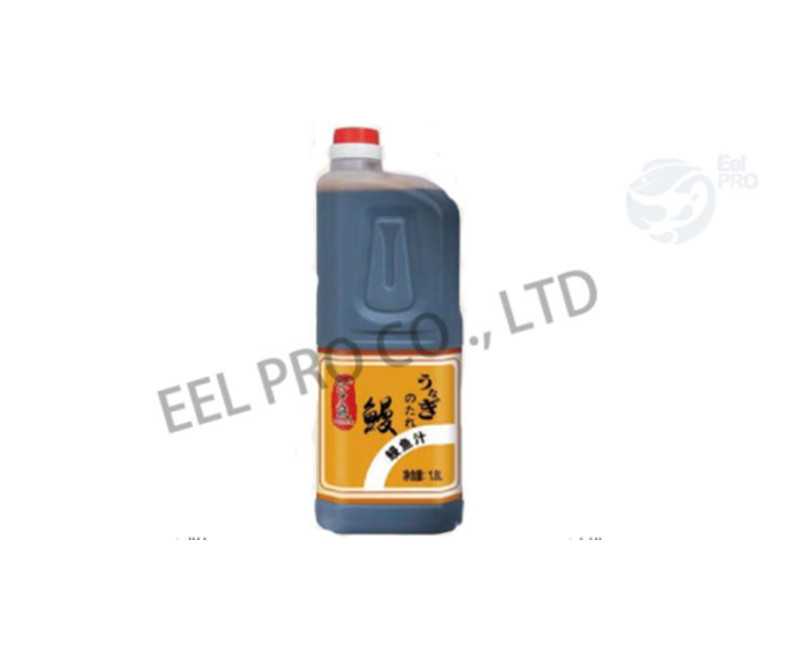
Ready to bring a true unagi don experience to your customers or your own dining table? We’ve seen how the finest Japanese eateries obsess over eel quality and glaze balance. At Eelpro Co., LTD, our frozen unagi kabayaki is prepared with the same Kanto-style steaming and charcoal-grilling technique that yields that coveted buttery texture. Pair it with our eel sauce to recreate the shimmering tare that makes every bowl memorable. Explore our range and taste why eel professionals across the world rely on us.


 WhatsApp
 sales@chinaeels.com
 +8619937922411