





An eel sushi roll can be a star on your menu—if you nail the costing. We’ve seen restaurants pour love into their unagi rolls only to watch them underperform on the P&L. Others turn the same dish into a 28–34% food cost workhorse that keeps guests coming back. The difference isn’t magic. It’s a clear-eyed look at ingredients, portioning, and the small decisions that add up behind each roll.

Let’s start with what’s actually on the plate. We price hundreds of shipments a year for buyers in North America, Europe, and Southeast Asia. A typical 8-piece eel roll uses about iced or thawed unagi kabayaki, cucumber, avocado, nori, sushi rice, and a drizzle of eel sauce. Some kitchens add sesame seeds or tempura crunch for texture.
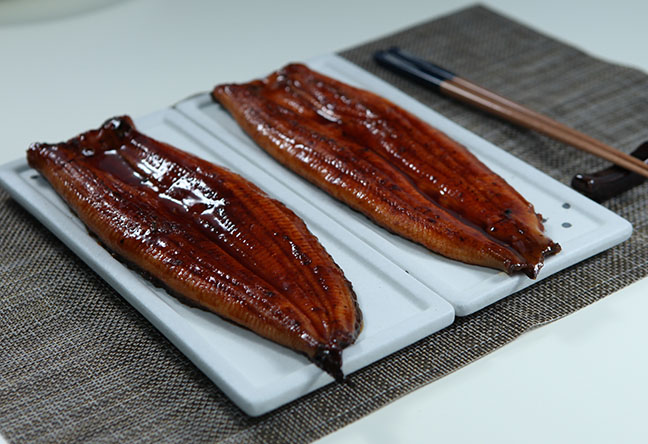
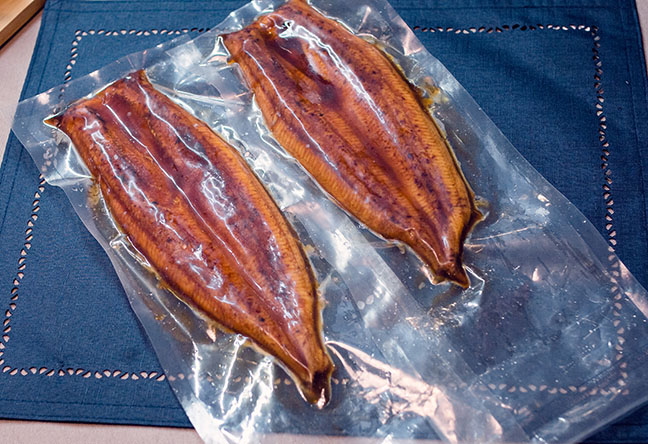
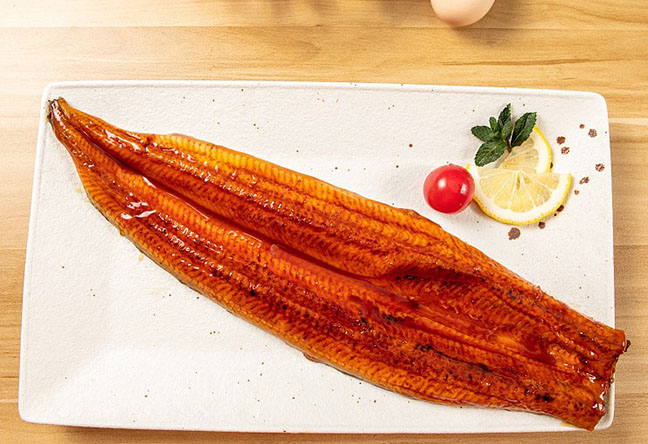
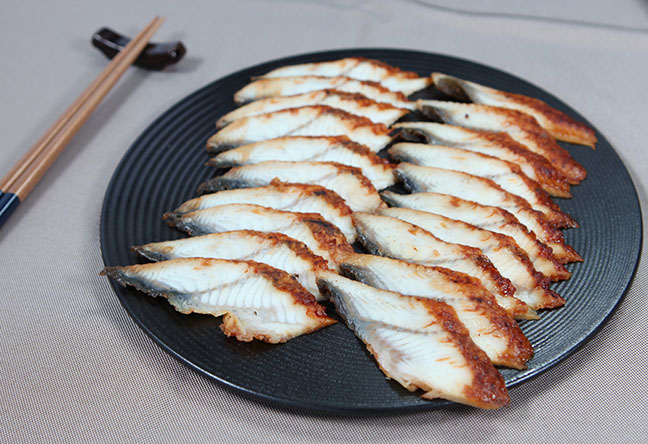
The main cost driver is, without exception, the eel. If you’re buying frozen unagi kabayaki from a reliable supplier, your per-portion cost for the eel alone sits somewhere between $0.95 and $1.60, depending on fillet size and grade. At Eelpro, our unagi kabayaki is portion-controlled at 100g–120g per fillet, which maps neatly to two rolls per fillet with zero trim waste. That means your eel cost per roll lands at around $0.75–$1.20 right now—and it stays predictable.
Rice, nori, and produce add another $0.35–$0.55. The eel sauce (unagi tare) is a cost you can almost ignore if you’re making your own from base ingredients, but a branded, ready-to-use tare with a boiled-down, glaze-heavy consistency like ours will run you $0.04–$0.08 per serving. Tiny, yes. But that exact tare is what gives the roll its lacquered finish and savoury depth—and it’s often what your regulars notice first. Our kabayaki sauce article breaks down why consistency here matters more than you think.
Unagi roll cost isn’t just eel price times portion. You have to account for labour, packaging, and the inevitable small waste that happens during service. A sushi chef can assemble a basic maki in about 90 seconds once the mise en place is done. At a loaded labour rate of $18–$25/hour, that’s $0.45–$0.63 in direct labour per roll. Yes, that’s a real number. If your team is slower—maybe 2 minutes per roll during a rush—the labour creeps up.
Takeaway packaging, a soy sauce packet, chopsticks, and the paper bag might tack on another $0.18–$0.30 if it’s a to-go roll. Dine-in? You drop that cost but add plateware and dishwasher time. These aren’t fuzzy “overhead” items; they’re direct, variable costs that sit right beside the eel on your costing sheet.
Let’s build a real-world eel roll food cost using mid-range numbers you can verify with your own invoices.
Add direct labour ($0.50) and to-go packaging ($0.25), and your total prime cost lands at $2.22. If you sell that roll for $9.50—a common price point in a mid-tier sushi bar—your food cost percentage sits at 15.5% on ingredients alone, or 23.4% including labour and packaging. That’s well inside the sweet spot for restaurant sushi margins.

Sushi menu pricing isn’t just about marking up from cost. You’re also positioning the eel roll relative to salmon, tuna, and tempura rolls. In many markets, an eel roll gets a premium because unagi is perceived as a treat. You can anchor it at $8.95–$11.95 and it won’t feel out of place. One restaurant we work with in Vancouver runs their unagi roll at $10.50 and their California roll at $6.95. Customers never hesitate. The eel roll sells itself.
But that premium isn’t a licence to get sloppy. If your eel roll food cost is creeping toward 30%, you’re leaving money on the table. A half-dollar shift in ingredient cost—say switching from a whole fillet to a perfectly portioned half—can move your margin by 5 points without changing the menu price at all. Portion control is where profit hides.
Here’s something we see again and again. A kitchen gets a case of unagi kabayaki. Some fillets weigh 105g, some 120g. If a chef eyeballs it and cuts a 60g piece because that’s what looks right, two rolls per fillet turns into 1.7 rolls. Suddenly, your unagi cost per roll jumps from $0.95 to $1.12. That might not sound like much, but across 200 rolls a week, it’s $1,768 a year you’ll never get back.
Our fillets are graded by weight with a tolerance of ±5g. That might sound obsessive. But when you’re running multiple locations, it’s the kind of precision that keeps margins where they belong. Train your team to use a scale for the eel portion, not their gut. Mark a guide line on the cutting board if necessary. The eel is the most expensive item on the station—it deserves that rigour.
Restaurant sushi margins don’t live on a spreadsheet. They live in how you build the menu, how you sell, and what else leaves the kitchen beside the roll. Here are three levers you can pull right now.
Combo deals. Pair an eel roll with miso soup and a small salad at $13.95. The soup and salad cost under $0.50 combined. The perceived value jumps, and the eel roll’s high margin absorbs the add-ons. You end up with a higher check average and a still-comfortable 26% prime cost on the set.
Add-on upsells. A drizzle of extra unagi tare on the side, a spicy mayo line, or a few slices of jalapeño can justify a $1.50–$2.00 upcharge. The actual cost of those extras is pennies. One busy Friday night can add $80–$120 in pure margin from a single well-placed suggestion.
Waste reduction. Leftover eel trim from uneven fillets? Simmer it into a small batch of eel recipes like a kitchen-staff noodle soup or a filling for eel hand rolls. It transforms a cost into a zero-waste special that builds team morale and occasional menu variety.
Pricing an eel sushi roll is also about perception. Ending a price in .95 or .50 isn’t just a cliché—it works. But also consider the “decoy” effect. If you list a standard unagi roll at $9.95 and a dragon roll (unagi on top, extra sauce, avocado) at $12.95, the standard roll becomes the rational choice, and the dragon roll suddenly looks worth the splurge. Both have healthy margins, but the existence of the higher-priced item pushes more guests toward the one that costs less to make. That’s a subtle restaurant sushi margin booster that costs you nothing to implement.
Based on current ingredient and labour estimates, a single eel sushi roll costs between $1.95 and $2.80 to make, including direct labour and packaging. The biggest variable is the eel fillet portion, which typically accounts for $0.75–$1.20 of that total when using portion-controlled frozen unagi kabayaki.
Most restaurants target a menu price between $8.95 and $11.95 for an 8-piece eel roll. This ensures a food cost percentage in the 15–25% range, depending on labour and packaging included. Premium positioning, combo pairings, and add-on options can push effective margins even higher without raising the base price.
Key factors include eel fillet cost and portion control, labour speed, packaging choices for takeout, menu pricing strategy, and the ability to reduce waste through trimmings and upsells. Even small inconsistencies in eel portion weight can erode annual profits by over $1,700 per restaurant.
We won’t pretend that an eel sushi roll will single-handedly turn around a struggling sushi bar. But it can be the item that quietly funds your more volatile specials—the seasonal fish that spikes in price, the over-the-top garnish that eats into margin. Because unagi is a frozen product with a long shelf life, you can buy in bulk when prices are steady, then pull exactly what you need each day. No panic-buying fresh eel at the last minute. No surprise shortages.
When you’re ready to dial in your unagi roll cost, start with the ingredient that matters most. Eelpro’s frozen unagi kabayaki and eel sauce are built for consistency: fillet weight you can trust, a tare that plates beautifully, and supply you can count on across seasons. Reach out to our team for a sample, a spec sheet, or just a conversation about how we can help you build a sushi menu that stays profitable month after month.



 WhatsApp
 sales@chinaeels.com
 +8619937922411