





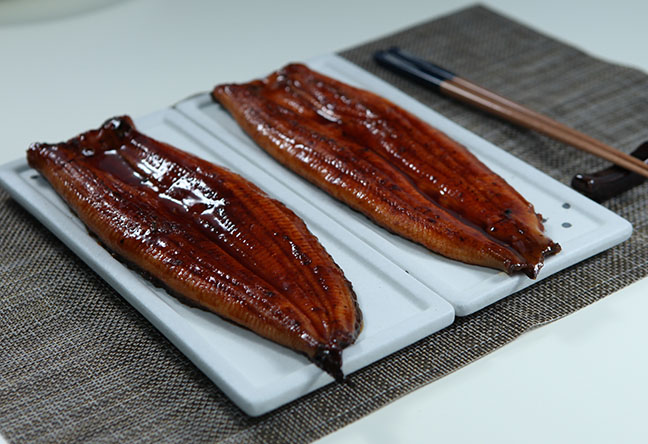
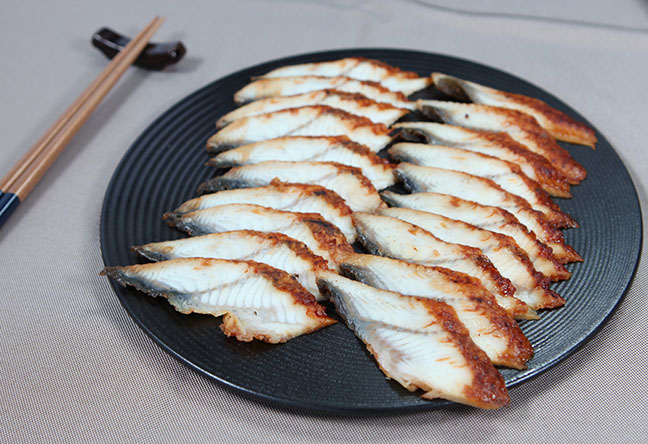
You’re holding a pack of glossy frozen unagi kabayaki, its sauce dark and tempting. Is eel good for you, or is this just a rich indulgence? The answer flips the script: eel is one of the most nutrient-packed proteins you can put on a plate, and it fits modern diets far better than a plain chicken breast. Let’s break down the facts.
Eel nutrition facts read more like a multivitamin label than a simple seafood entry. A 100‑gram portion of cooked freshwater eel (without added sauce) delivers roughly 18‑23 grams of complete protein, 12‑20 grams of fat, and zero carbohydrates. Once you add the classic sweet soy glaze of kabayaki, calories nudge up — a typical serving of prepared unagi sits around 330 calories — but the nutrient density stays impressive.

A 100‑gram serving of unagi can cover more than 200% of your daily vitamin A needs. It’s also loaded with vitamin B12, vitamin D, niacin, phosphorus, and selenium. You’ll often find more DHA and EPA omega‑3 fatty acids in eel than in many white fish, though the exact numbers shift depending on whether the eel is wild or farmed. That fatty acid profile helps explain why Japanese culture treats unagi as a stamina food — on Doyo no Ushi no Hi (the midsummer Day of the Ox), millions sit down to grilled eel bowls specifically to fight off the sweltering heat.
Eel as a healthy protein isn’t marketing fluff. Its amino acid score sits high, meaning the protein is complete and usable. A 150‑gram fillet yields protein comparable to two large chicken thighs, yet with a completely different fatty acid mix. The fats in eel are predominantly unsaturated — monounsaturated and polyunsaturated — with a lower proportion of saturated fat than beef or pork. That makes eel a smart swap when you want to break out of a poultry routine without loading up on red meat.
Because the fish is so rich, smaller portions satisfy. We’ve seen home cooks halve a typical fillet lengthwise to drape over a bowl of rice, and the meal still feels indulgent. The combination of protein and fat also keeps you full longer, which helps when you’re tracking satiety while keeping an eye on overall intake.
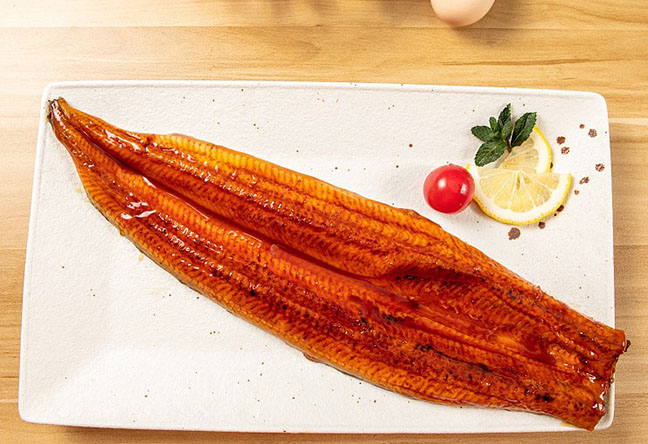
Yes, with a little mindfulness around portions. When you plate a small glazed fillet next to steamed vegetables and a scoop of brown rice, you get vitamins A and D, omega‑3s, and 18‑plus grams of protein in one meal. The sugar in the tare sauce is minimal — around 3‑5 grams per serving — so it doesn’t derail a balanced day. Just think of eel the way you’d treat a richly seasoned piece of salmon: a nutrient‑dense centerpiece that pairs best with lighter sides.
Let’s walk through the most common eating patterns we hear from our buyers and partners.
Putting eel compared with other fish side by side often surprises people. Salmon is praised for omega‑3s, and rightfully so. But farmed freshwater eel delivers a similar EPA+DHA punch per gram of fat — roughly 1,200‑2,000 mg of combined omega‑3s in a 100‑gram serving. What sets eel apart is the extraordinary vitamin A load, which trounces both salmon and tuna. Tuna, for all its protein, is a larger predator and accumulates more mercury over time. Farmed eel, especially well‑managed freshwater operations, consistently tests lower in mercury, making it a safer repeat option.
Calorie‑wise, eel is dense — think of it as the avocado of the seafood world. You wouldn’t eat a half‑avocado and call it a diet disaster; you’d just adjust the rest of the plate. The same logic applies. When you want a break from the lean‑white‑fish routine, eel provides richness plus a suite of vitamins that flounder or tilapia simply can’t match.
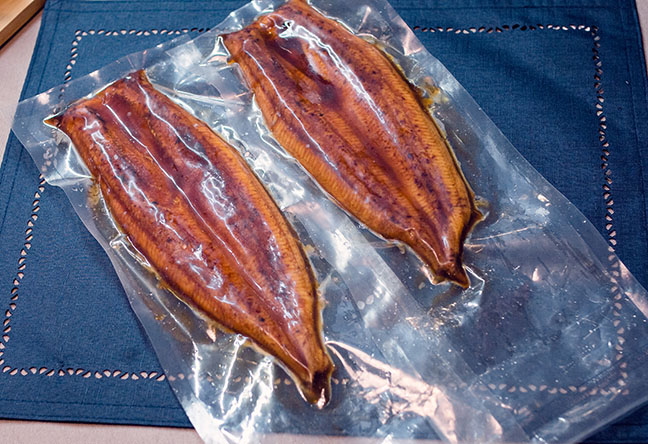
Good eel starts with the right pack. When you scan a freezer aisle — or a wholesale catalog — look for these signs.
Avoid packages with excessive ice crystals; frosty buildup signals temperature swings or thaw‑refreeze cycles. The sauce should appear glossy and dark amber, not spotty or separated. Fresh‑frozen fillets from our unagi kabayaki line arrive with a uniform glaze that caramelizes beautifully when heated.
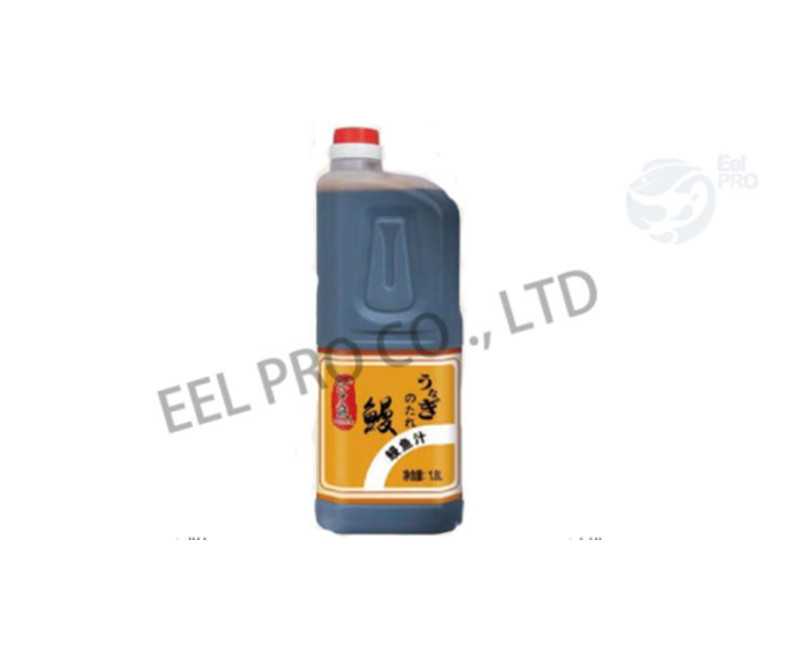
Reheating is where many cooks make mistakes. Preheat your oven to 200°C (390°F). Place the frozen eel skin‑side down on a foil‑lined tray. Bake for 12–15 minutes until the surface bubbles and the edges darken slightly. If you want extra char, switch to the grill function for the last 2 minutes — but watch it closely, because the sugar in the tare can burn fast. A brush of our eel sauce right after heating revives that fresh‑off‑the‑grill taste.

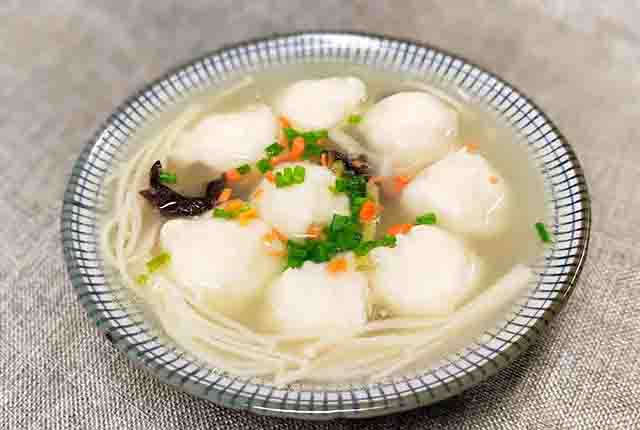
Chefs often ask us about the sauce itself. The kabayaki sauce secret weapon is its balance of soy, mirin, and a touch of sweetness that highlights the eel’s own richness without masking it. You can spoon extra warm tare over rice, drizzle on grilled vegetables, or use it as a glaze for other seafood. For a quick weeknight dinner, fold flaked unagi into a steaming bowl of eel noodle soup — the broth picks up the smokiness, and the noodles make it a one‑bowl comfort meal.
Absolutely, as long as you treat it as a rich protein. Pair a small glazed fillet with plenty of vegetables and whole grains, and you’ve got a meal that covers protein, fat, vitamins A and D, and omega‑3s without going overboard on calories.
Eel works in keto, low‑carb, paleo, Mediterranean‑style, and high‑performance diets. Its macro profile — high protein, high fat, near‑zero carbs — means you can build the rest of the plate around your specific targets. Even the modest sugar from tare sauce stays low enough not to disrupt most plans.
“Healthier” depends on the context. Eel offers more vitamin A than virtually any other fish, dense omega‑3s, and low mercury. It’s richer in calories than white fish, so it isn’t a daily lean option, but for nutrient variety it outperforms many common choices like tilapia or pollock.
We suggest enjoying eel 1‑2 times a week. The calorie density and sweetness of the kabayaki sauce make daily portions a bit heavy. Swapping it in twice a week, though, gives your menu a boost of flavor and micronutrients that few other proteins can replicate.
Freshwater eels, especially farmed ones, generally have low mercury levels because they sit lower on the food chain than large ocean predators. This makes them a safer choice for regular consumption compared to big‑eye tuna or swordfish.
So, is eel good for you? The numbers, the traditions, and the plates lined up on Japanese counters all say yes — when chosen wisely and plated with balance, unagi is a nutrition star disguised as comfort food. Next time you’re planning a meal that needs to be both satisfying and genuinely good for your body, skip the plain fillet and reach for a pack of frozen unagi kabayaki. It defrosts, caramelizes, and wins over skeptics with one bite.
We’d love to hear how eel fits into your table. Do you keep it classic over a bowl of rice, or have you found a creative twist? Drop a comment with your go‑to eel dish, and while you’re here, browse our full range of freshwater eels and ready‑to‑heat unagi kabayaki — exported fresh‑frozen so you can bring that rich, savory experience to your menu anytime.


 WhatsApp
 sales@chinaeels.com
 +8619937922411