





Guests love the glossy glaze and smoky-sweet flavor of eel—but can a full eel menu sell consistently, hold up during service, and remain profitable? The answer begins with menu planning, not just the recipe book.
Picture a Friday night. The kitchen is sending out sushi trays, rice bowls, noodle dishes, and banquet plates all at once. Hot eel hits the pass, the sauce catches the light, and its aroma reaches the dining room before the plate does. That immediate appeal can make an eel dish a standout menu feature. Still, results depend on portion control, sensible pricing, the right serving formats, and products that fit smoothly into the kitchen routine.
This guide is for restaurant operators, caterers, chefs, and foodservice buyers building practical menus around frozen unagi kabayaki, eel sauce, freshwater eels, and related seafood products.

Eel occupies a distinctive place on the menu. Guests familiar with Japanese cuisine often see it as a favorite, while first-time diners may view it as a premium or unfamiliar choice. Before adding five eel dishes, consider who is likely to order them and when.
Keep the first menu version focused. Many restaurants need only three core options: an entry-level rice bowl, a premium plate, and a flexible format such as sushi or noodles. Diners get enough choice, while the kitchen avoids stocking too many products and formats.
Rice bowls are often the most practical starting point for an eel dish program. Portions are easy to weigh, plating moves quickly, and rice balances the richness of the kabayaki glaze.
A standard bowl might include 100–120 g of cooked eel, steamed rice, shredded nori, spring onion, and a small side of pickles. A premium bowl can use 150–180 g of eel with a soft egg, sansho pepper, and clear soup. A half-and-half bowl featuring eel and grilled salmon gives cautious customers a lower-risk way to try it.
For high-volume lunch service, use the same rice vessel and garnish across several menu items. The line can then assemble an eel bowl, chicken bowl, and mixed seafood bowl without disrupting its plating rhythm.
Unagi sushi is familiar, visually appealing, and easy to sell as an add-on. It works in nigiri, inside-out rolls, hand rolls, and pressed sushi. For delivery, eel rolls can be more stable than a large sauced fillet because the rice and nori help protect the portion in transit.
Use a lighter sauce application for delivery orders. Too much glaze can soften the rice and leave the box messy after 20 minutes. A separate portion of eel sauce gives customers more control while protecting presentation.
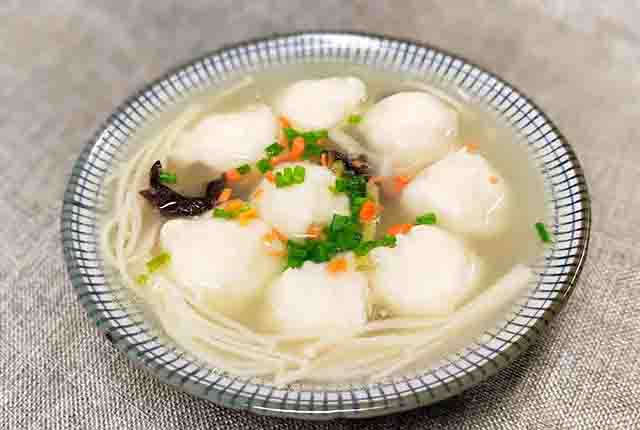
Eel noodle soup, chilled soba with grilled eel, and udon topped with sliced kabayaki can take the menu beyond rice. These dishes suit guests who want something warm and satisfying without ordering a large rice bowl.
For an operational reference, see these eel recipes for ideas on pairing eel with broth and noodles. In a commercial kitchen, keep the eel pre-cut and add it during final plating. This preserves its texture and prevents it from sitting too long in hot liquid.
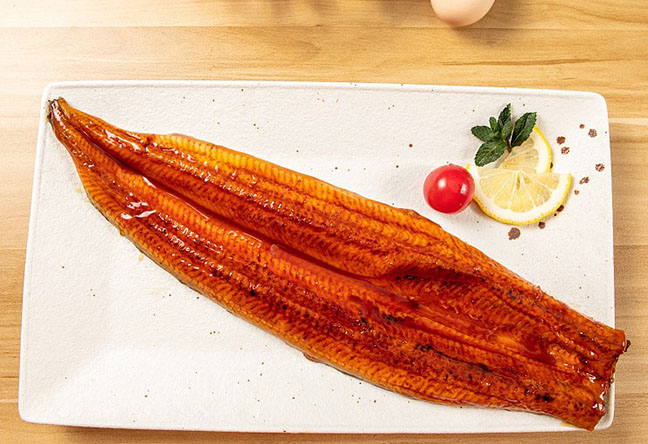
A premium set can feature a larger piece of eel with steamed rice, miso soup, seasonal vegetables, and pickles. This format works well for dinner service, Japanese restaurants, hotel dining rooms, and limited-time promotions.
The plate should feel generous without relying on eel weight alone. Color makes a difference. Add a green vegetable, a bright pickle, and clean white or dark ceramic tableware. A small bowl of rice helps complete the meal while keeping the protein portion under control.
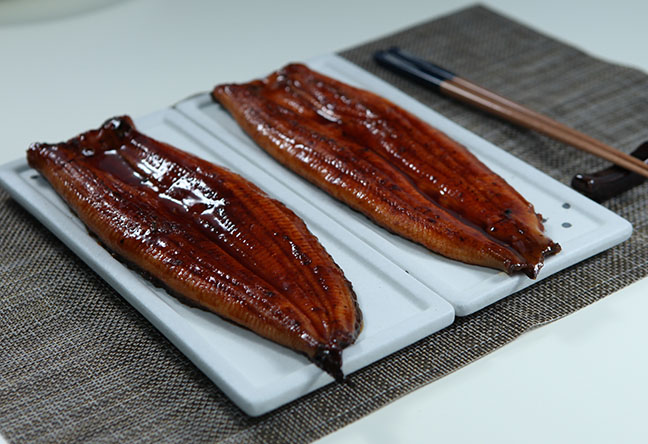
Good unagi menu planning is not about offering every possible preparation. It is about using ingredients efficiently across several sales channels. Ideally, one pack of frozen unagi kabayaki should support multiple menu applications.
| Menu format | Suggested portion | Best use | Operational note |
|---|---|---|---|
| Half eel rice bowl | 80–100 g | Lunch or entry-level pricing | Fast assembly and controlled food cost |
| Standard unagi don | 100–150 g | Main-course sales | Works with rice, pickles, and soup |
| Premium eel set | 150–180 g | Dinner and special menus | Needs strong presentation and tableware |
| Sushi or roll portion | 20–40 g | Add-ons and combination platters | Useful for using smaller cuts |
| Catering tray portion | 60–100 g | Buffets and boxed meals | Slice evenly for consistent service |
Ask the supplier about fillet size, packing format, glazing, sauce coverage, and carton quantities before finalizing the menu. A product that seems inexpensive per kilogram may create more waste if the cut size does not suit your plates.
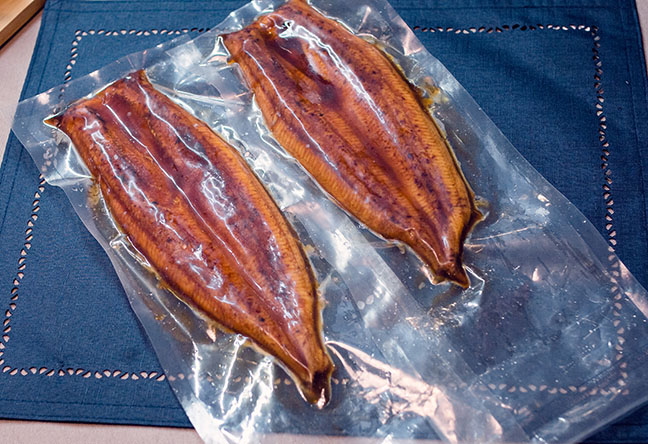
Frozen unagi kabayaki is particularly useful for foodservice because it can be portioned, heated, and finished with a house presentation. Confirm storage requirements and thawing instructions with the supplier, then include them in the kitchen prep guide.
The most effective eel foodservice applications have three things in common: predictable portions, short finishing times, and easy training for new staff. Those details matter whether the restaurant is quiet on a Tuesday or running at full speed on a Saturday night.
For restaurant service, choose one core cooking method and keep finishing steps straightforward. Many operations thaw the required quantity under controlled refrigeration, heat the eel, brush on sauce if needed, and finish it under a grill, salamander, or hot oven.
For reheating, follow the product’s approved instructions rather than relying on guesswork. As a general kitchen control, the center of the portion should reach at least 74°C when local food-safety rules require that standard. Avoid heating and cooling the same fillet repeatedly. It harms texture and introduces unnecessary food-safety risk.
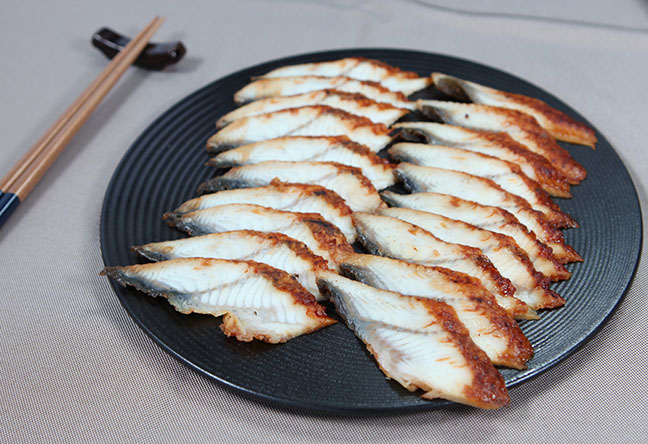
For buffets, slice eel into smaller pieces and arrange them over rice, sushi rice, or a mixed-grain base. Keep sauce on the side, or apply a light brush just before service. A deep pool of sauce can make the tray look heavy and cause the rice to break down.
Use heated holding equipment according to local regulations. As a practical quality target, many kitchens aim to keep hot food at 60°C or above, while confirming the exact requirement in their jurisdiction. Replace smaller trays more frequently instead of putting out one large tray for several hours.
For takeaway, separate hot eel from wet garnishes whenever possible. Pickles, shredded cucumber, and sauce can go into individual compartments. If condensation is making the rice soggy, vent the container briefly before sealing it.
Rice bowls, sushi rolls, and compact bento boxes usually travel better than elaborate plated meals. Include a small sauce cup, disposable chopsticks, and a note suggesting that customers enjoy the eel warm.
Commercial eel dishes need a clear role on the menu. Is the item meant to bring in lunch traffic, increase average check value, support a banquet package, or introduce a premium seasonal special? The answer shapes its portion, garnish, packaging, and selling price.
Start with the edible portion cost:
Protein cost per serving = purchase cost per kilogram × serving weight in kilograms
Then add rice, sauce, garnish, packaging, labor, delivery fees, and an allowance for waste. If a 10 kg carton produces only 90 usable portions after trimming and handling, calculate the cost based on those 90 portions—not the carton weight alone.
For example, if the total plate cost is $4.20 and the target food-cost percentage is 32%, a starting menu price would be:
$4.20 ÷ 0.32 = $13.13
That is a planning figure, not a fixed rule. Rent, labor, local competition, tax, platform commissions, and service style all affect the final price. A delivery platform may require a higher price than an in-store lunch menu. A hotel banquet may use a package price based on the full event rather than a single plate.
Sauce can distinguish menu items without adding much prep work. Offer a classic sweet-savory kabayaki finish, a lighter soy-citrus option, or a spicy glaze for a modern rice bowl. If speed is essential, keep the base sauce consistent.
For background on flavor development and sauce use, read kabayaki sauce. A reliable eel sauce also helps maintain flavor consistency between shifts, especially when several cooks share the line.
Before placing a regular order, request a product specification sheet and, where possible, a sample carton. Check the following:
Avoid this common mistake: comparing suppliers only by price per carton. A lower-priced product may have smaller portions, more sauce weight, or inconsistent cuts. Compare the cost per plated serving after cooking and trimming.
Cold fact: eel is not simply “one type of fish” in commercial buying. Species, farm conditions, cut size, fat content, and processing style can all change the eating experience. Two fillets with the same weight may behave differently on the grill. Sample testing matters.
Create a one-page preparation card for each menu item. Include the frozen pack location, thawing method, portion weight, heating time, sauce amount, garnish, plate, and final temperature check. Add a photograph of the correct finished dish.
Use a digital scale during training. Once staff can portion accurately, they can work faster without guesswork. A difference of 30 g per bowl may seem minor, but across 100 servings it adds up to 3 kg of product.
Schedule a short tasting whenever a new batch arrives. Check sweetness, salt level, texture, and appearance. If the sauce or cut changes, adjust the menu description instead of surprising regular customers.
Start with the target customer and service period. Choose two or three formats that share ingredients, such as a lunch rice bowl, a premium dinner set, and a sushi or noodle item. Set a standard portion weight, confirm the product’s heating method, calculate the cost per serving, and train staff with a simple plating guide. Test the menu for speed during a busy service before adding more variations.
Rice bowls, bento boxes, sushi rolls, sliced eel trays, and buffet portions usually work well. They can be portioned in advance and served with familiar sides. For large events, use smaller pieces over rice or in mixed seafood platters. Keep sauce controlled, label the dish clearly, and replace buffet trays regularly to protect quality.
Calculate the full plate cost, including eel, rice, sauce, garnish, labor, packaging, waste, and delivery fees. Divide that cost by your target food-cost percentage. For example, a $4.20 plate cost at a 32% target suggests a base price of about $13.13. Compare this figure with local market prices and adjust for venue, service level, tax, and platform commissions.
Yes. A properly selected product can be used for rice bowls, sushi, noodle dishes, bento boxes, premium plates, and catering trays. The key is ordering a cut size and pack format that match your planned portions. Keep thawing and heating procedures consistent so the texture remains reliable.
A successful eel program does not need a long list of dishes. It needs a clear customer fit, repeatable portions, appealing presentation, and costs that make sense. Start with one dependable rice bowl, one premium plate, and one flexible format for sushi, noodles, or catering. Review sales after four to six weeks, then adjust portions and promotions based on actual orders.
Eelpro Co., LTD supplies frozen unagi kabayaki, eel sauce, frozen seafood, and freshwater eels for overseas foodservice buyers. Contact Eelpro to discuss pack sizes, product specifications, and menu applications for your restaurant or catering operation. Have a favorite eel dish or a menu format that performs well? Share it with your team—and let us know what works in your market.



 WhatsApp
 sales@chinaeels.com
 +8619937922411