





The bowl may look simple: hot rice, glossy kabayaki eel, a little sauce, and perhaps a few green onions. But a poorly priced eel rice bowl can lose money one order at a time. The key question is not simply, “What does the eel cost?” It is, “What does each serving cost once rice, sauce, labor, packaging, waste, and delivery fees are included?”
For restaurant operators and foodservice buyers, a clear costing sheet can turn a popular Japanese dish into a reliable menu item. This guide covers portion costs, eel sourcing, packaging, labor, and pricing, with practical figures you can adapt to your own kitchen.

Portion size is the foundation of profitable menu planning. If one cook serves 120 grams of eel and another serves 160 grams, your food cost changes before customers notice anything different on the menu.
For a standard lunch bowl, many operators start with one of these portion formats:
A 120-gram serving is a practical starting point for costing. It gives customers a visible, satisfying portion of eel without making the bowl reliant on an expensive oversized serving. During a menu test, weigh the first 20 to 30 bowls. Record the average, then set a portion tolerance such as 115–125 grams.
Rice needs the same discipline. For example, a bowl may contain 220 grams of cooked rice, which usually comes from about 75–85 grams of uncooked rice, depending on the variety and cooking method. Weighing cooked rice helps maintain consistency during a busy service.
Do not put “eel” into one broad cost column and stop there. A useful costing sheet separates every component. Here is a sample calculation in US dollars for a 120-gram serving:
| Component | Portion | Sample cost |
|---|---|---|
| Frozen unagi kabayaki | 120 g | $3.00 |
| Cooked rice | 220 g | $0.28 |
| Eel sauce or unagi tare | 20 g | $0.16 |
| Green onion, sesame, seaweed, garnish | One portion | $0.22 |
| Pickles or side garnish | One portion | $0.18 |
| Food container and lid | One set | $0.42 |
| Direct labor allocation | One portion | $0.75 |
| Total direct cost | $5.01 |
This sample will not reflect every market or supplier. Treat it as a working model, then replace each figure with your own invoice prices, measured yield, and local wage rates.
The first line deserves the closest attention. Compare suppliers by cost per edible serving, not just cost per carton. A frozen eel fillet may include trimming loss, glaze, or a different cooked yield than expected. If a 1-kilogram pack produces eight portions rather than the expected 8.33 portions, your actual price per serving is higher.
Use this formula:
Eel rice bowl food cost = total ingredient cost ÷ number of sellable portions
For a broader plate-cost view, add packaging and direct labor:
Full direct cost = eel + rice + sauce + garnish + packaging + labor
For example, if a 1-kilogram pack costs $25 and produces eight 120-gram portions after your measured preparation yield, the eel cost is $3.13 per portion, not $3.00. That 13-cent difference adds up to $130 over 1,000 bowls. Small costing errors can have a long tail.
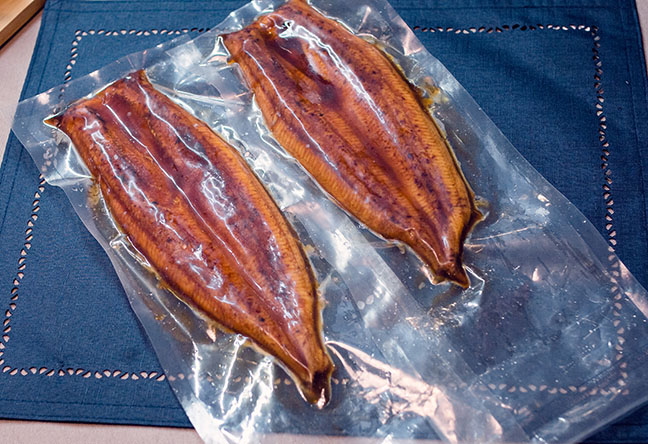
Cost control begins before the product reaches your kitchen. Buyers should compare pack size, fillet weight, glaze, cooking format, shipping temperature, case quantity, and minimum order requirements. Request a sample and record the actual serving yield.
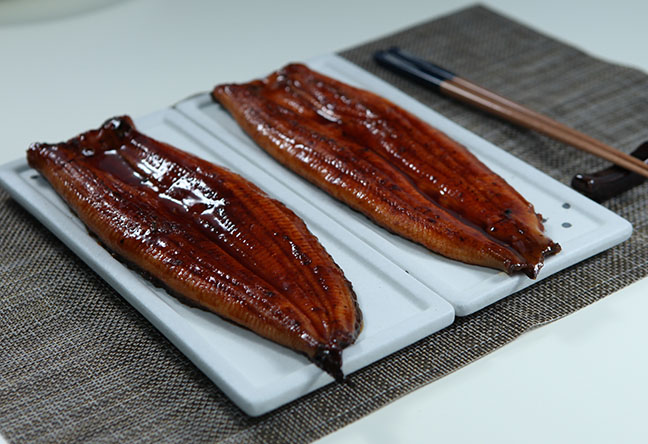
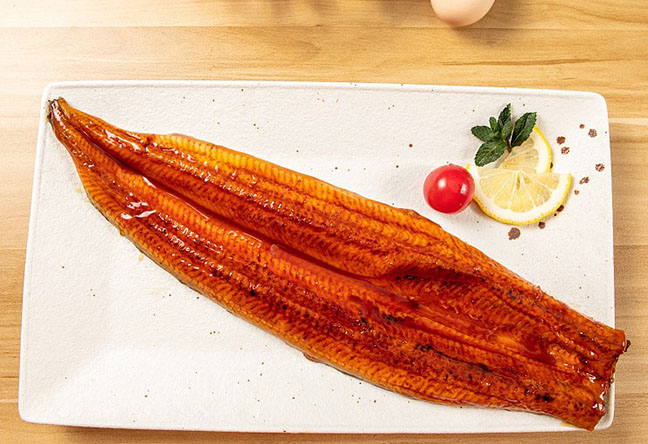
Frozen unagi kabayaki can help foodservice kitchens maintain portion consistency because the eel arrives in a standardized, prepared format. It also supports faster service than processing whole freshwater eels from the beginning. For a high-volume bowl program, predictable fillets can reduce training time and simplify purchasing.
That does not mean the lowest carton price is always the best value. Check these points:
In practice, consistency often matters more than a small difference in quoted price. A supplier that saves 10 cents per portion but causes frequent short shipments or uneven fillets may cost more through waste, delays, and customer complaints.
Unagi traditionally refers to freshwater eel, while anago usually refers to conger eel, a saltwater species. Their texture, fat content, and cooking behavior differ. A menu that promises unagi should use the correct product description. Mixing up the two can create quality issues and undermine customer trust.
The sauce may look inexpensive, but a heavy pour can change the numbers quickly. A 20-gram serving at $0.16 becomes $0.24 at 30 grams. Across 2,000 bowls, that adds an extra $160.
Use a ladle, squeeze bottle with a measured opening, or portion cup. Test the serving tool several times. A “one-second pour” is not a reliable standard when five different staff members are using it.
Rice costs less than eel, but it has a major effect on perceived value. A bowl with too little rice looks overpriced; a bowl with too much rice makes the eel seem small. Set a rice weight, bowl size, and eel-placement standard. Customers should see the eel as soon as they lift the lid.
For sauce selection and serving ideas, see our eel sauce product page. You can also read our guide to kabayaki sauce for more detail on flavor balance and menu use.
Garnish is another common blind spot. Green onion, sesame seeds, shredded nori, pickled ginger, and a small side of cucumber may add only 20 to 40 cents, but they still belong on the costing sheet. A premium garnish can support a higher menu price, while an unnecessary one can quietly reduce margin.
Ingredient cost alone is not the full selling cost. A takeaway bowl may need a container, lid, sauce cup, chopsticks, napkin, label, and bag. Depending on your market, the packaging set may cost $0.35–$0.80.
Labor can be calculated by tracking the minutes required for one batch and dividing that cost by the number of bowls produced. Suppose two employees spend 30 minutes preparing 40 bowls, and the blended labor rate is $18 per hour:
Labor cost = 1 hour × $18 ÷ 40 bowls = $0.45 per bowl
Add more time if the dish requires made-to-order assembly, table service, or special packaging. A bowl that takes 90 seconds to assemble has a very different labor profile from one that takes 20 seconds.
Waste should be visible in your numbers. Record broken fillets, unsold rice, damaged packaging, expired garnish, and sauce discarded during cleaning. A practical starting allowance might be 2–5% of food purchases, but after four weeks, your own records should replace that estimate.
Delivery marketplaces deserve a separate line as well. If a platform takes 25% of the selling price, a $15 bowl loses $3.75 before payment processing, promotions, or tax. Your dine-in price and delivery price may require separate calculations.

Once you know your full direct cost, choose a target food-cost percentage. Many restaurants work within a range of 28–35% for food cost, although the right figure depends on rent, labor, service style, taxes, and local competition.
The basic pricing formula is:
Menu price = target direct food cost ÷ target food-cost percentage
If the direct ingredient cost is $3.84 and your target food cost is 30%:
$3.84 ÷ 0.30 = $12.80
If your full direct cost, including packaging and labor, is $5.01, the required price at a 35% direct-cost ratio becomes:
$5.01 ÷ 0.35 = $14.31
These figures do not dictate your final menu price. They show the minimum level your business needs to protect its margin. You may price at $14.99, $15.50, or a higher premium level after considering portion size, location, service, and competitor pricing.
There is no single ideal price. A practical answer comes from three checks:
For a bowl with a $5.01 full direct cost, a price between $14 and $17 may be reasonable in many casual foodservice settings, but local conditions matter. A premium restaurant with table service, ceramic ware, and larger eel portions may need to charge more. A grab-and-go counter with lower labor and rent may charge less.
Do not copy a competitor’s price without comparing portions. One restaurant may serve 80 grams of eel with a small rice portion, while another serves 140 grams with soup and pickles. Those prices are not directly comparable.
Good pricing is only one part of unagi menu profitability. Your menu can guide customers toward combinations that raise the average check without making the main bowl feel overpriced.
For example, if the regular bowl sells for $14.99 and the double-eel upgrade adds 60 grams of eel costing $1.50, charging an additional $3.50 can improve contribution margin while giving customers a clear upgrade choice.
Menu photos should show the actual serving. Avoid styling a bowl with extra eel that never reaches the customer. It creates disappointment and makes portion control more difficult for the kitchen.
Start with measurement. Weigh eel, rice, and sauce for a full week, then compare theoretical cost with actual purchases. The gap may reveal over-portioning, poor yield, waste, or unrecorded staff meals.
Next, standardize purchasing. A frozen product specification should state fillet weight, pack size, storage requirements, and acceptable variation. Schedule stock checks before the weekend, when demand may rise sharply. Keep frozen inventory organized by date and use older approved stock first.
Review the bowl every 30 days. Supplier prices, packaging costs, labor rates, and delivery fees all change. A price that worked in January may be too low by July.
Finally, use the rest of the menu intelligently. If your kitchen also sells noodle dishes, an approved portion of eel can support a second item using the same purchasing program. Our eel recipes include ideas for using eel in noodle soup and other service formats. Multiple menu applications can improve stock movement and reduce slow-moving inventory.
Create one row for each menu item and include these columns:
Then test three sales channels: dine-in, takeaway, and delivery. A $15 dine-in bowl may not produce the same profit as a $15 delivery bowl. If the delivery commission is high, consider a separate delivery price, a smaller promotion, or a direct-order incentive.
Keep the sheet simple enough for managers to update. A perfect model that nobody maintains is less useful than a basic sheet reviewed every week.
Add the cost of the measured eel portion, cooked rice, sauce, garnish, sides, and waste allowance. Divide the total ingredient cost by the number of sellable servings. For a fuller operating view, add packaging, direct labor, and delivery fees separately. This shows both food cost and actual contribution per bowl.
The ideal price is the amount that covers your measured costs, meets your target margin, and fits customer expectations in your market. Start with the formula: menu price equals direct cost divided by target food-cost percentage. Then compare portion size, service, and competitor prices before setting a final figure.
Use a fixed eel weight, measure sauce, control cooked-rice portions, record waste, and review supplier yield. Offer paid upgrades such as extra eel or a set meal. Keep dine-in and delivery pricing separate when commissions differ. A monthly cost review can catch margin loss before it becomes a major problem.
The answer depends on volume, labor, equipment, and product positioning. Frozen unagi kabayaki can reduce preparation time and make portions more consistent. Fresh freshwater eel may suit a specialized operation with trained staff and a longer preparation process. Compare total cost per sellable portion, not only the purchase price.
A profitable eel rice bowl is built on measured portions, reliable sourcing, honest menu pricing, and regular review. Start with a 120-gram eel portion, calculate every cost, and test the result across dine-in, takeaway, and delivery. Then adjust the bowl to suit your customers without guessing at the numbers.
Eelpro Co., LTD supplies frozen unagi kabayaki, eel sauce, frozen seafood, and freshwater eels for overseas foodservice buyers. Contact our team to discuss product specifications, portion planning, and supply needs. If you are testing a new menu, share your preferred portion size and target market with us—and tell us in the comments which unagi bowl style your customers order most often.



 WhatsApp
 sales@chinaeels.com
 +8619937922411