





Grilled eel can make a buffet memorable—or leave the kitchen short before the first seating is over. The difference usually comes down to portion control, menu format, and a realistic yield calculation.
At a wedding buffet, a warm tray of glossy kabayaki eel attracts guests fast. In a Japanese restaurant, eel over rice feels generous when the portion is right, but it becomes costly when every plate is overloaded. For caterers and foodservice buyers, the product itself is only part of the decision. You also need to consider service speed, side dishes, holding time, pack sizes, and how many guests are likely to choose eel.
This guide explains how to build a practical grilled eel menu, estimate usable yield, and choose a format suited to events, restaurants, hotels, and prepared-meal counters.

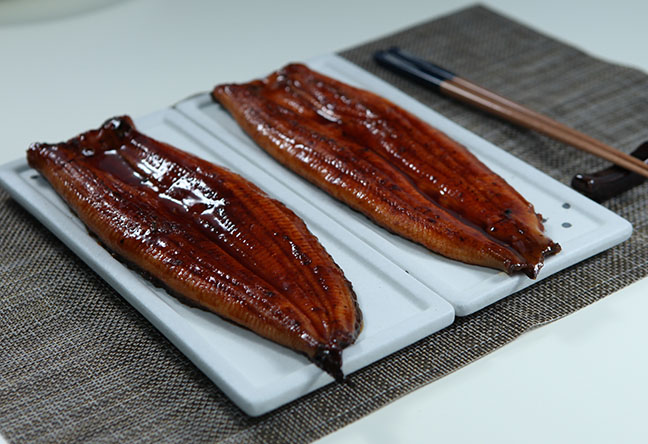
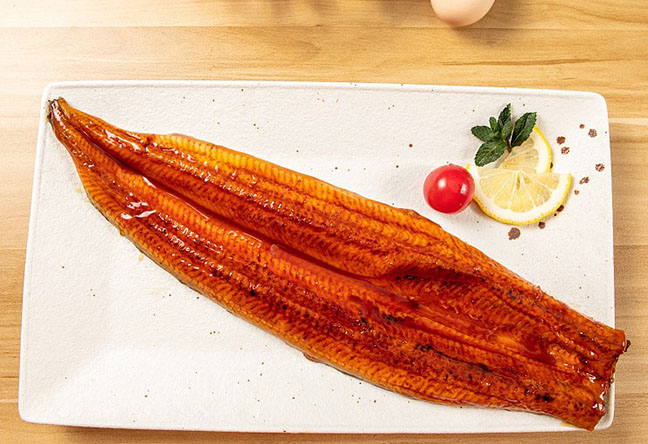
Eel has immediate visual appeal. Its dark, glossy sauce catches the light, and its rich flavor gives even a modest serving plenty of presence. It works as a main course, a rice bowl topping, a sushi ingredient, or a small tasting portion.
That flexibility lets caterers serve different budgets without changing the central ingredient. A 100-gram restaurant portion may suit a plated dinner. A 50- to 70-gram serving works well on a buffet with several other proteins. For a cocktail reception, small eel rice cups may require only 25 to 40 grams per guest.
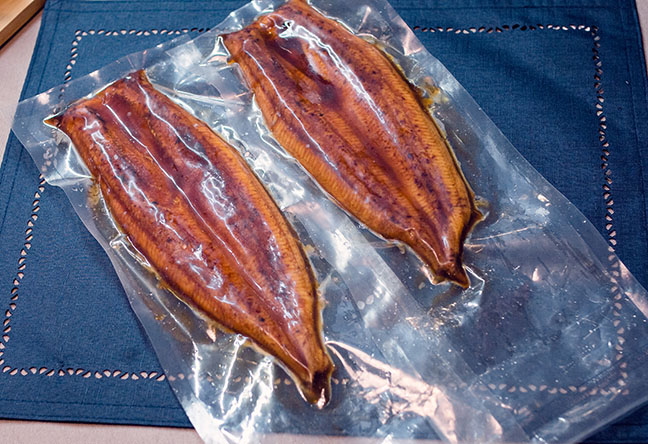
Frozen unagi kabayaki is also practical for foodservice. It arrives portioned or easy to divide, already seasoned, and ready for planned production. The kitchen can forecast demand instead of depending on the daily supply of fresh fish. When comparing suppliers, look at fillet size, bone status, sauce coverage, carton weight, glaze, packing method, and thawed appearance—not just the price per carton.
The right portion depends on how guests receive the product. A plated meal, self-service buffet, and passed appetizer produce very different consumption patterns.
For a donburi-style plate, plan approximately 80 to 120 grams of finished eel per guest. Use the lower end when the plate includes miso soup, pickles, vegetables, and another protein. Use the upper end when eel is the main attraction and the rice bowl is the full entrée.
A simple menu might include kabayaki eel over steamed rice, shredded nori, Japanese pickles, and a small salad. The plate feels complete without requiring an oversized fish portion.
Buffets require a different calculation because guests serve themselves. Plan around 60 to 90 grams per expected eel eater, not necessarily per total guest. If 120 people attend and you expect 65% to choose eel, the calculation is:
120 guests × 65% × 75 grams = 5,850 grams of finished product.
Add a service reserve of 5% to 10%, bringing the working target to roughly 6.2 to 6.45 kilograms. This reserve accounts for uneven scoops, second servings, small pieces left in pans, and last-minute changes in guest preference.
For receptions, food halls, and tasting menus, use 25 to 50 grams per serving. A small cup of eel rice, a bite-size hand roll, or a mini donburi can create a premium impression while leaving room for guests to try other dishes.
These portions are especially useful when the menu already includes shrimp, chicken, beef, sushi, or several hot dishes. Not every item needs to be a full entrée. The aim is to give each guest a distinct taste and a balanced plate.
Decide portion sizes before placing an order. Otherwise, staff may cut pieces by eye, and the final tray count can vary widely from one shift to the next.
| Service style | Finished eel per guest | Typical use |
|---|---|---|
| Appetizer or tasting cup | 25–40 g | Receptions, tasting menus, rice bites |
| Light buffet portion | 50–70 g | Buffets with several proteins |
| Standard buffet portion | 70–90 g | Eel as a featured hot dish |
| Restaurant rice bowl | 80–120 g | Unagi don, eel rice plates |
| Large plated entrée | 120–150 g | Eel-centered dinner service |
These are planning ranges, not fixed rules. Always compare them with your actual package specification. A fillet may be sold as a whole piece, half piece, or individually packed portion. If your kitchen serves half a fillet per bowl, confirm the average weight of that half before printing the menu or promising a set number of portions.
Use this formula for purchasing:
Required finished weight = guest count × expected eel participation × portion size
Then add a reserve of 5% to 10%. If the product requires trimming or loses sauce and moisture during heating, use the actual yield from your own test batch. As a first estimate, a pre-cooked frozen fillet may provide about 90% to 95% usable serving weight after thawing, handling, and cutting. Results vary by product specification and kitchen practice.
Example: a hotel expects 250 guests. Eel will be one of four main hot dishes, and the chef estimates that 55% of guests will take it. At 75 grams per eater:
Round up to the supplier’s carton or pack size. A clean purchasing number is easier for receiving staff and helps prevent underfilled trays.
Good grilled eel menu planning is not about adding eel to every course. It means giving the ingredient one clear role and surrounding it with foods that balance richness, color, and texture.
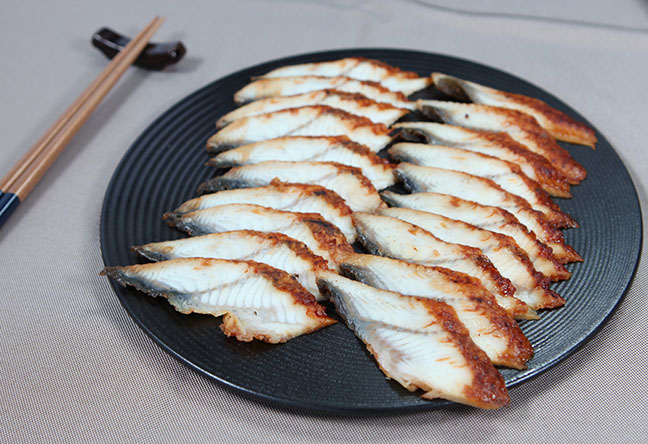
For a Japanese-themed dinner, serve eel over rice with shredded nori, mitsuba, pickles, and clear soup. For a modern buffet, offer sliced kabayaki alongside steamed rice, grilled vegetables, and a light cucumber salad. For a standing event, serve mini rice cups with a small eel piece and a brush of sauce.
Trying to offer all three formats at once creates unnecessary work. Each requires different cutting, plating, labels, and replenishment. Choose the format that fits the event and execute it well.
Kabayaki sauce is sweet, savory, and full-bodied. Pair it with fresh or lightly seasoned sides:
Keep extra sauce available, but do not flood the tray. A thin, glossy coating is easier to portion and prevents the rice from becoming soggy. If your operation needs to adjust sweetness or viscosity, compare a ready-to-use product with a concentrated eel sauce product before the event.
Start with the guest profile and service period. A two-hour evening reception has a different eating pattern from a 45-minute corporate lunch. Ask four questions:
Next, set a target portion in grams. Do not leave that decision until the service line opens. Cut or weigh a sample portion before the event. Ten sample pieces can quickly show whether the selected fillet size suits your serving plan.
Finally, prepare a tray plan. Record the number of pieces per pan, the target replenishment level, the sauce quantity, and the person responsible for checking the line. This simple document helps the kitchen avoid using too much product in the first 30 minutes of service.
In unagi foodservice, consistency matters as much as flavor. Buyers should request clear supplier specifications for frozen weight, individual piece weight, sauce ratio, packaging, glazing, and storage conditions.
Keep frozen product at −18°C or below during storage unless the supplier’s instructions state otherwise. Thaw according to the product specification, and keep raw and ready-to-serve areas separate. During service, follow local food safety rules; as a general hot-holding reference, keep cooked food at 60°C/140°F or above. Use shallow pans when possible so the product heats evenly, and replenish in smaller batches.
Do not stack too many fillets in one deep pan. The top pieces may look ready while the center remains cool. A labeled pan showing production time and discard time gives the team a quick visual check.
For restaurants, portioning can be even more exact. If one bowl uses 100 grams, a 10-kilogram working batch represents about 100 portions before allowing for handling loss. If the same kitchen uses 70 grams for lunch and 100 grams for dinner, label the two portion standards separately. Staff should never have to guess.
For product selection, review Eelpro’s frozen unagi kabayaki specifications and confirm the pack format that suits your menu. A caterer serving 40-gram tasting portions needs different packaging from a restaurant serving whole fillets.

“Kabayaki” describes a preparation style in which eel is cut, grilled, coated with a sweet-savory tare, and grilled again. Repeated coating creates the familiar shine and layered flavor. That is why the sauce is part of the product identity, not simply a finishing touch.
A low carton price does not always mean a low plate cost. Compare net edible weight, individual piece size, sauce or glaze percentage, and the number of practical portions per carton. A carton that yields 100 reliable 80-gram servings may be more valuable than one that weighs the same on paper but produces uneven pieces.
At a mixed buffet, not everyone will choose eel. Vegetarian guests, children, allergy concerns, and guests selecting other proteins all affect demand. Use historical sales data when available. For a new event, ask the organizer about guest preferences and build a modest reserve rather than doubling the order without evidence.
Scallions, nori, sesame, pickles, and sansho can make the dish look polished. Ten separate garnishes, however, can slow the line. Choose two or three that staff can replenish quickly.
The best side dishes for events are easy to portion, hold well, and provide contrast. Vinegar-seasoned cucumber adds freshness. Pickled vegetables cut through the sweetness of the tare. Rice gives the sauce a familiar base, while leafy greens bring color and a lighter bite.
For a buffet, avoid serving several heavy dishes beside eel. Creamy gratins, rich beef dishes, and sweet glazed vegetables can make the entire plate feel dense. A better combination is eel, steamed rice, a green vegetable, a crisp pickle, and soup.
For a Western-style event, consider a small eel portion with rice pilaf, grilled asparagus, shaved fennel, or a bright citrus slaw. The presentation can change, but the same principle applies: pair the rich fish with clean, fresh flavors.
Leftover planned portions can support a second menu item if food safety procedures and local regulations permit. Small pieces can be used in eel sushi rolls, chawanmushi, rice balls, or noodle dishes. A useful reference for menu development is Eelpro’s collection of eel recipes, including ideas for eel noodle soup.
Some chefs use small eel pieces as a premium topping for soba or cold noodles. Others fold chopped eel into tamagoyaki or place it on a small sushi rice mound. These formats can broaden menu variety, but portion the eel before production so the premium ingredient does not disappear into oversized servings.
If the sauce profile is part of your concept, review this explanation of kabayaki sauce. It can help purchasing and culinary teams align on sweetness, thickness, brushing, and final presentation.
For a full rice-bowl entrée, plan approximately 80 to 120 grams of finished eel per guest. For a buffet with several proteins, use about 60 to 90 grams per expected eel eater. For appetizers or tasting cups, 25 to 50 grams is usually sufficient. Add 5% to 10% for service loss and second servings.
Choose the service format first, estimate the percentage of guests likely to select eel, set a gram-based portion, and list the side dishes before ordering. Then test one tray with your actual product. Record thawed weight, usable weight, piece count, and portion count. Use those results for the final purchase rather than relying only on a general average.
Steamed rice, pickles, cucumber salad, leafy greens, miso soup, edamame, nori, and lightly seasoned vegetables all work well. Choose sides with fresh, salty, or acidic notes to balance the rich kabayaki flavor. For larger buffets, avoid pairing eel with too many sweet or creamy dishes.
Multiply the number of guests by the expected participation rate and the finished portion size. Add a 5% to 10% reserve, then adjust for the product’s actual thawed and usable yield. A short test with one pack is the safest way to confirm how many servings your kitchen will obtain.
A successful eel menu begins before cooking. Match the fillet size to the service format, weigh sample portions, allow for a sensible reserve, and give guests sides that keep the plate balanced. These steps protect food cost while keeping the serving line attractive and well supplied.
Eelpro Co., LTD supplies frozen unagi kabayaki, eel sauce, freshwater eels, and frozen seafood for overseas buyers and professional foodservice operations. Contact our team to discuss pack sizes, product specifications, and a grilled eel order suited to your event or menu. If you have a preferred eel buffet format, share it with us and tell us how you calculate portions.



 WhatsApp
 sales@chinaeels.com
 +8619937922411