





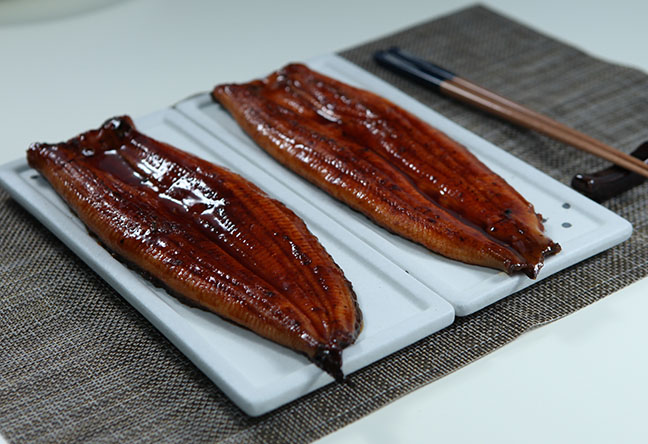
One bite of warm unagi kabayaki, glossy with sweet soy sauce, can make an ordinary dinner feel like a restaurant meal. But is eel good for you compared with salmon, tuna, cod, or shrimp? In many cases, yes. Eel can be a nutritious choice, especially when you keep an eye on the sauce and serving size.
Think of a bowl of steamed rice topped with tender grilled eel, shredded nori, and crisp cucumber. It is rich, satisfying, and packed with flavor. Eel differs from lean white fish because it contains more fat, more calories, and a valuable mix of vitamins. That does not make it better or worse than every other fish; it simply offers a different nutritional profile.

Nutrition values can vary by species, farming method, cooking style, and sauce. The figures below are general estimates for 100 grams of cooked eel without added sauce. Keep in mind that a restaurant serving or packaged unagi fillet may be larger.
| Fish | Calories | Protein | Fat | Notable nutrients |
|---|---|---|---|---|
| Freshwater eel | About 230–280 kcal | About 23–25 g | About 14–20 g | Vitamin A, vitamin D, vitamin B12, omega-3 fats |
| Salmon | About 200–210 kcal | About 20–22 g | About 12–14 g | Omega-3 fats, vitamin D, vitamin B12 |
| Canned light tuna | About 110–140 kcal | About 24–26 g | About 1–5 g | Protein, selenium, vitamin B12 |
| Cod | About 90–110 kcal | About 20–24 g | About 1 g | Lean protein, selenium, vitamin B12 |
| Shrimp | About 95–110 kcal | About 20–24 g | About 1–2 g | Protein, selenium, iodine, vitamin B12 |
These figures highlight the key point in an eel health comparison. Eel provides plenty of protein, but it also delivers more natural fat and energy than cod, shrimp, or canned light tuna. That fat is one reason grilled eel feels so soft, rich, and satisfying.
A typical 100-gram serving of cooked eel provides roughly 23 to 25 grams of protein. That is comparable to salmon, tuna, cod, and shrimp. Protein supports muscle maintenance, promotes fullness, and makes fish a practical centerpiece for lunch or dinner.
For a family meal, a serving of about 100–150 grams per adult works well with rice, vegetables, or noodles. A smaller serving may be a better fit when the eel is heavily sauced or paired with other rich dishes.
Unlike some very lean fish, eel has a buttery texture and stays moist after cooking. Children and adults who find dry grilled fish unappealing may enjoy it for that reason. It also works especially well in rice bowls, sushi rolls, noodle soup, and bento boxes.
Eel is a fatty fish, although its exact fat content varies with the season, size, and preparation method. It contains omega-3 fatty acids, including EPA and DHA, which are also found in salmon, sardines, trout, and mackerel.
Salmon generally has a similar nutritional profile with slightly fewer calories per 100 grams. Tuna and cod are much leaner. The difference becomes clearer when you compare complete meals rather than individual fillets. A grilled eel bowl may include rice, sauce, and cooking oil, while steamed cod with vegetables can be considerably lighter.
The practical takeaway is simple: choose eel when you want a satisfying, nutrient-dense meal. Choose cod, shrimp, or canned light tuna when you want plenty of protein with fewer calories. Both can fit into a balanced eating pattern.
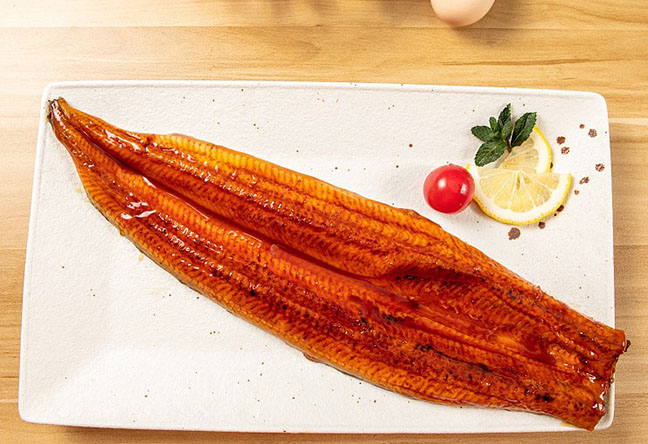
The fish is only part of the plate. Unagi kabayaki is traditionally brushed with a sweet soy-based glaze. Depending on the recipe and portion size, that sauce can add sugar and sodium. A thick coating on a large serving may shift the nutritional balance more than the eel itself.
For easier portion control, brush on a thin layer during the final stage of cooking and offer extra sauce on the side. Commercial kitchens often warm the eel, add a light glaze, and finish it under high heat for a glossy surface. At home, reheat cooked eel until the center reaches 74°C (165°F) when following general food-safety guidance for reheated leftovers.
You can also explore the ingredients and flavor profile of eel sauce before planning your menu. A well-balanced sauce adds plenty of flavor without burying the fish beneath a heavy coating.
Eel is known for its vitamin A content. Vitamin A supports normal vision, immune function, and skin health. Levels can vary widely, so eel is best viewed as one dietary source rather than a reason to take additional supplements.
Like salmon, eel may provide vitamin D, a nutrient linked to bone health and normal immune function. The amount depends on the fish and production conditions. If vitamin D is a concern, speak with a qualified health professional about your full diet and any testing needs.
Eel, salmon, tuna, cod, and shellfish can all contribute vitamin B12. B12 supports red blood cell formation and normal nervous system function. For people who eat little or no meat, fish can be a useful part of a varied diet.
Fish also provides selenium, phosphorus, and other minerals. Tuna and shrimp often receive attention for selenium, while eel offers a broader mix of fat-soluble vitamins and fatty acids. That is one reason an eel vs seafood nutrition comparison should look beyond calories alone.

Salmon and eel are both flavorful, fatty fish. Salmon is often easier to fit into a lower-calorie meal, while eel is typically richer and more tender. Both can provide protein, omega-3 fats, vitamin B12, and vitamin D.
For a Japanese-style dinner, serve either fish with steamed rice, miso soup, and leafy greens. Salmon works beautifully with lemon, dill, or roasted vegetables. Eel pairs naturally with rice, sansho pepper, cucumber, nori, and a sweet soy glaze.
Tuna is usually leaner and offers more protein relative to its calories. It is a convenient choice for sandwiches, salads, poke bowls, and quick lunches. Eel contains more fat and has a softer texture, so a smaller portion can still feel satisfying.
Species matters with tuna. Canned light tuna generally has lower mercury levels than larger tuna species, while albacore and bigeye tuna may require more careful serving choices. Follow guidance from your local food-safety authority, especially for children, pregnant people, and nursing parents.
Cod is mild, flaky, and very lean. It works well in fish tacos, baked fillets, and light soups. Eel is richer, darker, and more intensely flavored. Cod may suit a low-calorie meal better, while eel can make a modest portion of rice or noodles feel complete.
Shrimp is low in calories and fat while offering plenty of protein, vitamin B12, selenium, and iodine. Eel has a fuller mouthfeel and often provides more fat-soluble vitamins. If you have a shellfish allergy, eel can be a different seafood option, but it should not be treated as a direct substitute without considering your own nutritional needs.
Traditional unagi meals are not only about the fish. They often include rice, tare sauce, pickles, soup, and sometimes egg or vegetables. The combination can be filling and delicious, though the full meal may contain more calories and sodium than a plain fillet served with salad.
A practical unagi diet comparison looks like this:
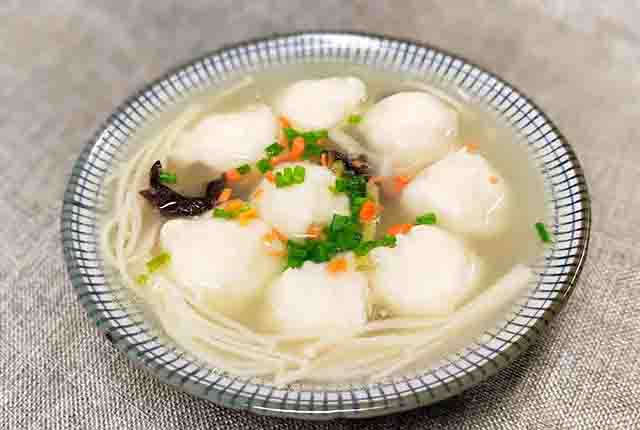
Try an eel noodle soup with mushrooms and bok choy instead of building every meal around a large rice bowl. This eel noodle soup recipe can inspire a warmer, more vegetable-forward serving idea.
There is no single winner. Eel can be healthier than a deep-fried fish meal or a highly processed seafood dish, but a plain portion of cod will usually be lower in calories. Salmon may offer a similar amount of omega-3 fat with a different vitamin profile. Shrimp delivers high protein with very little fat.
The best choice depends on your goal:
These are all useful healthy fish choices, but variety matters more than perfection. Rotating species can provide different nutrients while reducing repeated exposure to contaminants associated with particular fish.
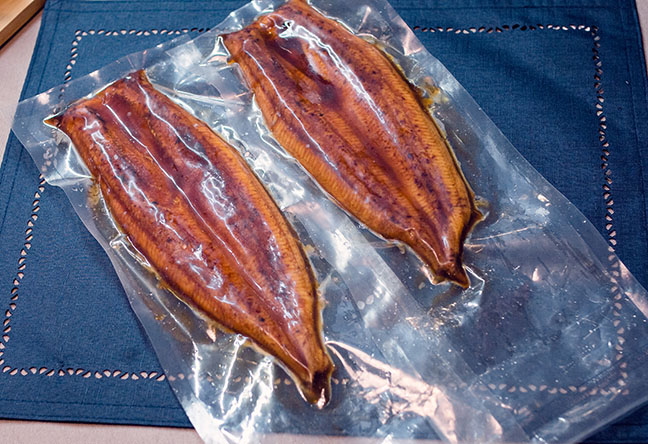
Start with the product label. Look for the species, country of origin, net weight, storage instructions, and ingredient list. A good frozen unagi fillet should look clean, have a consistent cut, and show no large areas of freezer burn.
When buying frozen eel, keep it frozen until you are ready to prepare it. Thaw it in the refrigerator for about 8–12 hours, depending on thickness. Do not thaw seafood on the kitchen counter. Once thawed, cook or reheat it promptly.
For convenience, frozen unagi kabayaki can be warmed in an oven, steamer, or pan. Follow the package directions, as products differ in thickness and whether they are fully cooked. A brief finish under the broiler can create a lightly caramelized surface, but watch it closely: sweet sauce can darken fast.
Freshwater eel stores fat in a way that gives it its distinctive rich texture. That is why two eel dishes can taste noticeably different depending on the season, size, and farming conditions. “Eel” on a menu does not automatically reveal its calorie or fat content. Preparation matters just as much as the fish itself.
Do not judge eel by the color of its sauce alone. A very dark glaze may simply be a concentrated tare, not evidence of higher quality. Check the ingredient list, texture, and storage history instead. For menu development, test a small portion first, then adjust the sauce level and cooking time.
If you are developing a restaurant or foodservice menu, this article about kabayaki sauce offers more ideas for pairing glaze, texture, and presentation.
Yes. A balanced plate might include 100–150 grams of eel, a moderate serving of rice, and two portions of vegetables. Add miso soup or a light cucumber salad, and keep additional sauce modest. This creates a meal with protein, carbohydrates, fat, and useful micronutrients.
People managing sodium intake, blood sugar, or calorie intake should pay particular attention to the tare and rice portion. Those with fish allergies should avoid eel. Pregnant people, young children, and anyone concerned about mercury or food safety should follow local public-health advice and choose seafood from reliable suppliers.
Eel does not need to appear every day to be part of a healthy eating pattern. Enjoying it once every week or two, while alternating with salmon, sardines, cod, trout, tuna, or shellfish, is a practical way to explore different flavors and nutrients.
Eel is not automatically healthier than every other fish. It offers high-quality protein, omega-3 fats, vitamin A, vitamin D, and vitamin B12, but it is also higher in calories and fat than lean fish such as cod or shrimp. The healthiest choice depends on your portion, cooking method, sauce, and overall diet.
Eel is similar to salmon in that both are relatively rich fish with protein, omega-3 fats, and several vitamins. Eel is often more calorie-dense and is commonly served with sweet sauce. Tuna is usually leaner and provides plenty of protein for fewer calories, but tuna species differ in mercury levels. Rotate seafood rather than relying on one species.
Yes. Serve a moderate portion of eel with vegetables and a sensible amount of rice or noodles. Use a light coating of sauce, or serve extra sauce separately. For many adults, 100–150 grams of cooked eel is a reasonable meal portion, though individual nutrition needs vary.
Many packaged unagi kabayaki products are pre-cooked and only require reheating, but the label is the final authority. Keep the product frozen as directed, thaw it in the refrigerator, and reheat it until hot throughout. Use clean utensils and refrigerate leftovers promptly.
So, is eel good for you? It can be. Eel provides protein, omega-3 fats, vitamins, and a texture that turns a simple bowl of rice into something memorable. It is richer than cod or shrimp, which is exactly why a moderate portion and a thoughtful sauce pairing work so well.
Eelpro Co., LTD supplies frozen unagi kabayaki, eel sauce, freshwater eels, and frozen seafood for overseas buyers and foodservice teams. Explore the products, test your preferred portion, and share your favorite pairing in the comments. Do you prefer unagi with rice, noodles, sushi, or grilled vegetables?



 WhatsApp
 sales@chinaeels.com
 +8619937922411