





A bowl of clear soup arrives with a small, tender piece of eel liver beside mitsuba and spring onion. One bite reveals a flavor that is rich, clean, and distinctly aquatic. But what exactly is eel liver? How should buyers assess it, and what separates a well-handled frozen lot from a poor one? This guide covers the questions chefs, distributors, and seafood importers commonly ask before placing an order.

Eel liver is the edible liver of freshwater eel. It is usually removed during processing and sold as a specialty seafood ingredient. In Japanese cuisine, it is best known as an ingredient in kimosui, a clear eel-liver soup traditionally served with unagi kabayaki. It may also be grilled, simmered, or prepared on skewers.
The flavor is fuller than that of ordinary white fish, but it should not be bitter, sour, overly muddy, or harsh. When handled properly, eel liver has a soft, delicate texture and adds depth to broth without requiring a large portion.
Terminology can vary in international trade. A supplier may list the item as eel liver, eel viscera, eel liver portions, or a liver-related by-product. These descriptions do not always refer to the same product. Before buying, confirm the exact product definition, species, processing method, size range, and whether the pack contains liver only or other internal organs as well.
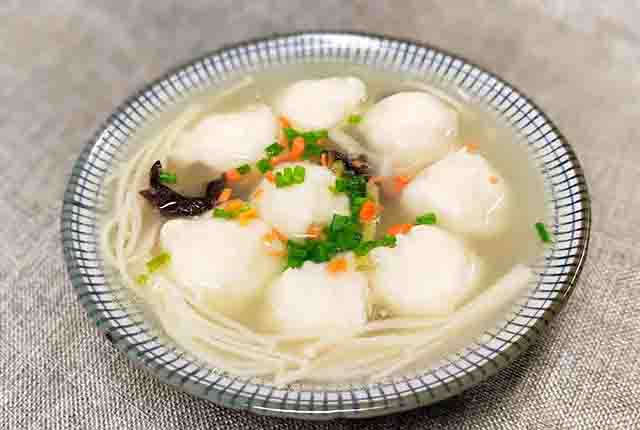
The best-known use is eel-liver soup. A small portion is rinsed, blanched, and simmered in dashi or a light soy-based broth. It is often served alongside grilled eel and rice, with mitsuba, yuzu peel, or scallion for fragrance.
For restaurants, this pairing makes practical sense. The same eel program can support both a main dish and a soup course. A guest ordering unagi don can receive a refined accompaniment rather than a standard bowl of miso soup.
Some chefs lightly season the liver, thread it onto skewers, and grill it over charcoal. A thin brush of eel sauce adds sweetness and gloss, although the seasoning should not overwhelm the liver’s natural flavor. Quick grilling usually works best; prolonged high heat can dry the outside and toughen the texture.
Eel liver also has a place on chef’s tasting menus, izakaya menus, seasonal seafood assortments, and premium bento sets. Since it is a niche ingredient, portion planning matters. A practical serving size may be **10–20 grams per guest**, depending on the recipe and the size of the liver pieces.
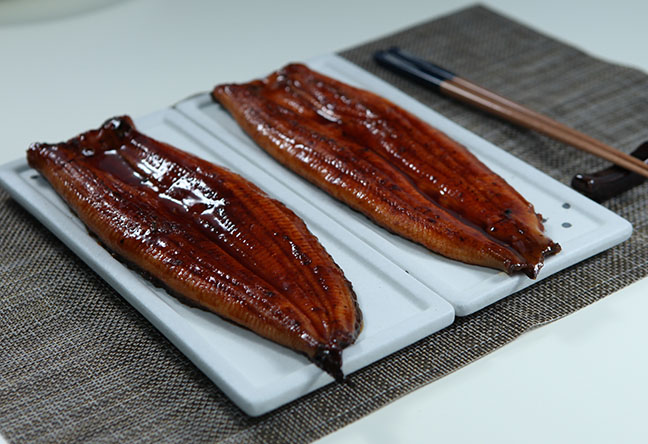
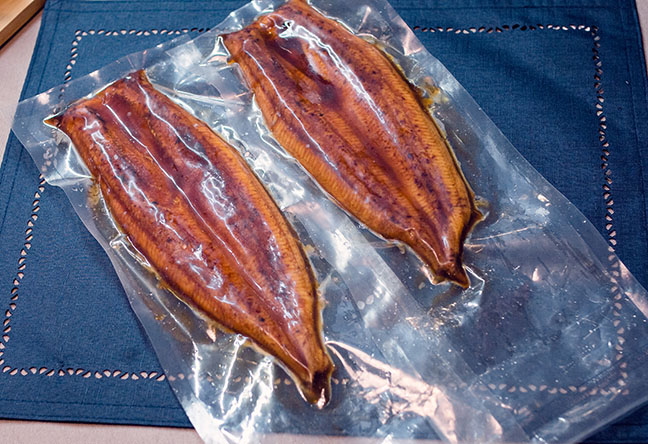
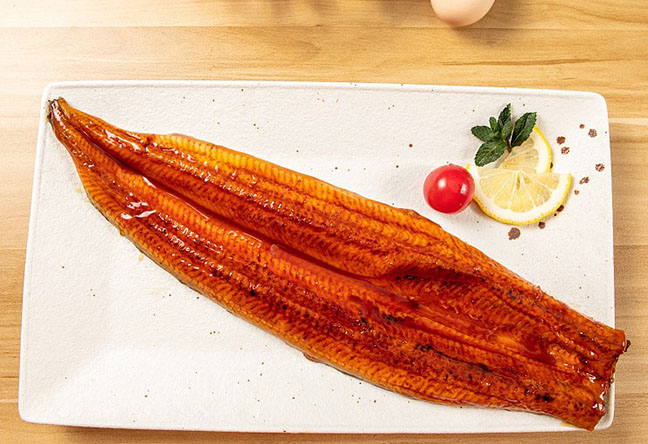
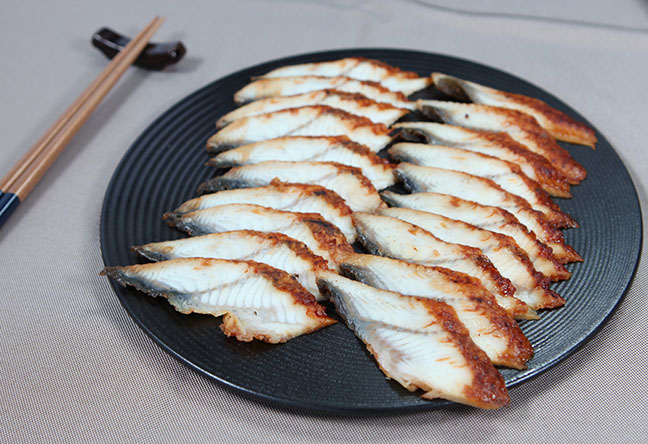
It also works well as a menu add-on alongside frozen eel products. For example, a restaurant may serve a small bowl of soup with [unagi kabayaki](https://www.chinaeels.com/unagi-kabayaki/Unagi-Kabayaki.html), steamed rice, and pickles. The pairing gives diners two distinct textures from the same seafood category: tender glazed eel and soft, savory liver.
Eel liver products can vary significantly between suppliers, so a professional inquiry should be precise. Ask whether the product is:
Discuss packaging size early in the process. A busy restaurant may prefer **500-gram or 1-kilogram bags**, while a distributor may request larger cartons for repacking. With block-frozen products, ask how much thawing is required before portions can be separated.
Before committing to a full container or regular purchase, request product photos, a specification sheet, packing details, and a sample. Eel liver is a specialized item, and the right pack format can be just as important as flavor and appearance.
Freshly processed frozen liver should have a natural reddish-brown to dark burgundy color, depending on the species and handling method. Slight variation between pieces is normal. Avoid lots with widespread gray discoloration, severe drying, or large areas of freezer burn.
Color alone is not proof of quality. A dark piece may still be acceptable, while an attractive-looking piece may have been poorly stored. Buyers should inspect the overall lot rather than relying only on a carefully selected sample photograph.
After controlled thawing, the aroma should be clean and marine, with the familiar scent of freshwater eel. Strong sourness, ammonia, rancid oil, or a lingering muddy odor may indicate handling or storage problems.
Do not judge aroma from a fully frozen block. Instead, thaw a small sample under refrigeration and inspect it afterward. This provides a more reliable assessment than leaving the product at room temperature.
Good-quality liver should remain intact during gentle handling. It will be soft, but it should not immediately break down into paste. Excessive liquid in the package can point to repeated temperature fluctuations, weak freezing performance, or prolonged storage.
Ask suppliers to use a fixed thawing test. For example, thaw a **500-gram sample at 0–4°C for 12–18 hours**, then record drip loss, odor, color, and texture. Results will vary by product format, but a consistent test makes supplier comparisons much fairer.
For importers and distributors, eel liver quality includes documentation as well as physical condition. Request the species, country of origin, production date, lot number, best-before date, storage instructions, net weight, and relevant health or food-safety documents.
Buyers should also confirm that the ingredient statement and packing list match the physical product. Clear lot coding makes complaints, recalls, stock rotation, and warehouse management far easier.
Frozen eel liver should remain at **-18°C or below** during storage and transport unless the supplier specification requires a lower temperature. Temperature stability is critical. Product that warms and refreezes repeatedly may develop more drip loss, a softer texture, and a weaker appearance after thawing.
Keep cartons in a clean freezer with enough room for cold air to circulate. Avoid placing them directly against a warm loading-area wall or beside a door that opens frequently. Use first-in, first-out stock rotation and record lot numbers when cartons enter storage.
Once opened, reseal the inner bag tightly and use the product within the period recommended by the supplier. Do not leave an open bag exposed to dry freezer air, as freezer burn can develop into pale, dry patches on the surface.
For foodservice operations, a practical standard is to maintain the freezer at **-18°C or colder**, check the temperature **at least once per day**, and avoid unnecessary thawing. A data logger is especially useful for import shipments and distribution warehouses.
Transfer only the quantity needed for the next service period to a refrigerator at **0–4°C**. Place the product in a covered tray so liquid cannot drip onto other foods. Depending on portion size, refrigerated thawing may take **8–18 hours**.
Do not thaw eel liver on a kitchen counter. Although it may seem quicker, the surface warms before the center, creating uneven conditions. Microwave thawing is also a poor option because delicate tissue can begin cooking before the product has fully separated.
After thawing, check the smell and texture. Use the product promptly, following local food-safety requirements for holding, cooking, and reuse. Do not refreeze thawed liver unless the supplier specification and local regulations specifically allow it.

Eel liver for restaurants should be chosen around the actual menu, not simply the lowest price per kilogram. A soup-focused restaurant may need small, uniform pieces. An izakaya may prefer larger portions suitable for skewering. A distributor may require bulk frozen product with a longer shelf-life window.
Before service, chefs can rinse the liver gently in cold water to remove loose blood or surface residue. Some kitchens blanch it briefly, then discard the blanching water before adding the liver to dashi. This can produce a cleaner broth, particularly when the soup is lightly seasoned.
For a simple kitchen trial:
Exact cooking time depends on piece size. Overcooking is the most common mistake. Eel liver does not need to simmer for half an hour like a tough cut of meat.
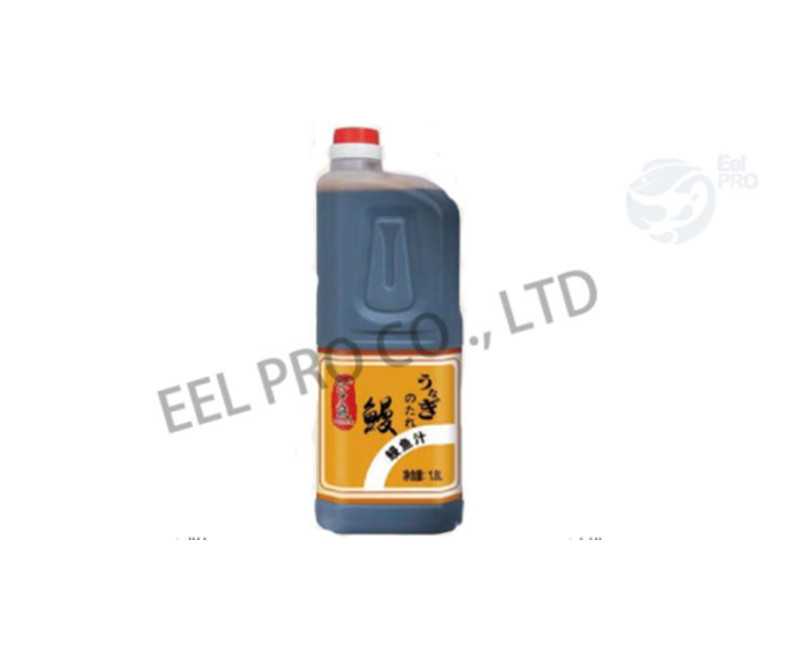
Restaurants already serving kabayaki can also test a paired menu with eel recipes. A light eel-liver broth can accompany eel noodles, rice bowls, or a seasonal set meal. For sauce development, this guide to kabayaki sauce provides useful background on sweetness, salt balance, and glazing.
Cold fact: In traditional Japanese eel meals, liver is not treated as waste. It is valued because even a small amount gives soup a distinct savory character.
Pitfall to avoid: Do not accept the phrase “premium eel liver” without asking what premium means. It may refer to larger pieces, a particular species, cleaner trimming, better packaging, or simply a marketing label. Request measurable details: size range, glazing percentage if applicable, frozen storage temperature, packing format, and sample evaluation results.
Another common mistake is comparing a raw frozen product with a cooked product by price alone. Cooking yield, labor, portion control, and drip loss all affect the true cost per serving. Restaurants should calculate the cost of a finished bowl, not just the carton price.
Eelpro Co., LTD works with overseas seafood buyers seeking dependable frozen seafood, freshwater eels, frozen unagi kabayaki, and eel sauce. Product specifications, packing options, and availability should be confirmed for each market and order plan.
It is mainly used in eel-liver soup, clear dashi-based broths, grilled skewers, izakaya dishes, tasting menus, and specialty bento meals. A typical portion may be **10–20 grams**, though chefs can adjust it according to the recipe. Its soft texture and savory flavor make it a natural companion to grilled eel and rice.
Store it at **-18°C or below** in a clean freezer. Keep the inner packaging sealed, rotate stock by lot, and protect the product from repeated temperature changes. Thaw only the amount needed in a covered container in a refrigerator at **0–4°C**. Do not thaw it on the counter.
Buyers should assess appearance, aroma after refrigerated thawing, texture, drip loss, packaging condition, traceability, and documentation. A good sample should have a natural color, a clean aroma, and tissue that stays intact during gentle handling. Compare suppliers using the same thawing and cooking test rather than relying on photos or price alone.
For the most consistent results, thaw it under refrigeration first. This allows chefs to separate portions, inspect the product, and control cooking time. If a supplier provides a direct-from-frozen cooking method, follow that specification and test it before adding the item to a commercial menu.
Clear dashi, mitsuba, scallion, yuzu, steamed rice, pickles, and unagi kabayaki are natural choices. Keep surrounding flavors clean so the liver is not masked by heavy spice or excessive sweetness. A small bowl can make the ingredient feel distinctive and special.
Eel liver rewards careful handling. The right product should arrive with clear specifications, remain frozen throughout the supply chain, and perform consistently in the chef’s own kitchen. Start with a sample, run a controlled thawing and cooking test, then discuss pack size and delivery requirements with your supplier.
For related products, explore Eelpro Co., LTD’s eel sauce and unagi kabayaki selections. If you are developing a new menu or importing specialty seafood, contact Eelpro to discuss product specifications and sourcing options. If you have a favorite way to serve eel liver, share it with other chefs and seafood buyers in the comments.


 WhatsApp
 sales@chinaeels.com
 +8619937922411