




Eel Omega-3 Fatty Acids: Nutritional Benefits of Unagi
Eel delivers a concentrated source of omega-3 fatty acids that rivals many popular fish. A single 100-gram serving of unagi provides roughly 1,200 to 1,500 milligrams of combined EPA and DHA, the two long-chain omega-3s most strongly associated with cardiovascular and cognitive health. For people who enjoy Japanese cuisine or are looking to add variety to their seafood rotation, understanding the omega-3 profile of eel is worth the attention.

Omega-3 Content in Eel: The Numbers
Freshwater eel (Anguilla japonica) contains approximately 1.3 grams of total omega-3 fatty acids per 100 grams of raw flesh. Of this, EPA (eicosapentaenoic acid) accounts for roughly 500-600 milligrams and DHA (docosahexaenoic acid) contributes about 600-700 milligrams. These values place unagi kabayaki in a comparable range to salmon and mackerel — two fish widely recognized as omega-3 powerhouses.
What makes eel omega 3 particularly notable is the fat-to-protein ratio. Unagi contains about 15-20 grams of fat per 100 grams, which is higher than most white fish but lower than very fatty fish like farmed Atlantic salmon. The fat in eel is predominantly unsaturated, with a favorable ratio of omega-3 to omega-6 fatty acids. This balance matters because excessive omega-6 intake relative to omega-3 can promote inflammation, while a balanced ratio supports anti-inflammatory pathways.
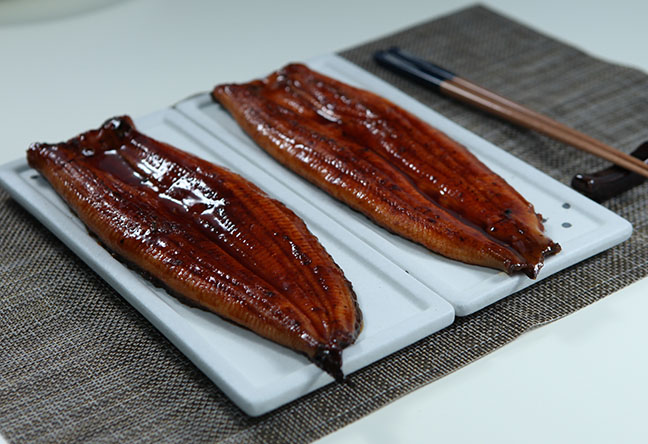
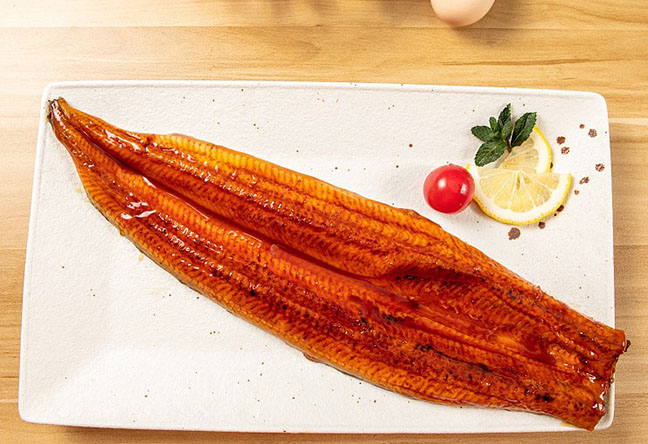
The preparation method affects omega-3 retention. Grilling and broiling preserve most of the EPA and DHA content, while deep-frying can degrade some of these heat-sensitive fatty acids. Since kabayaki-style preparation involves grilling rather than frying, it is one of the better ways to preserve the omega-3 benefits of eel.
Health Benefits of Eel Omega-3s
Heart and Circulation
EPA and DHA from seafood are linked to lower triglyceride levels, reduced blood pressure, and decreased risk of arrhythmia. The American Heart Association recommends eating fatty fish at least twice per week for these cardiovascular benefits. A serving of eel easily meets this recommendation, providing a meaningful dose of marine omega-3s in a single meal.
Brain and Cognitive Function
DHA is a structural component of brain cell membranes and retinal tissue. Adequate DHA intake supports memory, learning, and mood regulation. While oily fish like sardines and herring are often cited as brain foods, eel deserves a place in that category as well. The DHA in eel omega 3 is present in its natural phospholipid form, which some research suggests may be more bioavailable than the triglyceride form found in fish oil supplements.
Anti-Inflammatory Effects
Chronic low-grade inflammation underlies many modern health conditions, from metabolic syndrome to autoimmune disorders. The omega-3 fatty acids in eel help modulate the body's inflammatory response by competing with pro-inflammatory omega-6-derived compounds. Regular consumption of omega-3-rich seafood like unagi can contribute to a more balanced inflammatory profile over time.
Eel Protein and Other Nutrients
Beyond omega-3s, eel is a complete protein source delivering about 18-20 grams of protein per 100-gram serving. It is rich in vitamin A — a single serving provides well over 100% of the daily recommended intake — along with vitamin B12, vitamin D, and vitamin E. The mineral profile includes phosphorus, potassium, and selenium. This dense nutritional package is one reason eel has been valued in East Asian food traditions for centuries.
The eel sauce used in kabayaki preparation adds calories from sugar and soy sauce but does not significantly alter the omega-3 content of the fish itself. If you are tracking your omega-3 intake specifically, focus on the eel portion rather than the accompaniments.
How Much Eel Should You Eat?
Most health organizations recommend 250-500 milligrams of combined EPA and DHA per day for general health. A single 100-gram serving of unagi provides roughly 1,200-1,500 milligrams, so eating eel once or twice a week easily meets — and safely exceeds — the baseline recommendation. There is no established upper limit for seafood omega-3 intake from whole foods, though individuals taking blood-thinning medication should consult their doctor about any significant dietary changes involving omega-3s.
One practical consideration: eel is a rich food. Its high fat content means a portion of 100-150 grams is satisfying and calorie-dense (about 250-350 calories). This works well as a main dish in a balanced meal alongside steamed rice and vegetables. The glycemic impact is also worth noting — when served as unadon (eel over rice), the combination of protein, fat, and carbohydrates produces a slower, more sustained energy release compared to a plain rice meal. For people managing blood sugar, the mixed macronutrient profile of an eel rice bowl is more favorable than the individual components might suggest.
Eel vs. Other Omega-3 Sources
Compared to common omega-3 sources, eel holds its ground well. Farmed Atlantic salmon delivers about 2,200 milligrams of omega-3s per 100 grams, which is higher than eel. However, eel provides a comparable amount to wild sockeye salmon (about 1,200 milligrams) and exceeds most white fish like cod and tilapia by a wide margin. Sardines deliver about 1,500 to 2,000 milligrams per 100 grams, putting them slightly ahead of eel, though the two have different flavor profiles and culinary applications. For home cooks looking to diversify their omega-3 sources beyond salmon and tuna, eel is a practical and flavorful option.
Japanese eel has a long history in East Asian dietary traditions, valued not only for flavor but for its perceived health-supporting properties. Modern nutritional analysis confirms what traditional knowledge suggested: freshwater eel is a nutrient-dense food that fits well in a health-conscious diet. The eel cuisine found in Japanese restaurants around the world — from unadon to unaju — offers a way to enjoy these nutritional benefits in prepared dishes that are accessible even to those unfamiliar with cooking eel at home.
For more ideas on incorporating eel into your diet, browse our eel recipes collection. Understanding the kabayaki sauce that accompanies grilled eel can also help you make informed choices about the full nutritional picture of your meal.
Eel omega 3 is a legitimate nutritional asset, and the rich, satisfying texture of unagi makes it an enjoyable way to meet your weekly fatty fish intake goals without relying on supplements or repetitive meal choices.




 WhatsApp
 sales@chinaeels.com
 +8619937922411