


Frozen Unagi Wholesale: A Buyer's Guide for Restaurants and Distributors
Sourcing frozen unagi wholesale requires more than comparing price lists. Restaurants, distributors, and food service operators need to evaluate product quality, packaging formats, supplier reliability, and import logistics before placing an order. Japanese eel — specifically the Anguilla japonica species — remains the benchmark for quality in commercial eel cuisine, though freshwater eel from other regions also has a place in the supply chain. This guide covers the practical factors that determine whether a wholesale unagi purchase will work for your business.

Understanding Frozen Unagi Quality Grades
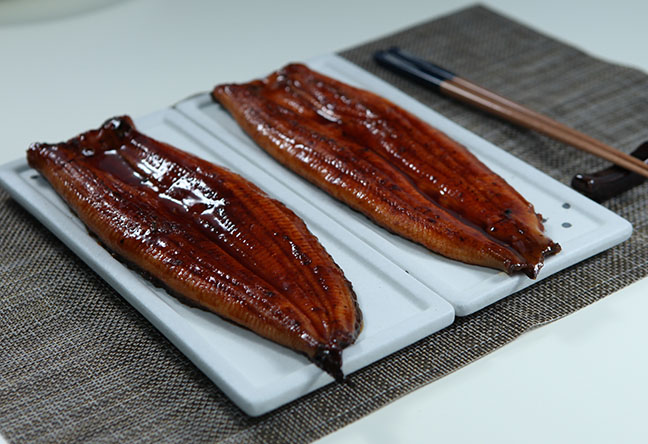
Frozen unagi kabayaki is typically categorized by size, species, and sauce coverage. Japanese market standards use a sizing system based on fillets per kilogram: 30P means roughly 30 fillets per kilogram, 40P means 40 fillets per kilogram, and so on. Smaller numbers indicate larger individual fillets. For restaurant use, 30P to 50P is common, balancing portion size with cost per serving.
Species matters for quality and regulatory compliance. Japanese unagi (Anguilla japonica) commands the highest price and is preferred for its fat content and texture. European eel (Anguilla anguilla) and American eel (Anguilla rostrata) are more affordable alternatives. Some suppliers offer biwa masu (a freshwater trout prepared kabayaki-style) as a lower-cost substitute, but it should be clearly labeled — it is not true unagi.
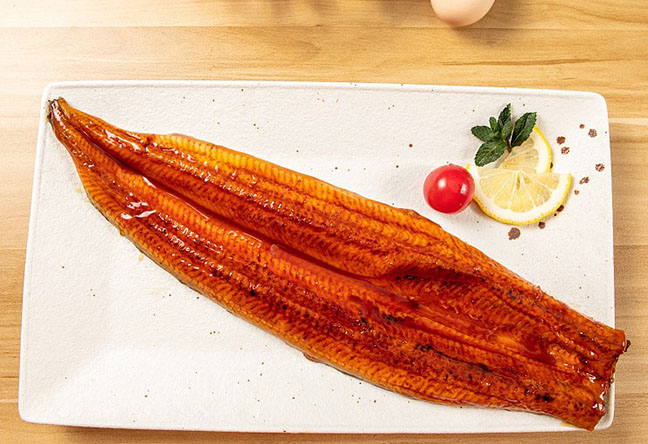
Sauce coverage is another quality indicator. Premium fillets have an even, glossy coating of tare that caramelizes well upon reheating. Budget-grade products may have thinner or uneven sauce application. When placing a bulk order, request samples from multiple suppliers to compare these quality factors side by side before committing to a full container.
Packaging and Shelf Life for Wholesale Orders
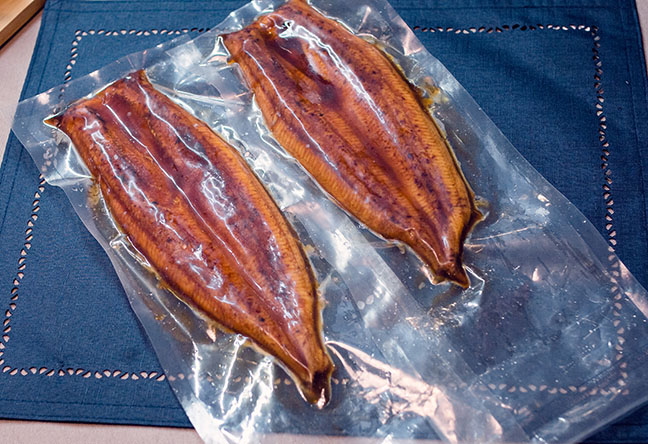
Frozen unagi wholesale orders typically come in one of two packaging formats. Individual vacuum-sealed fillets are the standard for restaurant kitchens — each fillet is portioned, sauced, and sealed, allowing cooks to thaw only what they need per service. Bulk packs of 10 or 20 fillets in a single bag are more cost-effective for high-volume operations like catering and central kitchens, though they require careful handling to avoid freezer burn once opened.
Standard shelf life for frozen unagi is 12 to 18 months from the production date when stored at a consistent -18°C (0°F). Verify the production date and batch number on every shipment. A reputable supplier provides clear labeling with species, net weight, country of origin, and lot traceability information.
Evaluating Wholesale Suppliers
When sourcing frozen unagi wholesale, consider the supplier's certifications and export history. Look for HACCP certification, which indicates a systematic approach to food safety. For suppliers exporting to the United States, FDA registration and prior notice compliance are required. EU-bound shipments need EU-approved establishment numbers and catch certificates for certain eel species.
Ask potential suppliers these questions before committing to an order:
- What species of eel do you supply, and where is it farmed?
- Can you provide a certificate of analysis for the most recent production batch?
- What is your minimum order quantity (MOQ) and lead time?
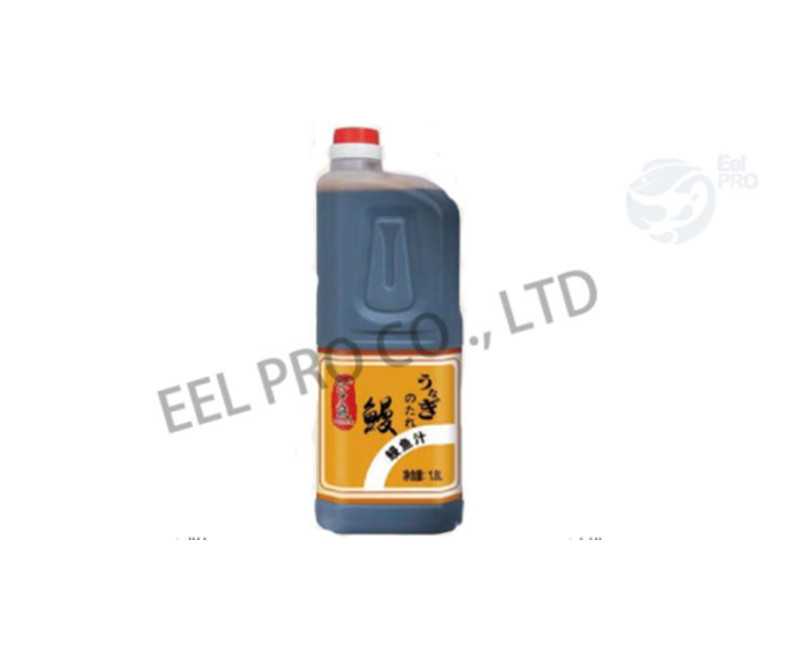
- Do you offer private labeling or custom eel sauce formulations?
- What cold chain logistics partners do you use for international shipping?
Import and Logistics Considerations
Importing frozen unagi involves cold chain logistics, customs documentation, and species-specific regulations. International shipments of frozen seafood typically travel by sea in reefer containers, with transit times of 20 to 40 days depending on origin and destination ports. Air freight is faster but significantly more expensive and is usually reserved for sample orders or urgent restocking.
Eel species listed under CITES (the Convention on International Trade in Endangered Species) require additional export and import permits. European eel (Anguilla anguilla) has been under CITES Appendix II since 2009, meaning international trade requires permits confirming the shipment does not harm wild populations. Japanese unagi is not CITES-listed, which simplifies import procedures for most commercial orders.
Customs duties on frozen prepared eel vary by country. In the United States, the harmonized tariff schedule code for prepared eel is typically 1604.17, with duty rates depending on trade agreements and country of origin. Work with a licensed customs broker who has experience handling frozen seafood imports to avoid clearance delays.
Cost Factors and Pricing
Wholesale pricing for frozen unagi depends on fillet size, species, sauce quality, and order volume. As of 2025, premium Japanese unagi kabayaki typically ranges from USD 18 to 30 per kilogram FOB (Free on Board), while American eel products may be 15 to 25 percent less. Prices fluctuate with eel glass eel recruitment — the annual catch of juvenile eels that determines farm stocking levels for the year. Buyers who monitor these supply cycles and build long-term supplier relationships tend to secure more stable pricing than those who shop spot markets for each individual order.
Factor in these additional costs when budgeting a wholesale unagi purchase:
- Ocean freight or air freight charges
- Customs duties and brokerage fees
- Cold storage and local distribution
- Quality inspection and lab testing (if required)
Menu Applications for Wholesale Unagi
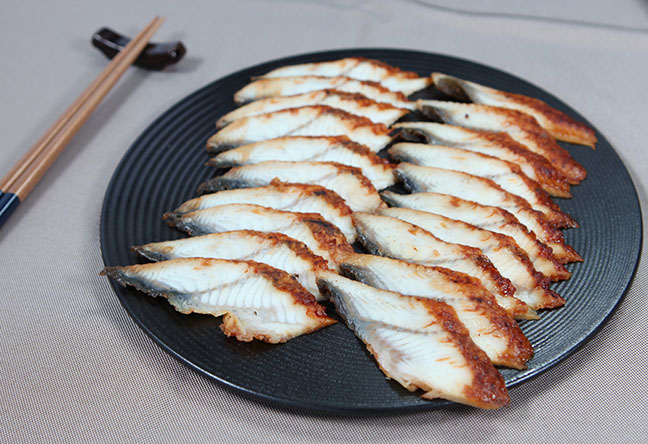
Understanding how your kitchen will use the product helps you choose the right specifications. The quality and consistency of frozen unagi have a direct impact on your eel cuisine offerings. Japanese restaurants typically use whole fillets for unadon (eel rice bowls) and unaju (eel in lacquered boxes). Sushi bars cut fillets into strips for nigiri and maki rolls. Non-Japanese kitchens are increasingly incorporating unagi into fusion dishes — eel tacos, unagi pizza, and eel avocado toast have all appeared on contemporary menus.
For menu development inspiration, browse eel recipes suited to commercial kitchens. The versatility of kabayaki sauce also extends beyond traditional Japanese presentations, working well as a glaze for grilled meats, roasted vegetables, and rice bowls.
Buying frozen unagi wholesale is a decision that affects your menu quality, food cost, and supply chain reliability. Taking time to evaluate suppliers and understand product specifications pays off in consistent quality and smoother operations. Building a direct relationship with a seafood exporter also opens the door to volume discounts, custom sauce formulations, and priority allocation during periods of high market demand — advantages that indirect purchasing through distributors rarely provides.

 WhatsApp
 sales@chinaeels.com
 +8619937922411