




Eel for Athletes: Protein, Recovery, and Nutritional Benefits of Unagi
Eel belongs on the radar of athletes looking for nutrient-dense protein sources. A 100-gram serving of grilled unagi delivers roughly 18 to 20 grams of complete protein, a substantial dose of omega-3 fatty acids, and a vitamin and mineral profile that supports muscle function, recovery, and energy metabolism. For runners, lifters, swimmers, and anyone with high physical demands, eel offers more than just a tasty break from chicken and rice.

Protein Quality in Unagi
The protein in eel is complete, meaning it contains all nine essential amino acids in proportions the body can use efficiently. Leucine — the branched-chain amino acid most directly responsible for triggering muscle protein synthesis — is present at roughly 1.5 grams per 100 grams of eel. While this is lower than the leucine content in chicken breast or whey protein, it is comparable to other fatty fish and contributes meaningfully to daily intake when eel is part of a varied diet.
The digestibility of eel protein is another advantage. Cooked fish protein generally has a protein digestibility-corrected amino acid score (PDCAAS) close to 1.0, the maximum value, indicating high bioavailability. Athletes who struggle to digest large quantities of red meat or dairy may find unagi kabayaki easier on the stomach, especially as a post-training meal.
Omega-3s and Exercise Recovery
The omega-3 fatty acids in eel — primarily EPA and DHA — play a role in managing exercise-induced inflammation. Intense training creates micro-damage in muscle tissue, and the body's inflammatory response is part of the repair-and-adapt cycle. Omega-3s help modulate this response without blunting the adaptive signals that drive performance gains.
Some research suggests that omega-3 intake can reduce delayed-onset muscle soreness (DOMS) and support joint health in athletes engaged in high-impact sports. A 100-gram serving of unagi provides about 1,200 to 1,500 milligrams of combined EPA and DHA, which covers several days' worth of the general population recommendation and contributes to the higher intake levels that active individuals may benefit from. In practical terms, eating unagi twice per week supplies roughly the same omega-3 load that many athletes get from daily fish oil supplementation, but in whole-food form with co-factors like selenium and vitamin D that supplements often lack.
Japanese eel has been recognized in Japanese sports nutrition circles for decades. Sumo wrestlers consume unagi during summer training camps specifically for its calorie density and nutrient profile. While few athletes train like sumo wrestlers, the principle holds: freshwater eel provides a combination of easily digested protein, anti-inflammatory fats, and micronutrients that make sense for recovery meals during periods of heavy training. Eel cuisine traditions across East Asia reflect this practical understanding of the fish as a stamina food.
Micronutrients That Support Athletic Performance
Eel is remarkably rich in vitamin A — a single serving can provide more than 100 percent of the daily recommended intake. While vitamin A is more often discussed in the context of vision and immune function, it also supports bone health and cellular communication, both relevant to athletes under training stress.
Vitamin B12 in eel supports red blood cell formation and neurological function. Adequate B12 status is necessary for oxygen delivery to working muscles, and deficiency can present as fatigue and reduced exercise capacity. Eel also contains vitamin D, which contributes to calcium absorption and muscle function, and selenium, an antioxidant mineral that helps protect cells from oxidative stress generated during exercise.
How to Add Eel to an Athlete's Diet
Post-Workout Meal Timing
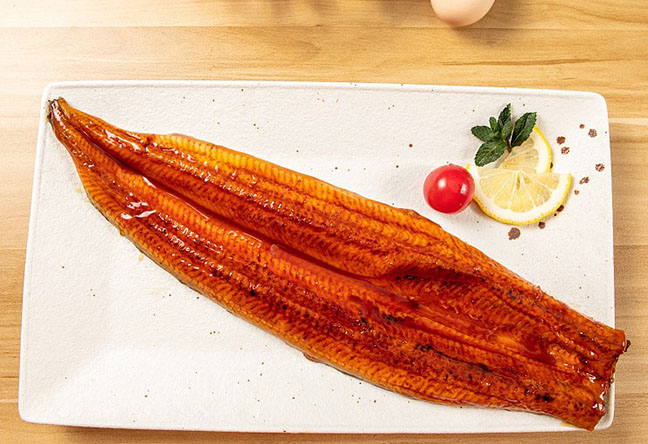
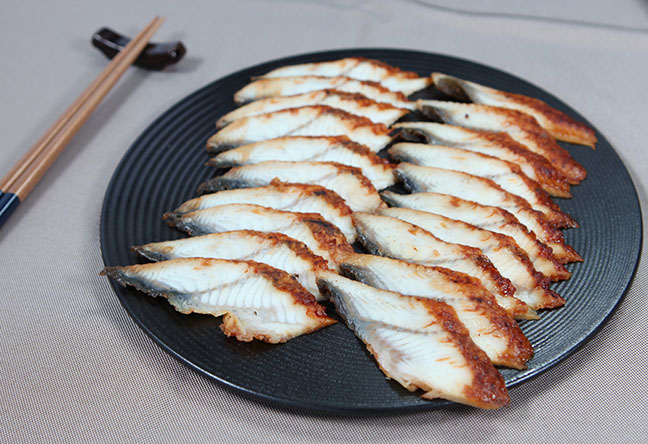
A post-training meal of unagi over rice delivers protein for muscle repair, carbohydrates for glycogen replenishment, and omega-3s for inflammation modulation — all in a single dish. The fat content of eel slows gastric emptying slightly, which can be beneficial for sustained amino acid delivery over several hours after eating. Pair the eel and rice with steamed vegetables for additional fiber and micronutrients.
Meal Prep for the Week
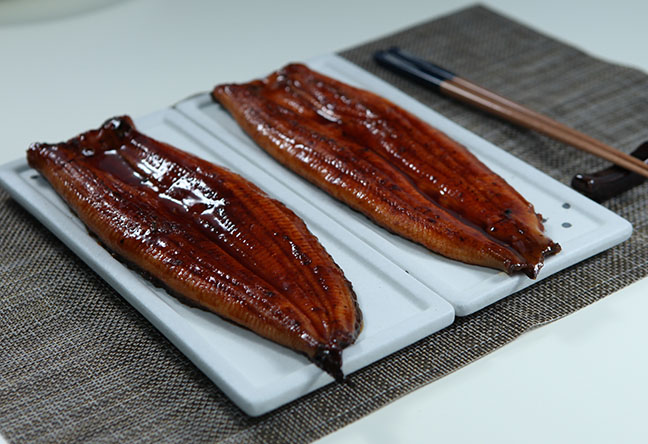
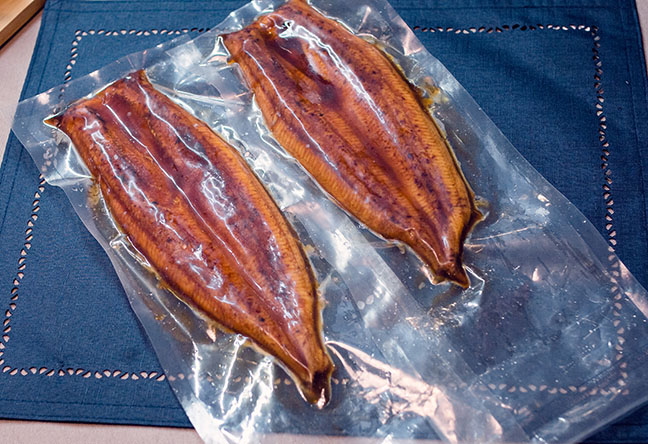
Frozen unagi fillets are convenient for meal prep. Thaw a few fillets at the start of the week, cook them all at once, and portion into containers with rice and vegetables. The pre-cooked nature of frozen kabayaki eel means meal prep takes about 15 minutes of active preparation for several days of lunches or post-workout dinners.
Pre-Competition Considerations
The relatively high fat content of eel means it is better suited to meals eaten several hours before competition rather than immediately before. For pre-race or pre-game meals, athletes who tolerate fatty fish well can include a moderate portion of unagi 3 to 4 hours before activity. Those with sensitive stomachs may prefer to save eel for post-competition recovery meals instead.
Unagi vs. Common Athlete Protein Sources
Compared to a standard 100-gram serving of grilled chicken breast (31 grams protein, 3.6 grams fat), unagi has less protein but a more diverse micronutrient profile and the added benefit of omega-3s. Compared to canned tuna (25 grams protein, 0.8 grams fat), eel offers more calories and fat — which can be an advantage for athletes in weight-gain phases or endurance sports with high caloric demands.
For athletes eating the same protein sources repeatedly, adding eel recipes to the rotation helps prevent palate fatigue and broadens the nutrient base. The eel sauce on kabayaki adds sugar-derived carbohydrates, but the amount on a single fillet is modest — roughly 5 to 10 grams of added sugar — and fits into most athletic nutrition plans without concern.
Beyond the raw nutritional numbers, there is a practical convenience factor. Frozen unagi fillets store for months, thaw quickly, and cook in under five minutes. For athletes juggling training, work, and meal prep, a protein source that requires almost no preparation time has real value. Grilled unagi over rice with a side of steamed greens is a complete recovery meal that takes less than 10 minutes from freezer to plate.
Eel is not a magic food, and it should not replace staple protein sources like poultry, eggs, and dairy. But as a weekly addition to an athlete's diet, it brings a combination of complete protein, omega-3s, and micronutrients that is hard to match with a single ingredient.




 WhatsApp
 sales@chinaeels.com
 +8619937922411