





Learning how to choose fresh eel comes down to four practical checks: the eyes, skin sheen, flesh firmness, and smell. Whether you are shopping at a fish market, Japanese grocer, or wholesale seafood supplier, these details can help you assess freshness before you buy.
Freshwater eel, known as unagi in Japanese cuisine, appears in dishes such as unagi don, unajū, sushi, rice bowls, and noodle soup. Its rich, oily texture makes freshness especially important. Poor-quality eel may look dull, feel soft, or develop an unpleasant odor that becomes more noticeable during cooking.
This eel selection guide covers what to inspect, which questions to ask a supplier, and when frozen eel may be a practical option for restaurants and distributors.
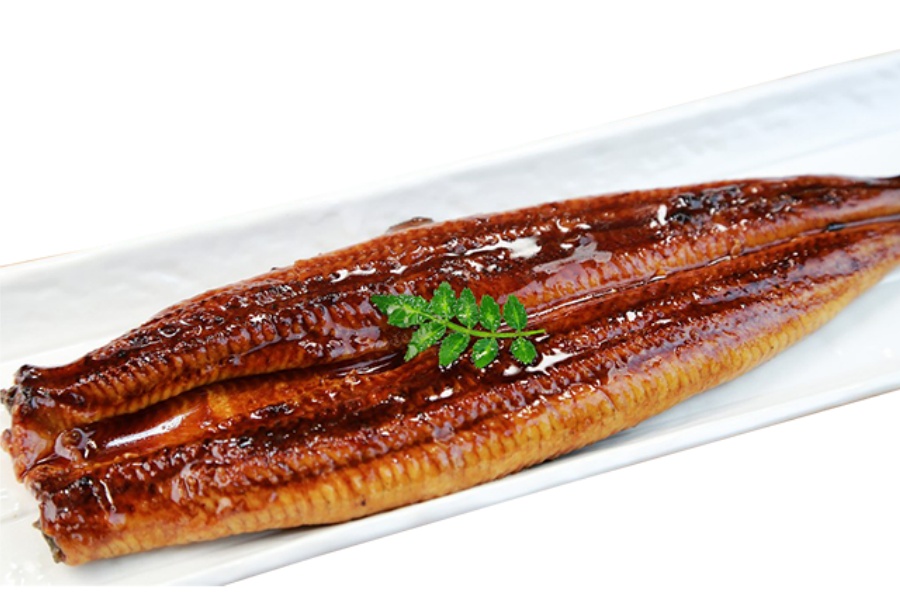
Before inspecting an eel, confirm whether it is live, whole and chilled, filleted, or already cooked. Each product form has its own quality indicators.
Species and origin can also affect size, flavor, and price. Japanese eel is commonly identified as Anguilla japonica, while other markets may offer European eel or American eel. Ask the supplier about the species, production area, processing date, and storage details. Clear, specific answers usually indicate organized product handling.
The eyes are one of the fastest freshness indicators when buying whole eel. They should appear clear, bright, and slightly full, not cloudy, sunken, or covered with a thick film.
Clear eyes often suggest that the eel was handled recently and stored under suitable conditions. They should not appear dry or heavily discolored. A little natural moisture around the eye is normal, particularly on chilled fish.
Cloudy eyes do not automatically mean the eel is unsafe. Still, they may point to age or poor storage when combined with dull skin, soft flesh, or a sour smell. Assess the entire fish rather than relying on one sign alone.
For fillets, the eye test is not possible. Instead, focus more closely on flesh firmness, color, surface moisture, and odor.
Fresh unagi typically has smooth, moist skin with a natural sheen. Depending on the species and condition of the fish, the surface may be dark gray, olive, brown, or nearly black. Color by itself is not a reliable measure of quality.
Look along the body without pressing too hard. The skin should appear clean and hydrated. Watch for:
A light natural slime layer can be normal on freshwater eel. The concern is an excessive coating accompanied by a sharp, sour, or ammonia-like smell. When choosing eel at a market, ask the seller to show both sides of the fish. It is much easier to judge a clean, evenly displayed eel than one buried under ice or wrapping.
Firm flesh is one of the most useful quality signs when selecting whole eel or fresh fillets. If the seller allows handling, use a gloved finger to press gently on the thickest part of the fish. The flesh should feel resilient and spring back toward its original shape.
Fresh eel should not feel mushy, watery, or sticky beneath the skin. A deep dent that remains after light pressure may mean the fish has been stored too long or exposed to temperature changes. Fillets should hold their shape and have a moist surface, not sit in a large pool of liquid.
There is a difference between natural softness and spoilage. Eel has a relatively high oil content, so its flesh may feel softer than lean white fish. It should still have structure. If the flesh separates easily, looks pulpy, or leaves a thick residue on a glove, choose another item.
A fresh fillet should have a clean, even appearance. Slight variation near the skin or belly is normal. Avoid fillets with widespread gray-brown discoloration, dry edges, or darkened patches that appear older than the rest of the cut.
Restaurants should also consider fillet thickness and trim. Uniform portions cook more evenly and make food-cost planning easier. Ask whether the eel has been deboned and whether the stated weight is measured before or after trimming.
Fresh eel should have a mild, clean aquatic smell. Depending on the product and handling method, it may have a light freshwater or sea-like scent. It should never smell strongly sour, rotten, chemical-like, or ammonia-like.
Smell the product once the package is opened, but do not put your nose directly against the fish. A sealed package can hold a temporary odor from its packing environment. Let the product sit briefly in clean air, then check again.
If the smell remains unpleasant, do not try to hide it with sauce, spices, or strong cooking methods. Kabayaki sauce adds sweetness and salt, but it cannot improve spoiled seafood. When buying eel from a wholesale supplier, ask how the fish was transported and whether the cold chain was maintained from processing through delivery.
Home cooks can assess a single fish at the market. Foodservice buyers need a broader checklist. A restaurant may receive several cartons at once, so product consistency matters just as much as the appearance of one piece.
Freshness is not the only factor to consider. Review portion size, bone removal, yield, fat level, cooking method, and price per usable kilogram. Smaller eel may suit sushi portions, while larger, thicker fillets can work well for rice bowls and restaurant mains.
Ask for a product specification sheet. It should list the product form, net weight, packing method, storage requirements, shelf life, origin, and relevant food-safety information. Importers should also confirm which documents are required for their destination market.
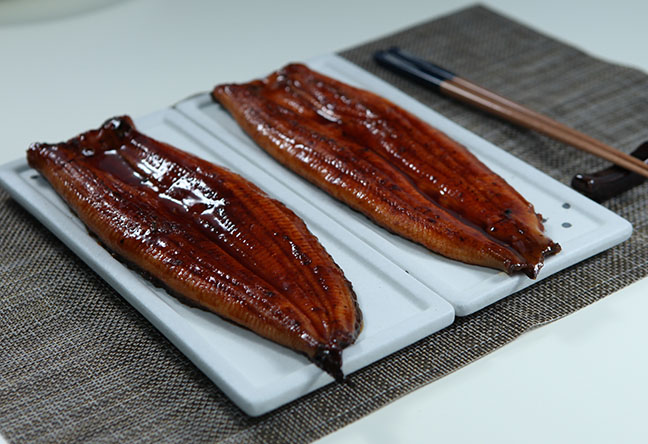
At Eelpro Co., LTD, we supply freshwater eels and prepared seafood products for overseas restaurants, distributors, and importers. If your operation needs stable portions and simpler preparation, review our frozen unagi kabayaki product range.
Fresh eel can be a good choice when you have a trusted local supplier, quick turnover, and suitable storage. It also gives chefs more control over trimming and preparation. The trade-off is a shorter usable period and more variation between deliveries.
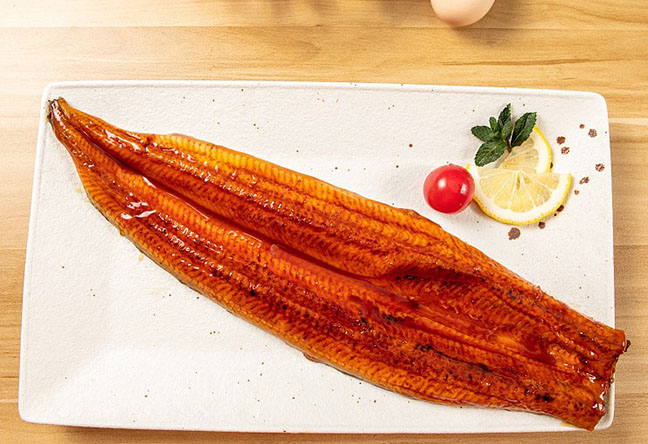
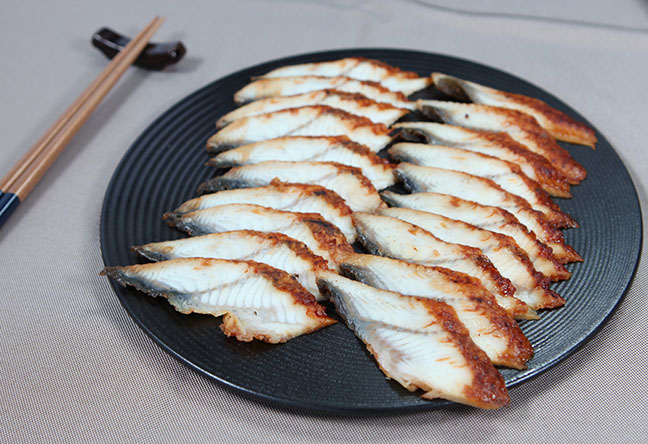
Frozen unagi can help restaurants manage inventory and portion control. When processed and stored correctly, properly frozen eel retains useful quality. It is often supplied as cleaned fillets or cooked kabayaki, reducing preparation time and kitchen labor.
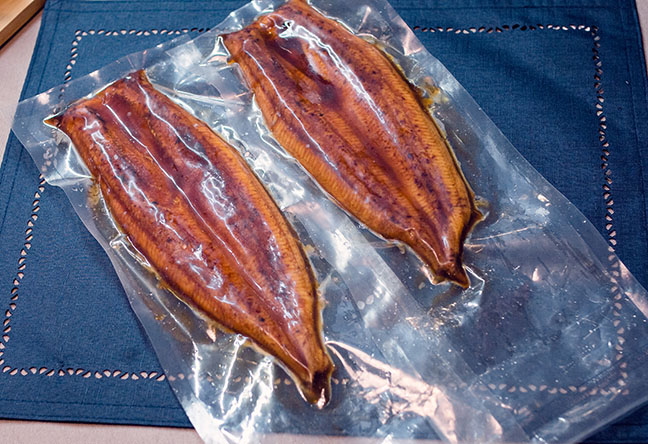
When comparing frozen products, check for intact packaging and limited ice crystals. Heavy frost inside a package may indicate long storage or temperature fluctuations. Avoid packs with torn seals, visible freezer burn, or unclear labeling. The fillet should be protected from direct exposure to dry freezer air.
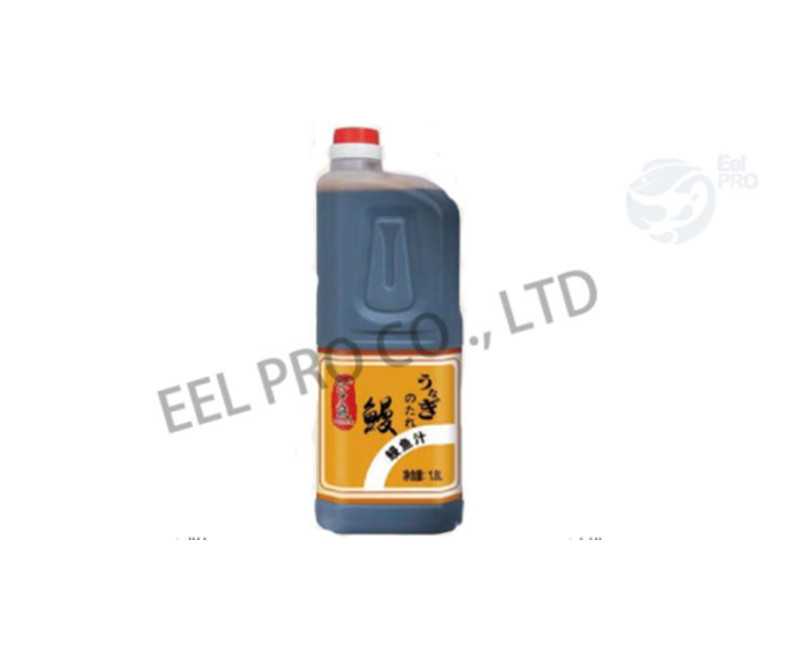
For a ready-to-serve menu, pair the eel with a suitable sauce. You can review our eel sauce product for unagi tare used with rice bowls, grilled eel, and other Japanese-style dishes. We also explain how sauce affects flavor and finish in this article about kabayaki sauce.
Fresh eel should stay cold from the market to your kitchen. Place it in a sealed container over ice or in the coldest suitable section of the refrigerator. Keep raw eel separate from cooked foods, vegetables, and ready-to-eat ingredients.
Use clean utensils and wash your hands after handling raw seafood. If the fish develops a strong odor when removed from storage, inspect it again before cooking. Do not leave raw eel at room temperature while preparing other ingredients.
For frozen products, keep the product frozen until preparation unless the package instructions state otherwise. Thaw it in a refrigerator rather than on the kitchen counter. Once thawed, follow the supplier’s storage and cooking guidance.
Unagi pairs well with steamed rice, pickled vegetables, miso soup, and soba. For another menu idea, see our eel recipes for a noodle soup application.
Dark skin does not automatically mean higher quality, and pale skin does not always indicate poor quality. Species, diet, size, and processing can all affect appearance. Combine color with checks of the eyes, flesh, and smell.
A good-looking fillet can still be a poor purchase if the package is damaged or storage information is missing. Check the seal, label, net weight, date information, and frozen condition.
Large fish may provide thick portions, but size should fit your menu. A buyer serving small don portions may prefer consistent medium-sized cuts. Ask about usable yield after trimming and deboning.
Sweet sauce changes the flavor profile, not the freshness of the fish. Start with a sound product, then choose a sauce level that suits your recipe and customers.
Check that whole eel has clear eyes, smooth skin with a natural sheen, firm flesh, and a mild aquatic smell. Avoid fish with sunken eyes, dry skin, soft flesh, or sour and ammonia-like odors. Ask when it arrived and how it was stored.
The main signs of fresh unagi are clear eyes, clean and moist skin, resilient flesh, and a mild smell. For fillets, look for even flesh color, intact edges, limited liquid in the package, and a firm texture. No single sign should be judged on its own.
Check the species, origin, portion size, deboning, net weight, storage conditions, packaging, and delivery temperature. Ask for a product specification sheet and confirm whether the product is fresh, previously frozen, or fully cooked. Consistent sizing can simplify kitchen preparation and cost control.
Yes. Frozen eel can be practical for restaurants that need predictable portions, longer inventory planning, and faster preparation. Choose products with clear labeling, intact packaging, suitable storage conditions, and consistent cooking performance. Follow the supplier’s thawing and heating instructions.
Good buying eel decisions come from combining several simple observations. Start with the eyes, skin, flesh, and smell. Then confirm the origin, handling, size, and storage information with the seller. For restaurants and importers, a reliable product specification is just as important as the appearance of a single fish.
Eelpro Co., LTD supplies frozen unagi kabayaki, eel sauce, frozen seafood, and freshwater eels for international buyers. Contact us to discuss product formats, packing requirements, and supply options for your market.



 WhatsApp
 sales@chinaeels.com
 +8619937922411