




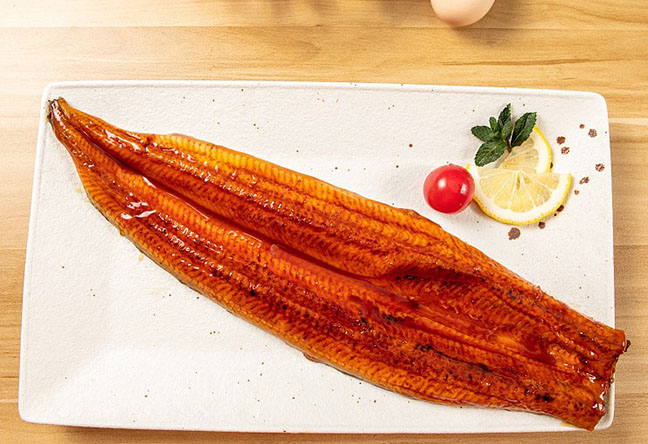
Eel pregnancy safety depends on the species, portion size, preparation method, and your overall diet. Eel, often sold as unagi, provides protein and omega-3 fats, but it also contains mercury and preformed vitamin A. Pregnant women do not necessarily need to avoid cooked eel altogether. The key is to choose it carefully, cook it thoroughly, and count it toward the seafood intake recommended by health authorities.
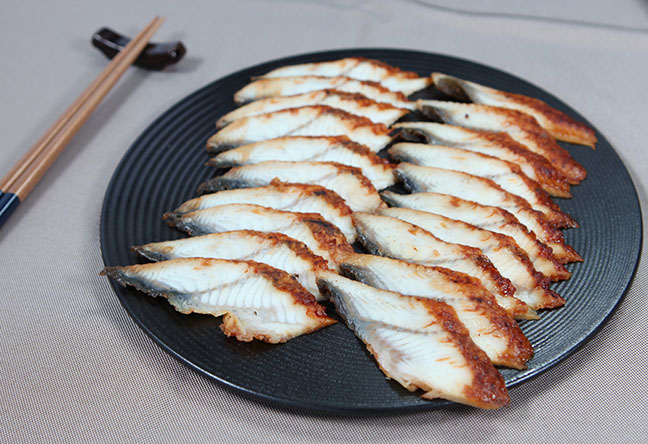
This article covers the nutritional benefits and possible concerns of eating eel during pregnancy. It provides general information rather than personal medical advice. If you have a high-risk pregnancy, a seafood allergy, a liver condition, or questions about a local fish advisory, speak with your obstetrician or a registered dietitian.
Yes, in most cases, pregnant women can eat fully cooked eel as part of a balanced diet. The U.S. Food and Drug Administration (FDA) lists eel among its lower-mercury “Best Choices” seafood. The FDA and U.S. Environmental Protection Agency recommend that pregnant and breastfeeding women eat 8 to 12 ounces, or two to three servings, of fish from lower-mercury choices each week.
That guidance applies to your total weekly fish intake, not eel alone. If you eat one serving of unagi, choose other low-mercury seafood for the rest of the week as well. A typical serving is about 4 ounces, or roughly 113 grams, of cooked fish. Restaurant portions vary, so check the serving size when possible.
Local fishing advisories are important, too. Fish caught in a particular river, lake, or coastal area may carry different contamination risks. Commercial frozen eel from a regulated supplier is not the same as self-caught eel with no testing information. For locally caught fish, check the advisory for the water where it was caught and follow any pregnancy-specific limits.
Eel is a nutrient-dense fish. Exact values vary by species, farming conditions, cooking method, and serving size, but a cooked portion can supply several nutrients that support a healthy pregnancy diet.
Protein helps maintain maternal tissue and supports the growth of the placenta and baby. Eel can be a useful alternative to poultry, eggs, tofu, or other fish. It also fits easily into practical meals, including unagi rice bowls, sushi-style cooked eel rolls, and eel noodle soup.
For a simple meal at home, pair a moderate portion of cooked eel with rice, steamed vegetables, and fruit. This creates a more balanced plate than a large serving of eel with only white rice and sweet sauce.
Fish provides omega-3 fatty acids, including DHA, which plays a role in fetal brain and eye development. Eel contains omega-3 fat, although the amount is not the same across all products. Salmon, sardines, trout, and anchovies are also useful lower-mercury choices and may provide more DHA per serving, depending on the species.
Eel contains vitamin A, a nutrient that supports vision, immune function, and normal cell development. During pregnancy, the form of vitamin A matters. Preformed vitamin A, also called retinol, can be harmful in excessive amounts, while beta-carotene from foods such as carrots and sweet potatoes is processed differently by the body.
The vitamin A content of eel varies, and a single meal is not automatically dangerous. Still, avoid combining frequent large eel servings with high-dose vitamin A supplements or liver products unless your healthcare provider recommends them. Check your prenatal vitamin label as well. Many prenatal supplements contain vitamin A from a mix of beta-carotene and preformed vitamin A.
Mercury in eel is one reason portion control matters. Mercury occurs naturally in the environment and can accumulate in fish. High exposure during pregnancy may affect the developing nervous system, so health agencies recommend choosing fish with lower mercury levels and limiting species known to contain more.
According to the FDA’s consumer guidance, eel is a “Best Choice” fish. This category includes fish with lower average mercury concentrations than species such as shark, swordfish, king mackerel, marlin, orange roughy, and bigeye tuna. The FDA advises pregnant women to avoid those higher-mercury species and choose fish from the recommended lower-mercury groups instead.
“Lower mercury” does not mean mercury-free. It means eel generally fits within the FDA’s recommended choices when eaten in appropriate amounts. Mercury levels can still vary by species and source. When available, review supplier details such as species identification, country of origin, and testing documentation before purchasing.
For variety during pregnancy, rotate eel with salmon, shrimp, pollock, catfish, cod, tilapia, and canned light tuna. These are included among the FDA’s lower-mercury choices. Even with lower-mercury fish, it is sensible not to rely on one type every week.
Do not confuse canned light tuna with albacore or white tuna. The FDA gives them different mercury advice. When in doubt, check the FDA’s current fish chart rather than guessing based on a menu description.
Preparation matters just as much as the fish species. Raw or undercooked eel is not suitable during pregnancy because it can carry parasites and harmful bacteria. Freshwater eel is usually cooked before consumption, but every product should still be heated according to food-safety guidance.
Pregnant customers should also take care with refrigerated smoked seafood. Some chilled, ready-to-eat smoked fish products can carry Listeria monocytogenes. Guidance differs by product and country, so ask your healthcare provider about refrigerated smoked eel and check whether it should be reheated before eating.
At home, prevent cross-contamination. Use a clean plate for cooked eel, wash your hands after handling raw seafood, and keep raw products away from salads, fruit, and other ready-to-eat foods.
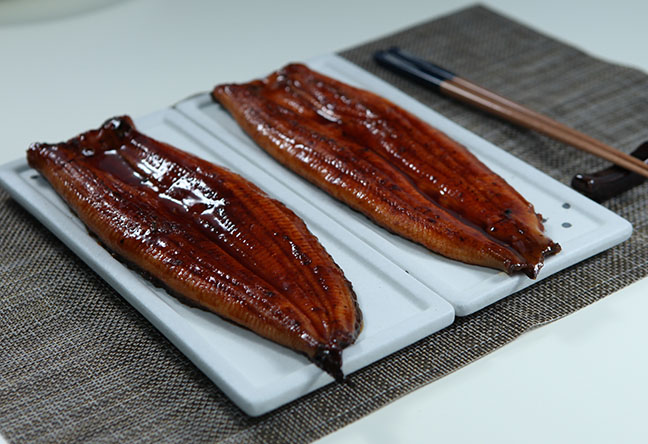
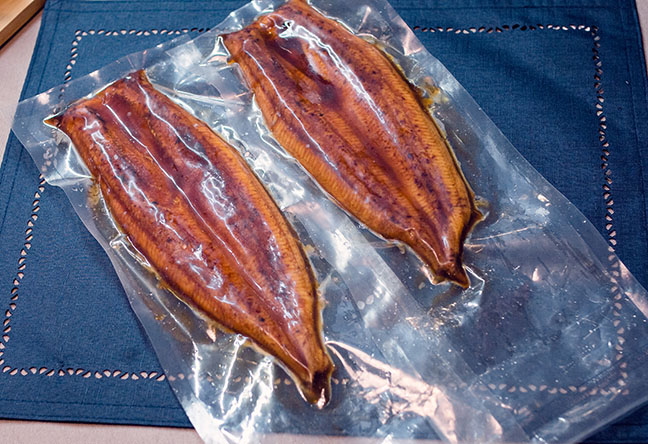
Unagi pregnancy meals often feature grilled eel coated with kabayaki sauce. This style is convenient because the eel is already cooked, but the sauce can add sugar and sodium. A reasonable meal may include about 3 to 4 ounces of eel, a small amount of sauce, rice, and a generous side of vegetables.
Read the preparation instructions carefully when buying frozen unagi kabayaki. Some products are fully cooked and only need reheating, while others may require a different process. Follow the label for the final heating step.
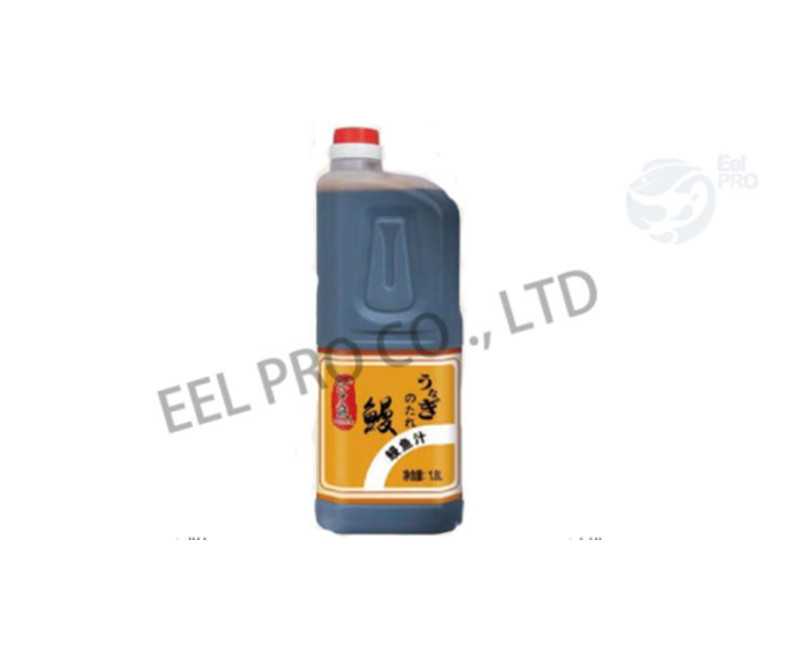
If you prefer to manage the sweetness and salt level, use a measured amount of eel sauce, also called unagi tare. One tablespoon can add plenty of flavor without coating the fish heavily. You can also dilute the sauce with a little water or brush it on as a finishing glaze instead of adding a large amount during cooking.
Our guide to kabayaki sauce explains how the glaze complements grilled eel. For a lighter meal, serve eel with cucumber, blanched spinach, edamame, or steamed broccoli instead of making rice and sauce the largest parts of the dish.
There is no single eel-only serving rule for every pregnant woman. A practical approach is to count eel toward the FDA’s total recommendation of two to three servings of lower-mercury fish each week. One serving is about 4 ounces cooked. If you eat a 4-ounce eel meal, it counts as one of those weekly servings.
For someone who eats fish twice a week, one eel meal and one salmon or shrimp meal may fit general guidance. Someone who eats fish three times weekly could rotate eel with two other lower-mercury options. Keep portions moderate, and do not add higher-mercury fish to the same weekly plan without checking current medical guidance.
Some medical conditions may call for different advice. Talk with your prenatal care provider if you have been told to limit protein, sodium, vitamin A, or seafood; if you take fish oil or vitamin supplements; or if your pregnancy care team has given you a personal fish limit.
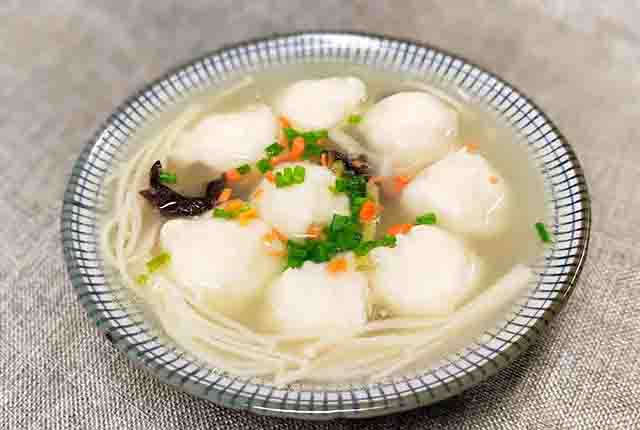
Eel also works well in soup. Our eel noodle soup recipe offers a useful serving idea: combine cooked eel with noodles, broth, and vegetables. During pregnancy, make sure the eel is heated through and the broth is served hot.
Yes, most pregnant women can eat fully cooked eel in moderate portions. Eel is listed by the FDA as a lower-mercury “Best Choice.” Count it as part of the recommended 8 to 12 ounces of lower-mercury fish per week, and follow any guidance from your own healthcare provider.
Eel has lower average mercury levels than high-mercury fish such as swordfish, shark, and king mackerel, which is why the FDA includes eel among its “Best Choices.” Mercury levels can still vary by species, size, age, and origin. Use current government guidance and local advisories rather than assuming every eel product has the same level.
Cooked unagi kabayaki can be safe in pregnancy when it is heated properly, eaten in a moderate portion, and included within your weekly seafood limit. Avoid raw or undercooked eel. Kabayaki sauce may also contain considerable sugar and sodium, so use it in moderation.
No. Raw or undercooked freshwater eel may contain parasites or bacteria. Choose fully cooked eel and follow package or restaurant preparation instructions. If you are unsure whether a dish has been cooked thoroughly, choose something else.
Eel contains vitamin A, but that does not mean a normal cooked serving is unsafe. The concern is excessive intake of preformed vitamin A from several sources, especially high-dose supplements and liver products. Review your prenatal vitamin with your healthcare provider and do not take extra vitamin A unless it has been prescribed.
Eel can provide protein, omega-3 fats, and vitamin A during pregnancy. At the same time, mercury, raw preparation, portion size, and sauce ingredients deserve attention. Choose fully cooked eel, keep servings moderate, vary your seafood choices, and use current FDA or local health guidance for mercury advice.
For restaurants, distributors, and importers seeking clearly handled seafood products, Eelpro Co., LTD supplies frozen unagi kabayaki, eel sauce, frozen seafood, and freshwater eels. Contact us to discuss product specifications, packaging, and supply requirements for your market.
Sources: U.S. FDA advice about eating fish; American College of Obstetricians and Gynecologists nutrition guidance; NIH Office of Dietary Supplements vitamin A fact sheet.


 WhatsApp
 sales@chinaeels.com
 +8619937922411