




Unagi Bento: Easy Japanese Lunch Box Ideas with Grilled Eel
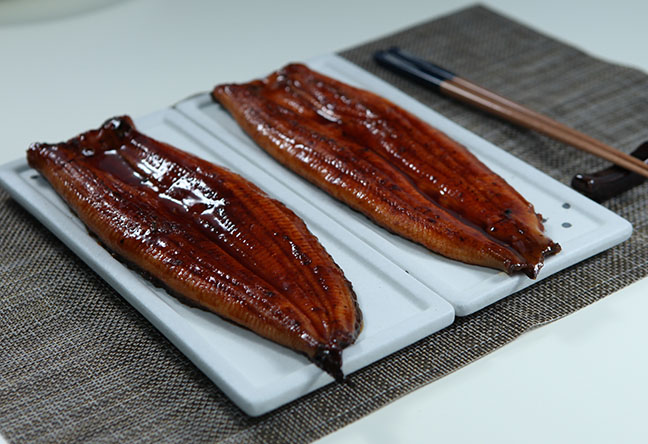
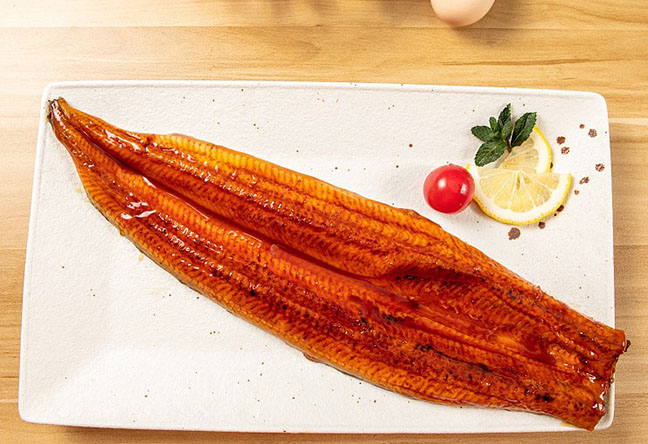
A well-made unagi bento turns a simple lunch into something worth looking forward to. The combination of glossy grilled eel over steamed rice, balanced with colorful side dishes, follows the Japanese principle of bento composition: a variety of colors, textures, and cooking methods in one compact box. Japanese eel, prepared kabayaki-style, is one of the most bento-friendly proteins available — it is pre-cooked, tastes good at room temperature, and holds its texture well after several hours in a lunch box. This guide walks through practical unagi bento ideas you can assemble at home, whether for the office, school, or a weekend picnic.

The Core Components of an Unagi Bento
Japanese bento culture values balance. A traditional bento aims for a roughly 4:3:2:1 ratio of rice to protein to vegetables to pickled or seasoned items. For an unagi bento, the grilled eel is the main protein, and everything else is arranged around it.
The rice base is arguably as important as the eel itself. Use Japanese short-grain rice, cooked to a slightly firm texture so it holds its shape in the box. Seasoning the rice lightly — with a splash of rice vinegar or a sprinkle of furikake — adds another layer of flavor without competing with the unagi kabayaki. Some cooks drizzle a small amount of eel sauce over the rice before placing the eel on top, which seeps down and flavors each bite.
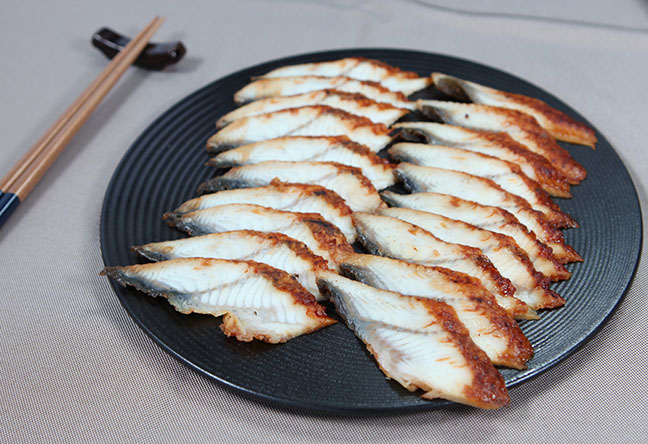
The eel itself should be cut into strips about 2 cm wide for easy eating with chopsticks. Arrange the strips in a neat row or fan pattern over the rice. A sprinkle of toasted white sesame seeds and a light dusting of sansho pepper complete the eel layer.
Three Unagi Bento Ideas to Try
Classic Unaju-Style Bento
This is the most traditional unagi bento design, modeled after unaju — eel served in a lacquered box. Fill the bottom half of your bento box with seasoned rice. Lay the grilled eel strips across the top in a single overlapping row. Add a small compartment of pickled daikon (takuan) for crunch and color, and a second compartment with a few pieces of tamagoyaki (rolled omelette). The warm tones of the eel against the yellow egg and bright yellow pickles create a visually appealing contrast.
Unagi Maze-Gohan Bento
Instead of serving the eel on top, mix chopped grilled unagi into the rice along with shredded nori, sesame seeds, and finely sliced shiso leaves. This maze-gohan (mixed rice) approach distributes the eel flavor evenly and makes the bento easier to eat on the go. Add steamed broccoli, cherry tomatoes, and a small portion of hijiki seaweed salad in separate compartments. This bento travels well and tastes good at room temperature.
Unagi and Tamago Two-Layer Bento
Layer the bottom with eel-mixed rice, then use a sheet of thin omelette (usuyaki tamago) as a divider before adding a top layer of additional grilled eel strips and steamed vegetables. The egg layer prevents the toppings from making the rice soggy and adds protein. Include a small container of extra kabayaki sauce on the side for those who want more glaze.
Recommended Side Dishes for Unagi Bento
The sides in a bento serve two purposes: they add nutrition and color variety, and they provide contrasting textures and flavors to the rich, sweet eel. Here are side dishes that pair well with unagi:
- Tamagoyaki (Japanese rolled omelette): Slightly sweet, soft, and golden — a bento staple that complements the savory eel.
- Blanched spinach with sesame dressing (goma-ae): The nutty, slightly bitter greens cut through the richness of the eel.
- Pickled cucumber (kyuri asazuke): Quick-pickled in rice vinegar, salt, and a touch of sugar for a crisp, refreshing bite.
- Kinpira gobo: Braised burdock root and carrot in soy and mirin — earthy, slightly chewy, and packed with fiber.
- Cherry tomatoes or blanched broccoli: A pop of red or green that completes the bento color palette.
Practical Bento Packing Tips
Packing an unagi bento well comes down to a few practical rules. Cool all components completely before closing the box — trapped steam makes rice gummy and can cause bacterial growth. Use a bento box with internal dividers or silicone cups to keep wet and dry items separated. If including eel recipes with sauce, pack the extra sauce in a small separate container to prevent the bento from becoming a soggy mess by lunchtime.
For food safety, unagi bento should be refrigerated if not eaten within two hours of packing. An insulated bento bag with an ice pack works well for office or school lunches. The eel can be reheated briefly in a microwave if your workplace has one — about 30-45 seconds on medium power is enough to warm the eel without overcooking the rice.
The appeal of an unagi bento goes beyond taste. Opening a well-arranged lunch box with glossy eel, colorful vegetables, and neatly packed rice turns an ordinary midday meal into something that feels intentional and satisfying.
Why Unagi Works for Weekly Bento Rotation
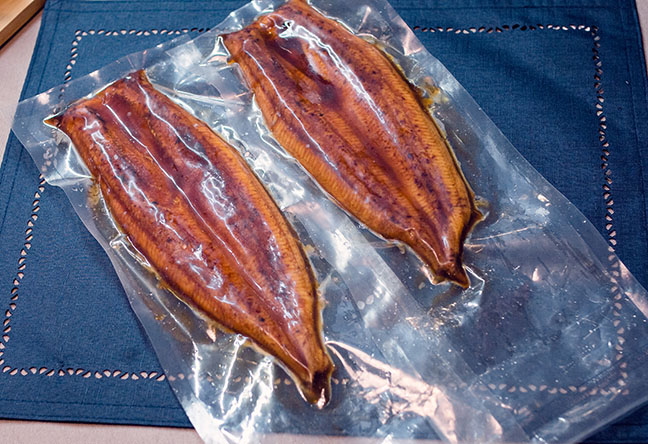
Meal-prepping bento boxes for a full week requires variety, or boredom sets in quickly. Unagi offers a change of pace from the usual grilled chicken or salmon bento without requiring much extra work. Since freshwater eel fillets come pre-cooked and frozen, you can keep a few in the freezer and grab one whenever you want to change up the lunch routine.
From a nutritional standpoint, eel cuisine adds nutrients that common bento proteins may lack. The vitamin A content in unagi, for instance, is significantly higher than what you would get from chicken or egg-based bento fillings. The omega-3 fatty acids — roughly 1,200 to 1,500 milligrams per serving — also set eel apart from land-based proteins. For anyone trying to eat fatty fish twice a week as health guidelines recommend, an unagi bento is one of the easiest ways to check that box.
Cost is another practical consideration. A single frozen unagi fillet, which typically costs USD 5 to 8 at Asian grocery stores, makes one generous bento serving. Compared to takeout sushi or a restaurant unagi donburi at USD 18 to 25, the homemade version delivers a similar experience at a fraction of the price. For regular bento makers, buying fillets in multi-packs further reduces the per-serving cost.


 WhatsApp
 sales@chinaeels.com
 +8619937922411