





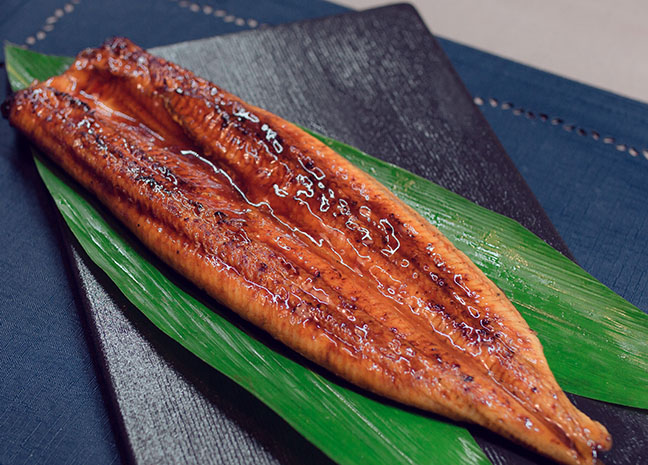
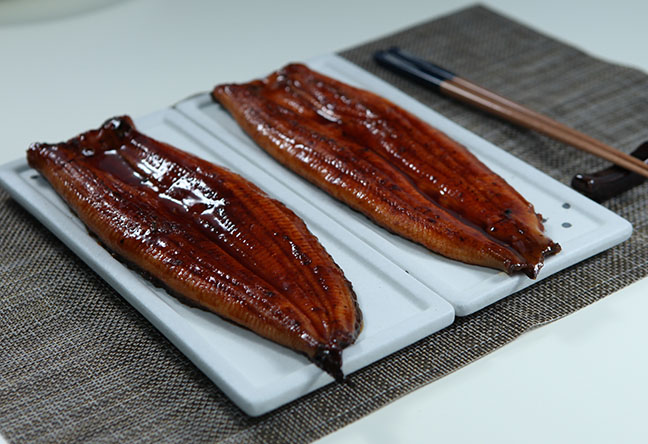
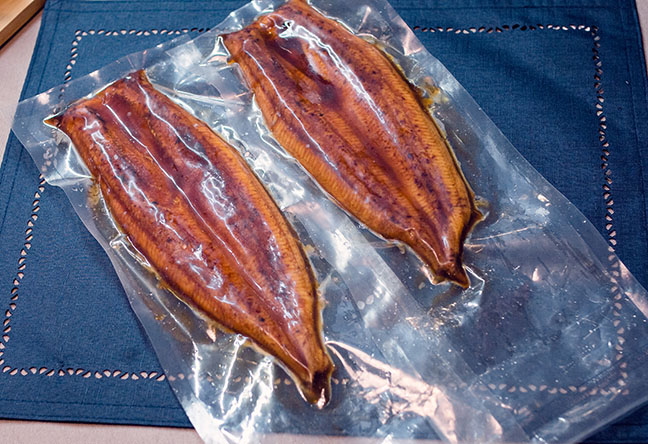
You just spent good money on a pack of restaurant-grade unagi kabayaki. You microwave it for two minutes because you're hungry. And now it's rubbery, dry at the edges, and the glaze has gone gummy in one spot and burnt in another. Sound familiar?
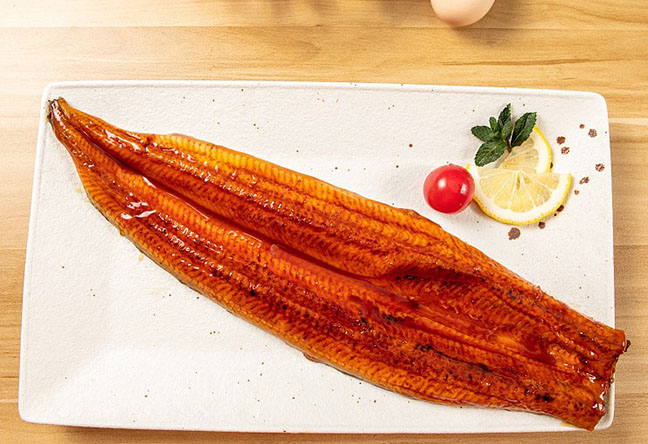
This happens to almost everyone the first time they handle frozen eel at home. The good news: it's completely avoidable. Reheating premade unagi is less about equipment and more about heat control and timing. Get those two things right, and vacuum-packed roasted eel can taste nearly identical to what you'd get fresh off the grill at a Tokyo izakaya.
We process and ship frozen unagi kabayaki to foodservice buyers and home cooks across multiple markets, and reheating complaints are almost always a technique issue, not a product issue. Below is the method we recommend to every customer who asks — plus the mistakes we see most often.
Unagi kabayaki is pre-cooked, glazed, and then blast-frozen to lock in moisture. That freezing process is actually your friend — it preserves the eel's natural fat content, which is what gives good kabayaki its silky, almost custardy texture. The problem starts during reheating, when high, direct heat pulls moisture out faster than it can redistribute through the flesh.
Eel skin also behaves differently than the meat. Skin needs direct, dry heat to crisp back up. The meat underneath needs gentler, more even heat to stay tender. Trying to do both with one blast of high heat is exactly how you end up with a rubbery bite and a scorched glaze.
This is the method we recommend for both foodservice kitchens and home cooking. It works whether your unagi kabayaki is still frozen or already thawed in the fridge.
Total active time: under 20 minutes. That's the process we walk foodservice clients through when they're plating unagi don or unagi nigiri for service.
This is the question we get asked more than any other. Here's the honest comparison, based on texture outcome rather than convenience alone.
| Method | Time | Texture Result | Best Use Case |
|---|---|---|---|
| Water bath + oven finish | 15-20 min | Best — moist inside, crisp skin, glaze restored | Restaurant plating, guests, meal prep batches |
| Oven only (no water bath) | 10-12 min | Good, slightly drier at edges if not covered | Quick weeknight dinner, no time for water bath |
| Steamer | 6-8 min | Very moist, but skin stays soft, no char | Eel donburi, eel noodle soup toppings |
| Microwave | 1-2 min | Fastest but highest risk of rubbery texture | Only when covered and reheated at 50% power |
If you must use a microwave, cover the eel with a damp paper towel and run it at half power in 20-second bursts, checking each time. Full power for a full minute is almost guaranteed to overcook the surface before the center even warms. This is the single biggest reason people say store-bought unagi "never tastes as good as the restaurant" — it's not the product, it's the microwave.
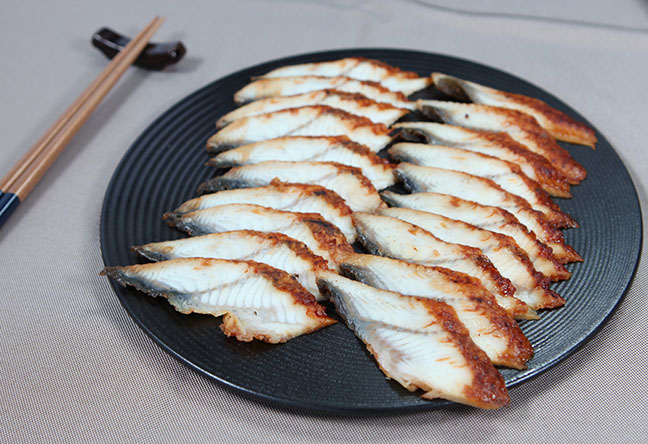
Kabayaki preparation methods should shift depending on how you're serving it. If you're building an unagi don, steam the eel briefly over rice so the rice absorbs some of the released moisture and sauce. If you're prepping eel for sushi rolls, a quick torch-finish after warming gives you the classic light char without overcooking the roll filling — a technique covered in more detail in our eel sushi roll recipe guide. For noodle soup applications, the eel goes in last, off heat, so residual broth warmth finishes it gently — see our guide on eel noodle soup preparation for the full method.
For reference on freshwater eel biology and why fat content varies by species and season, the Anguilla genus overview is a useful starting point if you're sourcing at scale.
If you're running a foodservice operation and need a fast, repeatable process, here's the condensed version for line cooks:
This process scales cleanly whether you're plating five orders or fifty, and it keeps texture consistent across a dinner rush — something we've tested repeatedly with our foodservice clients working with our frozen eel supplier program.
Got a reheating method that works better in your kitchen? Drop it in the comments — we're always comparing notes with chefs and home cooks. And if you want to go further with your eel prep, check out our guide on cleaning, skinning, and deboning eel for anyone working with whole freshwater eels instead of premade kabayaki.
 WhatsApp
 sales@chinaeels.com
 +8619937922411