





Is eel good for you? It can be a nutritious addition to your diet when you choose a sensible portion and consider how it is cooked, sauced, and served. Eel provides complete protein, vitamin B12, vitamin D, and beneficial fats. However, unagi kabayaki finished with a sweet glaze has a different nutrition profile from plain grilled eel, particularly for anyone monitoring carbohydrates, sodium, or calories.
This guide examines eel dietary suitability for low-carb, keto, high-protein, and heart-conscious eating patterns. The aim is simple: understand the eel health profile, then decide how it can work on your menu or in your product range.
Nutrition figures vary by species and preparation method. As a general reference, USDA FoodData Central lists cooked eel at approximately 236 calories, 23.7 grams of protein, and 14.6 grams of fat per 100 grams. Plain eel contains no meaningful carbohydrate before sugary sauce or breading is added.
| Nutrient | Approximate amount per 100 g cooked eel | Why it matters |
|---|---|---|
| Calories | 236 kcal | Useful when planning portions and total meal energy |
| Protein | 23.7 g | Supports a high-protein meal pattern |
| Fat | 14.6 g | Provides energy, with a mix of unsaturated and saturated fat |
| Carbohydrate | 0 g in plain eel | Fits low-carbohydrate plans before sauce or coating |
Eel is also a source of vitamin B12, which supports normal red blood cell formation and nervous-system function. It provides vitamin D and vitamin A as well, though levels can vary. Eel contains long-chain omega-3 fats, including EPA and DHA, but its omega-3 content should not be assumed to match that of fatty fish such as salmon. The complete unagi kabayaki product is often served in a smaller portion over rice, so the nutrition of the finished dish also includes the rice and sauce.
Plain eel can fit a low-carb diet very well. Fish naturally contains no carbohydrate, and a 100-gram serving delivers substantial protein. Grilled or steamed eel with leafy greens, cucumber, mushrooms, or roasted broccoli makes for a straightforward low-carb meal.
The main consideration is preparation. Traditional kabayaki is brushed with a sweet soy-based glaze, which can add sugar and carbohydrate depending on the recipe and serving size. Rice, noodles, sushi rolls, and sweet side dishes add even more. What starts as a low-carb eel dish can become a high-carbohydrate meal once everything is assembled.
Eel for keto diets can work when the sauce is measured and side dishes are selected carefully. A keto-friendly plate might include:
Check the product label rather than assuming every unagi tare has the same carbohydrate content. Commercial sauces often contain sugar, mirin, or other sweeteners. Our eel sauce can be used by foodservice buyers and manufacturers as a controlled ingredient, but final nutrition values depend on the formulation and the amount applied.
For strict keto plans, plain frozen eel or a low-sugar sauce offers more control than a heavily glazed restaurant portion. Ginger, garlic, chili, sesame, and citrus can bring plenty of flavor without making sugar the dominant ingredient.
Yes, eel is suitable for a high-protein diet. With around 24 grams of protein per 100 grams cooked, it compares well with many commonly served fish. Its protein is complete, meaning it contains all nine essential amino acids.
Portion size still deserves attention. Eel is more energy-dense than very lean fish because it contains a notable amount of fat. If your goal is maximum protein with fewer calories, cod, pollock, or another lean fish may be easier to incorporate. If you want protein along with a richer texture and more fat-soluble vitamins, eel adds useful variety.
For a balanced high-protein menu, pair eel with vegetables and a measured portion of rice, soba, or potatoes. A bowl with 100 grams of kabayaki, half to one cup of cooked rice, and vegetables is generally more balanced than a large eel portion covered in sauce. Buyers use eel in rice bowls, sushi toppings, noodle soups, and ready meals because even a relatively small fillet offers a distinct flavor and a solid protein contribution.
For foodservice applications, our eel recipes show how eel can be used beyond the standard rice bowl. Noodle soup, for instance, can be adapted with more vegetables and a smaller noodle portion for customers seeking higher protein without an oversized meal.
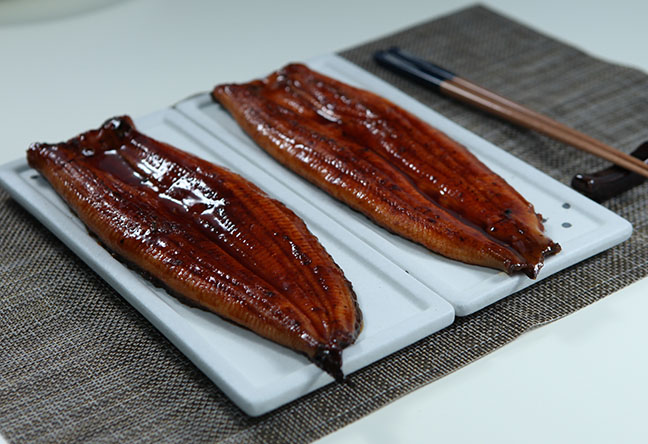
Whether eel fits a heart-conscious diet depends on the entire meal, not just the fish itself. Eel provides unsaturated fat and omega-3 fats, but it also contains more total fat than lean white fish. Kabayaki sauce may add sodium and sugar, while restaurant rice bowls can be generous in size.
For a heart-conscious serving, consider these adjustments:
People managing high blood pressure, high cholesterol, diabetes, or cardiovascular disease should follow advice from their clinician or registered dietitian. Eel is not automatically unsuitable, but it should be considered alongside sodium intake, saturated fat, total calories, and the overall eating pattern.
Preparation also matters for food safety. Freshwater eel should be thoroughly cooked; raw or undercooked eel is not appropriate. Commercial frozen products should be stored and handled according to the supplier’s instructions. When comparing products, buyers should ask about species, fillet size, glazing, sauce ingredients, packaging, and cooking specifications.
The answer to eel dietary suitability varies by customer and diet plan. Here is a practical comparison:
| Diet pattern | Can eel fit? | What to watch |
|---|---|---|
| Low-carb | Usually yes | Sugary sauce, rice, noodles, and breading |
| Keto | Yes, with planning | Total carbohydrates in the glaze and side dishes |
| High-protein | Yes | Portion calories and the higher fat content than lean fish |
| Heart-conscious | Often, in moderation | Sodium, saturated fat, sauce quantity, and total meal balance |
| Gluten-free | Potentially | Soy sauce and other sauce ingredients; verify the label |
For manufacturers and restaurant groups, portion control makes eel easier to position across several menus. Individual fillets can be paired with different sauces and sides, while plain frozen eel gives the kitchen greater control over sodium and sugar. Our kabayaki sauce article, kabayaki sauce, explains the role of the glaze in the finished dish and why sauce selection affects both flavor and formulation.
A nutritious eel meal does not need to be complicated. Start with a measured portion, then build the plate around vegetables and the customer’s dietary target.
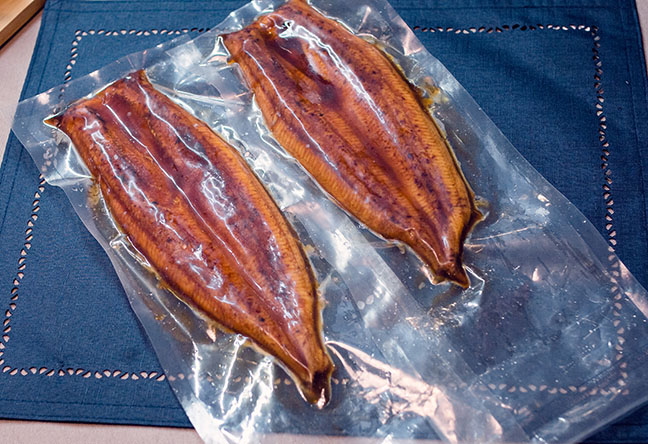
Frozen unagi kabayaki is convenient because the fillet is already prepared for reheating, but convenience should not replace portion awareness. Check the package serving size and nutrition panel. If you are developing a private-label product, we can discuss fillet specifications, sauce application, packaging, and frozen seafood supply through Eelpro Co., LTD.
Plain eel is naturally carbohydrate-free and can fit a low-carb diet. The main sources of carbohydrate are usually kabayaki sauce, rice, noodles, breading, or sweet side dishes. Choose plain grilled eel or measure the sauce to keep the meal within your target.
You can include eel on a heart-conscious diet in a moderate portion, especially when it is grilled or steamed and served with vegetables. Pay attention to sauce sodium, added sugar, total calories, and saturated fat. Personal medical advice should come from a qualified healthcare professional.
Yes. Cooked eel provides approximately 23.7 grams of protein per 100 grams, according to USDA FoodData Central reference data. It also contains more fat and calories than very lean fish, so portion size and the rest of the meal still matter.
Unagi kabayaki can be part of a balanced meal, but the glaze changes the nutrition profile by adding sugar and sodium. A moderate eel portion, a controlled amount of sauce, and vegetables make the dish easier to fit into different dietary patterns.
So, is eel good for you? For many people, yes—especially if they value complete protein, vitamin B12, vitamin D, and fish-based fats. The best choice depends on your dietary goal and the preparation method. Plain eel provides the most control for low-carb and keto menus; measured kabayaki can suit protein-focused meals; and heart-conscious dishes benefit from moderate portions, less sauce, and plenty of vegetables.
Eelpro Co., LTD supplies frozen unagi kabayaki, eel sauce, freshwater eels, and frozen seafood for overseas buyers. Contact our team to discuss product specifications, packaging, and supply options for your market.



 WhatsApp
 sales@chinaeels.com
 +8619937922411