





Raw eel can appear leaner on a nutrition chart, but the cooking method, sauce, and portion size can quickly change the numbers. A 100 g serving of plain grilled eel is not nutritionally the same as 100 g of eel kabayaki coated in sweet glaze. For seafood buyers, chefs, and product developers, those differences are important.
This guide compares the nutritional value of eel in raw and commonly cooked forms. It covers practical reference figures for calories, protein, fat, vitamins, and minerals, along with useful advice for menu planning and nutrition-label review.
By Marina Chen, Export Product Specialist at Eelpro Co., LTD.
Nutrition data is usually reported per 100 g. It sounds straightforward, yet raw and cooked fish do not weigh the same after heating.
Grilling, roasting, and broiling drive out water. If 120 g of raw eel becomes 100 g after cooking, the protein and fat in that cooked portion are more concentrated. Add oil or sauce, and the calorie count may climb further.
That is why two nutrition panels can both be accurate while showing different values. One may describe raw whole eel, another cooked fillet, and a third prepared unagi kabayaki with tare sauce.
For a fair comparison, buyers should check:
The table below provides practical reference ranges for freshwater eel. Values vary by species, size, fat level, trimming, cooking time, and database method. Use them for planning rather than as a replacement for a laboratory report on the finished product.
| Nutrient, per 100 g edible portion | Raw freshwater eel | Plain grilled or broiled eel | Eel kabayaki with sauce |
|---|---|---|---|
| Energy | About 180–190 kcal | About 230–260 kcal | About 250–320 kcal |
| Protein | About 18–19 g | About 23–25 g | About 20–24 g |
| Total fat | About 11–13 g | About 14–17 g | About 13–18 g |
| Carbohydrate | 0 g | 0 g | About 5–15 g |
| Vitamin B12 | Usually high | Usually retained well | Usually retained well |
| Vitamin A | Moderate to high | Moderate to high | Moderate to high |
| Omega-3 fatty acids | Present | Present, with some cooking loss possible | Present, depending on trimming and heat exposure |
These figures reflect plain fish more closely than a complete restaurant dish. A donburi with 150 g of kabayaki, 250 g of cooked rice, and extra sauce has a very different total from 100 g of eel alone.
For menu planning, serving size is often more useful than a 100 g comparison. A typical 120 g cooked eel portion may provide roughly 275–310 kcal before rice and additional sauce. A 150 g portion may reach approximately 345–390 kcal.
A standard unagi rice bowl can exceed 650–800 kcal once rice, tare, garnish, and side dishes are included. The fish is only one part of the calculation.
For frozen foodservice packs, define the serving weight before preparing a label. A 100 g fillet, a 120 g restaurant portion, and a 200 g retail tray should not use the same “per serving” claim.
Eel supplies complete protein, including all nine essential amino acids. Raw eel generally provides around 18–19 g of protein per 100 g. After grilling, the value per 100 g may rise as moisture leaves the flesh.
This makes eel a practical choice for rice bowls, sushi rolls, noodle dishes, and prepared meal kits. A 120 g cooked portion can contribute approximately 28–30 g of protein, although the exact amount depends on trimming and moisture loss.
Eel is naturally higher in fat than cod, pollock, and many other white-fleshed fish. That fat gives unagi its soft texture and rich flavor. It also supplies energy: a plain cooked portion can contain roughly 15–20 g of fat per 100 g.
The fat includes long-chain omega-3 fatty acids, including EPA and DHA. Amounts can vary with feed, season, farming conditions, body size, and whether the product is belly-heavy or carefully trimmed.
This can be a useful selling point, but broad health claims should not be made without verified laboratory data. Buyers preparing retail packaging should obtain a product-specific fatty-acid analysis rather than relying on a generic internet value.
Eel is known for vitamin A, which supports normal vision and immune function. It also provides vitamin B12, niacin, riboflavin, and other B-group vitamins involved in energy metabolism.
Vitamin B12 tends to remain relatively stable during ordinary grilling. Water-soluble vitamins may be affected by heat and cooking liquid, while vitamin A can be influenced by fat loss and processing. The outcome is not simply “more” or “less”; the final value depends on the full production process.
Useful minerals in eel include phosphorus, selenium, potassium, and smaller amounts of iron and zinc. Sodium occurs naturally, but the larger increase usually comes from seasoning, soy-based tare, or brining.
For a low-sodium menu, plain grilled eel with separately portioned sauce may offer more control than heavily glazed kabayaki. For a ready-to-eat product, sodium should be tested in the finished item rather than estimated from the fish alone.
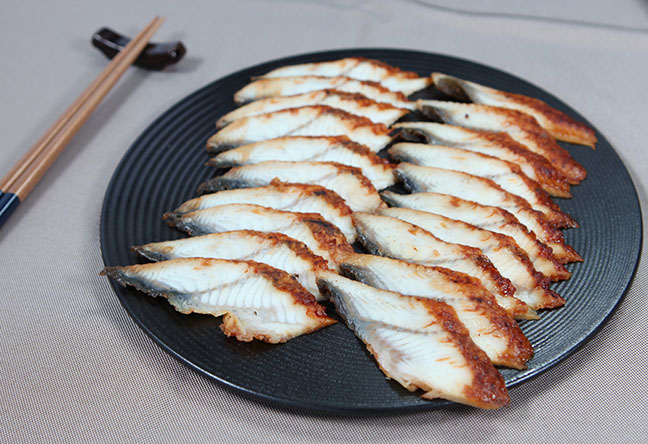
Grilling creates the roasted aroma and lightly crisp edges associated with unagi. It also reduces moisture, which can make the fish more calorie-dense per 100 g even when no oil is added.
For food safety, cook freshwater eel until the thickest section reaches at least 63°C / 145°F. Use a calibrated thermometer during new product trials, since color alone is not a reliable indicator.
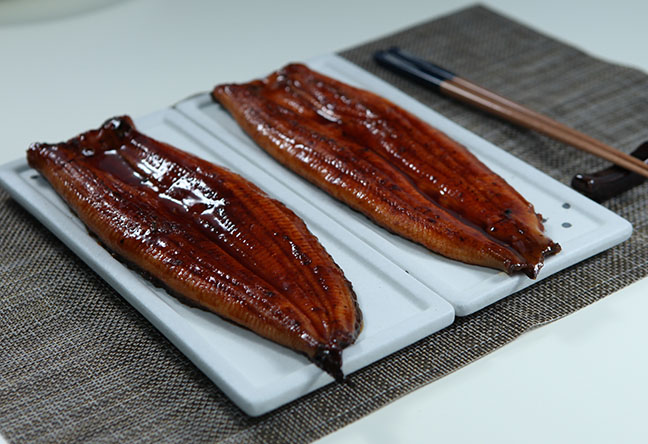
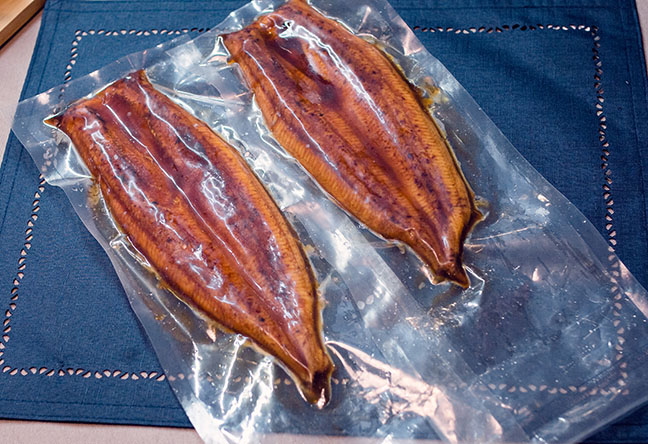
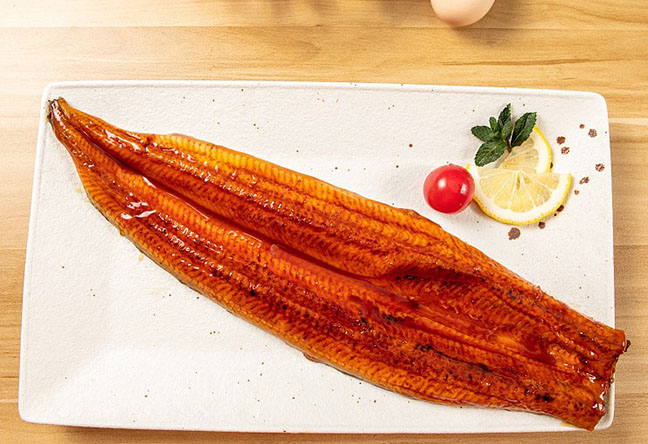
Commercial kabayaki is often grilled, coated with sauce, then grilled again. This repeated heating develops a glossy surface and deeper flavor, but the sauce also adds carbohydrate and sodium. Eelpro’s unagi kabayaki product is designed for convenient preparation in foodservice and retail settings.
Steaming uses moist heat and can preserve a softer texture. It may also retain more water than dry grilling, so the nutrition value per 100 g can appear lower simply because the portion contains more moisture.
Steamed eel works well in delicate dishes, bento sets, and meal preparation. If the fish is later grilled or brushed with tare, the final product requires its own nutrition calculation.
Kabayaki is more than cooked eel. It is cooked eel plus sauce. Tare commonly contains soy sauce, sugar, mirin-style seasoning, or similar ingredients. The exact recipe affects the final label values.
One tablespoon of sweet eel sauce can add roughly 30–50 kcal, depending on sugar concentration and serving size. Sodium may also rise considerably. Buyers comparing offers should ask whether nutrition data includes the sauce coating and how much sauce remains on the fish after draining.
For sauce specifications and applications, review Eelpro’s eel sauce product. The company also explains flavor balance in its article about kabayaki sauce.
Heat changes eel nutrition in several ways: water loss, fat movement, ingredient addition, and vitamin retention.
Important safety fact: Freshwater eel blood contains a heat-sensitive toxin. Raw eel is not a safe sashimi ingredient simply because it looks fresh. Eel must be properly cooked before eating.
When comparing frozen eel suppliers, request a specification sheet for the exact item, including species, origin, size range, glaze percentage, net weight, cooking state, and storage conditions.
Also ask for the following where required by your market:
Certification names should never replace a review of the current certificate, scope, issuing body, and production site. Requirements also vary between the United States, European Union, Japan, and other markets.
Eelpro Co., LTD supports buyers with product information for unagi kabayaki manufacturing and frozen eel supply. For farm-origin questions, buyers can review the unagi eel farm information and request documents for the specific shipment.
Start with a sample from the same production specification you plan to purchase. Send it to an accredited laboratory for proximate analysis: moisture, protein, total fat, ash, calories, carbohydrate, sodium, and selected vitamins or fatty acids when needed.
For a finished kabayaki product, test the fish as sold, including the sauce coating. If your label is based on cooked weight, define the cooking method, temperature, time, draining step, and yield. A small change from 100 g raw to 78 g cooked can alter the declared values per serving.
Eelpro’s eel laboratory resources can help buyers understand what to request during supplier qualification. A product specification is useful, but a current, batch-relevant test report is stronger.
For a simple menu, serve 100–120 g grilled eel with vegetables and a measured rice portion. Weigh the fish after cooking if the nutrition panel describes the ready-to-eat serving.
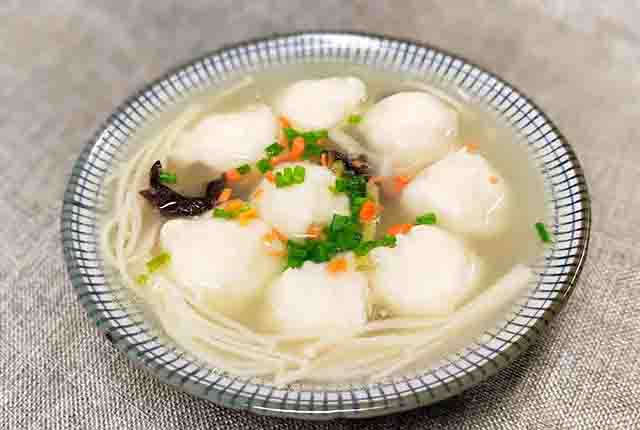
For noodle shops, record the weight of eel, broth, noodles, and sauce separately. Eel noodle soup can be flavorful without a large tare portion; see these eel recipes for menu inspiration.
For retail meal kits, place sauce in a separate sachet when possible. This gives consumers more control and makes the nutrition calculation easier to explain. It also helps operators deliver standard portions during service.
Avoid this common mistake: comparing raw eel calories with cooked kabayaki calories and describing the difference as “added fat.” Some of the increase simply comes from water loss. The sauce may account for the rest.
Cooking usually reduces moisture, so protein, fat, and calories can appear higher per 100 g of cooked eel. Some fat may drip away during grilling, while sauce can add sugar and sodium. The final result depends on heat, time, yield, trimming, and ingredients.
A 120 g cooked portion commonly provides about 28–30 g of protein, 275–310 kcal, and approximately 17–24 g of fat, depending on the product. Eel also supplies vitamin A, vitamin B12, phosphorus, selenium, potassium, and omega-3 fatty acids. Use a product-specific report for exact label values.
Request a specification sheet, ingredient statement, serving definition, and recent laboratory report. Confirm whether the test covers raw eel, cooked eel, or kabayaki with sauce. For private-label products, test a representative finished sample through an accredited laboratory before finalizing the label.
No simple comparison supports that claim. Raw values may show fewer calories per 100 g because the fish contains more water, but raw freshwater eel is unsafe to eat. Proper cooking is required. The healthier menu choice depends on portion size, sauce, rice, sodium, and the rest of the meal.
The nutritional value of eel changes with moisture loss, fat rendering, sauce, and serving size. Plain cooked eel is protein-rich and provides vitamin B12, vitamin A, minerals, and omega-3 fats. Kabayaki adds convenience and flavor, but its sugar and sodium must be included in the calculation.
For dependable menu planning or export labeling, work from the exact finished product rather than a generic raw-fish entry. Contact Eelpro Co., LTD to discuss frozen unagi kabayaki, freshwater eel, eel sauce, and other frozen seafood options. If you have a preferred serving size or target market, share it with our team. And tell us in the comments: do you prefer lightly grilled unagi, classic kabayaki, or eel in a noodle bowl?



 WhatsApp
 sales@chinaeels.com
 +8619937922411