





You drizzle it over a glistening unagi donburi. Sweet, salty, sticky, it sinks into steaming rice. Then the thought hits – is eel sauce healthy, or is it just liquid sugar with a fancy name? I’ve spooned it onto grilled eel for years, and I get why the question nags. Let’s pull back the label and see what’s really inside that bottle.
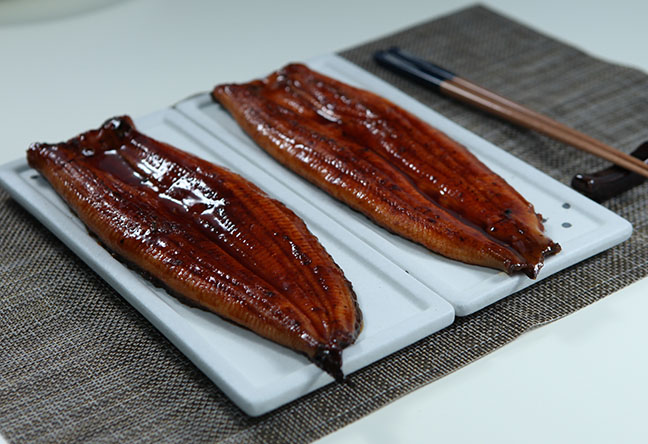
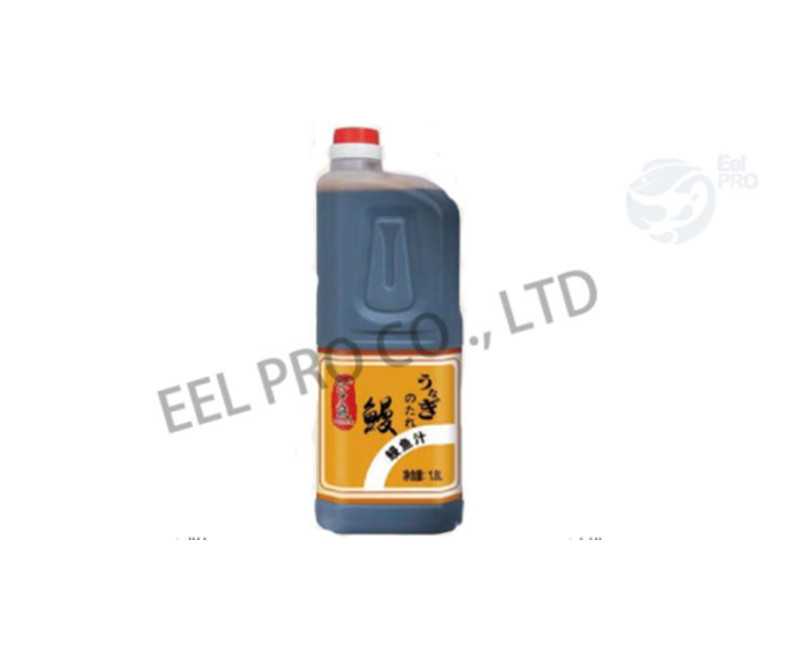
Before we judge the nutrition, let’s be clear what we’re dealing with. Eel sauce—or unagi tare—is the dark, glossy glaze brushed over broiled freshwater eel. At its core, it’s a reduction of soy sauce, mirin, sugar, and sake. Some versions simmer in dashi (fish stock) for extra depth. The result? A thick, umami-packed syrup that caramelizes beautifully on grilled unagi kabayaki.
In a typical Japanese restaurant, the sauce gets used again and again—ladled, grilled, and replenished in a master pot. That’s the “tare” tradition. But for retail or bulk export, we at Eelpro bottle it fresh from our eel lab kitchen, where every batch is tested for consistency. No recycled mystery juice.
Let’s talk hard facts. A standard 1-tablespoon (15ml) serving of commercial eel sauce typically delivers:
Yes, you read that right. Almost all the calories come from sugar. It’s not a hidden-healthy dressing; it’s a concentrated sweet glaze.
Here’s where it gets real. Eel sauce sugar content often rivals that of chocolate syrup. I’ve checked labels side by side: a tablespoon of Hershey’s syrup has about 10g sugar. Our unagi tare hits the same ballpark. The difference? Eel sauce coats savory protein and rice, so your brain doesn’t register “dessert.” But metabolically, it’s a sugar hit.
For bulk buyers (restaurants, importers) we can tweak the sweetness. At our unagi eel farm and processing line, we develop custom formulations—lower-sugar blends, alternative sweeteners, or even an unsweetened base that chefs can adjust in-house. Small tweaks, big impact on the final plate.
Soy sauce brings the salt. Even a modest drizzle adds 300mg of sodium or more per tablespoon. If you’re watching blood pressure, that matters—especially since most people don’t stop at one tablespoon. A donburi bowl can easily see 2–3 tablespoons swirled on top. Suddenly you’re looking at 800–1,300mg sodium from the sauce alone, before counting the rice or pickles.
Let’s not demonize it entirely. The health effects of unagi sauce are all about dose and context. A teaspoon drizzled over grilled eel once a week? Hardly a health crisis. Everyday slathering on every rice bowl? That’s where issues stack up. The main concerns:
But there’s one nutritional plus: Because eel sauce is so intense, a little goes a long way. Unlike ketchup or ranch dressing, you don’t need half a cup to feel satisfied. A brushstroke coats an entire fillet.
Short answer: No, not in its classic form. With 7 to 10 grams of sugar per tablespoon, you’d blow through your daily 20-50g carb limit in two or three spoonfuls. And since keto demands blood ketone stability, that sugar spike is a dealbreaker.
But here’s the workaround. We’ve had buyers ask, “Can you eat eel sauce on keto if you reformulate it?” Absolutely. In our eel lab of Eelpro Co., LTD, we’ve experimented with allulose and erythritol-based versions that mimic the glossy texture and sweet-savory punch without the glycemic impact. They’re not standard retail items yet, but for bulk B2B orders, we can produce keto-compliant unagi tare that clocks in under 2g net carbs per serving. Something to ask about if you’re supplying keto meal kits or specialty grocery.
Another minefield. Traditional unagi tare may contain bonito flakes or fish-based dashi, so it’s not always vegan. Soy sauce brings wheat (gluten) and soybeans (a top allergen). So if someone asks, “Is eel sauce vegan and allergen-free?” the default answer is: check the label—hard.
Our eel sauce product page details it clearly: the standard export formula uses soy sauce (water, soybeans, wheat), mirin, sugar, sake, and yeast extract. No fish-derived ingredients. That makes it vegan-friendly (though strict vegans should note the processing facility also handles seafood). Gluten? Yes, from the wheat in soy sauce—so it’s not celiac-safe. But we do offer a gluten-free tamari version for clients who need it. Soy allergen? Still present; we haven’t found a way to remove soy and keep the core flavor. Full disclosure matters.
When we talk about healthy sushi sauces, we usually mean lower-sugar, lower-sodium alternatives that still bring flavor. Let’s stack eel sauce against a few common ones (per tablespoon):
The sugar in eel sauce is the outlier. If you’re creating a lighter sushi bowl, swapping unagi tare for ponzu might save 7g sugar instantly. But if you’re after that signature glazed look for recipes like eel sushi roll recipe: make unakyu maki, nothing else mimics the caramelized sheen. My take? Use it where it matters, skip it where it doesn’t.
If you’re keeping sugars under, say, 25g per day (as the WHO suggests), a single tablespoon of eel sauce gobbles up nearly half that budget. Is eel sauce healthy for a low-sugar diet? Honestly, no—unless you’re using a reduced-sugar version. I’ve seen chefs stiffen their toppings by diluting with a splash of rice vinegar or water to stretch the glaze thinner, cutting effective sugar per bite without losing the flavor signal. It works.
For home cooks, try brushing on half the usual amount and letting the broiler do the caramelization. You’ll still get the umami pop, just with less of the sweet aftertaste. Small habit shifts, big wins over time.
Classic eel sauce contains too much sugar for a strict ketogenic diet. However, specially formulated versions using non-glycemic sweeteners can be keto-compatible. As a bulk supplier, Eelpro offers custom low-carb unagi tare for foodservice buyers.
Most eel sauces contain wheat from soy sauce, making them unsuitable for celiac disease or gluten sensitivity. We provide a gluten-free option made with tamari on request.
It depends. Some recipes include fish stock (dashi), but our standard unagi tare uses only plant-based ingredients. Always check the label, especially for hidden fish or animal derivatives.
A tablespoon (15ml) often contains 7–10 grams of sugar. That’s equivalent to about 2 teaspoons of table sugar.
Let’s be blunt – eel sauce is not a health sauce. Its nutrition profile is lopsided toward sugar and sodium. But in the real world, nobody eats it by the spoonful. Drizzled mindfully over a beautifully grilled unagi kabayaki eel, it transforms a meal. The key is knowing what’s inside, choosing portions wisely, and exploring smarter formulas when it matters for your diet or business.
At Eelpro, we ship high-quality frozen unagi and our eel sauce worldwide. Whether you need classic tare, a low-sugar twist, or a gluten-free run, we’ll talk specs. Reach out for bulk samples or a custom quote. While you’re here, dip into our recipe section – maybe try how to cook eel: easy methods and tips or the rich unagi ramen: Japanese eel noodle soup guide. Flavorful, honest eating starts with a good sauce – and now you know exactly what’s in it.


 WhatsApp
 sales@chinaeels.com
 +8619937922411