




What Is Ankimo? Japan’s Monkfish Liver Delicacy
A small plate arrives at a Tokyo izakaya: a chilled, amber-colored slice of liver, glossy under a spoonful of ponzu and scattered scallions. One bite often prompts the same question: what is ankimo, and why is it so often compared with foie gras?
Ankimo is steamed monkfish liver, a traditional Japanese seafood delicacy prized for its rich, creamy texture and clean ocean flavor. It may be served as an appetizer, a sushi topping, or a seasonal specialty at sushi restaurants. International buyers should also consider the practical side: raw material quality, cleaning, cooking, packaging, cold-chain management, and portion consistency all shape the final result on the plate.
By Eelpro Seafood Content Team — Written for seafood buyers, sushi professionals, chefs, and curious home cooks. Eelpro Co., LTD specializes in frozen unagi kabayaki, eel sauce, freshwater eels, and frozen seafood products for overseas markets.
What Is Ankimo Made From?
Ankimo is made from the liver of monkfish, a deep-water fish in the anglerfish family. In Japanese, “anko” means monkfish and “kimo” means liver. Together, ankimo simply means monkfish liver.
The liver is removed, carefully cleaned, lightly seasoned, then rolled or shaped, wrapped, and steamed. After chilling, it is sliced into rounds or compact portions. The exterior holds its shape, while the inside quickly melts across the palate.
Monkfish has a broad head, a large mouth, and a relatively small amount of edible body meat compared with its prized liver and other parts. Its tail is sometimes called “poor man’s lobster” for its springy, firm texture. The liver is an entirely different specialty: softer, fattier, and more delicate than monkfish tail.
Ankimo monkfish liver compared with foie gras
The foie gras comparison is helpful, though not perfect. Both are rich liver products with a smooth, luxurious texture. Ankimo, however, has a cleaner marine character, subtle sweetness, and a lighter finish. It should never taste sharply fishy, sour, or ammonia-like.
Well-prepared ankimo stays intact when sliced, yet spreads gently on the tongue. A dry or crumbly piece can indicate overcooking, poor freezing practices, or extended storage.
What Does Ankimo Taste Like?
So, what does ankimo taste like? Picture a chilled savory custard with mild sweetness and the buttery richness of a fine pâté. Its flavor is concentrated, but it rarely needs heavy seasoning.
- Texture: creamy, dense, and smooth, with a soft pâté-like quality.
- Flavor: mild ocean salinity, gentle sweetness, and a rich finish.
- Aroma: clean and marine when fresh and properly handled.
- Aftertaste: rich but balanced by ponzu, grated daikon, citrus, or herbs.
Temperature makes a noticeable difference. Very cold ankimo is firmer and easier to slice. At around **4–10°C**, it becomes softer and more aromatic without feeling greasy. Left at room temperature too long, it can loosen in texture and taste overly heavy.
Those who usually favor lean white fish may find the first bite unexpectedly rich. A small serving is generally enough. In Japan, restaurants often serve **20–40 grams per person** as an appetizer or a small sushi course.
How Is Ankimo Prepared?
The classic preparation method is careful steaming. Monkfish liver is delicate, so the aim is to remove blood and unwanted odor while preserving its natural richness.
Traditional preparation steps
- Inspect and trim: Remove visible blood vessels, membrane, and unwanted connective tissue.
- Rinse gently: Use cold water and avoid rough handling that could break the liver.
- Soak or season: Some cooks use sake, salt, or a brief sake-and-water soak to reduce odor.
- Shape the liver: Roll it into a compact cylinder or place it in a heat-safe mold.
- Wrap securely: Traditionally, plastic wrap or parchment helps the liver retain its shape during steaming.
- Steam: Cook until the center is set and the portion reaches a safe internal temperature.
- Chill quickly: Cool the ankimo, then refrigerate before slicing.
In foodservice kitchens, steaming time depends on the diameter of the roll and its starting temperature. A small roll may take roughly **20–30 minutes of steaming**, while larger portions require more time. Use a calibrated thermometer and follow the supplier’s validated cooking instructions rather than relying on the clock alone. The center should be fully cooked, without a raw or translucent section.
Commercial ankimo may be supplied cleaned, cooked, vacuum-packed, and frozen. This format reduces prep time and helps restaurants serve consistent portions. Operators should still verify the cooking status, storage temperature, thawing instructions, allergen statement, country of origin, and shelf life.
Japanese Monkfish Liver in Traditional Cuisine
Japanese monkfish liver is closely associated with winter dining. Monkfish hot pot, or anko nabe, is especially popular in colder regions, including Ibaraki and parts of northern Japan. The liver may be stirred into the broth, adding a deep, creamy richness.
At sushi restaurants, ankimo often appears on late autumn and winter menus. Its soft texture works beautifully against crisp garnishes and bright citrus. It also rewards slow eating: one small bite, a sip of sake, then another.
For a useful cultural reference, readers can explore the monkfish entry on Wikipedia’s monkfish page. For commercial buyers, local food regulations and official import requirements should always take priority over general culinary information.
How Is Ankimo Served in Japanese Cuisine?
How is ankimo served in Japanese cuisine? Most often, it is chilled or gently warmed, sliced into rounds, and paired with something bright and acidic. Garnishes are more than decoration; they cut through the liver’s richness and keep every bite fresh.
Popular serving styles
- With ponzu: Serve two or three slices on a small plate with citrus-soy ponzu, grated daikon, and scallions.
- As ankimo sushi: Place a slice over vinegared rice, then finish with a little ponzu, wasabi, or finely cut green onion.
- With momiji oroshi: Spicy grated daikon brings heat and freshness.
- In anko nabe: Stir a small amount into monkfish hot pot broth for extra body and richness.
- With seaweed and herbs: Shiso, wakame, and cucumber add contrast without masking the flavor.
Ankimo sushi should not be covered with sweet sauce. A heavy glaze can hide its natural character. For a richer presentation, a very light brush of soy reduction can work, but ponzu remains the cleaner, more traditional pairing.
How to Evaluate Ankimo for Restaurants and Foodservice
Buying ankimo is different from choosing a ready-to-eat appetizer for home. Restaurants must account for yield, handling requirements, portion size, service speed, and guest expectations.
Five points buyers should check
- Raw material: Confirm the monkfish species, harvest area, and whether the liver was inspected and cleaned before processing.
- Format: Whole cleaned liver, formed roll, sliced portions, or ready-to-serve packs each suit a different kitchen setup.
- Cooking status: Ask whether the item is raw, cooked, or partially cooked. Never assume a frozen product is ready to eat.
- Cold chain: Check frozen storage requirements, carton packing, temperature records, and thawing instructions.
- Documentation: Request specifications, microbiological standards, shelf-life data, traceability information, and export documents.
Useful commercial details include net weight, glazing percentage where applicable, pieces per carton, portion tolerance, and packaging dimensions. A sushi operation may prefer **30–40 gram portions** for predictable food-cost calculations. An izakaya may favor larger rolls that can be sliced to order.
Food safety systems matter as much as appearance. Depending on the market, buyers may request HACCP-based controls, ISO 22000, BRCGS, or another recognized certification. Certification alone does not replace a detailed product specification or an audit. Ask how the liver is received, cleaned, cooked, cooled, frozen, and packed.
There are practical limits, too. Ankimo is naturally higher in fat and cholesterol than lean fish, so it is best served in modest portions. It can also be fragile after thawing. Repeated freeze-thaw cycles may lead to water separation and a crumbly mouthfeel.
Buying and Storage Tips for Ankimo
For frozen foodservice products, keep ankimo at **-18°C or below**, unless the supplier label specifies another validated condition. Thaw sealed portions under refrigeration, ideally at **0–4°C**, and use them within the recommended time after opening.
Never thaw ankimo on a warm kitchen counter. The outer surface can enter an unsafe temperature range while the center remains frozen. Once thawed, do not refreeze unless the supplier has specifically approved that practice.
How to spot quality problems
- Strong ammonia, sour, or rotten odor.
- Yellow-gray discoloration that looks unusual for the product.
- Excessive purge, torn packaging, or large ice crystals.
- A mushy texture that collapses before slicing.
- Missing origin, storage, lot, or cooking information.
Avoid the “bigger is always better” trap. An oversized portion may look impressive, but it can be harder to cook evenly and may feel too heavy to eat. For sushi, clean slicing and reliable consistency often matter more than sheer size.
A useful fact: monkfish is often sold with the liver removed because the liver is considered a premium ingredient in Japanese cuisine. The fish’s unusual appearance has little to do with the quality of its edible parts. That is one reason professional trimming and accurate labeling matter so much.
Ankimo Compared with Eel and Other Rich Seafood
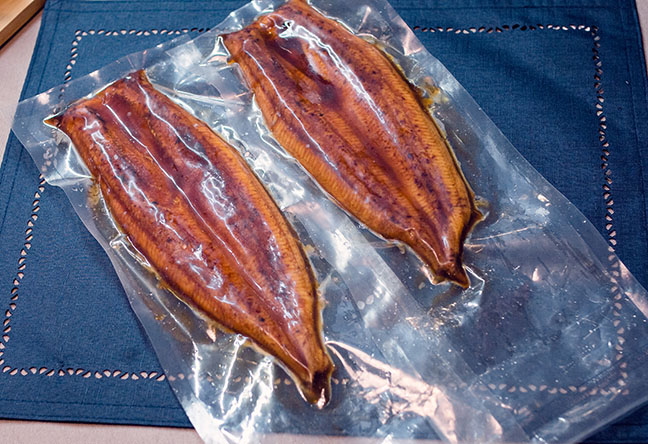
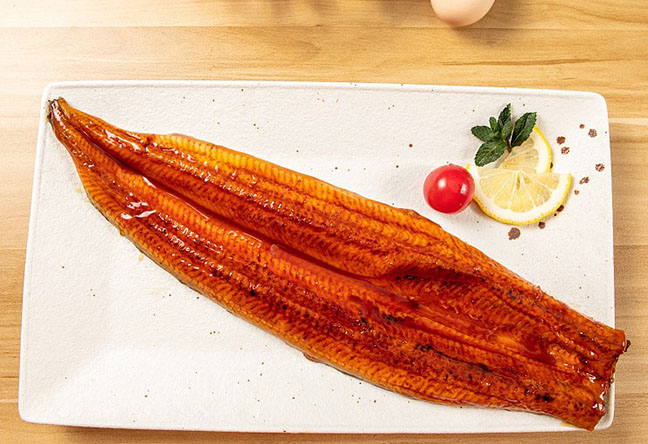
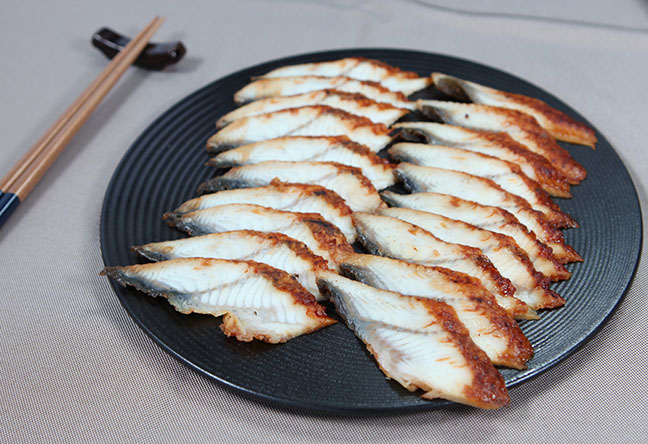
Ankimo and unagi are both rich, but they play very different roles on a menu. Unagi kabayaki is grilled freshwater eel brushed with sweet-savory tare. It is firm, flaky, smoky, and generally served hot over rice. Ankimo is softer, cooler, and better suited to small plates or sushi courses.
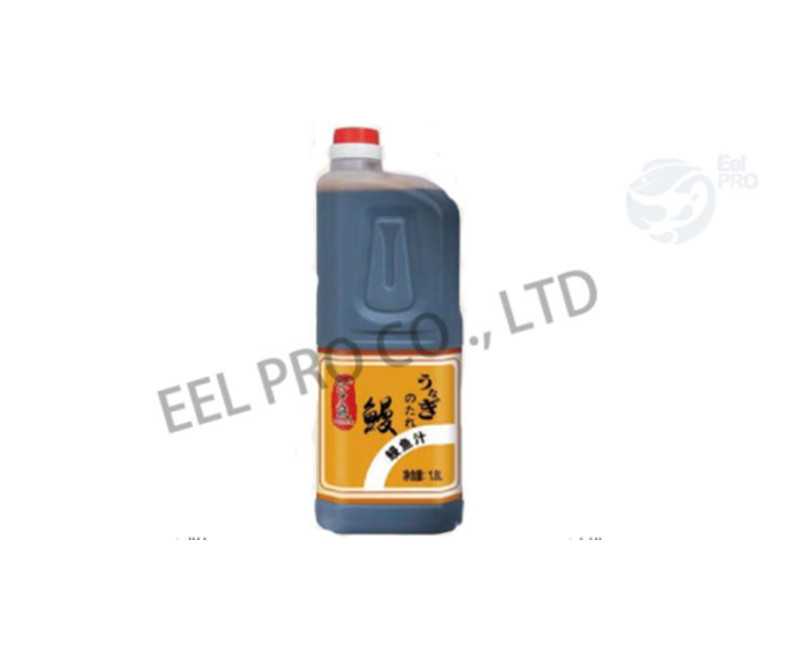
For restaurants creating a Japanese menu, frozen unagi kabayaki can provide a dependable hot entrée, while monkfish liver serves as a specialty appetizer. Eel sauce is also a separate product category; see Eelpro’s eel sauce and unagi tare range for kabayaki applications.
Eel and ankimo are not interchangeable. Their textures, cooking methods, and serving temperatures differ completely. If you are comparing rich seafood menu ideas, Eelpro’s guide to eel flavor pairings for menus offers practical combinations for sushi bars and foodservice kitchens.
Where Eelpro Fits in a Seafood Buying Program
Eelpro Co., LTD focuses on freshwater eel products rather than presenting eel as monkfish liver. Our supply range includes frozen unagi kabayaki, freshwater eels, eel sauce, frozen seafood, and related foodservice products.
For buyers who need a reliable eel program alongside specialty seafood, our unagi kabayaki manufacturer and frozen eel supplier page explains product formats and export support. You can also review the company’s eel laboratory and quality control work or learn more about the Eelpro eel farm.
When requesting a quotation, include the intended market, product type, pack size, target annual volume, delivery port, and required certifications. For a sushi chain, portion control may come first. For a distributor, carton efficiency and shelf life may carry more weight.
FAQ About Monkfish Liver
How is ankimo prepared?
Ankimo is cleaned to remove blood vessels and membrane, then often soaked briefly in sake or salted water. It is shaped, wrapped, steamed until fully cooked, chilled, and sliced. Commercial cooked products may only require refrigerated thawing and portioning. Always follow the supplier’s label, especially for internal temperature and shelf life.
What does ankimo taste like?
It tastes rich, creamy, mildly sweet, and slightly marine. The texture resembles a soft pâté or delicate custard. Fresh, properly handled ankimo should not have a harsh fishy, sour, or ammonia smell. Ponzu, daikon, scallions, and shiso help balance the richness.
How is ankimo served in Japanese cuisine?
It is commonly served chilled as an appetizer with ponzu and grated daikon. It may also be used as ankimo sushi, added to monkfish hot pot, or paired with herbs and seaweed. Small portions are standard because the liver is rich.
Is ankimo raw?
Traditional ankimo is cooked, usually by steaming. Some products may be sold raw or partially processed for professional kitchens, so the label must be checked carefully. Do not serve a raw product as ready-to-eat food without validated preparation and local food-safety approval.
How long does frozen ankimo last?
The answer depends on the product, packaging, and supplier specification. Keep it continuously frozen at the labeled temperature, inspect the package for damage, and use it within the printed best-before period. Once thawed, refrigerate at **0–4°C** and follow the stated use-by time.
Final Thoughts: A Small Portion with a Big Personality
Ankimo is a monkfish liver delicacy with a distinctive place in Japanese food culture. Its appeal lies in the contrast: rich yet refined, soft yet sliceable, deeply savory but brightened by ponzu and citrus.
For home cooks, begin with a small chilled portion and simple garnishes. For restaurants and importers, focus on species information, cooking status, cold-chain records, portion consistency, and documentation.
Interested in building a Japanese seafood menu? Explore Eelpro’s frozen seafood products, request a quotation for unagi kabayaki or eel sauce, and share your favorite ankimo serving style in the comments. If you are comparing Japanese ingredients, our unagi ramen guide is a good next read.

 WhatsApp
 sales@chinaeels.com
 +8619937922411