





Eel Rice Bowl vs Other Donburi: A Menu Guide
The rice is steamed, the grill is hot, and one menu choice can reshape your food cost: should you serve an eel rice bowl, gyudon, katsudon, or another donburi? The right choice comes down to flavor, portion size, preparation time, and the customers you want to attract.
By Lina Chen, Export Foodservice Manager, Eelpro Co., LTD.
What makes an eel rice bowl different?
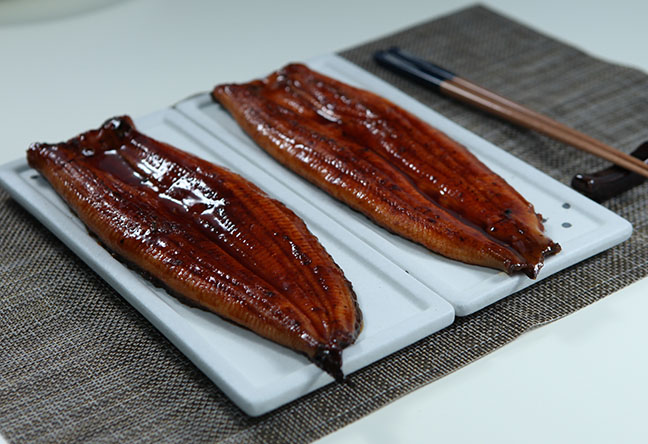
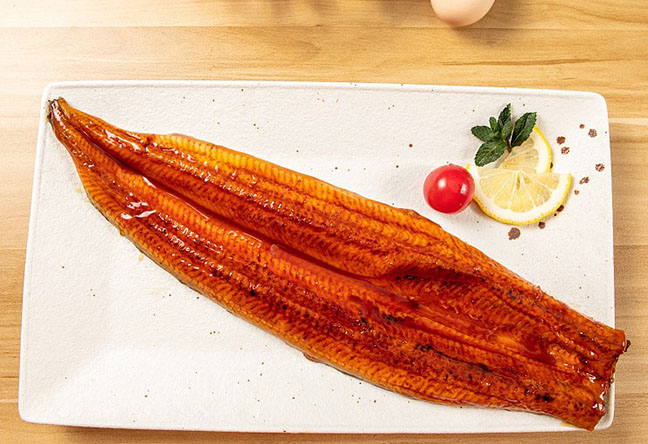
An eel rice bowl centers on grilled freshwater eel, most often prepared as unagi kabayaki. The eel is filleted, cooked, brushed with a sweet-savory glaze, and served over warm Japanese short-grain rice. In Japan, this dish is commonly known as unagi donburi or unadon.
The appeal is immediate: tender, rich eel with a fine, almost buttery texture, balanced by soy, sweetness, and a gentle smoky finish from the sauce. The rice beneath absorbs the glaze, so each bite combines fish, seasoning, and warm rice. It is a fuller, more distinctive experience than a bowl topped with lightly seasoned vegetables or plain sliced meat.
For restaurants, that character gives the menu a clear point of difference. Guests may not remember a generic rice bowl with protein. They are far more likely to remember grilled eel, glossy sauce, toasted sesame, shredded nori, and a bowl of freshly steamed rice.
Unagi donburi, unaju, and the everyday eel bowl
These names can cause confusion on a menu. Unadon usually refers to grilled eel served over rice in a bowl. Unaju is a similar dish, though the eel and rice are often served in a traditional lacquered box. “Eel bowl” is the straightforward English description many overseas diners understand at once.
Restaurants can use any of these names, provided the description is clear. For example: “Grilled unagi kabayaki over steamed Japanese rice with house eel sauce.” It tells guests exactly what to expect without requiring familiarity with Japanese dining terms.
Eel rice bowl vs other popular donburi
Each donburi offers a different mix of food cost, speed, richness, and customer expectation. Use the table below as a practical starting point for menu planning.
| Donburi style | Main flavor | Typical protein portion | Menu position | Service notes |
|---|---|---|---|---|
| Eel rice bowl | Sweet-savory, smoky, rich | 80–120 g cooked eel | Premium seafood bowl | Quick to finish after thawing and reheating |
| Gyudon | Sweet soy, beefy, onion-rich | 80–120 g cooked beef | Accessible everyday meal | Usually simmered in batches |
| Katsudon | Crisp, savory, eggy | One pork cutlet | Comfort-food main | Frying and final egg cooking add labor |
| Oyakodon | Soft, savory, lightly sweet | Chicken and egg | Value-friendly Japanese rice bowl | Best served immediately after cooking |
| Kaisendon | Fresh, cool, delicate | 90–130 g raw seafood | Premium cold seafood option | Requires strict raw-fish handling and display control |
The eel bowl sits somewhere between a grilled entrée and a quick rice meal. It feels special on the table, yet the kitchen does not need to make sauce from scratch for every order. That can make a real difference during a busy Friday dinner service.
Flavor and texture
Gyudon is savory, familiar, and onion-forward. Katsudon brings crunch, egg, and a heavier fried profile. Oyakodon is soft and mild, while kaisendon depends heavily on the freshness and cut of the raw seafood.
The unagi rice dish offers something different: tender flesh, lightly crisped edges when grilled properly, and a glaze that clings to the surface. It is rich enough to feel indulgent, while rice and fresh garnishes keep the bowl from becoming overly heavy.
Speed and kitchen workflow
Prepared frozen unagi kabayaki can fit neatly into a short assembly line. A basic service flow looks like this:
- Thaw the required eel using the approved foodservice procedure.
- Reheat or grill until the product reaches the supplier’s specification and local food-safety requirement. A common benchmark is 74°C internal temperature; always follow local regulations and the product label.
- Cook or hold rice at a safe temperature. For the best texture, serve freshly cooked rice instead of rice held for many hours.
- Place 150–200 g cooked rice in the bowl.
- Add 80–120 g eel, then finish with approximately 15–25 g sauce, depending on the recipe.
- Garnish and serve immediately.
This method is easier to standardize than a raw seafood bowl. It also involves fewer last-minute cooking steps than katsudon, which requires both frying and egg preparation for each order.
What makes an eel rice bowl appealing for restaurant menus?
There are three practical commercial reasons to add this dish.
1. It creates a premium price point
Eel is closely associated with celebration, seasonal dining, and Japanese restaurant culture. A menu can offer a standard bowl, a large bowl, and a combination set without changing the core kitchen process.
For example:
- Standard bowl: 80 g eel, 180 g rice, pickles, and miso soup.
- Large bowl: 120 g eel, 200 g rice, extra sauce, and a soft-boiled egg.
- Set meal: 100 g eel, rice, clear soup, cucumber salad, and seasonal fruit.
These tiers make portion control easy for guests to see. They also allow distributors and prepared-meal brands to create several stock-keeping units from one core product.
2. It photographs well
Glossy sauce, dark grilled skin, pale rice, green scallions, and a small mound of shredded nori create natural color contrast. The bowl does not need elaborate decoration. One or two carefully chosen garnishes are usually enough.
For takeout, choose a container that prevents the rice from becoming compressed. Pack garnishes separately when steam will affect their texture. Sauce can be brushed over the eel before packing, with a small extra portion served on the side.
3. It supports menu variety
The same kabayaki can be used in sushi rolls, bento sets, noodle dishes, and salads. See these ideas for eel rice bowl toppings when planning seasonal additions.
That flexibility is useful for restaurants testing demand before committing to an entire menu section. Distributors can also offer the product to sushi bars, Japanese cafés, hotel kitchens, and prepared-meal factories.
Which ingredients pair best with an eel rice bowl?
The best pairings add freshness, mild bitterness, heat, or acidity. Eel already brings sweetness and fat, so another very sweet sauce can make the dish taste flat.
Reliable toppings and side ingredients
- Sansho pepper: A lightly numbing citrus-pepper aroma that cuts through richness.
- Shredded nori: Adds roasted seaweed flavor without competing with the glaze.
- Scallions: Fresh onion notes brighten each bite.
- Japanese pickles: Their acidity refreshes the palate between bites.
- Shiso leaves: A fragrant, herbal option for a more premium presentation.
- Soft-boiled egg: Works well for customers who enjoy a richer bowl, but use less sauce.
- Cucumber or daikon: Adds crunch and cooling contrast.
- Green tea: A tea-poured version, sometimes called ochazuke-style service, gives guests a lighter second stage.
For a modern Japanese rice bowl, try eel with cucumber, sesame, and a small amount of yuzu kosho. For a family-friendly version, pair it with scrambled egg and steamed vegetables. On a bar menu, smaller eel portions over rice with pickles can work as a compact snack.

How to choose eel and sauce for foodservice
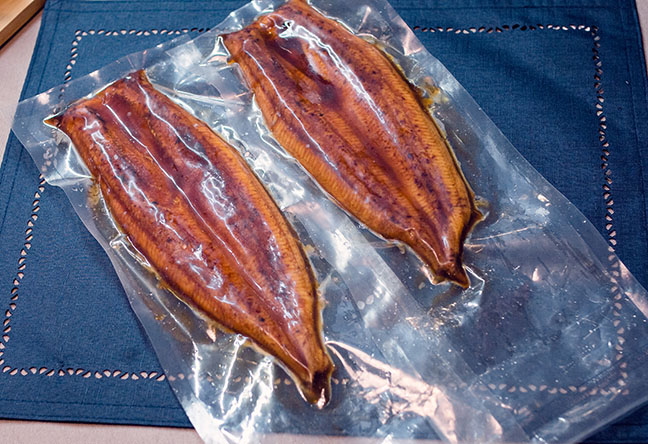
Start with cut and portion specifications, not only the price per carton. Buyers should confirm whether the product is bone-in or deboned, the average piece weight, glaze percentage, packing format, glazing method, and storage temperature.
For consistent bowls, restaurants often prefer individually packed or clearly portioned pieces. A foodservice pack may suit high-volume kitchens, while retail-ready packs can work well for meal kits and smaller cafés. Eel size also changes the final presentation: thinner pieces cook quickly but may appear less generous, while thicker fillets create a more substantial premium look.
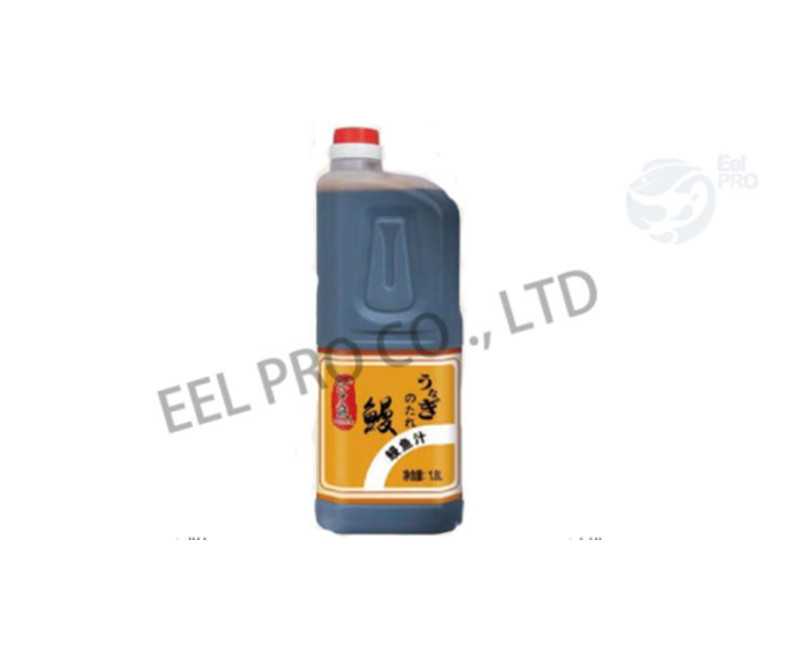
Eel sauce, also called unagi tare, should complement the fish rather than cover its flavor. Compare sweetness, salt level, viscosity, color, and how the sauce performs after reheating. Eelpro’s eel sauce product can be reviewed alongside the kabayaki specification for a closer match between fish and glaze.
For a deeper look at flavor balance, read our guide to kabayaki sauce. A thick sauce may look appealing, but too much viscosity can make rice sticky and overwhelm delicate garnishes.
Cold fact: eel is not automatically ready to eat
Cold fact: “Frozen” describes storage, not serving condition. Even cooked frozen eel must be thawed, reheated, and handled according to the label, HACCP plan, and local regulations. Do not thaw a full carton at room temperature or return unused pieces to the freezer.
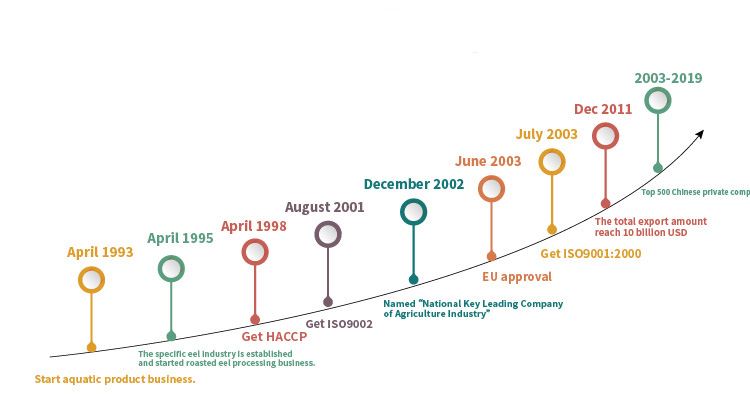
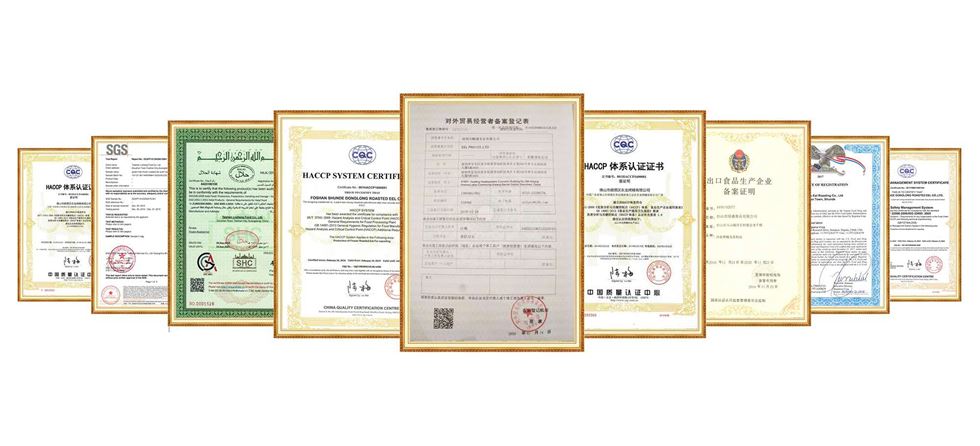
Restaurant buyers should request lot traceability, shelf-life details, allergen declarations, packing information, and any microbiological or export documents required in the destination market. Depending on the country, buyers may also ask for HACCP, ISO 22000, BRCGS, or equivalent food-safety records. Certifications and approvals vary by facility, product, and shipment, so confirm current documents directly before ordering.
Buying checklist for restaurants, distributors, and prepared meals
Before placing a trial order, compare suppliers using the same questions:
- What are the available eel sizes and average net weights?
- Is the eel fully deboned, and what tolerance applies to residual bones?
- What is the sauce-to-fish ratio?
- How many pieces are packed per case?
- What are the recommended thawing and reheating methods?
- Can the supplier provide product specifications, lot coding, and export paperwork?
- What is the minimum order quantity and lead time?
- Can the supplier support private label, foodservice packaging, or mixed frozen seafood orders?
Eelpro Co., LTD supplies frozen unagi kabayaki, eel sauce, freshwater eels, and other frozen seafood for overseas buyers. Buyers can also review the company’s unagi kabayaki manufacturer and frozen eel supplier information, then request the current specification for their market.
Product origin and farming practices deserve attention as well. A supplier’s unagi eel farm information may help buyers understand sourcing, while laboratory testing and quality checks can be reviewed through the eel lab page. These details do not replace an audit, sample test, or local import review, but they make the first supplier conversation more productive.
How does an eel rice bowl compare with other donburi?
How does an eel rice bowl compare with other donburi?
It has a richer, sweeter, and smokier profile than oyakodon or gyudon, with a softer texture than fried pork cutlet. Compared with kaisendon, it is served hot and usually offers a simpler foodservice workflow because the eel is cooked before final reheating. The main trade-off is ingredient cost: eel generally holds a premium position, so portion control and menu pricing are important.
What makes an eel rice bowl appealing for restaurant menus?
The dish has a recognizable Japanese identity, strong visual appeal, and several portion options. A kitchen can use the same kabayaki in bowls, sushi rolls, bento, and noodle dishes. It is particularly useful for restaurants seeking a premium seafood item that can be prepared quickly during service. Consistency matters, however; overcooked eel or an overly sweet glaze can discourage repeat orders.
Which ingredients pair best with an eel rice bowl?
Sansho, nori, scallions, cucumber, pickled daikon, shiso, sesame, and lightly acidic vegetables are dependable choices. Use rich ingredients such as egg or avocado in controlled amounts, because eel and tare already bring fat and sweetness. For a fuller menu, explore eel recipe flavor pairings for additional combinations.
Can frozen kabayaki work for a restaurant rice bowl?
Yes, when the product specification matches the kitchen equipment and the team follows approved thawing, reheating, and holding procedures. Frozen kabayaki can reduce trimming labor and improve portion consistency. Request samples before committing, then test the eel using your actual grill, oven, or microwave process. Texture after reheating matters more than appearance in the carton.
How much eel should be used in one serving?
A practical starting range is 80–120 g cooked eel with 150–200 g cooked rice. A smaller café bowl may use 60–80 g, while a premium large serving may use 120–150 g. Final sizing should reflect local pricing, customer expectations, packaging, and the product’s piece weight.
Final menu recommendation
An eel rice bowl is more than another rice-and-protein dish. It brings smoky grilled flavor, glossy Japanese-style sauce, and a premium seafood story to the menu. Compared with other donburi, it requires more careful purchasing and cost control, but it can also deliver stronger differentiation and support several related products.
Start with one standard bowl, one premium portion, and one seasonal pairing. Test the reheating method, weigh every serving, and ask customers whether they prefer extra sauce, sansho, or fresh toppings. For sourcing support, contact Eelpro Co., LTD about frozen unagi kabayaki, unagi tare, freshwater eels, and frozen seafood. Share your preferred donburi style with us, and explore more how to cook eel methods and tips for your next menu idea.
For background on Japanese food culture, readers may also consult the Japan Ministry of Agriculture, Forestry and Fisheries.


 WhatsApp
 sales@chinaeels.com
 +8619937922411