





Is Eating Eel Good for You? A Complete Nutrition Guide
Is eating eel good for you? Yes—when it is prepared safely and eaten in sensible portions, eel can be a satisfying source of protein, omega-3 fats, vitamin B12, and vitamin A. The details matter, though: sauce, serving size, and cooking method can change the nutritional picture. Glossy unagi over rice can be nutritious, but it is not exactly a light meal.
By Eelpro Food Product Specialist Team

Why eel has a place in a healthy diet
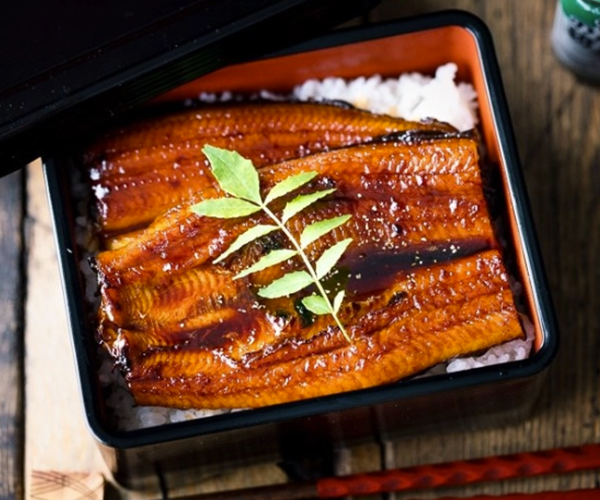
Picture a warm bowl of rice topped with caramelized unagi, chopped scallions, and a pinch of Japanese pepper. The eel is soft, rich, and lightly smoky—the sort of food that feels comforting from the first bite. It also delivers more nutrition than many diners realize.
Freshwater eel is an oily fish. That means it contains more fat than lean fish such as cod or pollock, yet part of that fat comes from long-chain omega-3 fatty acids. Eel also provides complete protein, containing all nine essential amino acids the body cannot produce on its own.
A typical 100-gram serving of cooked eel contains roughly 230–260 calories and about 23–25 grams of protein. Exact numbers vary by species, cut, cooking method, and whether the fillet is coated in sauce. Nutrition databases can differ as well, so use these figures as practical guidance rather than a precise lab result for every fillet.
Eel nutrition at a glance
- Protein: around 23–25 grams per 100 grams cooked, helping support muscle maintenance and normal tissue repair.
- Fat: generally higher than lean white fish, giving eel its tender texture and rich flavor.
- Omega-3 fatty acids: levels vary, but eel can contribute EPA and DHA to the diet.
- Vitamin B12: supports normal red blood cell formation and nervous-system function.
- Vitamin A: plays a role in vision, immune function, and skin health.
- Minerals: eel provides nutrients such as phosphorus, selenium, and potassium in varying amounts.
For buyers and home cooks, one distinction is important: plain eel and prepared unagi kabayaki do not have the same nutritional profile. A fillet grilled without sauce will differ in calories and sodium from one brushed several times with sweet soy-based tare.
Health benefits of eating eel
1. High-quality protein for filling meals
Eel is dense, flavorful, and filling. A 100-gram portion can provide about half of a typical 50-gram daily protein target, although individual needs vary. That makes it a practical option after exercise, in a rice bowl for lunch, or as part of a family dinner with vegetables.
Protein also makes a meal feel more substantial. Pair eel with steamed broccoli, cucumber salad, miso soup, or edamame, and the plate becomes far more balanced than eel and white rice alone.
2. Omega-3 fats in a flavorful package
EPA and DHA are the omega-3 fats most commonly associated with fish. They contribute to normal heart and brain function. Eel is not the only source of these fats, nor should it replace medical treatment, but it can bring welcome variety to a seafood-focused diet.
Because eel is naturally fatty, it stays moist when grilled without requiring much added oil. That is one reason a simply broiled eel fillet can taste luxurious with very little seasoning.
3. Vitamin B12 and vitamin A
Vitamin B12 is particularly important for people who eat little meat or seafood. It supports the nervous system and helps the body produce healthy red blood cells. Vitamin A contributes to normal vision and immune defenses.
One eel meal should not be treated as a cure for a nutrient deficiency. A doctor or registered dietitian should guide supplementation and blood-test decisions. Even so, eel can be a useful food source within a varied diet.
Is unagi kabayaki healthy, or is the sauce the problem?
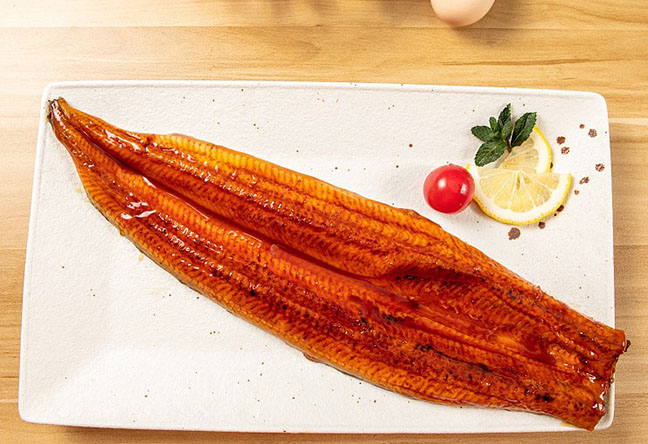
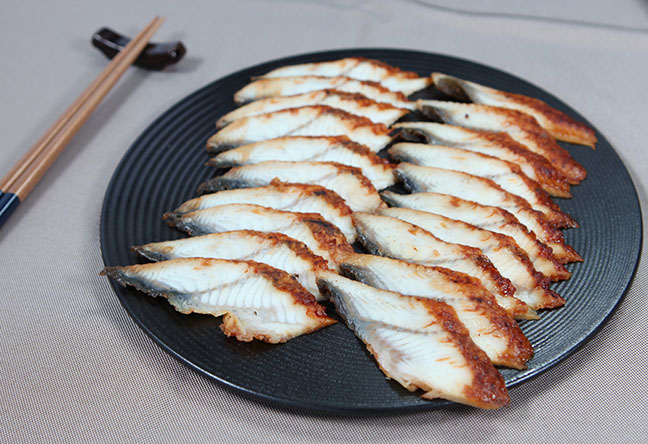
This is where the answer becomes more practical. Unagi kabayaki is usually grilled eel brushed with a sweet-savory sauce. The eel itself provides protein and fish nutrients, while the sauce adds sugar and sodium.
A restaurant serving may have several layers of tare. It tastes excellent, but the rice portion can be generous too. If you are watching calories, carbohydrates, or sodium, ask for less sauce or choose a smaller piece of eel with extra vegetables.
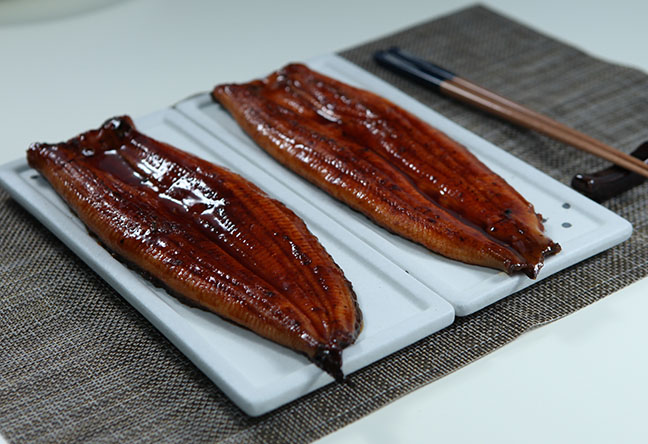
At home, the balance is easier to control. Warm a frozen kabayaki fillet, brush on one thin layer of sauce, then add more at the table only if needed. A small spoonful of tare often provides plenty of flavor.
For menu developers, the same rule applies. Eel can be served as a 60–80 gram sushi portion, a 100-gram donburi portion, or a smaller appetizer alongside pickled vegetables. Portion design changes the nutrition story just as much as the ingredient itself.
Our guide to kabayaki sauce explains how the glaze affects aroma, color, and the final bite.
How many calories are in eel?
Plain cooked eel is often around 230–260 calories per 100 grams. That number climbs with sugary sauce, extra oil, batter, and a large serving of rice. A complete eel rice bowl can easily reach 600–900 calories, depending on portion size and toppings.
That does not make eel “bad.” It simply means eel is a rich fish. Think of it more like salmon or mackerel than a low-fat white fish.
For a lighter home meal, try this approach:
- Use 70–100 grams of eel rather than a very large fillet.
- Serve it over half a bowl of rice and add shredded cabbage or cucumber.
- Use a thin coat of unagi tare instead of flooding the bowl.
- Add soup or vegetables rather than fried side dishes.
For a higher-energy meal, especially after physical work or training, a full rice bowl can be perfectly reasonable. Context matters.
Eel safety: mercury, cooking, and allergies
Mercury levels and seafood variety
Eel is not typically grouped with the largest high-mercury predatory fish, but mercury levels can vary by species, location, age, and farming conditions. Pregnant people, young children, and anyone who eats seafood frequently should follow current advice from their local food-safety authority.
The U.S. Food and Drug Administration’s fish advice is a useful reference for consumers in the United States. Buyers elsewhere should check their own national guidance.
Cook eel thoroughly
Raw freshwater eel is not a casual ingredient. It must be properly processed and cooked. For home preparation, fish should reach an internal temperature of 145°F / 63°C, measured at the thickest part, according to common food-safety guidance.
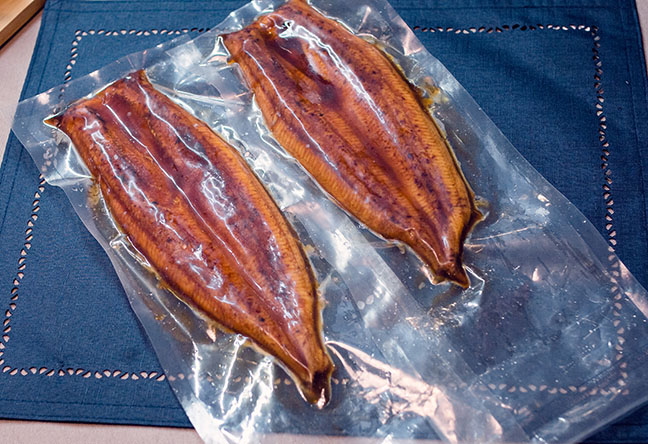
Frozen unagi kabayaki is usually pre-cooked, but it still needs thorough reheating. Follow the package instructions. As a starting point, a thawed fillet may need about 3–5 minutes in a hot pan, or several minutes in an oven or air fryer, depending on its thickness and your equipment. The center should be steaming hot.
Allergies and dietary restrictions
Eel is a fish and can trigger fish allergies. Kabayaki sauce may contain soy, wheat, sugar, sesame, or other ingredients depending on the recipe. Anyone with allergies should read the ingredient statement instead of relying on the dish name alone.
For importers and foodservice operators, request the product specification, allergen declaration, microbiological documentation, and lot traceability before purchase. A responsible seafood supplier should be able to explain its food-safety controls. Eelpro Co., LTD can discuss product specifications and export documentation for frozen unagi kabayaki, eel sauce, freshwater eels, and other frozen seafood. Certification and document requirements can vary by destination, buyer program, and product line; request the records relevant to your market.
Cold fact: eel sauce is not made from eel
Here is a useful bit of kitchen trivia: “eel sauce,” or unagi tare, usually does not contain eel. It is commonly made with soy sauce, mirin or a similar sweet cooking wine, sugar, and sometimes sake or additional seasonings. Its name comes from its traditional use with grilled eel.
That creates a common misunderstanding. A diner may assume the sauce is nutritionally neutral because it is served with fish. In reality, it can be concentrated in sodium and sugar. Treat it as a condiment, not as soup.
If you want to adjust the flavor at home, our eel sauce recipe and storage tips cover consistency, refrigeration, and make-ahead use.
Choosing healthier eel for home cooking
Good results start with the right product. Whether you are buying for a family kitchen or a restaurant, look for clear labeling and a reliable cold chain.
- Choose fillets with a clean appearance and no excessive freezer burn.
- Check the net weight, glaze percentage, origin, production date, and storage temperature.
- Look for intact vacuum packaging without swelling, leaks, or large ice crystals.
- Compare sauce coverage if sodium or sugar is a concern.
- Buy a portion size that suits your menu instead of trimming large pieces after thawing.
Keep frozen eel at 0°F / -18°C or below unless the product label states another requirement. Thaw it in the refrigerator, never on the countertop. Once thawed, cook promptly and avoid repeatedly thawing and refreezing the same package.
Eelpro’s unagi kabayaki manufacturing and frozen eel supply page offers a starting point for buyers comparing product formats, packing options, and supply details. Restaurants may also review the company’s eel laboratory and quality-control information when evaluating a supplier.

Simple ways to enjoy eel without making the meal too heavy
You do not need a restaurant-sized bowl to enjoy unagi. Try a few slices over warm rice with nori, scallions, and a soft-boiled egg. Make an unakyu roll with eel, cucumber, and sushi rice. Or add a small piece to a bento with tamagoyaki and green beans.
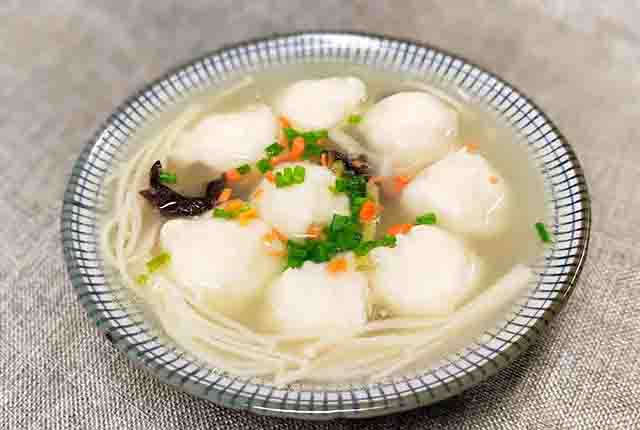
For colder weather, eel works especially well in noodle dishes. Our guide to unagi ramen and Japanese eel noodle soup shows how a small amount of eel can add richness without taking over the bowl.
Another good strategy is pairing this fatty fish with acidity and crunch. Cucumber vinegar salad, pickled ginger, daikon, lemon, or lightly dressed greens help cut through the richness. Avoid piling several sweet sauces onto the same meal.
Who should limit or discuss eel intake?
Most healthy adults can include eel in a varied seafood diet. Personal needs are different, however. People with fish allergies, kidney disease, sodium restrictions, diabetes-management goals, or pregnancy-related dietary questions should speak with a qualified healthcare professional.
People watching calorie intake should measure the portion and count the rice and sauce as part of the meal. Those on a low-sodium diet should check the nutrition panel carefully. A plain grilled eel portion and a heavily glazed restaurant donburi are very different choices.
Variety remains a sensible habit. Rotate eel with salmon, sardines, shrimp, white fish, tofu, eggs, and legumes. That gives your diet a broader mix of nutrients and flavors.
FAQ: common questions about eating eel
Is eating eel good for you every day?
Eel can be part of a healthy diet, but eating it every day may not be the best choice because it is relatively rich in calories and fat, while kabayaki sauce can be high in sodium and sugar. Rotate eel with other seafood and plant-based proteins. Follow local seafood-consumption advice if you eat fish frequently.
Is eel high in omega-3 fatty acids?
Eel contains omega-3 fats, including EPA and DHA, but the amount varies by species, feed, farming conditions, and cooking method. It is a useful source, not a guaranteed substitute for every other oily fish. Product-specific nutrition data should come from the supplier’s specification or laboratory analysis.
Can pregnant women eat unagi kabayaki?
Pregnant women should follow the seafood guidance issued by their local health authority and choose properly cooked products. They should also check mercury advice, serving limits, allergens, and sauce ingredients. When in doubt, consult an obstetrician or registered dietitian.
Is frozen unagi kabayaki already cooked?
Many commercial frozen unagi kabayaki products are grilled or otherwise cooked before freezing, but packaging instructions should always be checked. Reheat until the center reaches at least 145°F / 63°C or the temperature stated on the label. Do not eat the product raw simply because it has been frozen.
Is eel healthier than salmon?
Neither fish is automatically healthier in every situation. Eel is rich in protein, omega-3 fats, vitamin B12, and vitamin A, while salmon also provides protein and omega-3 fats with a different calorie and fat profile. Compare the portion, preparation, sauce, and your own dietary needs.
Final answer: is eating eel good for you?
Yes, eating eel can be good for you when it is properly cooked, served in a sensible portion, and balanced with vegetables or other whole foods. Its protein, omega-3 fats, vitamin B12, and vitamin A make it more than an indulgent topping. The main considerations are its naturally high calorie content, the sodium and sugar in kabayaki sauce, and individual seafood-safety needs.
For your next meal, start with a well-labeled frozen unagi kabayaki fillet, warm it carefully, use a modest amount of tare, and serve something fresh and crisp on the side. Eelpro Co., LTD supplies unagi kabayaki eel, eel sauce, freshwater eels, and frozen seafood for overseas buyers. Contact Eelpro to discuss specifications, packaging, private-label needs, and export supply options—and share your favorite eel dish in the comments.



 WhatsApp
 sales@chinaeels.com
 +8619937922411