





Cooked eel is eel processed with heat before sale, most often by grilling, steaming, and seasoning with kabayaki sauce. In commercial foodservice, it typically arrives frozen, portioned, and ready for reheating, so kitchen teams do not need to prepare raw eel from scratch.
That difference has a direct effect on operations. A sushi bar may require tidy fillets for unagi nigiri, while a meal-kit producer may need smaller pieces in bulk packs with a predictable serving cost. The wrong format can lead to excess trimming, inconsistent portions, and slower service during busy periods.
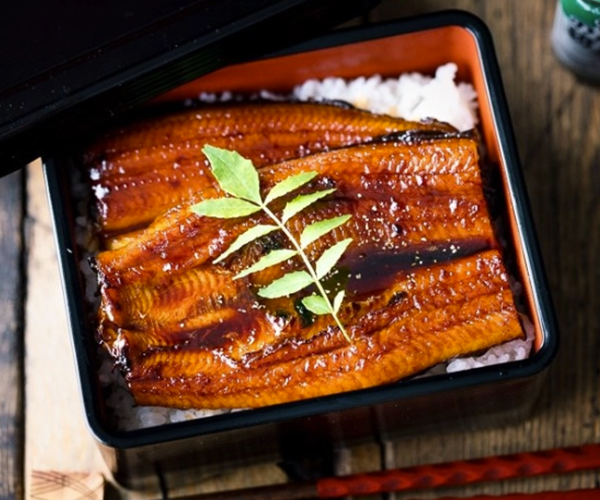
At 6:30 p.m., a restaurant kitchen has little room for inconsistent portions. One fillet may cover a rice bowl neatly; the next may be too short, too thin, or split along the belly. A dependable pack format helps chefs price dishes accurately, forecast yield, and plate orders faster.
For importers and distributors, the choice involves more than visual appearance. Frozen storage, carton configuration, net weight, glazing, labeling, and thawing instructions all influence landed cost and customer satisfaction.
In practice, buyers should define the finished dish and target serving weight first, then choose the product format. Selecting a carton size first and hoping it suits the menu often creates unnecessary rework later.
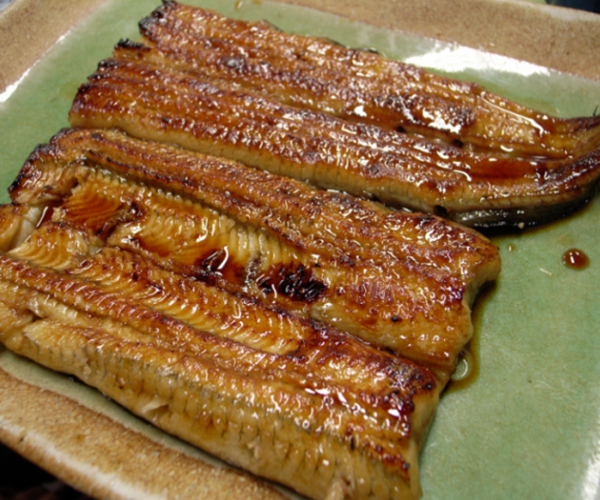
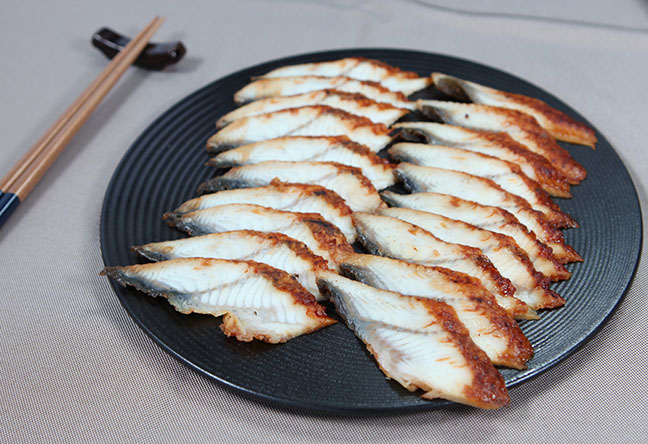
The main cooked eel products sold to overseas buyers include whole or half fillets, cut portions, strips, chunks, and value-added seasoned packs. Unagi kabayaki is the best-known style: eel is cleaned, filleted, cooked, and coated with a sweet-savory tare.
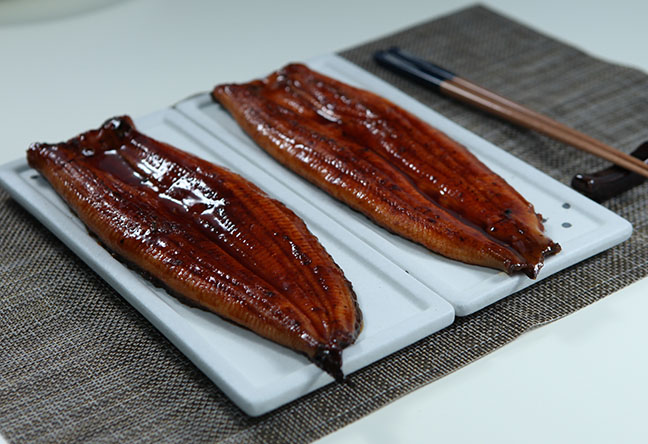
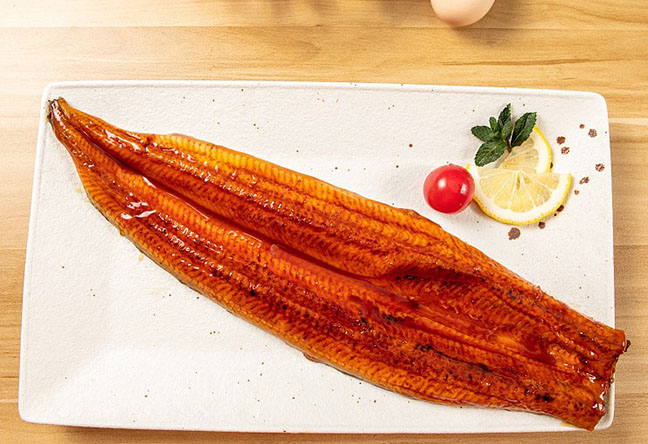
Whole fillets make the strongest visual impression. They are well suited to premium unagi don, bento boxes, and plated Japanese dishes where eel is served over rice as the main protein.
Half fillets are easier to portion and often fit standard restaurant bowls. A half fillet can be served intact, cut into two sections, or sliced for sushi toppings. Buyers should confirm whether the listed weight applies per piece, per pair, or per inner bag.
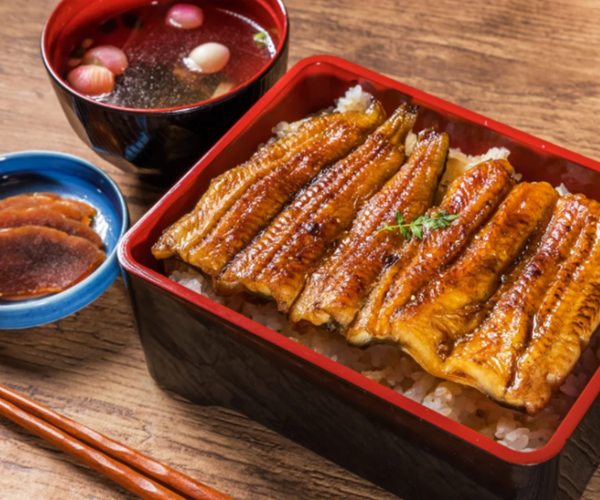
Pre-cut portions are designed for faster service. Common commercial specifications include pieces around 40–60 g for rice bowls and bento, with larger 80–120 g servings for premium plates. Exact sizes vary by supplier and raw material grade, so request a specification sheet instead of relying on a product photograph.
This format works especially well for central kitchens. Staff can remove the required number of portions, reheat them, and plate with rice, vegetables, or noodles without cutting a full fillet.
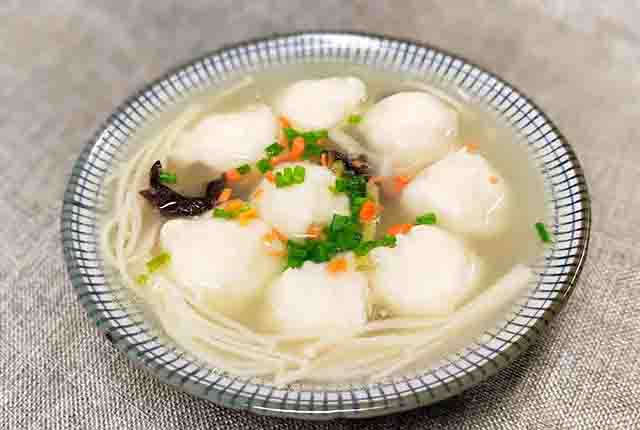
Strips are useful for sushi rolls, salads, noodle bowls, and sandwiches. Smaller chunks can be added to fried rice, savory pancakes, dim sum fillings, or mixed seafood products. They may not command the same visual value as a full fillet, but their cost per serving can be appealing.
These are not automatically “inferior” formats. They are simply a better fit for dishes where eel is spread throughout the serving rather than presented as one large piece.
Understanding eel cuts and portions helps buyers avoid paying for premium presentation when the menu does not require it. The belly and back can vary in thickness and fat content, while tail-end sections are often narrower and better suited to cut-piece applications.
| Format | Typical menu use | Buying point |
|---|---|---|
| Whole fillet | Premium unagi don, plated entrée | Check length, skin-on or skinless status, and visual uniformity |
| Half fillet | Bento, rice bowls, sushi topping | Confirm whether weight is measured before or after cooking |
| 40–60 g portions | Standard donburi, lunch sets, meal kits | Ask about piece-count tolerance per carton |
| 80–120 g portions | Premium restaurant plates and large bowls | Review yield after reheating and sauce coverage |
| Strips or chunks | Unakyu maki, ramen, salads, dim sum | Specify minimum piece size and breakage tolerance |
For sushi, clean edges and consistent thickness often matter more than maximum weight. For donburi, a wider fillet gives better coverage across the rice. In ramen, strips should be easy to pick up with chopsticks and substantial enough to remain visible once broth is added.
Restaurant buyers exploring menu ideas can compare formats with the unagi kabayaki product range. The best choice depends on the dish, target food cost, and intended plate presentation.
Ready-to-eat eel is convenient, but the term does not eliminate the need for proper handling. Many products are fully cooked, frozen, and then reheated by the buyer. Labels should clearly state storage conditions, preparation instructions, net weight, lot identification, and shelf-life information.
Specifications should clearly distinguish gross weight, net weight, drained weight, and sauce weight. A 10 kg carton containing 8 kg of eel and 2 kg of sauce is not directly comparable with a 10 kg carton of eel supplied with sauce in a separate pouch.
A practical quality check should cover thawed appearance, skin condition, flesh firmness, sauce distribution, odor, and the amount of free liquid in the pack. Test samples using the same reheating method used in your kitchen. A product that looks excellent while frozen can soften quickly if overheated.
Cooked unagi packaging generally falls into four groups: individual vacuum packs, multi-piece inner bags, bulk foodservice cartons, and retail-ready pouches. Each format serves a different sales channel and operating model.
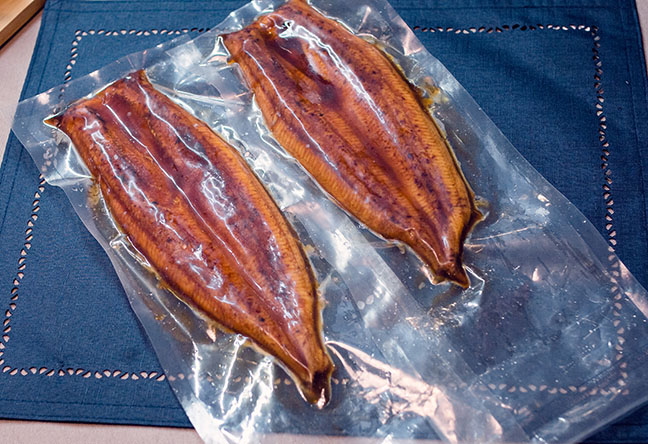
Individual packs are useful for hotels, small restaurants, airline catering, and retail. They limit repeated exposure to air and let staff thaw only the quantity needed. The trade-off is additional packaging material and, often, a higher packing cost per kilogram.
Multi-piece bags may hold several identical portions. They suit medium-volume restaurants that use a fairly predictable number of pieces each day. Buyers should confirm whether pieces freeze together and whether an opened inner bag can be safely resealed.
Bulk packs are generally intended for distributors, central kitchens, and high-volume restaurants. They can reduce packaging costs, but portion control becomes the operator’s responsibility unless the carton contains pre-cut units.
Retail packs require stronger consumer-facing labeling, barcode information, cooking instructions, declared allergens, and language compliance for the destination market. Foodservice packs may instead prioritize case efficiency, freezer storage, and easy kitchen handling.
For export orders, confirm carton dimensions, pieces per case, pallet pattern, container loading plan, and temperature requirements. Ask whether the product uses vacuum film, a heat-sealed pouch, or a tray format. These details affect transport costs as well as cold-storage space.
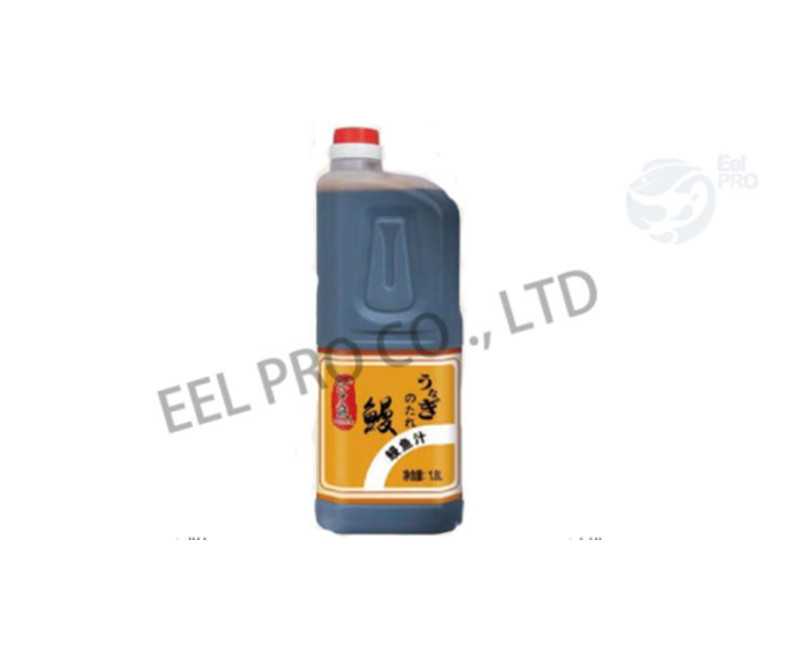
Eelpro also supplies eel sauce, which can be packed with the eel or purchased separately according to the customer’s menu and labeling needs. A separate sauce pack gives kitchens more control over portioning and presentation.
A full fillet is the natural choice for unagi don, but smaller formats create more menu options. Strips can be used in an unakyu roll with cucumber, while chunks can bring a rich, smoky note to ramen or noodle soup.
For menu developers, the eel sushi roll recipe shows why strip dimensions matter. The unagi ramen guide is also useful when planning broth-based applications.
Cut thickness changes the eating experience, even when the species and cooking style remain the same. A thin tail portion absorbs sauce quickly and may have a firmer bite, while a thicker belly section often feels softer and richer.
Always separate eel weight from sauce, glaze, and packaging weight. If two suppliers quote the same carton price, calculate both the cost per kilogram of actual eel and the cost per finished serving.
Photos rarely reveal piece-count tolerance, broken fillets, skin condition, or post-thaw texture. Request production samples and inspect at least five to ten pieces from different packs.
A retail pouch may look attractive but prove inefficient for a busy central kitchen. In contrast, a bulk carton may be economical for a restaurant group yet unsuitable for a small retailer with limited freezer space.
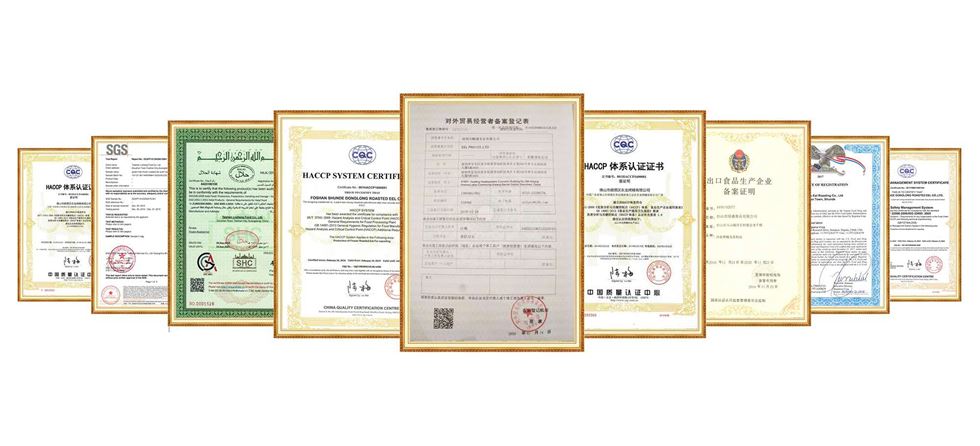
Buyers should also request the supplier’s current food-safety documentation. Depending on the market, this may include HACCP records, ISO 9001 quality-system information, export health documents, allergen declarations, and destination-specific labeling files. Check certification scope and validity for the actual factory and product rather than relying on a company brochure. The ISO 9001 overview explains what a quality management system covers; it is not, by itself, a food-safety certificate.
For traceability, ask whether each carton carries a production date, lot number, factory identification, and best-before date. Eelpro’s eel lab information can help buyers understand the testing and quality-control questions worth discussing before placing an order.
Eelpro Co., LTD supplies frozen unagi kabayaki, freshwater eels, eel sauce, and other frozen seafood for overseas buyers. The company’s unagi kabayaki manufacturer and frozen eel supplier page is a useful starting point for distributors and foodservice importers comparing product categories.
Before requesting a quotation, prepare four details: target market, expected monthly volume, preferred piece weight, and intended menu application. Also specify whether you need retail labeling, foodservice bulk packing, private label support, or separate sauce packaging.
A useful inquiry might read: “Please quote a frozen kabayaki portion of 50–60 g per piece, approximately 10 kg net eel per carton, for restaurant donburi service. Include sauce ratio, storage specification, carton dimensions, sample availability, and production lead time.” Clear requests make supplier comparisons far easier.
Request a sample and format quotation from Eelpro Co., LTD before approving a large shipment. Compare thawed yield, sauce balance, portion consistency, pack handling, and documentation—not only the price per carton.
The main formats are whole fillets, half fillets, fixed-weight portions, strips, chunks, and value-added kabayaki packs. Whole and half fillets suit premium bowls, bento, and plated dishes. Fixed portions help central kitchens manage serving size, while strips and chunks work well in sushi rolls, ramen, salads, dim sum, and meal kits.
Foodservice supply commonly uses vacuum-sealed individual packs, multi-piece inner bags, or bulk cartons. Individual packs reduce handling and support smaller operations. Multi-piece bags suit restaurants with steady daily demand. Bulk cartons can lower packaging costs for distributors and large kitchens, but buyers should confirm net eel weight, sauce weight, case dimensions, storage temperature, and piece-count tolerance.
Choose whole or half fillets when eel is the visual focus, such as unagi don or a premium entrée. Use 40–60 g portions for standard bowls, lunch sets, and bento. Select 80–120 g portions for larger servings. Strips are a practical option for unakyu maki, ramen, salads, and sandwiches, while chunks can reduce costs in mixed dishes and fillings.
Pre-sauced kabayaki is quick and consistent for high-volume service. Separate eel sauce gives chefs more control over sweetness, portion size, and final presentation. The right option depends on the menu, labeling requirements, and kitchen workflow.
Check several packs after controlled thawing rather than reviewing only one frozen sample. Assess flesh firmness, broken-piece rate, sauce coverage, odor, and actual net eel weight. Record results against the agreed specification so future lots can be compared objectively.
Good commercial planning starts with the plate. Decide whether customers will see a full fillet, eat measured pieces in a bowl, or find small strips throughout a roll or noodle dish. Then select the cut, portion, sauce arrangement, and pack size that best fit the operation.
Explore Eelpro’s unagi kabayaki eel products and contact the team for samples, specifications, packaging options, and an export quotation. If you operate a restaurant or distribution business, share your preferred cut and menu application in the comments—or tell us which eel format creates the least waste in your kitchen.


 WhatsApp
 sales@chinaeels.com
 +8619937922411