





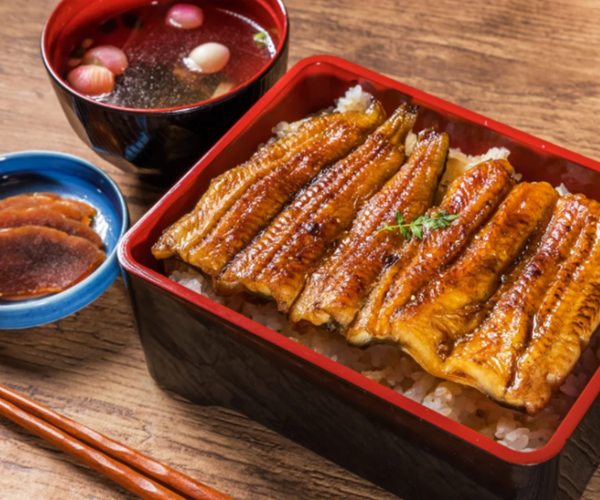
A glossy slice of eel arrives over hot rice, with aromas of soy sauce, caramelized sugar, and charcoal. But what exactly is unagi? Is it a species, a dish, or simply the Japanese word for eel? The distinction matters when reading a menu, buying frozen seafood, or selecting products for a restaurant kitchen.
The definition of unagi has two closely related meanings. In Japanese, unagi generally refers to freshwater eel, especially eels in the genus Anguilla. It can also describe prepared eel dishes, most famously unagi kabayaki: fillets grilled, steamed, or reheated with a sweet-savory sauce.
In other words, unagi is not always the name of one specific species. It is both a Japanese food term and a menu category. The exact eel species depends on the country of origin, fishery or farming system, and product label.
For diners, “unagi” may mean a tender fillet served over rice. For seafood buyers, it can mean a raw whole eel, a boneless frozen fillet, or a fully cooked kabayaki portion. The intended use makes the meaning clear.
The simplest unagi meaning is “freshwater eel” in Japanese cuisine. Still, the word suggests more than a dictionary definition. It brings to mind lacquered tare sauce, soft white flesh, warm rice, and the faintly smoky finish of a grill.
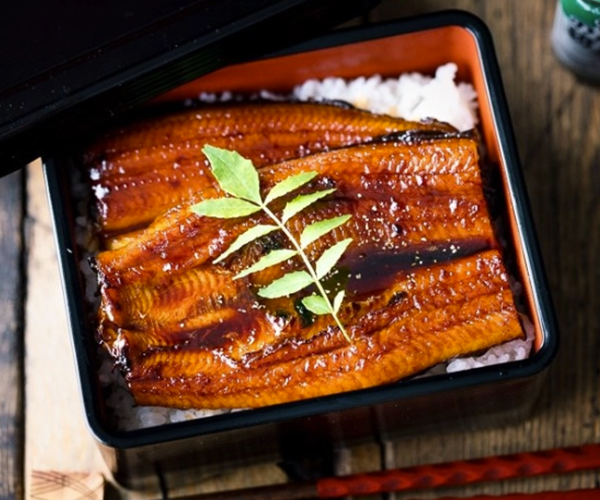
The classic dish is unadon, a bowl of rice topped with grilled eel. When served in a lidded lacquer box, it is often called unajū. Eel also appears in sushi, hand rolls, ramen toppings, donburi, bento boxes, and fusion dishes such as eel tacos or grilled eel salads.
Unagi is traditionally associated with summer in Japan, particularly the custom of eating eel around Doyō no Ushi no Hi, or the Day of the Ox. Rich and satisfying, it is widely enjoyed as a substantial seasonal meal.
In Japanese cuisine, unagi usually means freshwater eel prepared as a cooked dish. Depending on the wording of a menu or recipe, it may refer to the ingredient itself or the finished preparation.
For example, “unagi don” means an eel rice bowl, while “unagi kabayaki” identifies a specific preparation. “Unagi sushi” may refer to nigiri or a sushi roll topped with cooked eel. Freshwater eel is rarely served raw because it requires proper cooking.
Unagi comes from freshwater eels in the genus Anguilla. The best-known species is the Japanese eel, Anguilla japonica, found in East Asia. However, international seafood trade also includes other Anguilla species, including European eel (Anguilla anguilla), American eel (Anguilla rostrata), and shortfin eel (Anguilla australis) in relevant supply chains.
This distinction is important. A menu may simply say “unagi,” but the product specification should identify the scientific name or commercial origin. Buyers should review the product label, catch or farming information, processing site, and applicable import documents.
| Term | Typical meaning | Common food use |
|---|---|---|
| Unagi | Freshwater eel or a prepared freshwater eel dish | Kabayaki, unadon, unajū, sushi rolls |
| Japanese eel | Anguilla japonica | Fresh or frozen eel products, depending on legal supply |
| Anago | Marine conger eel, commonly Conger myriaster | Sushi, tempura, simmered or grilled dishes |
| Kabayaki | A preparation style, not a species | Sliced eel glazed with sweet soy-based sauce |
The phrase Japanese freshwater eel can be confusing in global purchasing. It may refer specifically to Anguilla japonica, or it may be used informally for eel prepared in the Japanese kabayaki style.
Those meanings are not interchangeable. Japanese-style kabayaki can be produced from several freshwater eel species, provided the product meets destination-market requirements and is labeled accurately.
The species used for unagi varies by supplier and market. Anguilla japonica is closely associated with Japanese eel cuisine, while other Anguilla species are also used in commercial frozen eel products.
For B2B procurement, request the following details before approving a shipment:
Eel is generally stored and transported at −18°C or below for frozen distribution. Buyers should also confirm whether the declared net weight includes sauce. A 125 g glazed portion and a 125 g eel-only portion will not produce the same menu cost.
For a closer look at farming and sourcing, see Eelpro’s unagi eel farm information. Product buyers can also review the company’s eel lab page when assessing testing and quality-control procedures.
The unagi vs anago question comes up often, particularly when both appear on a sushi menu. They are different types of eel with distinct textures, habitats, and traditional uses.
Unagi is freshwater eel from the genus Anguilla. It has a rich, oily texture and a firm, meaty bite after cooking. Kabayaki sauce works especially well because the eel’s fat balances the sweetness and saltiness of the glaze.
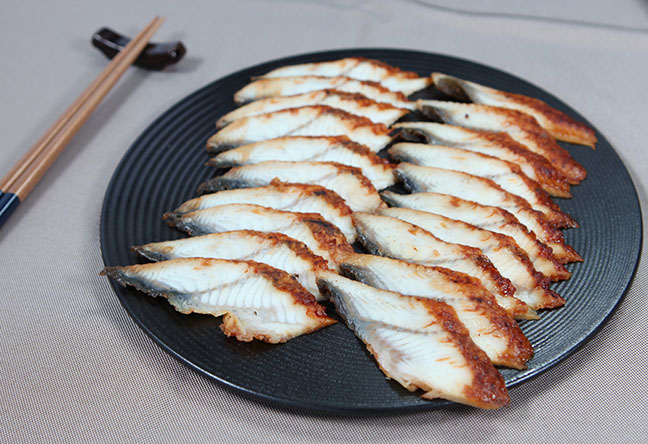
Anago is marine conger eel, commonly associated with Conger myriaster in Japanese cuisine. Its flesh is usually lighter and more delicate. It is often simmered, grilled, or fried as tempura, sometimes with a lighter sauce.
| Feature | Unagi | Anago |
|---|---|---|
| Habitat | Freshwater and migratory environments | Marine or coastal waters |
| Texture | Rich, soft, and oily | Lighter, tender, and less fatty |
| Common sauce | Sweet soy-based kabayaki glaze | Lighter tare, salt, or tempura seasoning |
| Typical menu items | Unadon, unajū, unagi sushi, bento | Anago sushi, anago tempura, simmered eel |
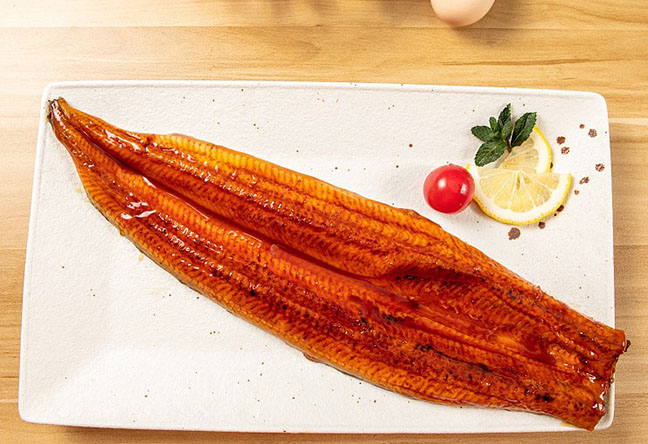
Kabayaki is a cooking style, not a species name. Traditionally, eel is opened, deboned, cut into fillets, and grilled while being brushed with tare sauce. Many commercial products are steamed before final grilling, which creates a softer texture and helps the sauce adhere to the surface.
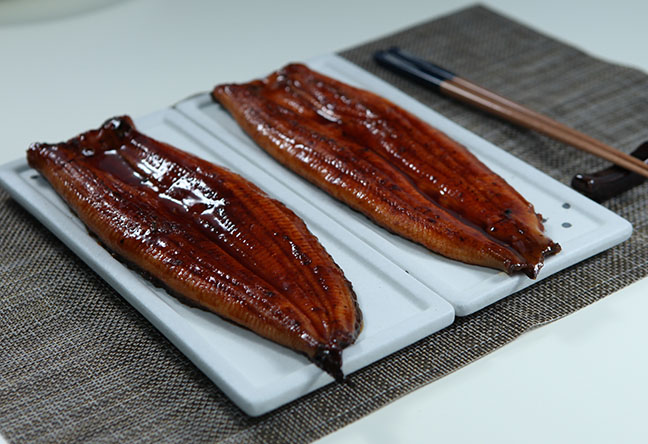
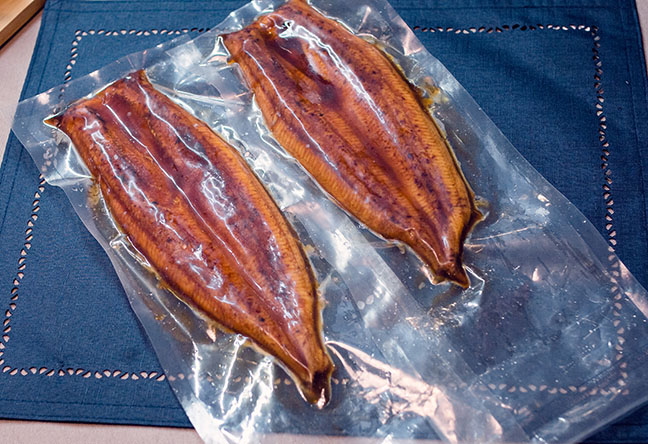
For restaurants, frozen unagi kabayaki makes portion control easier. A foodservice kitchen can thaw the required number of pieces, reheat them in an oven, salamander, grill, or microwave, then finish with additional sauce. Reheating time depends on the fillet thickness and equipment, but many kitchens work within 3–8 minutes after thawing.
Do not judge a fillet by color alone. A very dark surface may indicate a heavier glaze rather than a richer eel flavor. Check the eel-to-sauce ratio, bone count, cut shape, and whether the fillet holds together cleanly when lifted with chopsticks.
Eelpro’s unagi kabayaki manufacturer and frozen eel supplier page is useful for buyers comparing commercial formats, while the unagi kabayaki eel page presents another product route for menu planning.
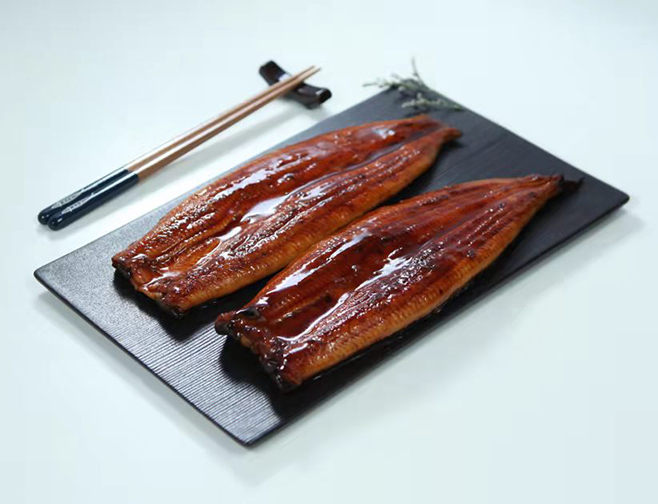
At home, unagi is one of the easier premium seafood ingredients to serve when purchased fully cooked. Warm the fillet gently, cut it into strips, and place it over steamed short-grain rice. Sliced green onion, toasted sesame, sansho pepper, and shredded nori all pair well with it.
For restaurants, the same product can support several menu formats:
See these practical eel recipes for menu inspiration. For a familiar Japanese presentation, the eel sushi roll recipe shows how cucumber can balance the fish’s richness.
Unagi tare is usually made from soy sauce, sugar, mirin or a similar sweet seasoning, and sometimes sake or other flavoring ingredients. It should be sweet enough to complement the eel without masking its natural flavor.
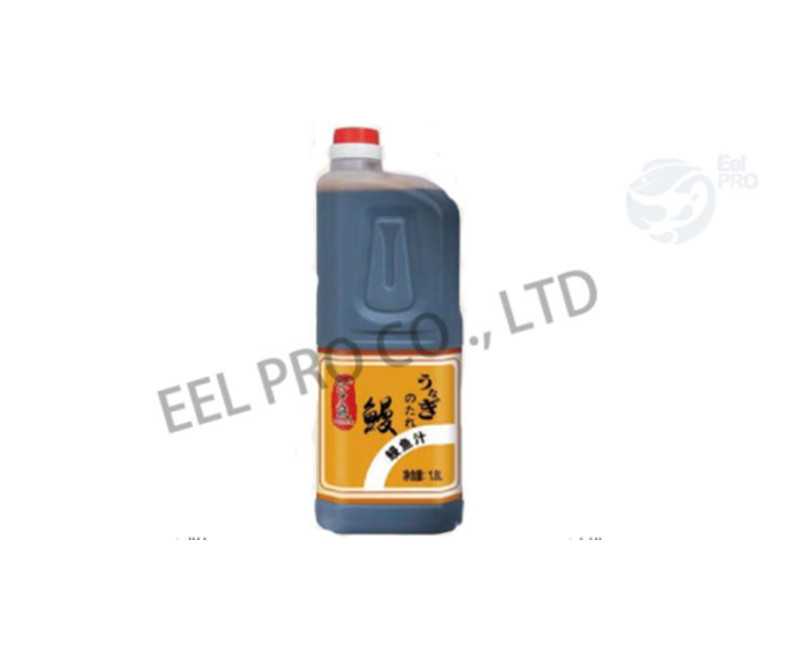
When buying sauce in bulk, check viscosity, salt level, allergen labeling, bottle size, and whether it is intended for glazing or table service. Eelpro supplies eel sauce for commercial use and menu development.
A practical kitchen test is simple: brush the sauce onto a small portion, heat it, and taste it with the exact rice used in service. A sauce that seems balanced from a spoon may become too salty after reduction or too sweet beside seasoned sushi rice.
When comparing suppliers, product form often matters more than the word “unagi” on the front label. Build the specification around the final menu application and the cooking equipment available in the kitchen.
Some importers also request an ISO 9001 certificate for the supplier’s quality-management system. ISO 9001 does not prove that every eel product is safe on its own; it indicates that the supplier follows a documented management framework. Food buyers should still request HACCP plans, process controls, and product-specific test records. The official ISO 9001 information explains the standard’s scope.
For U.S. shipments, buyers should also review applicable FDA food-import requirements. In other destinations, local rules may cover species labeling, veterinary certificates, additives, allergens, and endangered-species trade controls. Documentation must always match the actual product.
Cold fact: freshwater eels have a complex life cycle. Adult eels migrate to ocean spawning areas, while young eels later move toward rivers and coastal waters. This is one reason eel supply, regulation, and traceability require careful attention.
Avoid this mistake: treating “unagi” and “anago” as interchangeable. A customer expecting rich, fatty kabayaki may be disappointed by a lighter marine conger eel. List the species or product style clearly on menus and purchase orders.
Another common mistake is overheating cooked eel. Excessive heat can dry out the thin tail section and burn the sugar in the glaze. Reheat gently, then finish briefly under a grill if a fresh charred aroma is desired.
In everyday Japanese food language, unagi means freshwater eel. In English seafood trade, however, “eel” is a broader term that may include freshwater eels, conger eels, moray eels, and other eel-shaped fish.
Therefore, unagi is eel, but not every eel is unagi. Confirm the product species and preparation before purchasing.
Unagi means freshwater eel and may also describe dishes made from it. The best-known preparation is unagi kabayaki, in which eel is grilled or steamed, coated with sweet-savory tare, and served with rice.
Unagi is the Japanese culinary term for freshwater eel, especially species in the genus Anguilla. English uses “eel” more broadly, so the terms are related but not always identical in a seafood catalog.
Japanese eel, Anguilla japonica, is one important species. Commercial unagi products may also use other Anguilla species, depending on legal sourcing, farm origin, and market labeling requirements. Ask the supplier for the scientific name.
No. Anago usually refers to marine conger eel, while unagi refers to freshwater eel. Their fat content, texture, flavor, and traditional menu applications differ.
Most fully cooked frozen kabayaki products should be reheated before service. Follow the supplier’s instructions, keep the cold chain at −18°C or below, and heat the center thoroughly without scorching the sauce.
Once the terminology is clear, choosing the right product is much easier. Confirm the species, portion size, glaze ratio, cooking status, and required documents before placing an import order.
Eelpro Co., LTD supplies frozen unagi kabayaki, unagi tare, freshwater eels, and other frozen seafood for international buyers. Request product specifications, packaging options, or a quotation for your restaurant, distributor, or retail program. For more cooking ideas, browse our frozen seafood range and share your favorite unagi dish in the comments.



 WhatsApp
 sales@chinaeels.com