





The sushi arrives warm, glossy, and faintly smoky. It is not raw tuna or salmon. The dark, lacquered topping is freshwater eel brushed with sweet soy sauce. This is eel cooked sushi, and the Japanese names on a menu can be confusing when you are ordering for the first time or planning a foodservice menu.
In Japan, cooked eel appears as nigiri, rolls, hand rolls, rice bowls, pressed sushi, and toppings in set meals. Menu wording may include unagi, kabayaki, maki, or unakyu. Each term points to the eel itself, its cooking style, or the way it is served.
For sushi customers, the appeal is straightforward: tender flesh, a warm grilled aroma, and a sweet-savory glaze that pairs naturally with vinegared rice. Restaurants and distributors have more practical questions. Is the eel fully cooked? Is it boneless? What is the portion size? How should it be thawed and reheated?
By Chen Wei, Export Food Quality Specialist at Eelpro Co., LTD. Our team works with freshwater eel, frozen unagi kabayaki, eel sauce, and foodservice packing for overseas buyers.
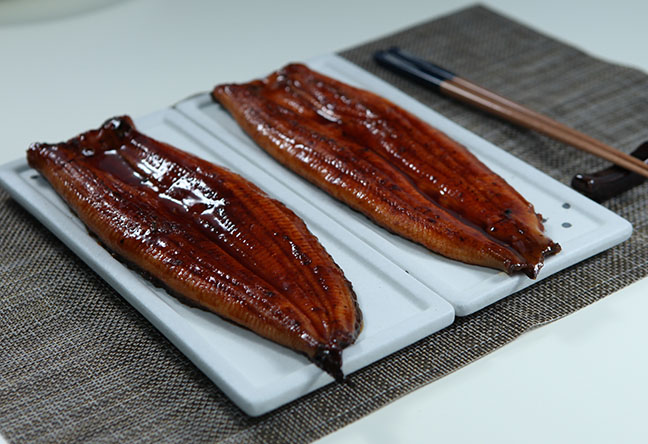
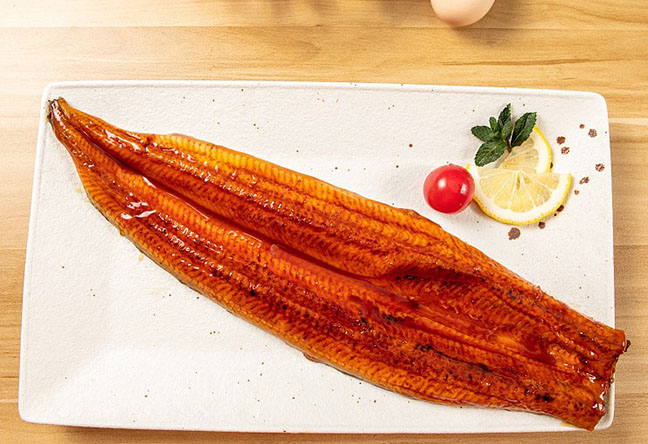
Unagi means freshwater eel. In sushi restaurants, it usually refers to eel prepared as kabayaki: filleted, grilled, coated with a sweet soy-based sauce, then grilled again until the surface is shiny and lightly caramelized.
A menu may list the same basic ingredient in several ways:
For buyers creating English-language menus, “grilled freshwater eel nigiri” is clearer than simply writing “eel sushi.” The Japanese term can remain in parentheses: Grilled Unagi Nigiri. This approach helps both customers familiar with Japanese cuisine and those trying the dish for the first time.
Raw fish and cooked eel create very different sushi experiences. Salmon and tuna are generally served chilled or cool, with a clean, delicate finish. Kabayaki eel is typically reheated before service. It brings more richness, more sweetness, and a fuller grilled aroma.
When handled properly, the texture is soft without becoming mushy. The flesh should separate easily with chopsticks while still holding its shape on the rice. A dry, fibrous piece may have been overheated. A watery piece may have been thawed poorly or held too long after opening.
The cooking method also shapes customer expectations. Someone ordering salmon nigiri may expect a cool raw slice. A guest ordering cooked eel sushi generally expects:
That makes eel a useful menu choice for diners who enjoy sushi rice and nori but prefer not to eat raw fish. It also fits family restaurants, airport foodservice, bento production, and takeaway counters.
Unagi nigiri is perhaps the clearest example of sushi with cooked eel. A chef places a rectangular piece of kabayaki over rice, sometimes securing it with a narrow strip of nori. The piece may be finished with extra eel sauce, sansho pepper, or a small dab of wasabi.
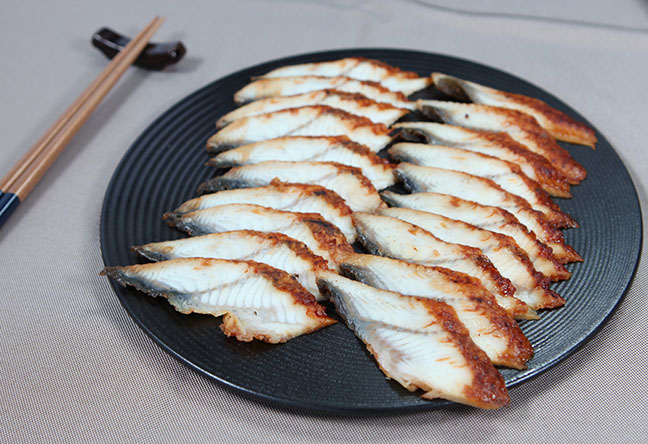
The eel should cover most of the rice without being so large that it slips off. For foodservice, consistent cuts matter. A strip around 18–25 grams is common for a substantial nigiri, although portion size varies by restaurant concept and selling price.
Because the sauce already contributes salt and sweetness, the rice seasoning should not be overly sharp. A balanced piece brings together three notes: vinegar from the rice, savory sweetness from the tare, and grilled richness from the eel.
Unakyu is one of the best-known eel sushi rolls. Cucumber adds coolness and crunch, cutting through the soft, fatty eel. On contemporary international menus, the roll may also include sesame seeds, shiso, or a small amount of mayonnaise.
Traditional-minded operators often keep the filling simple: eel, cucumber, sushi rice, and nori. That leaves the kabayaki seasoning as the main flavor. A roll is usually cut into 6 or 8 pieces, which makes it practical for combo platters and lunch boxes.
For reliable results, cut the cucumber into narrow, even batons and keep it dry. Excess moisture can loosen the rice and cause the nori to lose its crisp bite.
A hand roll is assembled close to serving time, so the nori stays crisp while the warm eel and rice create a soft center. This format works especially well in casual sushi bars, food halls, and made-to-order counters.
Temaki fillings may include cucumber, avocado, scallion, or pickled daikon. The right choice depends on the menu style. When the eel sauce is sweet and rich, fresh cucumber or scallion helps keep the bite bright.
In some regions, eel is served as pressed sushi. The chef places eel over a compact block of rice, presses the layers together, and cuts the block into rectangular portions. This format travels better than loosely assembled nigiri, making it suitable for premium bento and chilled display cases.
Seasonal sushi sets may also pair eel with tamago, shrimp, octopus, or vegetable rolls. Customers get a cooked option while still enjoying the broader sushi experience.
The flavor profile depends on the eel, grilling time, and sauce formula. Well-made kabayaki has a gentle smoky note, rich yet clean fat, and a sweet-savory finish. The sauce commonly contains soy sauce, sugar, mirin or a similar sweet cooking wine, and sometimes sake or caramelized stock.
Japanese restaurants may serve sansho, a fragrant Japanese pepper, alongside eel. It has a citrus-like aroma and a gentle tingling sensation. It is not the same as hot chili powder. Even a small amount can stop the sauce from tasting too sweet.
Some menus use only a light brush of tare, while others coat the eel generously. International operators should taste the eel with the rice rather than on its own. A sauce that seems intense on a fork may taste balanced once rice and nori are included.
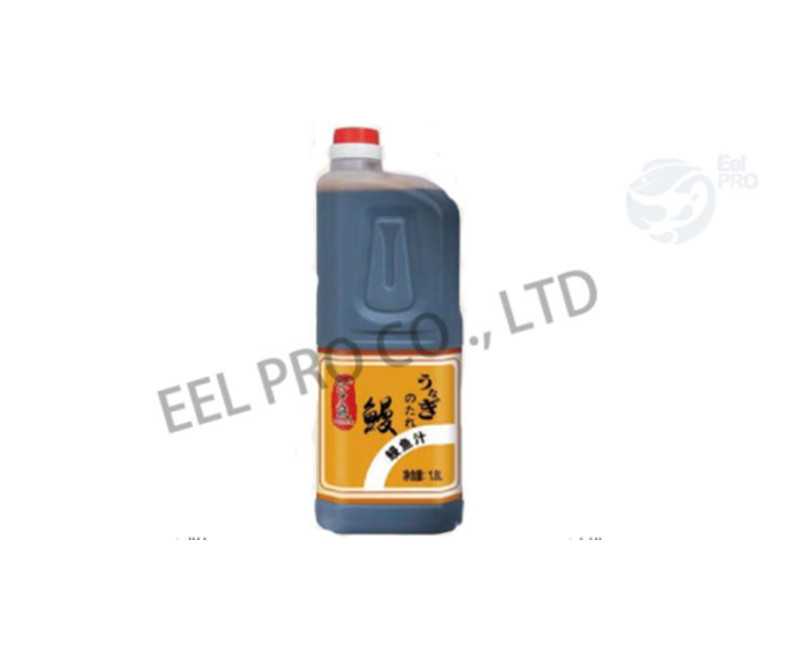
For a deeper look at sauce style and how it affects grilled eel, see our guide to kabayaki sauce. Buyers who need a ready-to-use option can also review Eelpro’s eel sauce product range.
One common source of confusion is the difference between unagi and anago.
| Menu term | Meaning | Typical preparation | Flavor and texture |
|---|---|---|---|
| Unagi | Freshwater eel | Often kabayaki-grilled | Rich, soft, sweet-savory |
| Anago | Conger eel, a saltwater eel | Often simmered, grilled, or brushed lightly | Lighter, more delicate, less fatty |
| Kabayaki | A preparation style | Filleted, grilled, sauced, and grilled again | Smoky, glossy, caramelized |
A menu that says “eel kabayaki nigiri” describes both the ingredient and the preparation. “Unagi sushi” identifies freshwater eel but may not explain whether it is grilled, rolled, or served over rice. For export catalogues and restaurant training sheets, naming both details helps reduce customer questions.
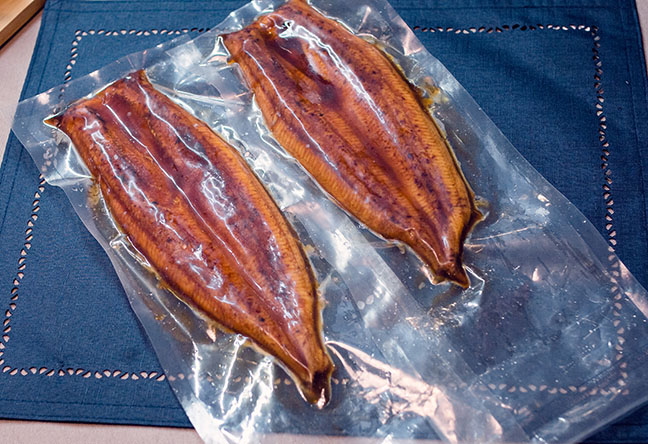
Eelpro supplies unagi kabayaki in frozen formats for restaurants and distributors. Check product specifications by pack, as cut style, weight, glazing, and packing method can vary between foodservice programs.
This is not a recipe guide, but handling has a direct effect on what reaches the customer. Frozen kabayaki is commonly thawed under refrigeration, then reheated before portioning. The exact method depends on the operation: steam, oven, salamander, microwave, or grill.
Include the following points in the purchasing and kitchen specification:
International buyers should request the product data sheet, ingredient declaration, allergen statement, net weight, glazing information, carton details, and shelf-life conditions. Depending on the destination market, import documentation and labeling rules may require additional information.
Eelpro’s production and export programs can be discussed alongside food-safety documentation such as HACCP-based controls, traceability records, and applicable ISO 22000 or BRCGS documentation where available for the selected product line. Buyers should request current certificates rather than relying on a general website statement. Our eel lab and unagi eel farm pages provide more background on sourcing and quality work.
A low price can seem attractive until the kitchen loses time trimming portions, removing excess sauce, or dealing with uneven cuts. For restaurants and distributors, it pays to compare the full specification.
Ask whether the product is a whole fillet, half fillet, cut portion, or sushi-ready piece. Measure several pieces from a carton. A practical tolerance might be within ±5–10% of the declared piece weight, but the agreed specification should be written into the purchase order.
Kabayaki is usually processed to remove the backbone and many pin bones. Freshwater eel is still a bony fish, however, and tiny residual bones can occasionally remain. Staff should inspect portions before service, particularly when the menu targets children or older customers.
Most unagi tare contains soy sauce. Some formulas also contain wheat, alcohol, sesame, or other ingredients. A “sweet sauce” description is not enough for an importer. Request the complete ingredient and allergen declaration, then check it against the destination country’s labeling rules.
Thicker, richer cuts work well for nigiri and donburi. Smaller portions can suit maki, bento, and combination platters. If the operation also serves noodles or hot dishes, one frozen eel specification may support several menu applications. Eelpro’s unagi kabayaki manufacturer and frozen eel supplier information is useful when comparing formats for a wider menu.
Cold fact: “Eel sushi” does not automatically mean raw eel. In Japanese restaurants, unagi sushi is normally cooked because raw freshwater eel is not considered safe to serve. The preparation makes the product suitable for the plate, not freezing alone.
Avoid this menu mistake: Do not list unagi as “raw eel” simply because it appears in the sushi section. That wording can alarm customers and misrepresent the dish. Use “grilled freshwater eel,” “kabayaki eel,” or “cooked unagi” instead.
Another common mistake is heating kabayaki until the edges become hard. Eel does not need aggressive cooking after it has already been prepared. Short, controlled reheating usually protects its soft texture better than prolonged high heat.
Operators should also avoid promising “completely boneless” unless the exact product specification and inspection process support that claim. “Deboned” is more accurate, while normal food-safety checks are still required.
It is commonly called unagi sushi when freshwater eel is used. The exact menu name may be unagi nigiri, unagi maki, unakyu, or unagi temaki. When the menu emphasizes the preparation, it may say kabayaki unagi or grilled eel sushi.
Cooked eel is sliced into toppings for nigiri, rolled with cucumber or avocado, wrapped in nori as temaki, or pressed over sushi rice. It can also be served alongside sushi in a set meal. The eel is generally reheated before service and brushed with unagi tare for a glossy sweet-savory finish.
When a Japanese menu says unagi, the eel is normally cooked, most often as kabayaki. Freshwater eel should not be served raw. Do not confuse unagi with anago, a different saltwater eel that is also commonly cooked, simmered, or grilled.
Yes. Unagi works in rolls, nigiri boxes, pressed sushi, and bento. The operator must control refrigeration, reheating, holding time, and cross-contact. Product labeling should clearly state storage and handling requirements.
Unagi tare, often called eel sauce, is the usual choice. It is sweet, salty, and slightly thick. Some chefs add sansho pepper for a citrusy lift. The amount should match the eel’s existing seasoning and the acidity of the sushi rice.
Eel cooked sushi is more than a single dish name. It can be a two-bite nigiri, a cucumber roll with a crisp contrast, a hand roll for casual service, or part of a premium bento. Its appeal comes from contrast: warm grilled eel, cool or room-temperature rice, glossy sauce, and often a touch of sharp cucumber or fragrant pepper.
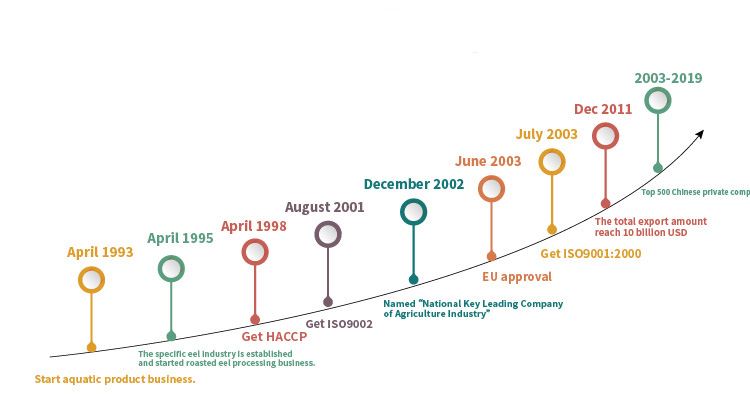
Eelpro Co., LTD supplies frozen unagi kabayaki, eel sauce, freshwater eels, and other frozen seafood for overseas buyers. Contact us for product specifications, pack sizes, export documentation, and a quotation suited to your menu. If you are testing new dishes, explore our eel sushi roll recipe for unakyu maki and share your favorite eel sushi format in the comments.
For general food-safety reference, buyers can review the Codex Alimentarius food standards and confirm destination-market requirements with their local authority.


 WhatsApp
 sales@chinaeels.com
 +8619937922411