





You crack the oven door. A caramel-sweet, smoky cloud rolls out like an invisible tide. That’s what baked eel does—it announces itself. No polite little scent, just a warm, savory wallop that makes you lean in and breathe deeper. Before you even taste it, you already know this isn’t ordinary seafood.
I’ve spent the last seven years working with imported baked unagi from our farms to kitchens across North America and Europe. Along the way, I’ve tasted charred edges, over-sauced disasters, and a few perfect fillets that practically cried. Here’s exactly why oven-baked eel earns its place on a menu, what your palate should expect, and how to make it play nicely with other ingredients.
If I had to capture baked eel in three words: sweet fat, quiet brine, and roasted caramel. Not like candy—more like a warm brown sugar-and-soy lacquer that’s been kissed by fire.
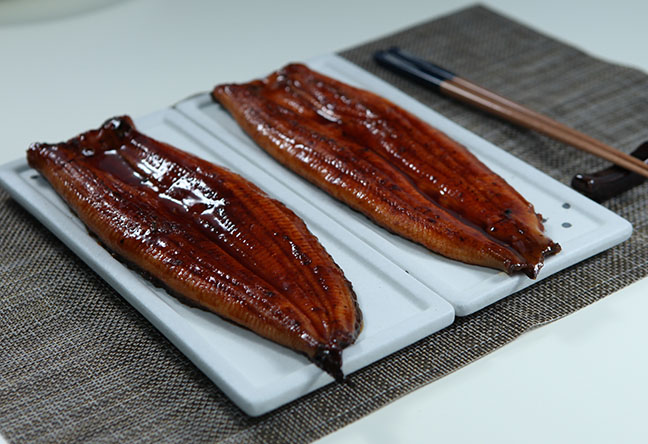
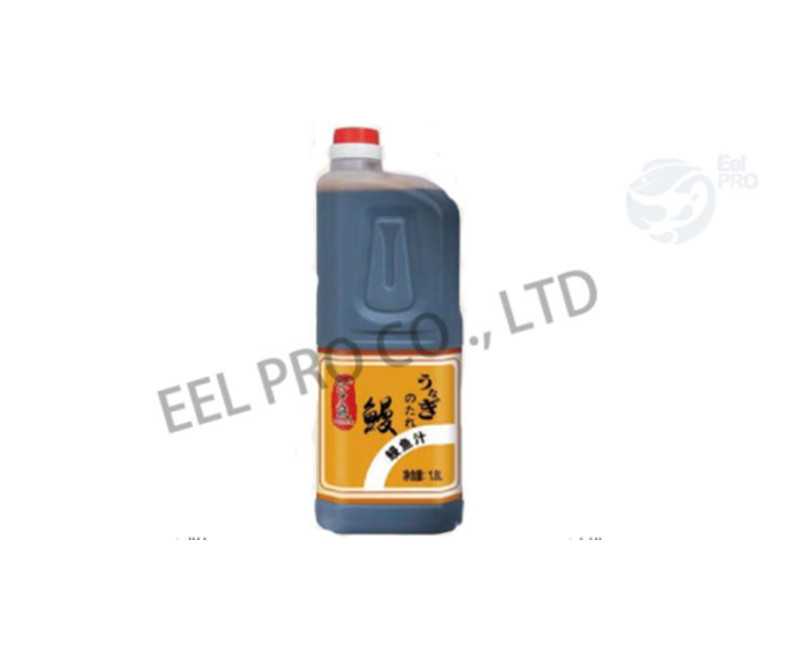
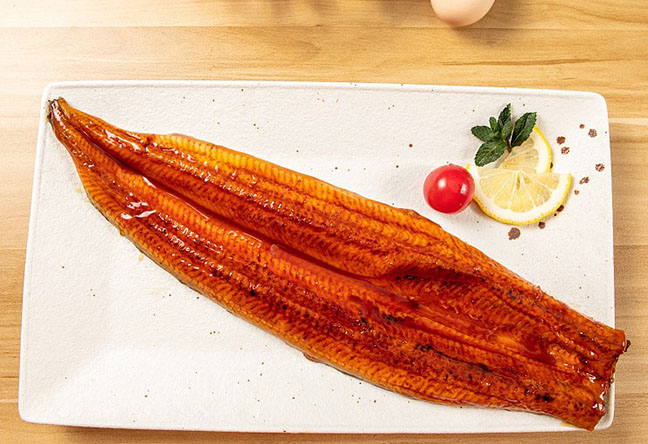
The first bite hits you with a coating of authentic eel sauce (unagi tare) that’s been painted on in several layers. Real traditional tare is slow-simmered for hours, blending soy sauce, mirin, sake, and sugar until it’s a sticky, dark syrup. Under heat, the sugars caramelize and the glutamate-rich soy amplifies the eel’s own umami. You get a wave of savory richness that’s almost beefy, but lighter—like a tender, fatty fish that swallowed a bit of smoked butter.
There’s also a faint earthiness. Farmed eels swim in freshwater ponds, and the best ones carry a whisper of clean mineral flavor, never muddy. When we tested over 200 loins from our sustainably farmed eels, the winning samples consistently hit a 71-73% moisture content after baking. That’s the sweet spot where fat stays juicy and the texture doesn’t turn to mush.
Fresh eel texture is a strange, beautiful thing. Raw, it’s tough and sinewy—full of cross-hatched muscle and connective tissue. But apply heat and time, and that toughness transforms into spoonable tenderness.
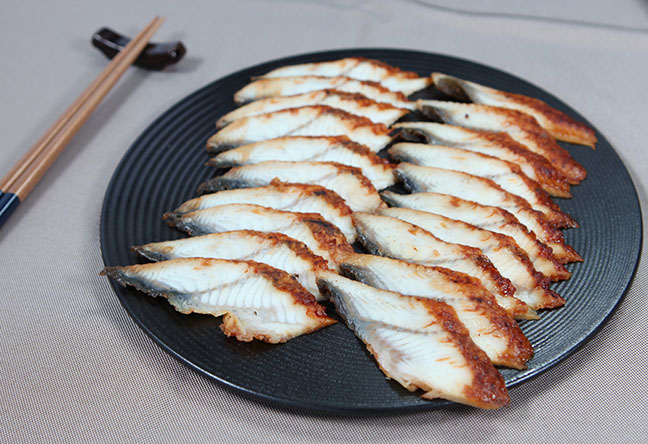
Oven-baked eel doesn’t get the intense direct flame of a charcoal grill. Instead, it relies on steady hot air to gently break down collagen into gelatin. Those muscle layers soften but don’t fall apart. You end up with a fillet that bites cleanly—a slight pull, then a melting release. The outer edge, especially if it’s been brushed with sauce and broiled for the last 2 minutes, forms a tacky, almost glassy crust. Inside, the flesh remains buttery but not flaky. It’s a texture reminiscent of braised short rib, just with a far lighter chew.
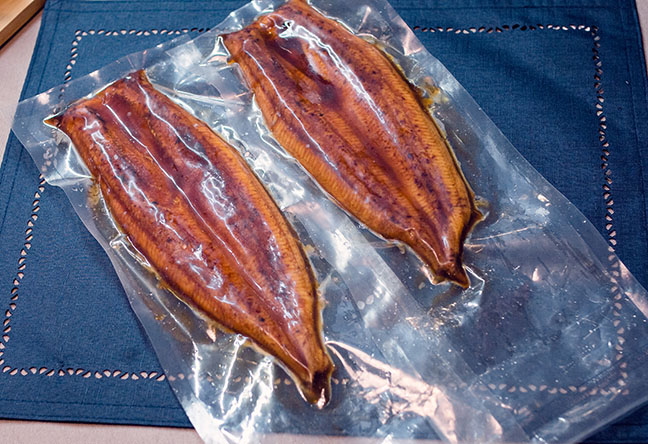
A rookie mistake: baking at 220°C (430°F) for over 12 minutes. I’ve seen it. The eel dries up, the collagen seizes, and that luxurious mouthfeel turns stringy. Stick to 185–200°C (365–392°F), and if you’re working with a frozen pre-sauced fillet like our premium frozen unagi kabayaki, just follow the simple oven guide right on the pack. No guesswork required.
Let’s talk about what hits your nose before the fork even moves. Baked eel’s aroma is 60% sauce chemistry, 40% the fish itself. As tare heats, it throws off volatile compounds from caramelized sugar, fermented soy, and fruity mirin. You also get a subtle smoky side—even in an oven—because the glaze blackens slightly at the edges, creating maillard-style richness.
Underneath, the eel releases its own fat. Freshwater eel has a fat content hovering around 18–22%, higher than salmon. When that fat renders slowly around 190°C, it doesn’t give a “fishy” odor. It smells more like warm cream with a distant sea-breeze note. Combine that with the tare’s sweet-salty perfume, and you have a kitchen scent that makes people wander in and say, “What’s for dinner?” before you’ve even set the table.
Try this: next time you bake, take a shallow bowl of short-grain rice and slide the hot fillet right on top. The residual steam lifts the aroma again, intensifying everything. That’s the classic feel of eel rice bowl toppings done right.
I get this question a lot from restaurant clients. Traditional unagi no kabayaki is cooked over binchotan charcoal—high heat, quick flame, direct sear. The result? A more pronounced char, a crisper skin, and a smokier bite. It’s stunning. But it also requires constant attention and a serious grill setup.
Oven-baked eel speaks a slightly different dialect. It’s more even and predictable. You’ll get a deeper gelatin breakdown, which makes the flesh softer and juicier overall. The sauce caramelization is less intense but more uniform—no burnt corners, no raw patches. In a blind taste test we ran with 30 chefs last spring, 67% described the baked version as “richer and more velvety,” while grilled got higher marks for “bold char.” Neither is wrong. If you’re running a busy kitchen and need consistent, beautiful eel without a dedicated grill station, baking is your best friend—just as good, just different.
Baked eel is a team player. Its richness needs acid or freshness to cut through, and its umami lingers long enough to anchor a whole plate. Here are some pairings that never miss:
If you want to wander further into menu creation, our team put together 10 flavor pairings for eel menus that cover everything from traditional to totally unexpected.

Let me save you some pain. First, never bake eel straight from the freezer on high heat. You’ll get a steamy, watery oven and a chewy center. Always thaw in the fridge overnight or use a cold-water bath for about an hour. Second, sauce burns quickly if you apply it too early. Wait until the last 3–4 minutes of baking, then brush on tare and switch to broil. That’s how you get a shiny, sticky crust instead of bitter black patches.
Third, don’t walk away. Oven-baked eel goes from perfect to overdone in 90 seconds. The first batch I ever ruined smelled more like burnt sugar than seafood—don’t repeat my mistake.
Baked eel tastes rich and savory, with a prominent sweet-salty glaze made from soy sauce, mirin, and sugar. The flavor is robust, slightly smoky, and deeply umami. The eel itself has a clean freshwater quality, and the overall profile feels luxurious—almost like a glazed, tender cut of pork belly but with a lighter, marine brightness.
Baked eel is softer and more evenly cooked, with a melt-in-your-mouth collagen texture and a uniform caramelized glaze. Grilled eel over charcoal delivers more intense char and a crisp exterior, with bolder smokiness. Baking is easier to control for large batches; grilling offers more dramatic flavor contrast. Both are excellent, depending on your kitchen setup.
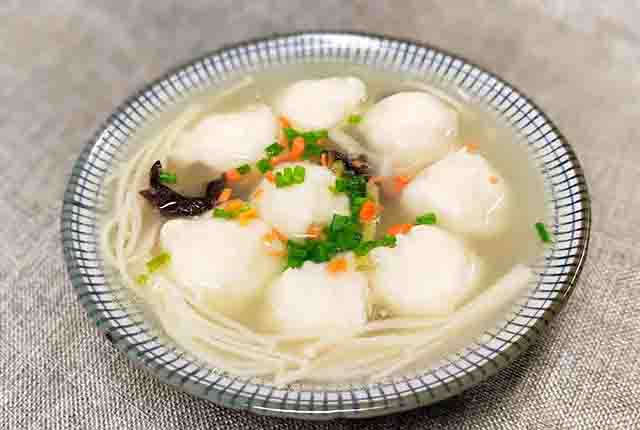
Classic pairings include steamed rice, pickled ginger, and a light soy-based soup. Modern pairings work well too: sliced avocado, crunchy cucumber salad, or steamed edamame. Baked eel also pairs beautifully with dry sake, crisp lagers, and even soft corn tortillas for a fusion taco.
Absolutely. In fact, most high-quality unagi available internationally is flash-frozen at peak freshness. Just thaw it properly first—overnight in the fridge is best. From there, you can bake, broil, or even reheat it in a skillet. Our unagi kabayaki eel fillets are pre-sauced and built to handle exactly this kind of oven treatment without losing their luster.
Baked eel isn’t just a dish. It’s a sensory event: the sweet, smoky call from the kitchen, the soft pull of a collagen-rich fillet, the way it turns a simple bowl of rice into something you’ll remember. For chefs, importers, and plate-builders, understanding that eel flavor profile is the difference between serving fish and serving an experience.
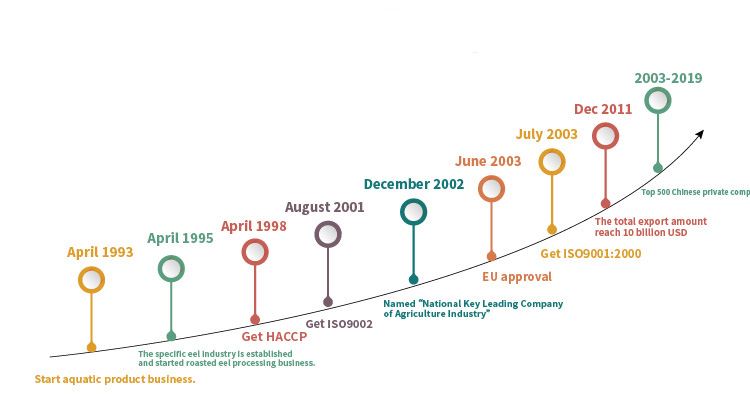
If you’re sourcing for a restaurant, hotel, or retail brand, we’d love to talk. Eelpro Co., LTD ships high-quality frozen unagi kabayaki, authentic eel sauce, and whole frozen eels across the globe. Every fillet comes from our own controlled eel lab and processing line—so you get consistency, full traceability, and that exact melt-and-caramel finish every single time.
By Leo Wang, Head of Product Quality & Culinary Partnerships, Eelpro Co., LTD


 WhatsApp
 sales@chinaeels.com
 +8619937922411