





Have you ever watched someone take their first bite of perfectly glazed unagi and seen their eyes widen? It’s not just the taste. It’s the rich, buttery texture melting on their tongue. But behind that indulgence hides a nutritional powerhouse often overlooked in Western kitchens. The health benefits of eel are not just ancient folklore—they stack up against modern nutritional science, especially when we consider how dietary needs shift as we age. This isn't about chasing a superfood trend. It's about understanding what freshwater eel actually contains.
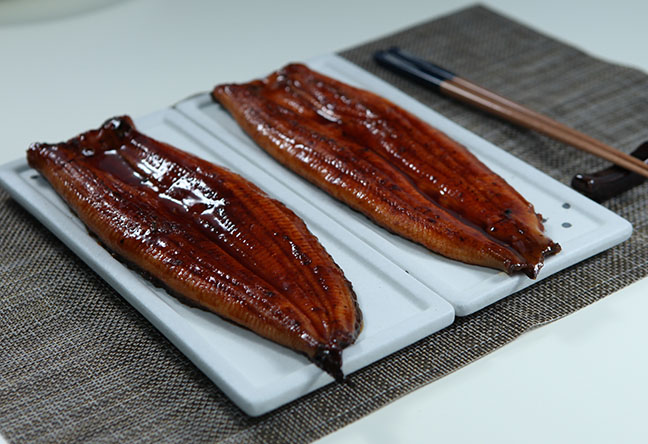
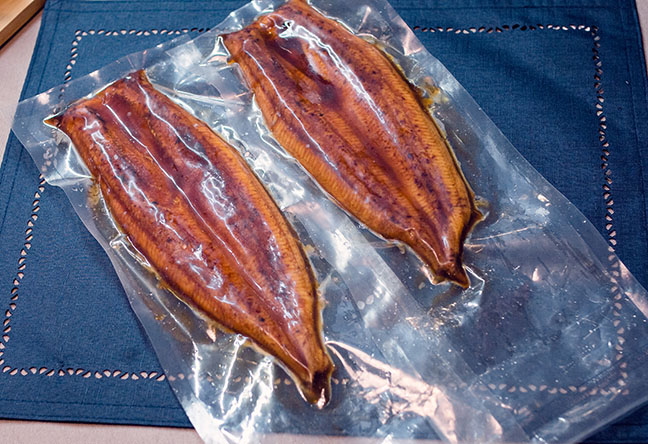
We’ve been exporting frozen unagi kabayaki from our unagi eel farm for years, seeing firsthand how this fish moves from pristine water to dinner plates across the globe. The nutrient density inside that vacuum-sealed pack is astonishing. Let's break down why a portion of eel might be exactly what your body needs, depending on where you are in life.
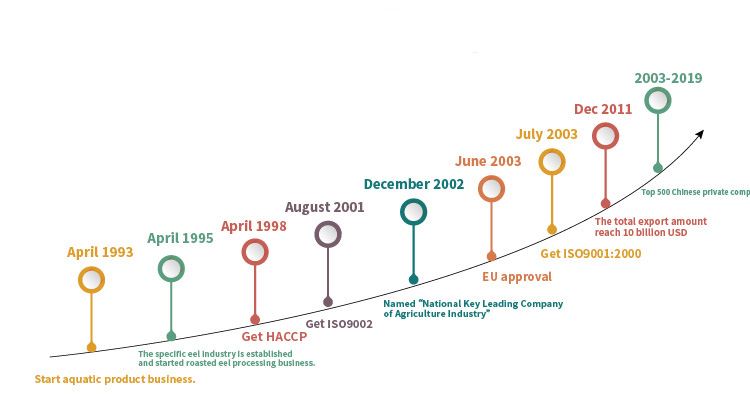
What makes eel stand out from a standard white fish like cod or tilapia? The fat. But don't flinch at the word "fat." We’re talking about the kind that fuels brain function and reduces inflammation. The eel health advantages stem largely from its distinctive fatty acid makeup. While salmon gets all the omega-3 glory, eel swims closely behind with its own impressive content, plus a massive dose of vitamins A and E.
A single 100g serving of unagi kabayaki delivers roughly 300-330 calories. For a sedentary person, that’s a hefty plate. But it’s not empty calories; it’s a compact energy source. Think of it like a biological battery. If you are preparing eel recipes for meal prep, you’re crafting meals that provide sustained release of energy. The fat slows the digestion of the protein, keeping you satiated for hours. Our lab at our eel lab consistently tests for heavy metals and purity, ensuring this fat is as clean as it is nutritious.
The eel vitamins and minerals list is long. Here’s a quick snapshot of what a standard fillet brings to the table:
Parents constantly ask, "Is eel suitable for children?" The answer is yes—with a few common-sense guardrails. The eel dietary benefits for a growing child are significant. A child's brain is constructing neural pathways at breakneck speed until about age five. This requires DHA, an omega-3 fatty acid found in unagi kabayaki product preparations.
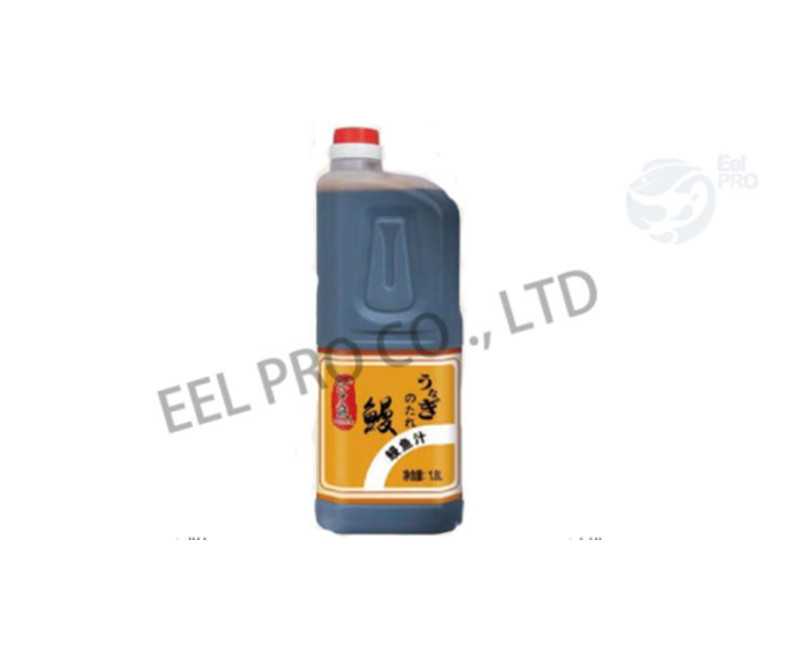
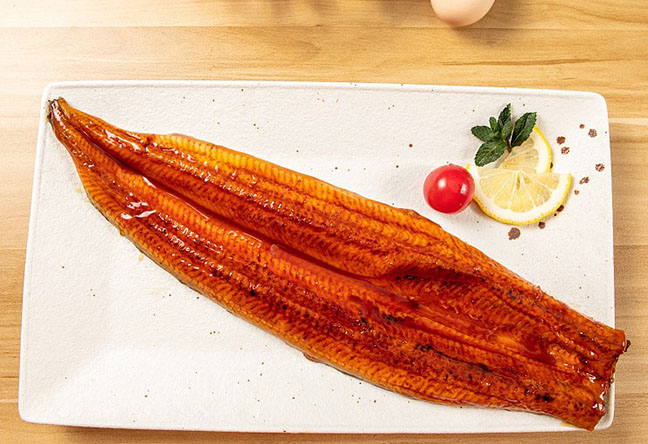
But here’s the honey trap: sweet soy glaze. The glaze on kabayaki is delicious, but it contains sugar and soy (allergens). For a toddler, you don't want to feed them a whole saucy fillet. We advise rinsing the excess eel sauce off for very young children. Mash the fish into rice porridge.
Watch for bones. Even in "boneless" fillets, tiny ribs can survive. Eel is fantastic for a picky eater because of its pâté-like texture when flaked, but you absolutely must run your fingers through the meat to remove any calcium-rich spikes. The high vitamin A content supports eye development, but overdoing vitamin A is risky. A portion the size of a deck of cards, once a week, is a solid limit for a preschooler.
For an adult grinding through a work week or a CrossFit class, the macronutrient split of eel is a godsend. The protein count is high—around 20-25 grams per serving. But it's the eel health advantages related to joint repair that stand out. The anti-inflammatory nature of omega-3s helps manage swelling from micro-tears in muscle fibers.
We know a marathon runner who uses plain grilled freshwater eels as a pre-race meal two days before the event. Why? The carb-loading phase often lacks protein and fat, leaving you hungry. A dish of eel hits the glycogen stores with a bit of sugar (from the tare) while the protein manages hunger. Research suggests that the specific peptides in eel may inhibit angiotensin-converting enzyme (ACE), which aids cardiovascular efficiency—something very relevant when your heart rate is at 170 bpm. If you’re into low-carb eating, skip the sweet kabayaki sauce and opt for salt-grilled (shioyaki) style instead, using our frozen eel supplier options.
Women navigating pregnancy face a minefield of dietary restrictions. Is eel safe? In moderation, yes, provided it's cooked thoroughly. The FDA guidelines on fish consumption focus on mercury. Freshwater eel is generally considered a lower-mercury choice compared to big predatory ocean fish like tuna or swordfish. The eel dietary benefits here are huge—Vitamin D and calcium for a baby's skeleton formation, and iron for the mother's increased blood volume. However, the liver of the eel is so vitamin A-dense that it should be avoided entirely during pregnancy to avoid toxicity risk. Stick to the muscle fillet, heated steaming hot.
This is where eel truly shines. Aging bodies don't absorb nutrients with the efficiency of a 20-year-old. The health benefits of eel for seniors largely revolve around pre-formed vitamin A and D. You don't need robust digestion to absorb them; they are fat-soluble and readily available. Sarcopenia, the gradual loss of muscle mass, accelerates after 60. The high biological value protein in eel—containing all essential amino acids—helps slow this decline.
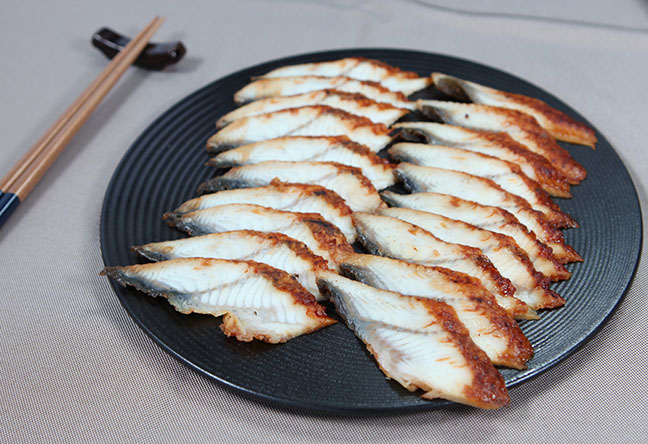
Texture matters here. An elderly person with chewing difficulty might reject steak, but will find grilled unagi kabayaki incredibly tender. The gelatinous skin, often avoided by the young, is a collagen source. For an older adult's skin elasticity and joint fluid, a bit of eel jello is nature's supplement. The eel omega-3 content is also linked to cognitive protection, potentially offering a buffer against memory lapses. It’s brain food that doesn't taste like punishment.
There’s a reason the Japanese eat eel on hot summer days. It’s called "Doyo no Ushi," and it isn't just a marketing gimmick. Eel contains high amounts of thiamine (Vitamin B1). Thiamine deficiency leads to fatigue and lethargy—the classic summer slump. Loading up on eel when the humidity is high provides that B1 spark to convert carbohydrates into energy. It's why a bowl of eel rice bowl toppings is the ultimate comfort food when you're sweating through your shirt.
We’ve seen restaurant trends come and go, but eel recipes with 10 flavor pairings hold ground because the body craves what it needs. If you're feeling drained, the fastest fix isn't always an energy drink—it might be a simple piece of smoked eel. Speaking of which, try a smoked eel recipe to smoke unagi at home for a zero-sugar alternative.
Let's be real. The eel health advantages crash against a wall if you have a fish allergy. Eel has its own specific protein structure, but cross-reactivity with other fish species is possible. Always test with a tiny flake first if you’ve never eaten it. Also, histamine sensitivity is an issue. Eel that has been thawed improperly can develop histamine, which is not destroyed by reheating. That’s why sourcing from a certified unagi kabayaki eel frozen supply chain is critical. Freezing immediately after processing keeps the histidine levels intact and safe.
Eel is moderately high in purines. If you suffer from gout flares, particularly toe pain that makes you want to cry, you can’t binge on unagi every night. A 100g portion contains roughly 140-160mg of purines. That sits in the "medium" risk bucket. It’s not off-limits, but "once a week" is a safer bet than "once a day."
The glaze matters most here. The health benefits of eel itself (rich potassium) can offset sodium, but the soy-based sauce is a salt bomb. If blood pressure is a concern, buy the bare frozen fillet and season it lightly yourself. The meat is naturally savory without soy. You bypass the sodium threat but keep all the eel vitamins and minerals. For a senior on a low-sodium diet, salt-grilling at home turns eel from a high-sodium hazard into a safe, protein-rich staple.
It can't, directly. But if you're a pescatarian who eats fish, eel sits at the top tier for nutrient density. Compared to plant-based iron (which has low bioavailability), the heme iron in eel sidesteps the absorption issues. If you are skipping meat due to eco-reasons, farming practices for freshwater eels are evolving. Our unagi eel farm for Eelpro Co., LTD focuses on controlled, sustainable water recirculation, reducing the pressure on wild stocks dramatically.
The brain. While it's a full-body supplement, the DHA in the eel omega-3 content integrates directly into brain cell membranes. If you feel brain fog on a high-workload day, a bento box with unakyu maki is more than a tasty lunch—it's a neural delivery system. The B vitamins give the immediate cognitive spark, but the fats maintain long-term structural integrity. For a knowledge worker or a student cramming for exams, eel is smarter than a caffeine pill.
This slippery, snake-like fish doesn’t look like health food. But that’s the magic trick of it. From the rapid growth spurts of toddlers to the muscle-maintenance battles of the elderly, the eel dietary benefits are flexible enough to serve almost every stage of life. The rules are simple: respect the richness, buy cleanly processed frozen product, and tailor the sauce level to the age of the eater.
We invite you to explore the range of frozen unagi kabayaki and frozen seafood from Eelpro Co., LTD. Taste the difference that clean farming and expert preparation yield. Ready to feed your family a true longevity food?


 WhatsApp
 sales@chinaeels.com
 +8619937922411