





A restaurant can grill excellent eel and still disappoint customers with the wrong sauce. If it is too thin, overly salty, poorly packed, or missing required import information, small issues can quickly become costly problems at the receiving dock.
Sweet unagi sauce is a thick, glossy Japanese-style glaze used with grilled freshwater eel, sushi, rice bowls, noodles, and other cooked seafood dishes. It is commonly called unagi tare sauce, or simply eel tare.
The traditional profile is sweet and savory. Soy sauce brings salt and umami, while sugar or syrup creates the rounded sweetness that diners expect. Depending on the supplier and destination market, formulas may also include mirin-style seasoning, caramel color, starch, vinegar, or flavoring ingredients.
In foodservice, the sauce does more than finish a dish. Kitchens use it to brush eel during reheating, season unagi donburi, decorate an unakyu sushi roll, or add depth to grilled vegetables and chicken. A dependable sauce should flow at a controlled rate, cling to the eel, and stay stable through refrigeration and reheating.
A local chef may judge a sauce by flavor alone. An international buyer has a much longer checklist. The sauce must arrive in sound condition, match the approved sample, clear customs review, and fit smoothly into the restaurant’s daily workflow.
For instance, a 250 ml retail bottle may suit home cooks but be impractical for a sushi chain using 20 liters each week. A 20-liter pail can reduce packaging waste, yet it may slow service when staff need to open the container repeatedly. The right format depends on sales volume, storage space, dispensing equipment, and menu design.
Before placing a commercial order, buyers should request a written specification sheet. At minimum, it should identify the formula, allergen declaration, net content, storage instructions, lot coding, shelf life, and packaging materials.
The approved sample should establish the sensory target. Ask for a description such as “dark brown, glossy, sweet-savory, mild soy aroma, no burnt or fermented off-notes.” This gives the quality team a practical benchmark for incoming inspection.
Viscosity matters as much as flavor. A thin sauce runs off grilled eel and pools at the bottom of a rice bowl. An overly thick sauce can clog a squeeze nozzle or make brushing uneven. Suppliers may report viscosity in mPa·s at a stated temperature, but the test method should also be recorded because viscosity changes with temperature.
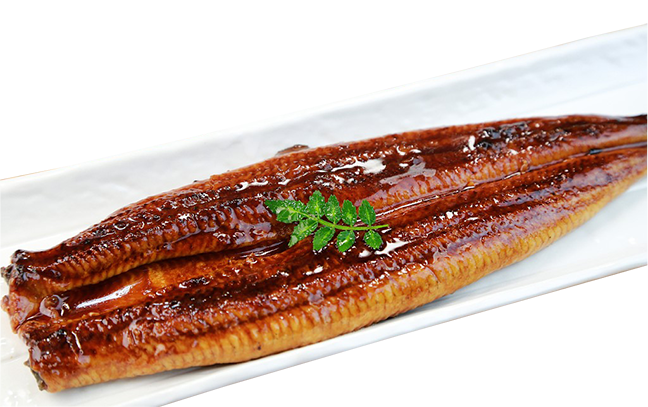
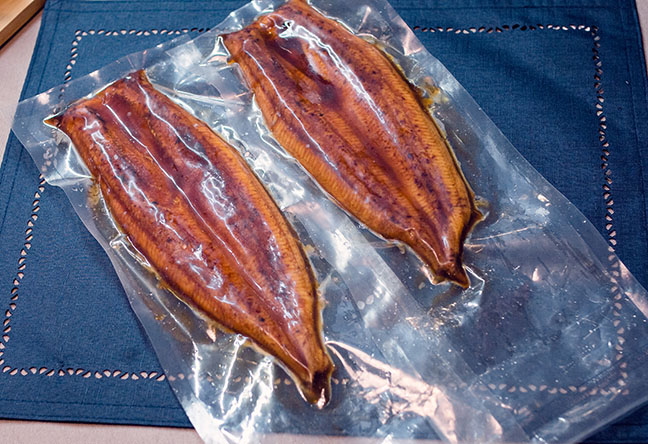
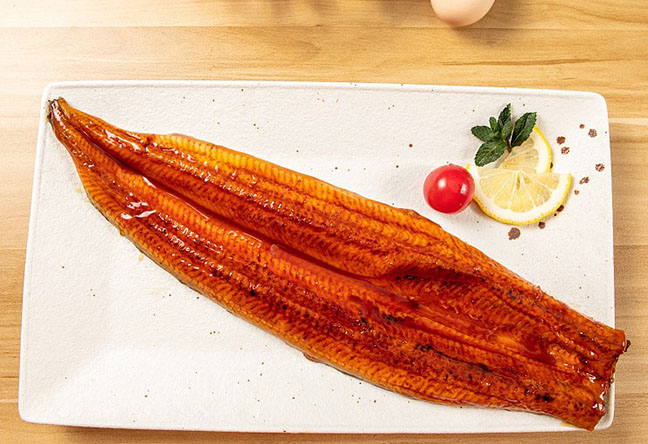
For a sauce served with frozen unagi kabayaki, the best test is hands-on: reheat the eel according to its product instructions, brush on the sauce, and serve it over hot rice. Taste the finished dish after five minutes, not only straight from the bottle.
Soy is a common ingredient in Japanese eel sauce. Some recipes also contain wheat because of traditional soy sauce production. Buyers serving allergy-sensitive customers should request a complete ingredient list and allergen statement in the format required by the destination country.
Do not assume that “Japanese eel sauce” means the formula contains eel. Most eel sauces are seasoning products and may not include eel extract. Confirm this if the product will be marketed as vegetarian-friendly, seafood-free, or appropriate for a specific dietary program.
It is also worth asking whether the sauce contains alcohol from mirin or cooking wine, added MSG, preservatives, artificial color, or genetically modified ingredients. These details can affect labeling, customs paperwork, and retailer approval.
Pack sizes vary by factory and destination market, but foodservice buyers commonly compare the following formats:
| Format | Typical use | Advantages | Points to check |
|---|---|---|---|
| 150–300 ml bottle | Retail, home cooking, small cafés | Easy to display and portion | Retail label, cap seal, barcode, carton strength |
| 500 ml–1 L bottle | Small restaurants and sushi counters | Simple storage and quick hand use | Nozzle design, leakage prevention, refrigerator space |
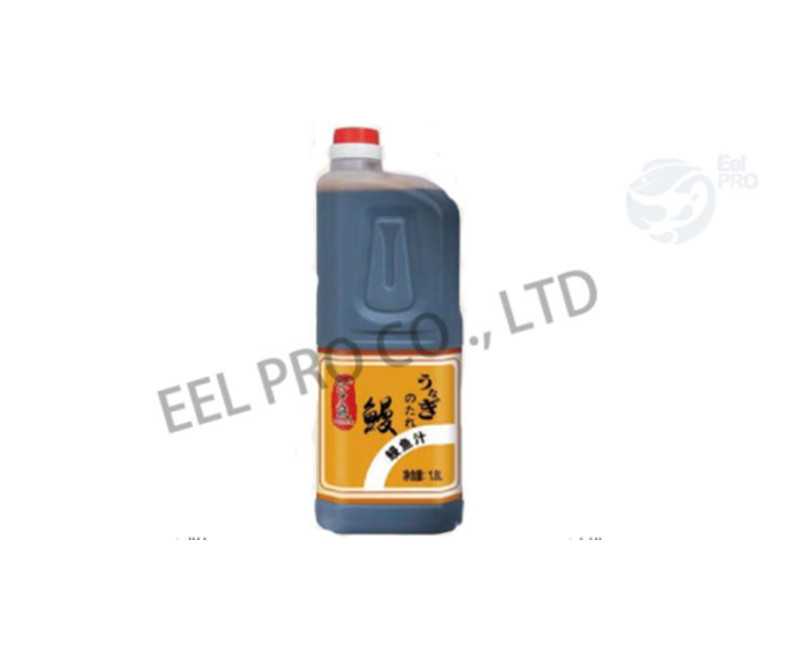
| 1.8 L bottle | Medium-volume restaurant kitchens | Familiar foodservice size and lower unit cost | Pour control and cap replacement after opening |
| 5 L bag-in-box or pouch | Catering, central kitchens, restaurant groups | Less packaging per liter and efficient replenishment | Dispensing method, inner-bag material, box moisture resistance |
| 10–20 L pail or bag | Distributors and high-volume foodservice | Lower packaging cost at scale | Handling weight, tamper seal, storage after opening |
Packaging should reflect actual consumption. A sushi restaurant using 4 liters per week may prefer four 1-liter bottles over one 20-liter pail. By contrast, a central kitchen producing 3,000 rice bowls each day will usually prioritize bulk supply and pump compatibility.
Ask for the primary container material, outer carton dimensions, units per carton, cartons per pallet, gross weight, and loading quantity per container. These figures help importers calculate landed cost, warehouse capacity, and handling requirements.
For related menu planning, Eelpro’s eel sauce product range can be reviewed alongside its unagi kabayaki eel products.
Labeling rules vary by destination. Commercial buyers should provide the target country before artwork is finalized. Common label fields include:
Do not make a long shelf-life claim without supporting records. The supplier should provide a product specification, stability information, and a clear date-coding system. Buyers may also request a certificate of analysis for every lot or at an agreed frequency.
Some commercially manufactured sauces are shelf-stable before opening, while others require refrigeration. The answer depends on pH, water activity, heat processing, preservatives, packaging, and local regulations. Storage conditions should never be assumed from appearance alone.
The specification should state the recommended temperature, such as below 25°C before opening or 0–10°C after opening, where applicable. It should also explain how long the product remains suitable after opening. Restaurant managers need this information to manage waste and protect food safety.
During export, containers can face high temperatures and long transit periods. Buyers should ask about carton protection, container loading conditions, and whether temperature monitoring is recommended. A sauce may be ambient-stable, but it should not sit beside a hot loading bay for several hours.
When comparing bulk unagi sauce, begin with kitchen use rather than the lowest price per kilogram. Calculate weekly consumption, opening frequency, labor time, storage capacity, and product loss caused by over-pouring.
Request a sample in the intended pack format whenever possible. A 300 ml bottle may perform differently from a 20-liter pail because filling, oxygen exposure, and dispensing conditions are not identical.
For restaurant groups, ask the exporter to define acceptable variation for taste, color, viscosity, fill weight, and packaging defects. A practical agreement may include a retained reference sample and a lot approval process. That approach can prevent disputes after the first container arrives.
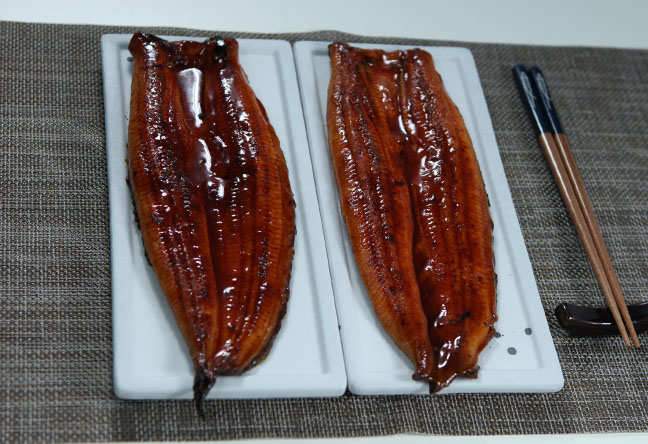
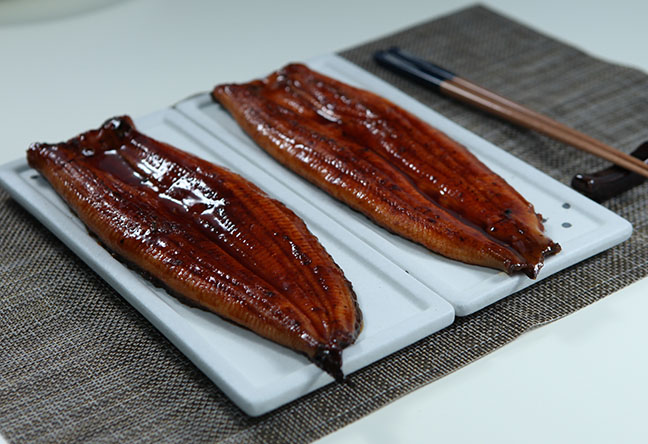
The classic use is kabayaki: brush sauce onto grilled eel, then serve it with steamed rice, shredded nori, and sansho pepper. However, the same product can support a broader menu.
For serving ideas, see Eelpro’s guide to eel recipes or learn how the sauce affects flavor in kabayaki sauce.
Cold fact: the sauce is often brushed on in several thin layers rather than poured on all at once. Each layer sets against the hot surface, creating kabayaki’s familiar shine and deeper flavor. In a busy kitchen, two light coats often produce a cleaner result than one heavy pour.
A serious supplier should be able to explain its production controls, not simply send a price list. Ask for the factory profile, process flow, ingredient statement, product specification, packaging specification, and a sample commercial invoice.
Depending on the destination, buyers may request HACCP documentation, ISO 9001 certification, food-management certifications, facility registration, health certificates, or documents required by the U.S. Food and Drug Administration. These documents are not interchangeable. ISO 9001 addresses quality management; it does not by itself prove food safety compliance.
For U.S. imports, confirm whether the facility and product require FDA-related registration or prior-notice procedures. For European shipments, check allergen, additive, nutrition, and traceability requirements with the importer of record. The ISO 22000 food safety management information provides useful background, but destination-country authorities and the importer’s compliance team remain the final reference.
Commercial documents may include a commercial invoice, packing list, bill of lading, certificate of origin, health or sanitary certificate where applicable, and certificate of analysis. Product names, lot numbers, quantities, and carton counts should match across all documents.
Avoid choosing by color alone. A very dark sauce may contain more caramel color without offering better flavor. Taste, viscosity, ingredient composition, and performance on the finished dish should be reviewed together.
Avoid ignoring the opening plan. A 20-liter container is not automatically economical if the kitchen cannot use it within the recommended post-opening period.
Avoid approving only a kitchen sample. The export carton, cap, inner seal, and lot code also need inspection. Leakage can turn a good sauce into a warehouse loss.
Avoid translating labels at the last minute. Ingredient names, allergen terms, nutrition information, and date formats should be reviewed before printing. Rework becomes expensive once packaging has been produced.
The main specifications are ingredient composition, allergen declaration, net content, viscosity, color, pH or other food-safety parameters where provided, storage temperature, shelf life, lot coding, packaging material, and destination-market labeling. Buyers should also confirm carton dimensions, pallet configuration, minimum order quantity, and documents available for customs clearance.
Match the container to weekly consumption and dispensing equipment. Compare cost per usable liter, not just cost per carton. Then test the sauce on the actual menu: reheated eel, rice bowls, sushi, or noodles. Confirm flavor consistency, post-opening storage, pump or brush compatibility, and the supplier’s ability to repeat the same specification.
Common options include 150–300 ml retail bottles, 500 ml to 1-liter bottles, 1.8-liter foodservice bottles, 5-liter pouches or bag-in-box formats, and 10–20-liter pails or bags. Availability depends on the exporter, destination regulations, order quantity, and required label design.
These terms often describe the same general style of sweet-savory glaze, but formulas are not identical. One supplier may use wheat-containing soy sauce, while another may offer a wheat-free formula or a recipe with different sugar levels. Always compare the ingredient list and approved sample.
It may be possible to coordinate both products within one purchasing program, but storage conditions can differ. Frozen eel normally requires a frozen supply chain, while some sauce products ship at ambient temperature. The exporter and importer should confirm the loading plan, packaging protection, and temperature requirements before booking cargo.
The right sauce should make service easier, not create another quality-control concern. Eelpro Co., LTD supplies eel sauce alongside frozen unagi kabayaki, freshwater eels, and frozen seafood for international buyers.
Send your target market, expected monthly volume, preferred pack size, label language, and application details. Eelpro can help you compare a restaurant bottle, distributor pack, or larger foodservice format and arrange a product discussion for your menu.
Planning an eel program? Explore the unagi kabayaki manufacturer and frozen eel supplier information, then share your preferred sauce sweetness and serving style with the Eelpro team.



 WhatsApp
 sales@chinaeels.com